
Italian Coffee Latte Art Swan Pattern Tutorial: Step-by-Step Guide to Swan Latte Art
Swan Latte Art, After You've Mastered the Leaf
Earlier, FrontStreet Coffee shared how to pour leaf latte art. It was pretty simple, wasn't it? If you've already got the leaf down, you're ready to learn the swan with FrontStreet Coffee.
The swan is actually made by modifying the last few steps of the leaf. So once you've learned the leaf, you're already halfway to the swan.
First, let's see which steps the two share. From integration and the starting point all the way through the even backward swinging motion, the steps are identical. The difference comes after that: the leaf simply moves forward from the center to finish, while the swan is only half done. What remains is the wing finish, the neck, and the head. (So if you haven't mastered the leaf yet, start there first.)
If you've got the leaf down, watch this video. Duration 00:14.
Swan Wing Finish
Let's begin with the wing finish. From here on, the leaf and the swan part ways. As you swing backward evenly and approach the edge of the cup, pull back toward the "leaf" side on the finishing move, as shown below.

Unlike the leaf, when the swan reaches the final stage of the even swing, there's no need to form a heart shape at a fixed point. Simply pull back immediately along the direction of the blue arrow. If you don't want a white line to appear, lift the pitcher spout slightly as you pull back.
Creating the Swan Neck
Next comes the neck, and this method is quite different from what came before. To be precise, it's drawn, or dragged, out. After finishing the wings, drag a line out from the last point of the wings. This step is a bit challenging if you haven't tried it before.
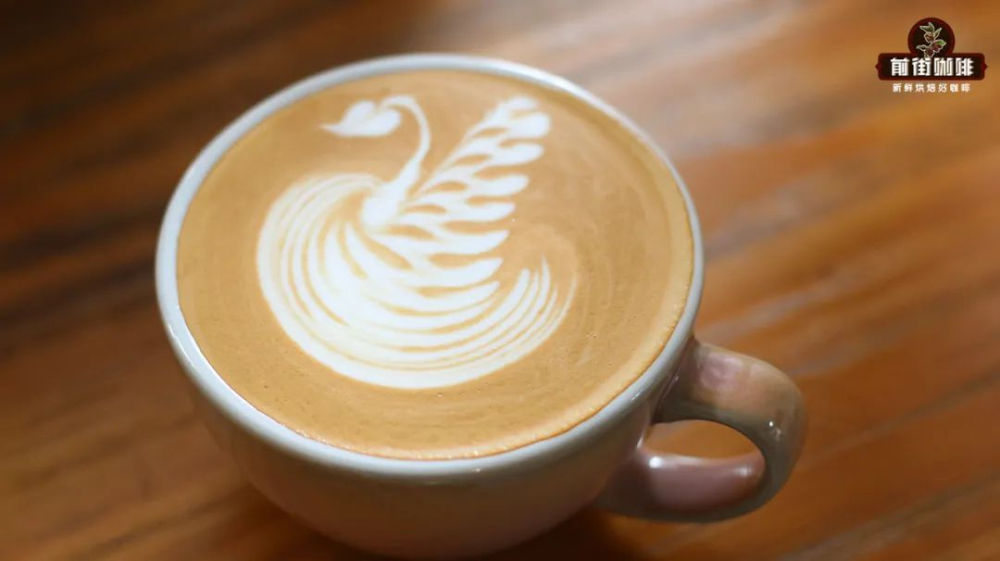
People usually fail here in one of two ways. The first is foam that's too thin or badly separated. The neck is essentially drawn with milk foam, and by the time you reach this step there's very little milk left in the pitcher. The foam may be enough to lay down lines while etching, but not enough to drag out a line, which leaves the neck too thin and weak.
Foam that has split into layers can also give you either plain milk or a single blob of foam, producing a neck that's too thin or too thick and simply not attractive. If it isn't the foam quality itself, then it may be because you're making big changes of direction with the pitcher mid-pour. For example, you finish the wings, pause, and bring the pitcher from a tilted position back to upright, then tilt it again for the neck, which causes the foam to separate into layers.
The second failure is simply not knowing how to drag out the line. A good way to practice is to draw straight lines on a liquid surface that's about 90% integrated. Lower the spout, and the moment white dots appear on the surface, drag quickly in one direction. Repeat until you build the feel for it.
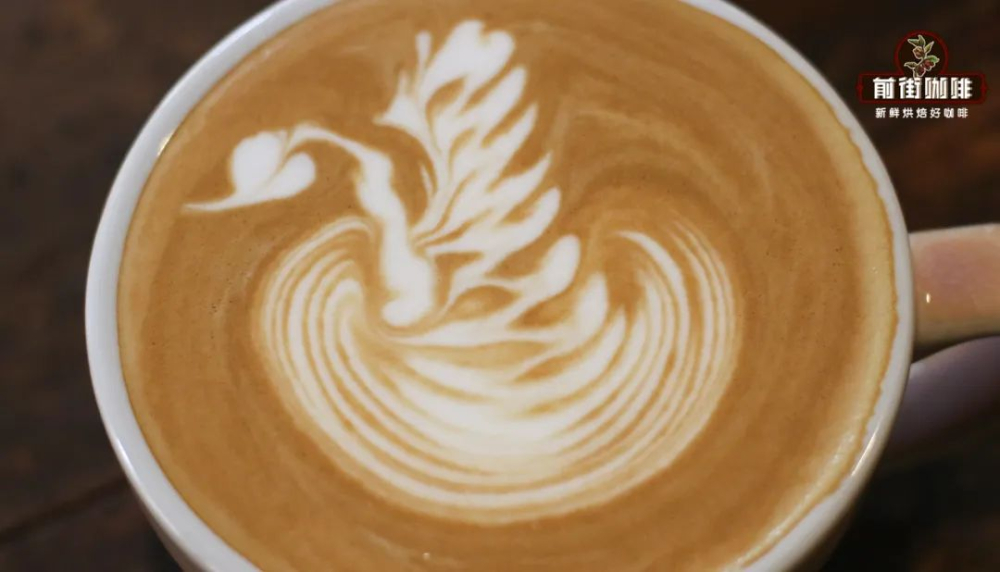
The problem in this image is that the hand trembled during the wing finish, and when the neck was drawn the motion wasn't decisive enough, so the hand shook and the line came out distorted.
Creating the Swan Head
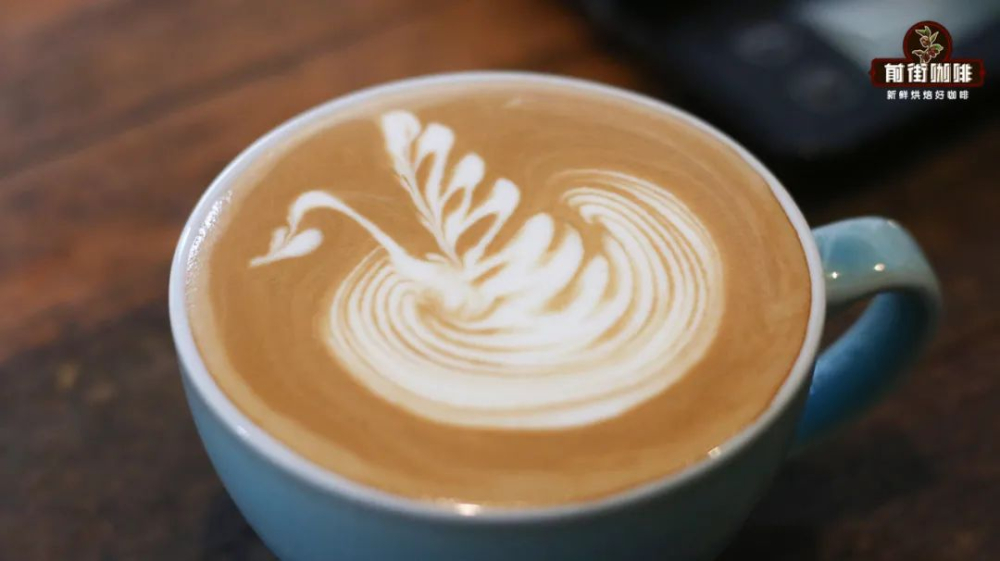
Finally, the head, which is essentially a variation on a small heart. After drawing the neck, don't break the flow; keep positioning at a point along the neck to let more foam out, then do a simple, quick heart-shaped finish. You can finish straight down the center of the heart, but for a better look you'd normally finish at an angle slightly to the right of center.
If you finish too hastily without releasing enough foam when making the head, the whole head will look very small.
FrontStreet Coffee Recommendation
Swan or leaf, clean latte art depends on a stable espresso base with fine, long-lasting crema. FrontStreet Classic Blend is the one FrontStreet Coffee suggests for home practice: a medium-dark recipe built from three producing regions and inspired by the classic Mamba pairing of Mandheling and Brazil, with a touch of Robusta for extra aroma and body. It releases clear notes of butter, toasted bread and caramel cookie, with a strong, solid flavor and fine crema that pulls consistently.
If you lean toward a nuttier, richer cup, FrontStreet Premium Blend combines washed Colombian coffee with semi-washed Brazilian beans for nuts, dark chocolate and caramel, so whether you pour an Americano, a latte or a flat white, the creamy almond and cocoa aromas come through and the crema rivals a cafe's. FrontStreet Commercial Blend, meanwhile, adds a small amount of Robusta to the same traditional recipe for an extra layer of fine, dark-brown crema and a fuller body that makes every pour, from Americano to mocha, that much easier.
Important Notice :
FrontStreet Coffee is a long-established specialty coffee roaster in Guangzhou China, selling freshly roasted beans from its own farm in Yunnan as well as dozens of carefully selected single-origin beans from around the world for both pour-over and espresso. The products deliver consistently excellent quality and great value, with shipping within 24 hours. Guangzhou's FrontStreet Coffee shop is recommended by many coffee lovers, and the beans are now available online at the Tmall 。
FrontStreet Coffee has moved to a new address:
FrontStreet Coffee Address: 315,Donghua East Road,GuangZhou
Tel:020 38364473
 Scan and follow the En Gafei WeChat official account. Please indicate that the reprint comes from "En Gafei".

