
Solutions for Static Electricity, Flying and Sticking Coffee Grounds in Grinders - How to Eliminate Static Electricity in Coffee Grinders
Why Grounds Fly and Stick: Static and Oils
Everyone knows the frustration: you grind your beans and coffee grounds fly everywhere, or cling stubbornly to the chute and collection container. These two common annoyances come down to two main culprits - static electricity and coffee oils. FrontStreet Coffee explains why both happen.
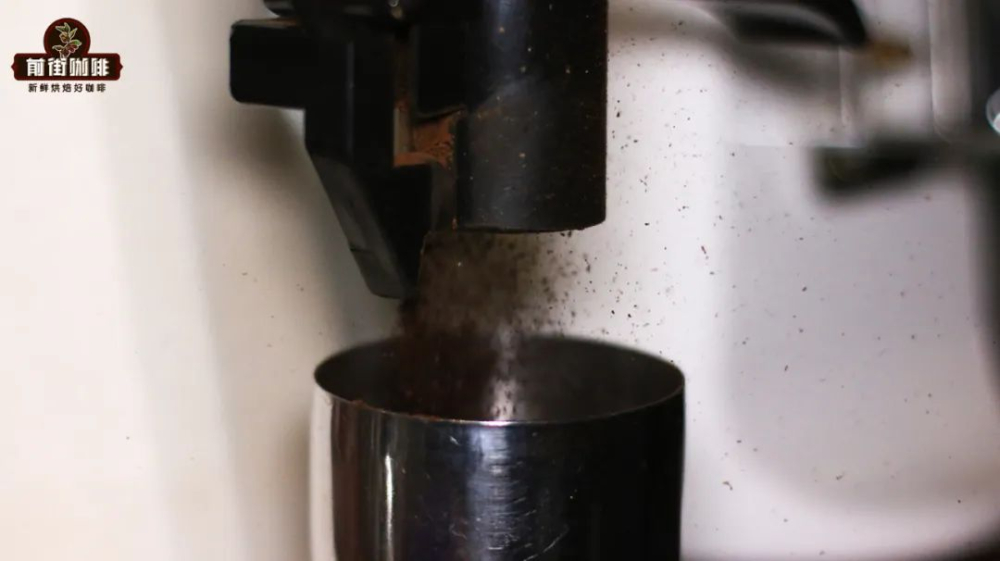
The Coffee Oils Problem
Let's start with the simpler one: coffee oils. This issue shows up almost exclusively with dark roasts. After grinding dark-roasted coffee, a good portion of the grounds will cling tenaciously to the collection container, refusing to budge even after vigorous tapping or shaking. Grind a light roast, and nothing sticks. If you've noticed that difference, you can chalk it up to oils.
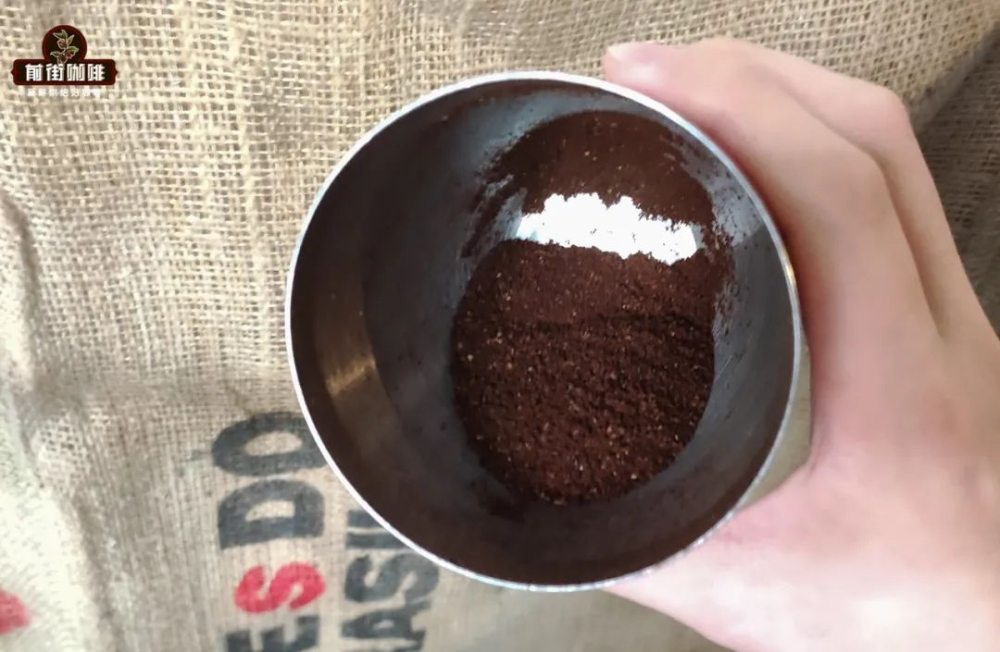
Dark roast beans expand considerably during roasting, developing a more porous structure. As carbon dioxide keeps escaping, oils migrate to the surface, giving the beans a slightly "wet" sheen. Some people mistake this sheen for water damage and assume the beans have gone bad - but it's simply the natural oil expression of dark-roasted coffee.
Once these oil-coated beans are ground, some particles stick to the walls of the collection container, and shaking or tapping alone won't free them. The easy fix: run a small spoon or rod gently along the inside of the container after grinding, and the clinging grounds will come loose.
The Static Electricity Problem
The second culprit is static. In dry conditions, coffee grounds build up static charge easily. If the collection container isn't touching the grinder's chute, grounds can leap right out of the chute - the classic "flying grounds." At the same time, both the chute and the container rim collect a sticky layer of residue. That's also why your weighed dose sometimes comes up short: static has stranded grounds on the way down.
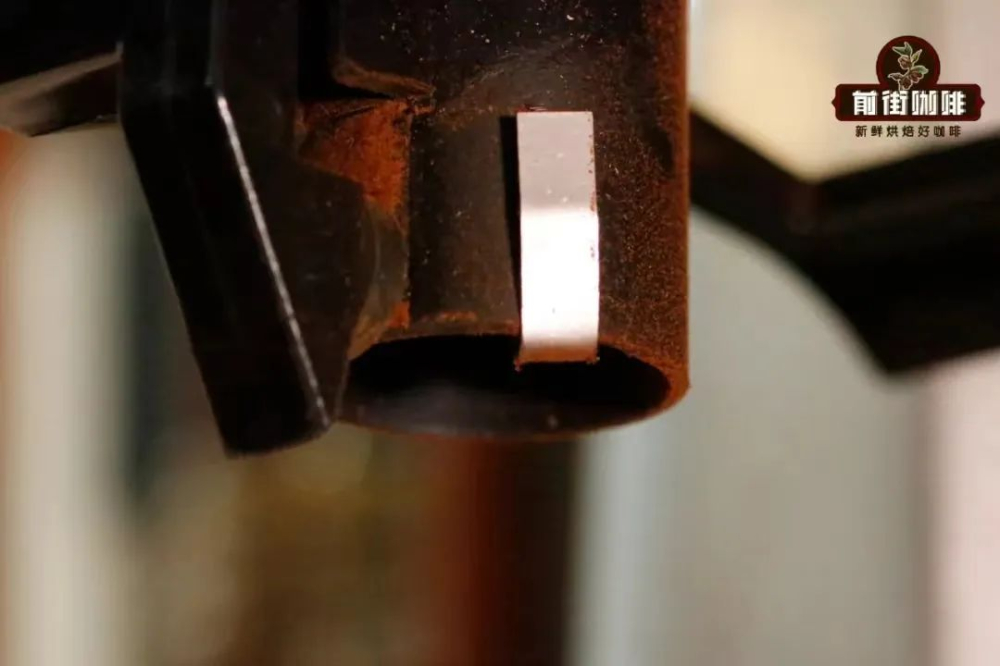
Some modern electric grinders come with anti-static features that largely solve flying and clinging grounds. But most compact electric grinders and manual grinders lack them. The small Fuji grinder FrontStreet Coffee used to run, for instance, constantly suffered from flying grounds and residue buildup. Manual grinders are no better - grounds frequently cake onto the bottom of the burrs after each grind.
If you're battling this right now, try a simple trick: lightly dampen a small spoon or rod with water, wait until it's moist but not dripping, then stir your beans briefly before grinding. This reliably cuts down on static.
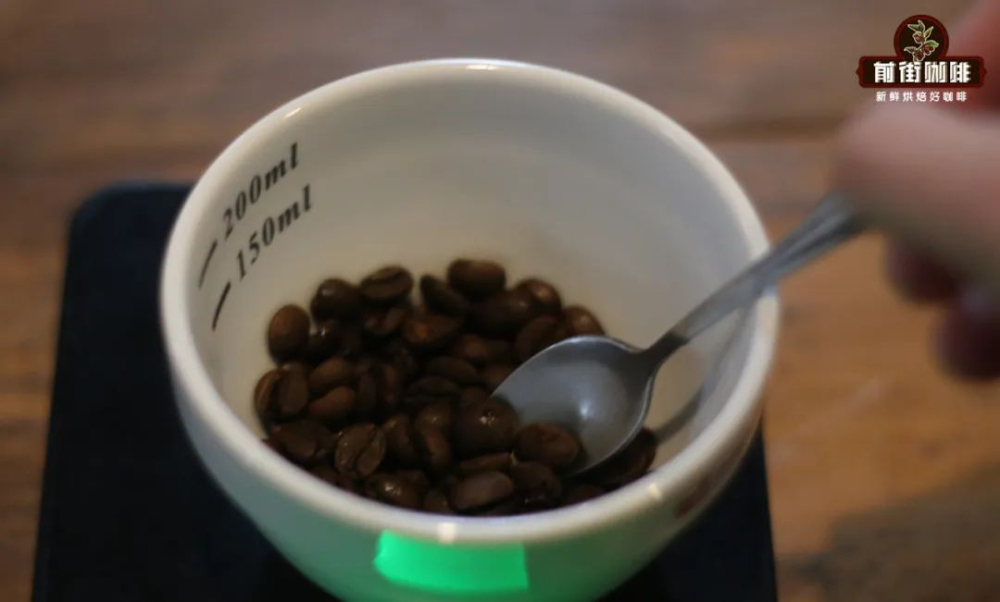
One caveat: too much water will make grounds clump and turn damp, and over the long term it can even rust the burrs. FrontStreet Coffee suggests reserving this trick for very dry weather when static is at its worst, and keeping the water minimal - as long as your stirring utensil never forms droplets, you're unlikely to run into trouble.
FrontStreet Coffee Recommendation
Dealing with static and flying grounds usually means you're grinding fresh at home - so it's worth having beans worth the effort. A great all-rounder is FrontStreet Coffee's Queen Estate Yellow Bourbon from Brazil: a sun-dried Yellow Bourbon from a renowned specialty estate, medium-roasted for nut, cream, and sugarcane sweetness with a soft, gentle acidity. It's a true "universal" bean, equally happy in a pour-over, French press, moka pot, or espresso machine.
If you prefer something brighter, FrontStreet Coffee's Yirgacheffe Natural Red Cherry shows mature fruit aromas up front, pronounced fermentation and berry notes on the palate, then citrus acidity, creamy smoothness, and a juicy finish of ripe grapes. And for fans of distinctive sweetness, the Mozart from FrontStreet Coffee's Musicians series - a raisin honey-process Costa Rican - offers Kyoho-grape sweetness layered with pineapple and osmanthus, plus rich notes of raisin, rose, and fermented wine aromatics.
Important Notice :
FrontStreet Coffee is a long-established specialty coffee roaster in Guangzhou China, selling freshly roasted beans from its own farm in Yunnan as well as dozens of carefully selected single-origin beans from around the world for both pour-over and espresso. The products deliver consistently excellent quality and great value, with shipping within 24 hours. Guangzhou's FrontStreet Coffee shop is recommended by many coffee lovers, and the beans are now available online at the Tmall 。
FrontStreet Coffee has moved to a new address:
FrontStreet Coffee Address: 315,Donghua East Road,GuangZhou
Tel:020 38364473
 Scan and follow the En Gafei WeChat official account. Please indicate that the reprint comes from "En Gafei".

Mixue Bingcheng Expands Overseas Markets! Current Status of New-Style Tea Drinks and Milk Tea Markets in Asian Countries: Japan, South Korea, and Thailand
