
What Should You Pay Attention to When Visiting a Coffee Shop? How Should Baristas Handle Intentionally Disruptive Customers?


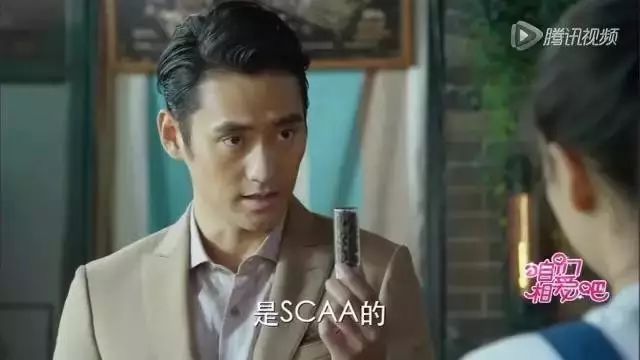








The Drama of Coffee Shop Challenges
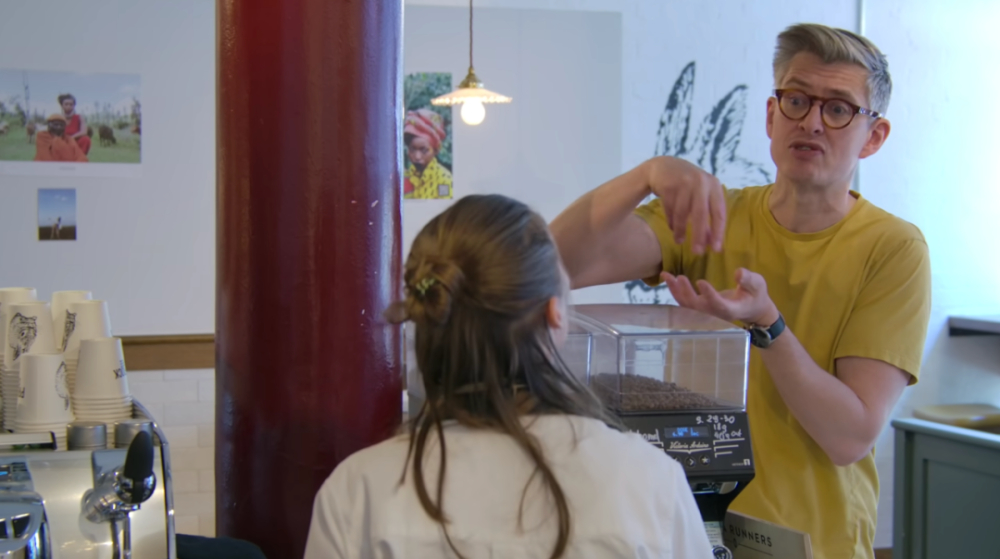
Back in 2017, as a content writer, I watched this exact scene play out in a TV drama and found it absurd. Then recently, a barista shared an identical story in one of our chat groups. Art really does imitate life.
What happened was even more outrageous than the drama. The customer demanded that we step out from behind the bar so he could brew the coffee himself. We refused - after all, he hadn't purchased a single thing in our shop from start to finish. He left with the parting shot: "You have such premium beans but no baristas capable of brewing them - what kind of coffee shop is this?" If that even counts as a "challenge" in the traditional sense, it's certainly an extreme one.
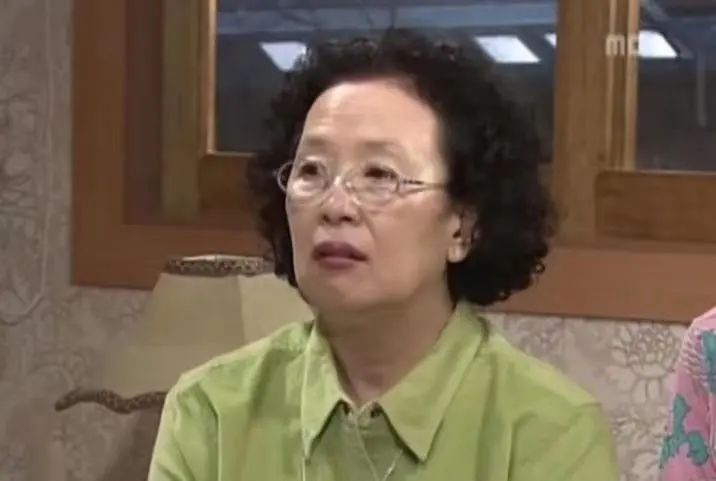
Stories like this leave coffee shop owners in the group half in tears. As specialty coffee attracts more and more curious visitors, they live in a state of constant vigilance: smiling through service while reading every expression, wondering what agenda lies behind the customer who quietly observes and records everything in the shop.
It isn't that they doubt their own professionalism or feel guilty about anything - it's the fear of those who stay silent through their entire visit, then turn around and post "professional" critiques and one-star reviews online, armed with one-sided knowledge gathered from books or a weekend training course. Compared with the challenges from industry peers of years past, today's enthusiast challenges are truly headache-inducing.
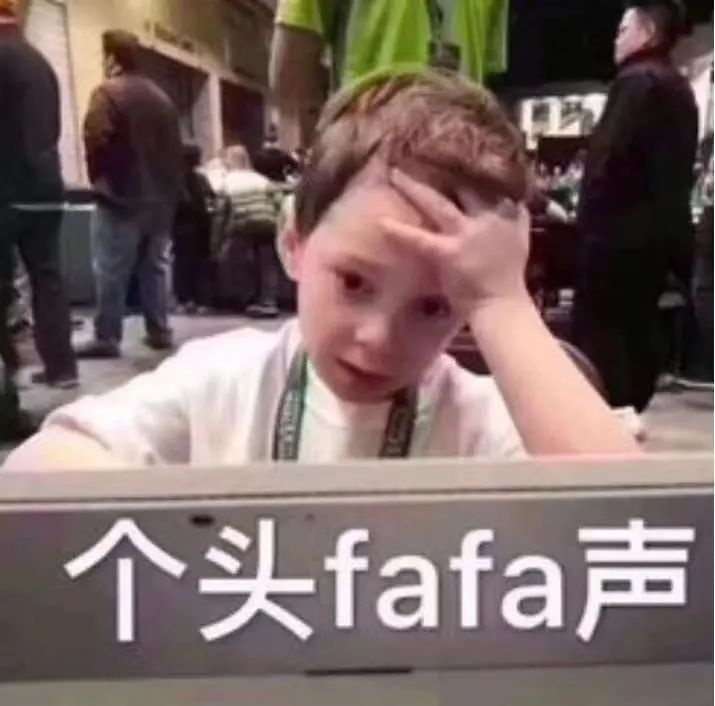
One long-established shop owner observed that challenges used to be conducted under the banner of "promoting industry exchange." Many of today's challenges do nothing of the sort - with boundaries poorly understood, they come across as pure provocation.
Many of these challengers are simply inexperienced people who believe that a training course or a few years of self-study has granted them mastery of "the standard." They open by criticizing that the filter paper wasn't wetted enough, demanding to know why a Geisha is medium-roasted, insisting the grind is obviously too coarse or too fine, or declaring "that's not how you pour water" - complaint after complaint. Even when the coffee is perfectly fine, they manage to make the product and the service look worthless. It's genuinely disheartening.
The Right Way to Handle Bad Coffee
Recently, J. Hoffmann also weighed in on this question: what should you do when you truly encounter bad coffee? (Assuming you've already drunk it.) He noted that while most people stay silent when disappointed by a cup, there's always a small minority offering what they consider "frank advice" - but because they can't grasp proper boundaries, their words come out harsh, leaving both sides embarrassed. To such people, his video had simple advice: "Just be a good person!" It matters more than you'd think.

As the saying goes, there's no accounting for taste - so everyone needs to be clear about their own definition of "doesn't taste good," because only then can they judge their own situation honestly. Bad-tasting coffee usually falls into three scenarios: 1. (A regular customer) today's coffee is different from what the shop usually serves; 2. (An occasional customer) the barista has changed the extraction style you prefer; 3. (A first-time visitor) you've walked into a shop you consider unprofessional.
In scenarios 1 and 2, sincere, direct feedback is usually welcomed - baristas will immediately start wondering whether they did something wrong, then remake the coffee to confirm everything is correct before serving it again.
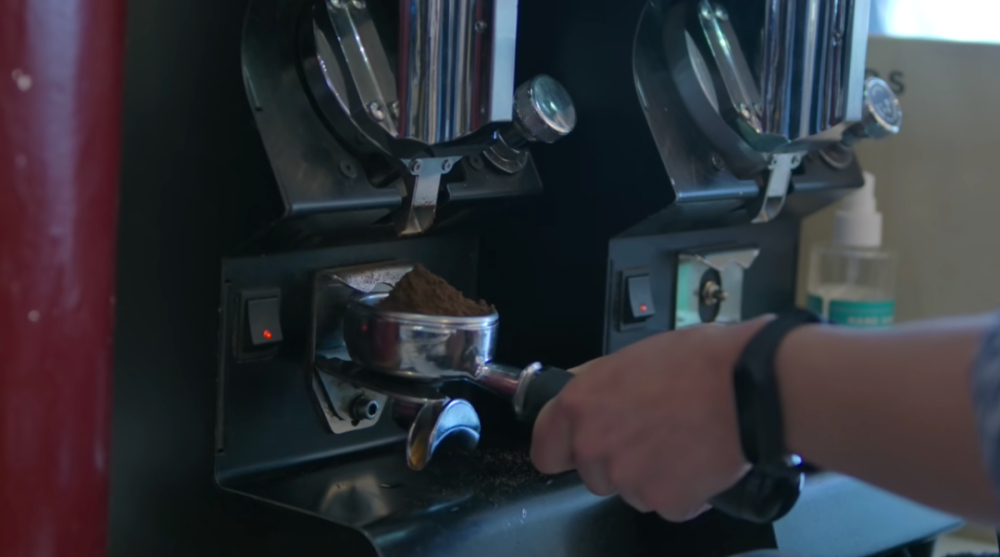
But marching up and declaring "This espresso is over-extracted, it's so sour!" instantly causes offense. Everyone's definition of sourness is different, and it may not be an extraction problem at all - the cup may simply not match your expectations. Pinning 100% of the blame on the product doesn't make you look more professional; it just makes people angry.
In scenario 3, the answer is simple: don't come back. If you charge over with "Let me teach you," you're taking yourself far too seriously. That isn't solving a quality problem - it's courting public resentment. Whether coffee is good or bad can't be decided by one person alone. If you don't like it, don't return; if you do return, order something other than coffee.
Understanding Different Coffee Styles
Every coffee shop has its own style, and every barista has their own experience and understanding. Not everything that differs from your knowledge is necessarily wrong.
Shaxian Delicacies doesn't serve lobster; street food stalls don't offer Michelin-starred service; and Brazilian coffee beans don't taste like Panama Esmeralda Geisha. There's really no need to nitpick.
With the specialty coffee boom, the quality of coffee shops inevitably varies - that's reality. But technical squabbling and debates over personal taste won't push the industry forward.
Technique is one yardstick, but people are the measure of all things. Create fewer conflicts, learn to see from the other side's perspective - that's how everyone progresses.
Image sources: Internet, J. Hoffmann YouTube channel
FrontStreet Coffee Recommendation
If the debate over whose coffee is "correct" has taught us anything, it's that great coffee speaks for itself - and a good place to start your own tasting journey is with beginner-friendly specialty beans. From Ethiopia, try FrontStreet Coffee's natural-process Huakui with its berries, florals, jackfruit, melon, and honey, or the washed Guodingding from Yirgacheffe, scented with jasmine and lifted by lemony acidity and berry notes.
If your palate leans toward comfort rather than fruit, FrontStreet Coffee's Brazil Queen Estate Yellow Bourbon offers the country's signature buttery, nutty sweetness - sunflower seeds, macadamia, and almond aromas wrapped in sugarcane sweetness - silky on its own or with milk. And for those who can't stand acidity at all, FrontStreet Coffee's PWN Golden Mandheling, triple hand-sorted and once machine-sorted, delivers an exceptionally clean, smooth cup with clear woody aromatics and caramel depth. Every style has its merit - taste, then judge for yourself.
Important Notice :
FrontStreet Coffee is a long-established specialty coffee roaster in Guangzhou China, selling freshly roasted beans from its own farm in Yunnan as well as dozens of carefully selected single-origin beans from around the world for both pour-over and espresso. The products deliver consistently excellent quality and great value, with shipping within 24 hours. Guangzhou's FrontStreet Coffee shop is recommended by many coffee lovers, and the beans are now available online at the Tmall 。
FrontStreet Coffee has moved to a new address:
FrontStreet Coffee Address: 315,Donghua East Road,GuangZhou
Tel:020 38364473
 Scan and follow the En Gafei WeChat official account. Please indicate that the reprint comes from "En Gafei".

