
Causes of Inconsistent Espresso Extraction - Does Espresso Grinder Bean Hopper Pressure Affect Coffee Flavor?
For more specialty coffee knowledge, please follow the WeChat official account: FrontStreet Coffee

How Bean Hopper Pressure Affects Espresso Extraction
From FrontStreet Coffee's experience, this shows up most clearly in busy coffee shops. After finishing the morning prep—filling the bean hopper and dialing in the day's espresso parameters—extraction tends to run faster and faster as the day goes on, finishing several seconds short of the target time. Normally, with stable parameters, the variance should not exceed ±1 second.
The espresso pulled under these conditions inevitably tastes noticeably different from the morning's calibrated shots. To keep quality consistent, you have to keep tightening the grind to bring the parameters back in line.

Understanding Extraction Instability
There are many possible causes of unstable extraction: barista error, flawed or shaky parameter settings, an insufficiently cleaned machine. But none of those typically produce only a steadily faster shot—they usually come with obvious symptoms like channeling. If your average shot is running faster and there is no channeling, simply refilling the grinder's bean hopper may fix everything. The culprit is an easily overlooked factor: bean hopper pressure.
FrontStreet Coffee ran an experiment to explore exactly this. Parameters were dialed in with a full hopper, including the timed dosing settings of the grinder. Details below:

Experiment Results
With the hopper full, the grinder was set to 3.8 seconds for a 20g dose. Across five consecutive doses, the variance stayed within ±0.2g. The extraction parameters were 20g of grounds yielding 40g of espresso in 29 seconds.
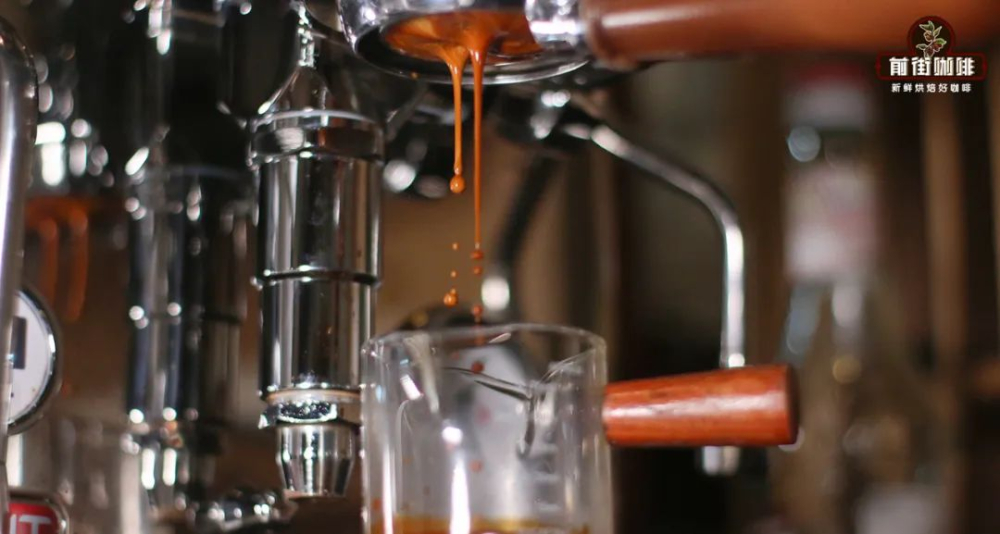
Then FrontStreet Coffee emptied the Sunflower Warm Sunshine beans from the hopper, leaving beans at only 1/4 of the hopper's height (and since the hopper is wider at the top and narrower at the bottom, the actual bean volume was even smaller).

Across five consecutive doses at the same 3.8-second setting, weights ranged from 18.7-19.3g—far more variance in timed dosing. Fortunately, each dose was weighed. If you simply set your grind and dose time in the morning and never recalibrate during the day, your dose weight may already be off.
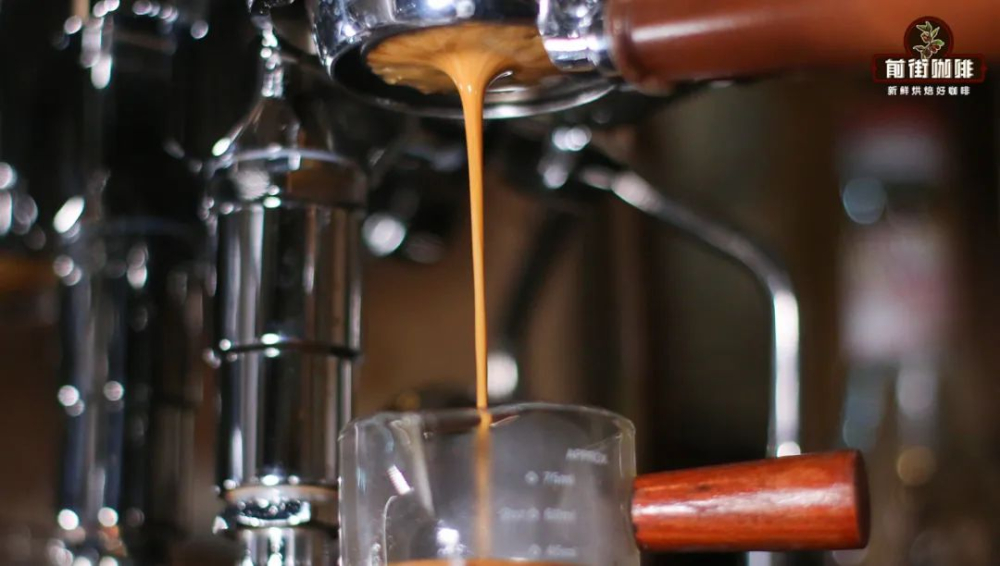
For the extraction test, the dose was topped back up to 20g. Across five shots, the time stabilized at 25-27 seconds. In other words, with parameters unchanged, the extraction time differed by 2-4 seconds between a full hopper and a 1/4-full hopper—meaning that although the grind setting had not changed, the effective grind was actually slightly coarser.
Conclusion
So when making espresso, never wait until the bean hopper is nearly empty before refilling it.
FrontStreet Coffee Recommendation
Stable extraction also depends on stable, well-roasted beans. For espresso, FrontStreet Coffee recommends starting with a dependable blend: the Classic Blend or Commercial Blend, both built on the traditional Italian formula with a touch of robusta for buttery, nutty, dark-chocolate, and toast aromas, a bold body, and a golden crema that makes dialing in—and latte art—far easier.
If you prefer nutty, chocolatey comfort with a big share of Brazilian beans, the FrontStreet Premium Blend or Black Cocoa Blend offers a pleasant bitterness with creamy peanut and caramel notes. And for a single-origin twist, the natural Aricha (Huakui) SOE brings creamy strawberry, cocoa, berries, and light florals to an espresso or a latte that's anything but ordinary.
Important Notice :
FrontStreet Coffee is a long-established specialty coffee roaster in Guangzhou China, selling freshly roasted beans from its own farm in Yunnan as well as dozens of carefully selected single-origin beans from around the world for both pour-over and espresso. The products deliver consistently excellent quality and great value, with shipping within 24 hours. Guangzhou's FrontStreet Coffee shop is recommended by many coffee lovers, and the beans are now available online at the Tmall 。
FrontStreet Coffee has moved to a new address:
FrontStreet Coffee Address: 315,Donghua East Road,GuangZhou
Tel:020 38364473
 Scan and follow the En Gafei WeChat official account. Please indicate that the reprint comes from "En Gafei".

