Can Cold Coffee Be Reheated? Does Reheating Cold Pour-Over Coffee Make It Taste Better?
Most coffee stops tasting as good once it cools, and the acidity becomes especially pronounced. Some office drip machines have an automatic warming function, essentially a heating and temperature-control feature, which has led some coffee lovers to wonder whether reheating cooled coffee might make it taste better.
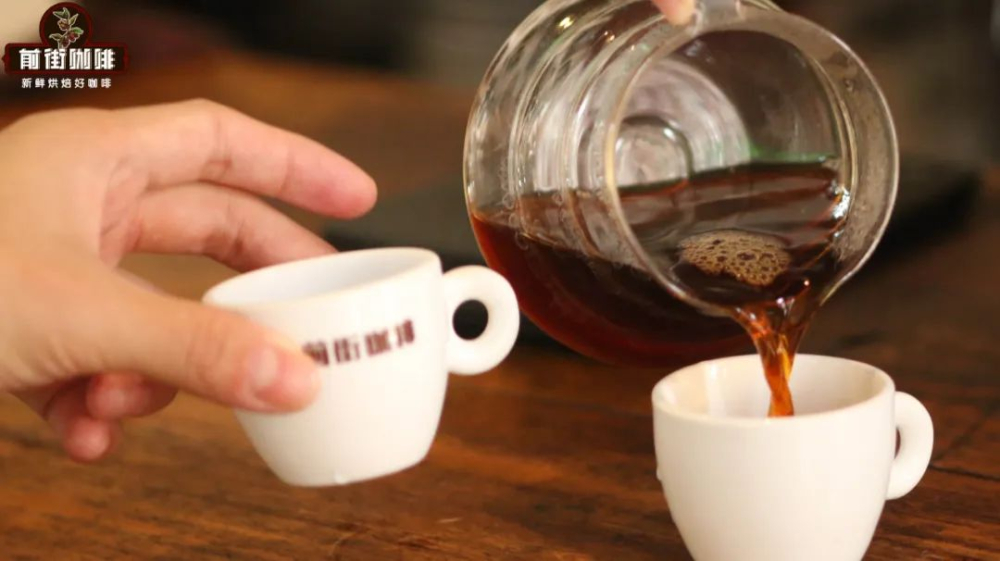
How Temperature Affects Coffee Flavor
FrontStreet Coffee has addressed this before. As coffee moves from hot to cold, two main factors significantly shape its flavor.
First, as the temperature drops, our taste buds become less sensitive to sweetness, so acidity and bitterness stand out more. With most light-roast coffees, which hold fewer bitter compounds, the cooled cup shows particularly strong acidity.
Second, coffee keeps releasing aromatic compounds as it cools. A cooled cup lacks that aromatic dimension, which is why it doesn't taste as good as it did hot.
In theory, reheating can't bring coffee back to the flavor profile it had when freshly brewed. Whether reheated coffee offers a better experience than cold coffee, though, is worth testing.
FrontStreet Coffee's Reheating Experiment
FrontStreet Coffee designed a simple experiment: brew a pot by pour-over, let it cool naturally to room temperature, then reheat it and compare the flavor at each stage.
The coffee chosen was Geisha Village Gold Label Geisha, mainly because it shows rich honey, citrus and floral notes while hot and doesn't develop unpleasant flavors as it cools.
After brewing, FrontStreet Coffee measured the temperature at 70°C and recorded the flavor. After about 30 minutes the coffee had dropped to 37°C, and another tasting sample was recorded. The cooling continued.
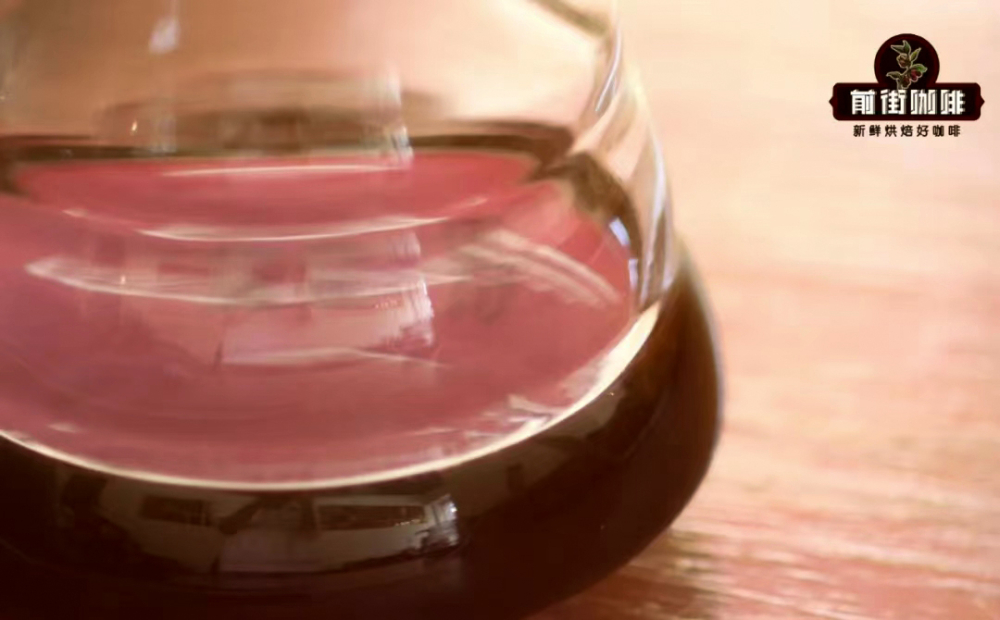
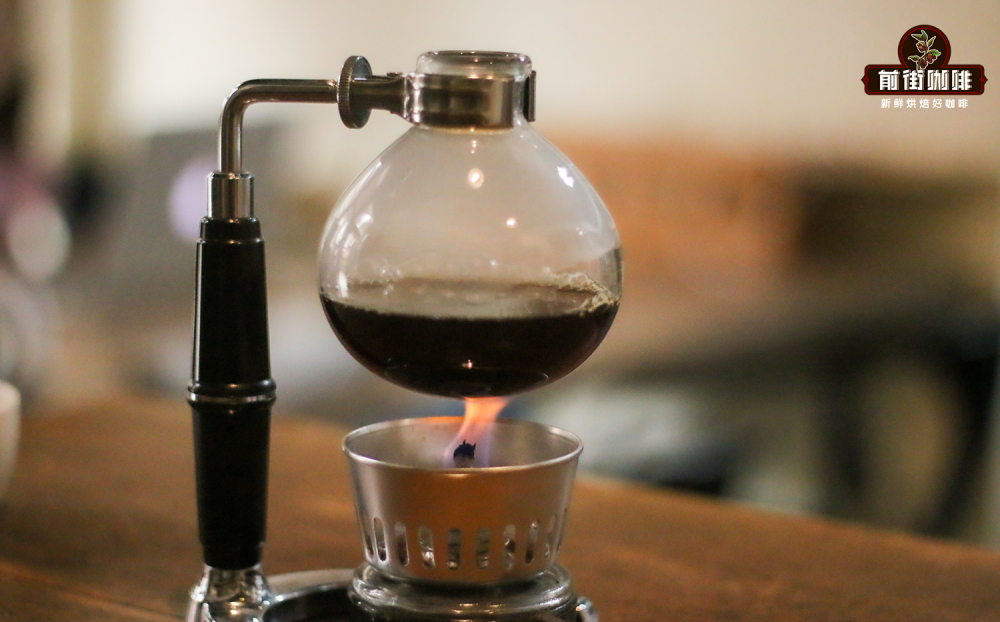
At 1 hour and 20 minutes, the temperature reached 27°C, essentially room temperature. The liquid remained clear and translucent. A small sample was set aside for comparison, while the rest was transferred to a siphon pot and heated with an alcohol lamp to 60°C. That temperature ensured the coffee would be at about 42°C when poured into a cup, matching the optimal drinking temperature for hot coffee.
Flavor at Different Temperatures
Freshly brewed (70°C): rich floral and citrus aromas, with lively citrus acidity.
At 37°C: the coffee felt warm rather than hot. Honey and maple syrup aromas were prominent, with citrus and berry acidity accompanied by a distinct honey-like sweetness.
At 27°C: aromas were less pronounced, with bright citrus acidity and oolong tea character. The acidity stayed clear and bright, with no off flavors.
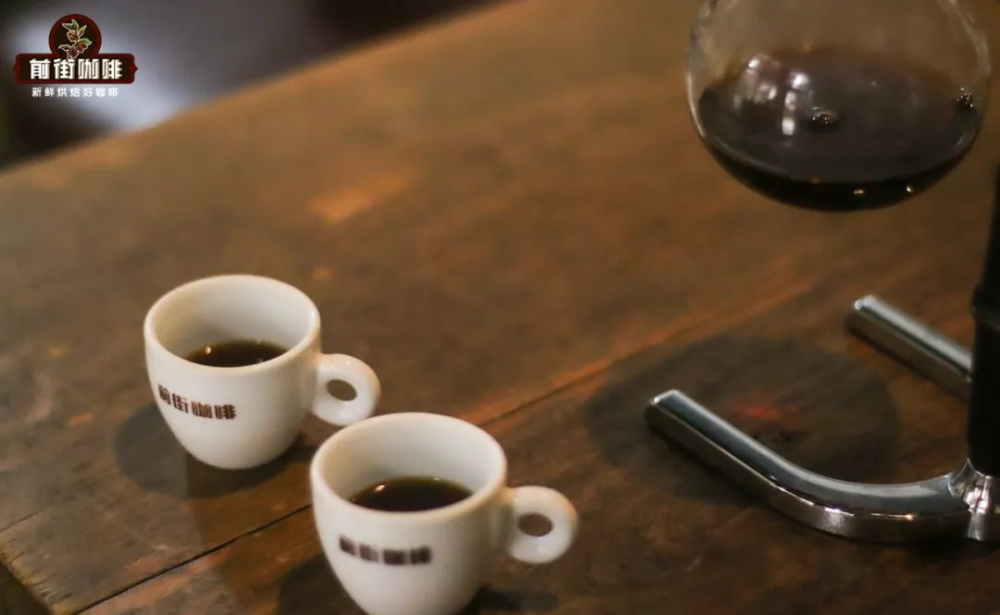
After reheating (60°C): surprisingly, the honey aroma re-emerged. While the flavor didn't match the aromatic complexity of the fresh cup, the acidity was reduced, returning to a pleasant berry-like sweet-tart balance. No off flavors appeared.
Conclusions and Limitations
These results suggest that reheating cooled coffee can tame excessive acidity. This experiment had one limitation, though: FrontStreet Coffee used relatively high-quality beans that hold up well even when cooled.
To test that, FrontStreet Coffee ran a follow-up using Guatemalan Huehuetenango beans. This coffee shows pleasant lemon, berry and nut notes while hot, but develops an unpleasant lemon-peel astringency and heavy smoky flavors once fully cooled.
FrontStreet Coffee applied the same method to see whether reheating could improve the flavors once those undesirable characteristics appeared. After 1 hour and 30 minutes, the coffee had cooled completely. The liquid looked somewhat cloudy, and tasting confirmed lemon-peel astringency, almond bitterness and smoky sensations.
When FrontStreet Coffee reheated the coffee to 60°C for tasting, the astringency and smokiness improved somewhat, but the almond bitterness remained, becoming even more pronounced when hot. This bitterness comes from chlorogenic acid lactones. Coffee can turn cloudy in two situations: first, when a drop in temperature makes substances previously dissolved in the liquid become insoluble, which reheating can fix; second, when excessive chlorogenic acid is released, because while chlorogenic acid is water-soluble, its breakdown product chlorogenic acid lactone is poorly water-soluble, and that condition can't be resolved by raising the temperature.
In short, if you're simply trying to fix a cooled cup that has turned too acidic, reheating is a workable solution. If you want to restore it to a genuinely better taste, the result depends on the beans themselves.
FrontStreet Coffee Recommendation
Since this experiment leaned on a top Geisha, it's worth knowing which ones FrontStreet Coffee carries. The most prestigious is FrontStreet Panama Esmeralda Red Label Geisha, known formally as Esmeralda Special: it grows between 1,600 and 1,800 meters, every batch must cup above 90 points, each lot carries its own number and comes from a single small plot. The Green Label bottling, originally Private Collection, blends lots from several plots to express the estate's signature high-altitude Geisha character at a friendlier price.
For newcomers exploring "Geisha flavor," FrontStreet Boquete Geisha from Panama is the entry point, offering classic orange-blossom honey and oolong-tea notes with delicate fruit acidity and clear layering at a modest price. And if you want a Geisha you can brew every day, FrontStreet Strawberry Candy blends Costa Rica honey-processed coffee with Panama Geisha for delicate florals and sweet fruit that works in pour-over, moka pot, espresso machine or cold brew.
Important Notice :
FrontStreet Coffee is a long-established specialty coffee roaster in Guangzhou China, selling freshly roasted beans from its own farm in Yunnan as well as dozens of carefully selected single-origin beans from around the world for both pour-over and espresso. The products deliver consistently excellent quality and great value, with shipping within 24 hours. Guangzhou's FrontStreet Coffee shop is recommended by many coffee lovers, and the beans are now available online at the Tmall 。
FrontStreet Coffee has moved to a new address:
FrontStreet Coffee Address: 315,Donghua East Road,GuangZhou
Tel:020 38364473
 Scan and follow the En Gafei WeChat official account. Please indicate that the reprint comes from "En Gafei".