
Is Salted Coffee Delicious? Flavor Profile and Taste of Pour-Over Coffee with Salt, Clever Uses of Salt in Coffee
The Magic of Adding Salt to Coffee
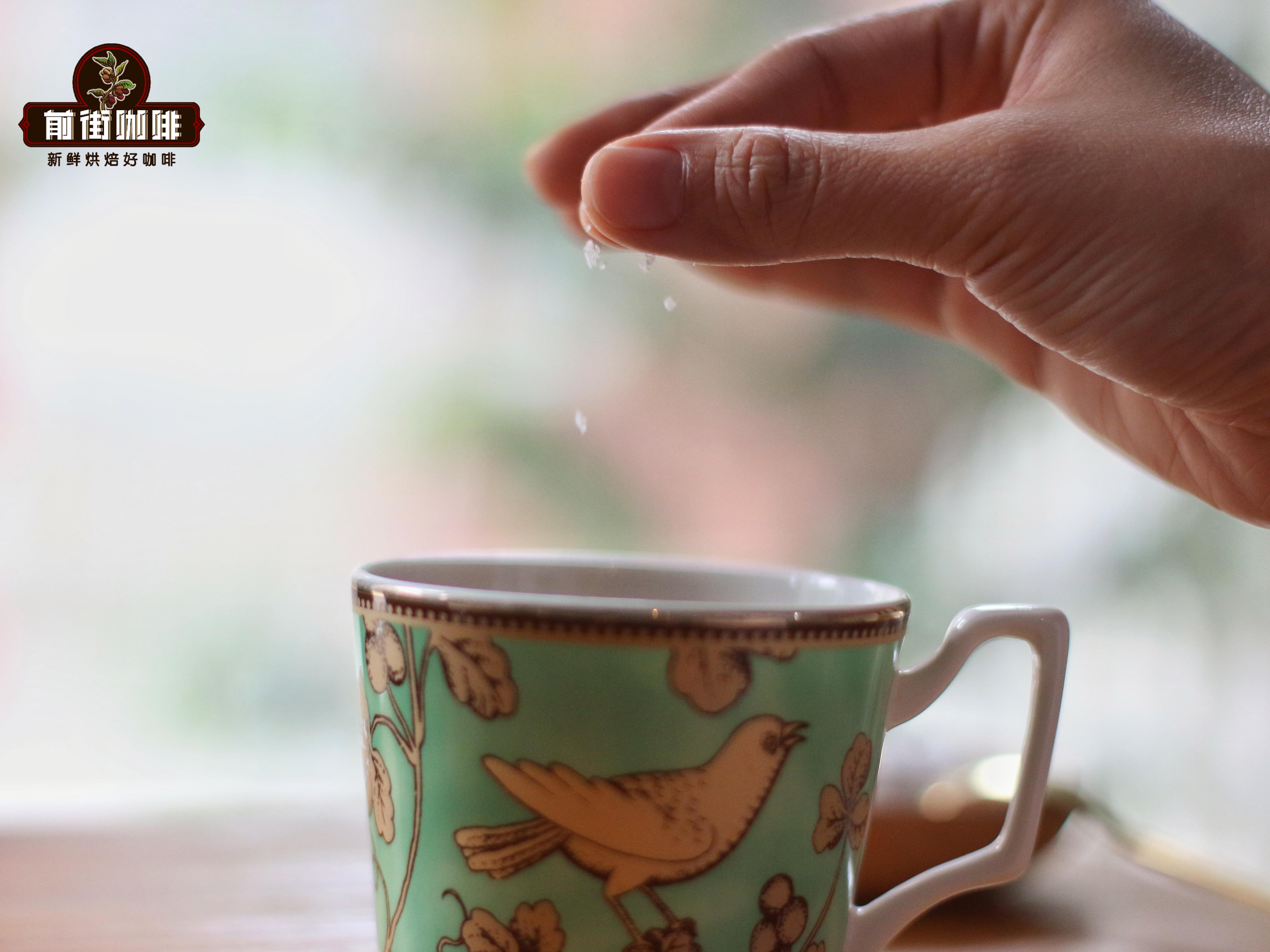
In daily life, salt is an indispensable seasoning that lifts and deepens the flavor of food. But what surprising effects would it have in coffee?
Salting coffee is not some "bizarre" invention; in fact, many regions have long traditions of it. Ancient, mysterious Turkish coffee—beyond its famous fortune-telling culture—also uses salted coffee in marriage customs. When the groom's family comes to propose, the bride adds salt (or black pepper, or ginger powder) to the coffee to test his character. If he drinks it without flinching, the marriage is considered promising.
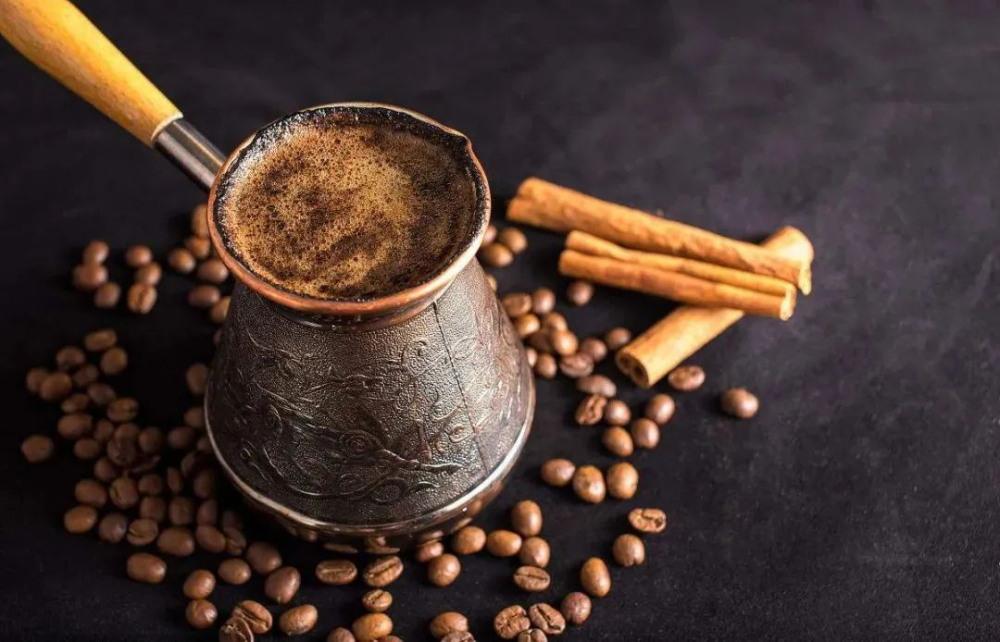
The nineteenth century was when coffee began spreading through Europe's coastal regions, and the coffee of that era could only be described as strong, bitter, and astringent. Bean quality itself was low: people roasted the beans nearly to charcoal, ground them fine, dumped them into a pot of water, boiled the lot, and drank it straight. To soften that palate-assaulting bitterness, they turned to seasonings—and salt was one of the few every household had on hand. (At the time, sucrose was an expensive luxury only aristocrats could afford.) People found that after adding salt, the coffee's bitterness "disappeared," replaced by its sweet aroma.
Even today, some regions keep the habit. In northern Scandinavia, for instance, people add a measured amount of salt during the brew. So how does salt "reduce" bitterness in coffee?

During roasting, coffee undergoes complex decomposition and polymerization reactions, producing a host of compounds at high temperatures—among them, chlorogenic acid lactones and phenylindanes, the primary sources of bitterness. In light roasts, bitterness comes mainly from chlorogenic acid lactones; dark roasts carry the more persistent bitterness of phenylindanes. Of course, bitterness also shifts with extraction—often the result of water that's too hot, a grind that's too fine, a steep that runs too long, or a coffee-to-water ratio that's too low...
When we eat something bitter, our taste buds release calcium ions, which send "bitter" signals to the brain and activate the receptors that perceive bitterness. When salt enters the picture, sodium ions activate and bind with the salt receptors on the taste buds, suppressing our perception of bitterness. Sodium mainly amplifies our perception of other tastes, thereby balancing the overall flavor. In other words, the bitterness doesn't actually vanish—salt simply reshapes our taste perception, boosting sensitivity to sweetness so we "tune out" the coffee's bitterness.
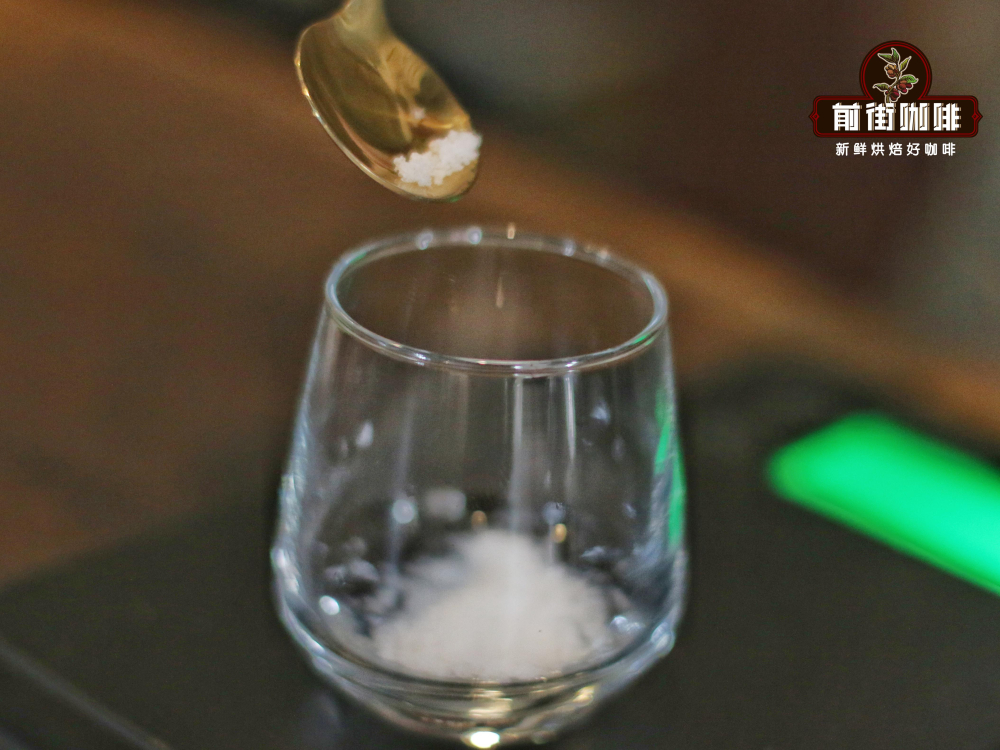
Salt's job is to enhance flavor, not to "steal the show." As many recipes put it: add salt in moderation. But "moderation" has no fixed standard, since everyone's sensitivity to bitterness differs—the right dose depends on how bitter the coffee tastes to you. Everyday fine salt is so concentrated that dosing it directly is hard to control. FrontStreet Coffee therefore mixed salt with water at a 20% ratio to create a salt solution of fixed strength: every 0.1 gram of solution carries 0.02 grams of salt, added to the brewed coffee in small, repeated increments.
FrontStreet Coffee chose a medium-dark roasted Golden Mandheling with relatively strong bitterness, raising extraction rate through the brewing parameters: 15g of grounds, 1:13 coffee-to-water ratio, 91°C water, grind set at 80% pass through a #20 standard sieve, three-stage pouring.
The original coffee liquid came out very concentrated—harshly bitter on entry with obvious off-flavors in the finish. FrontStreet Coffee split 50g of the coffee evenly into three cups, dosing each in 0.1g increments for comparison.
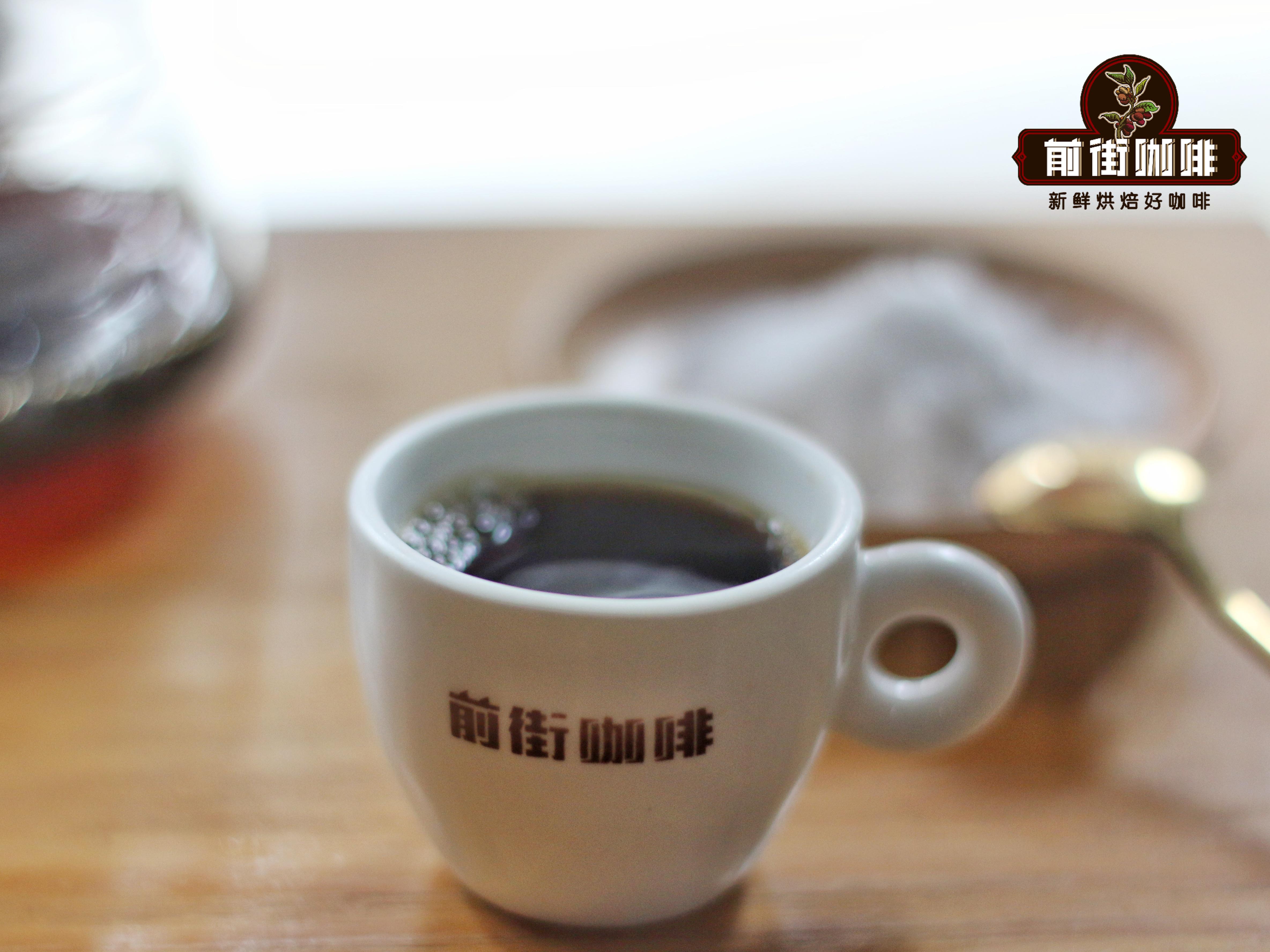
The first cup, with 0.1g of 20% salt solution, showed slightly reduced bitterness—but it still jabbed at the taste buds. The second cup received 0.2g: the taste balanced out, bitterness dropped noticeably, and the coffee became far easier to drink. The third cup got 0.3g: the coffee's bitterness faded, but saltiness took center stage, wrecking the cup's balance.
So yes—0.02g of salt really can rescue this pot of bitter "failed coffee," but controlling the quantity is everything. Too little has no visible effect; too much easily buries the coffee's own flavor. And remember the original purpose: adding salt is meant to soften negative bitterness and enhance flavor. If the coffee itself is fragrant, with sweet, sour, and bitter properly balanced and no heavy or unpleasant edge, forcing salt into the cup may only create discordant flavors.
FrontStreet Coffee Recommendation
FrontStreet Yirgacheffe Godingding
If you'd rather skip the salt trick altogether and brew a naturally balanced cup, start with the FrontStreet Yirgacheffe Godingding—many enthusiasts' gateway into specialty coffee. It brings vivid citrus, berry, and floral aromatics with a green-tea-like sweet finish; its acidity is soft and bright, like fruit itself rather than anything sharp. An easy, forgiving choice for home pour-over.
FrontStreet Ethiopia Huakui
For sweetness without bitterness, the FrontStreet Ethiopia Huakui is hard to beat. One of the specialty market's biggest recent stars, it leads with tropical fruit aromatics—strawberry, passion fruit, jackfruit, even lychee—over obvious sweetness and minimal bitterness, smooth and juicy throughout. Many drinkers call it "the coffee that least resembles coffee."
FrontStreet Brazil Queen Estate
For those who enjoy a mellow, low-acid cup, the FrontStreet Brazil Queen Estate delivers excellent balance: rich nut and cocoa aromas with clear caramel sweetness, smooth and never astringent, warm and lingering on the finish. It performs beautifully as pour-over, espresso, or moka pot coffee.
Important Notice :
FrontStreet Coffee is a long-established specialty coffee roaster in Guangzhou China, selling freshly roasted beans from its own farm in Yunnan as well as dozens of carefully selected single-origin beans from around the world for both pour-over and espresso. The products deliver consistently excellent quality and great value, with shipping within 24 hours. Guangzhou's FrontStreet Coffee shop is recommended by many coffee lovers, and the beans are now available online at the Tmall 。
FrontStreet Coffee has moved to a new address:
FrontStreet Coffee Address: 315,Donghua East Road,GuangZhou
Tel:020 38364473
 Scan and follow the En Gafei WeChat official account. Please indicate that the reprint comes from "En Gafei".

