
What is the Tea-like Sensation in Pour-over Coffee? How to Describe Coffee Flavor and Mouthfeel
Many coffee flavor descriptions lean on tea-related adjectives, sometimes naming specific teas outright. That has led some readers to tell FrontStreet Coffee, "Some coffees taste just like tea, nothing like coffee at all!" What they are describing is really the tactile sensation the coffee leaves on the tongue.
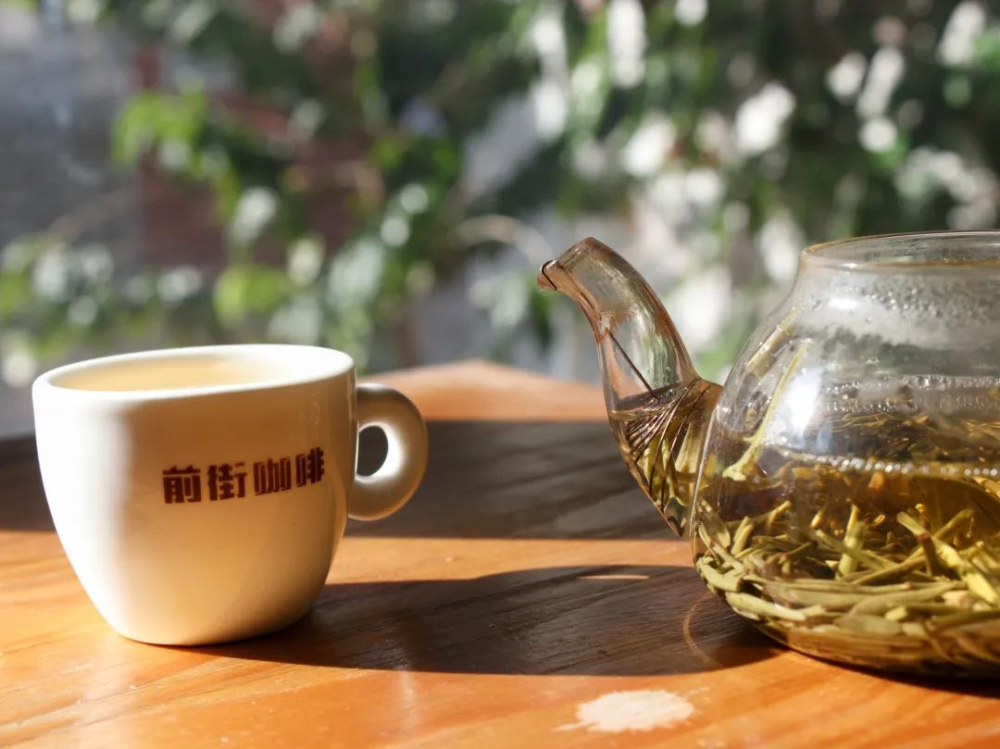
What is Tea Sensation?
When you drink tea, the polyphenols in the infusion are the main substances behind its mouthfeel. Tea polyphenols are among the primary components that create tea's color, aroma, and flavor, and how they change during brewing shapes the drinking experience. Among these polyphenolic compounds, tea tannins, which make up the largest share, are what give tea its rich, aromatic character while producing a "rough" sensation in the mouth, which is what we usually call tea sensation.
Why Does Coffee Have Tea Sensation?
When tasting a cup of coffee, we mostly combine flavor and aroma, describing various characteristics in terms of foods we have met before, both through the olfactory impression before drinking and the retronasal perception after swallowing.

When FrontStreet Coffee tastes a washed Esmeralda Special Geisha, for instance, we detect rich, delicate aromas with a sweet and mellow aftertaste, much like drinking Tieguanyin tea. So even though tea may not appear explicitly on the flavor wheel, we can still identify various tea sensations in coffee.
When coffee carries a slight astringency alongside certain aromas in the cup, it also recalls the experience of drinking tea. "Astringency" generally describes a texture brought by food rather than a taste itself. When phenolic compounds in coffee contact the skin inside the mouth, they create a puckering, drying sensation, similar to what you feel when eating a raw persimmon.
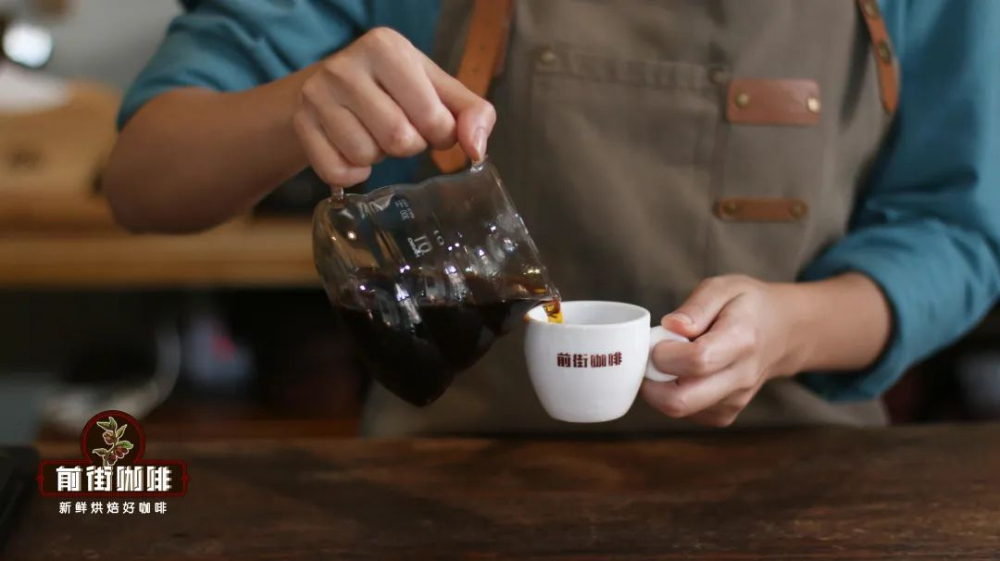
Bitter, irritating astringency can bring an unpleasant experience when tasting coffee, but there is also a "good" astringency that enriches the coffee's complexity. The slight bitterness of citrus peel, for example, combined with coffee's sweet and sour flavors, creates a mouthfeel similar to pomelo tea.
Back to the point our reader raised: coffee "doesn't taste like coffee," in FrontStreet Coffee's view, because medium-light roasts produce higher acidity with less bitterness, and the rich coffee aromas remind us of teas we have had before.
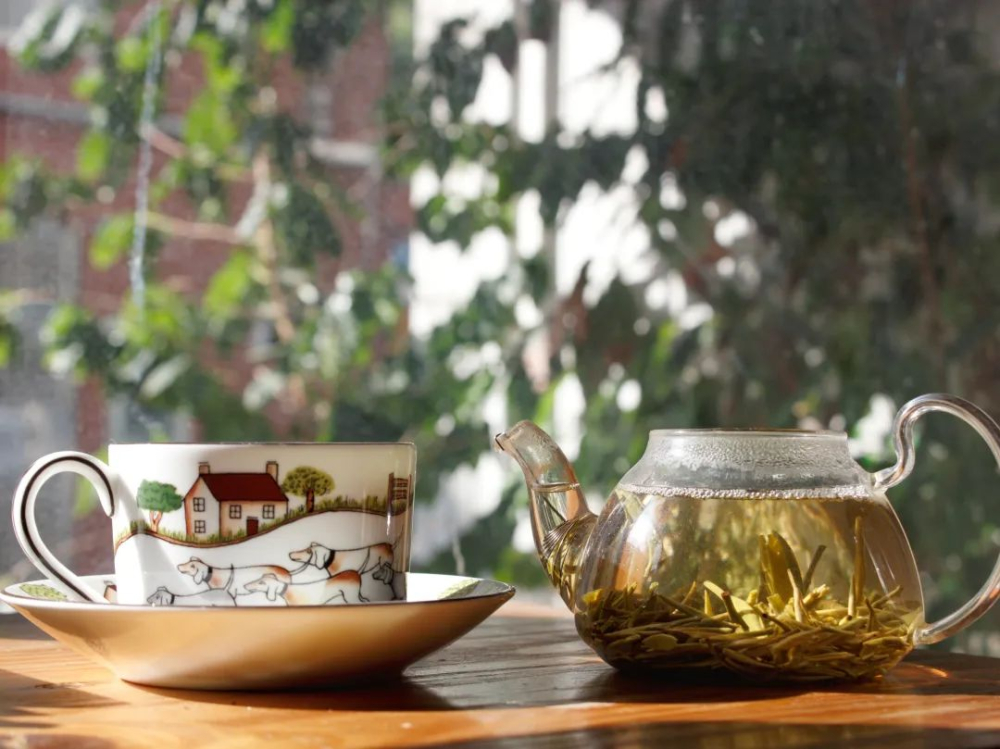
What Tea Flavors Can Be Found in Coffee?
Each type of tea has its own characteristic base aroma profile. Green tea is fresh and clean, black tea carries fruity and honey-like aromas, and oolong combines floral-fruity notes with roasted aromas. When tasting coffee, the combination of aroma, aftertaste, and the degree of sweetness that returns in the mouth can remind us of specific "tea flavors."
When FrontStreet Coffee tastes a washed Yirgacheffe Gedeb, we find delicate floral aromas and a clear sweetness that recalls white flower notes, much like unfermented green tea.

Natural-processed Yunnan Typica, which keeps the fruit pulp and ferments it together under the sun, lets the beans absorb more fermented aromas. FrontStreet Coffee tastes sweet, mellow aromas with a solid aftertaste, presenting the mouthfeel of fully fermented black tea.
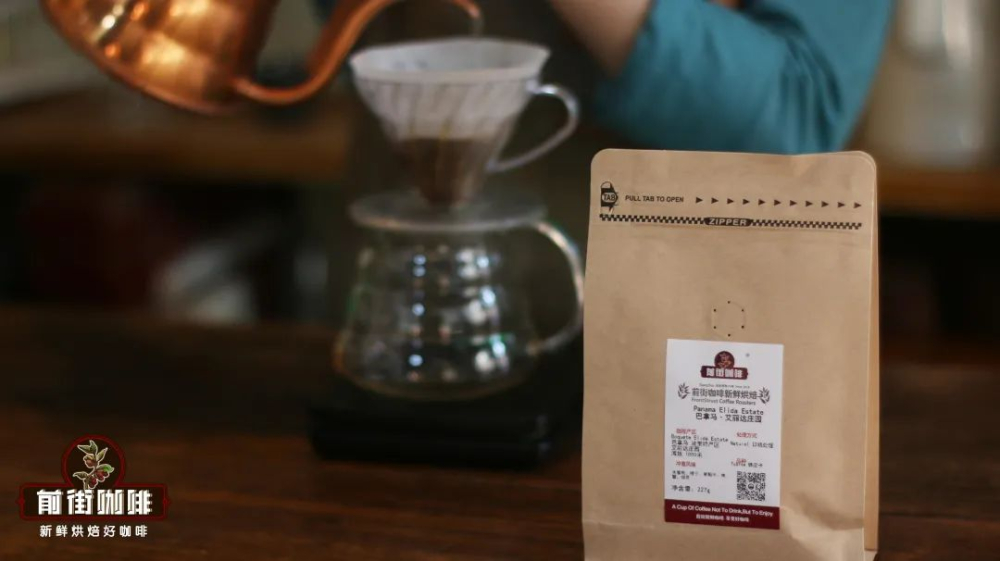
Many coffees with floral and fruity notes readily remind us of the smooth texture of oolong tea. Natural-processed Panama Elida Estate Geisha, for example, offers rose and honey peach-like sweetness with elegance and abundant charm, presenting the rich yet delicate aromas characteristic of lightly fermented oolong.
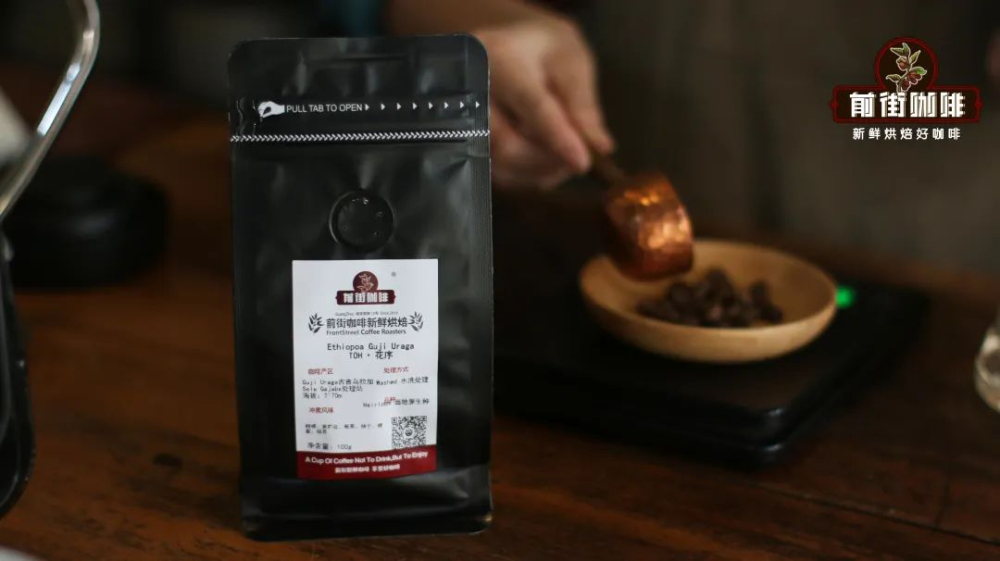
Beyond traditional teas, some complex flavors in coffee also call up memorable tastes. When FrontStreet Coffee tasted the TOH Washed Category champion bean from Ethiopia's Guji Uraga, the full-bodied sweet-and-sour citrus juice and pomelo peel fruitiness mixed with oolong's returning sweetness were much like drinking a warm honey pomelo tea.
Coffee flavors appear in endless variations because each person's sensory memory is different. China's tea culture runs deep, so when we meet premium aromas and "familiar" mouthfeels in coffee, we instinctively describe them in terms of tea sensation and tea aroma.
FrontStreet Coffee Recommendation
If it is that tea-like elegance you are after, Geisha is the place to look. For newcomers who want to sample the celebrated "Geisha flavor" without splurging, FrontStreet Boquete Geisha from Panama is the entry point: it delivers the classic Panamanian orange-blossom honey character, an oolong-tea sensation, and delicate fruit acidity with clearly separated layers at a friendly price.
To go a step further, FrontStreet Esmeralda Green Label Geisha, known by its original name Private Collection, is blended from batches across several plots rather than stressing detailed plot information, expressing the signature high-altitude Geisha character of the estate while keeping the price more accessible. The estate's Red Label line, by contrast, is picked from single plots and must cup above 90 points.
And for a floral, citrus-led cup from the birthplace of coffee itself, FrontStreet Genlana Gesha comes from the Genlana Gesha farm in Yirgacheffe, one of the rare estates growing a single variety. Hand-picked ripe cherries are sun-dried on raised beds for 14-20 days depending on the weather; medium-light roasted, the cup shows bright citrus acidity, elegant ginger lily aroma, and the full sweetness of ripe fruit with a fine, silky body and the delicate finish typical of the Geisha variety.
Important Notice :
FrontStreet Coffee is a long-established specialty coffee roaster in Guangzhou China, selling freshly roasted beans from its own farm in Yunnan as well as dozens of carefully selected single-origin beans from around the world for both pour-over and espresso. The products deliver consistently excellent quality and great value, with shipping within 24 hours. Guangzhou's FrontStreet Coffee shop is recommended by many coffee lovers, and the beans are now available online at the Tmall 。
FrontStreet Coffee has moved to a new address:
FrontStreet Coffee Address: 315,Donghua East Road,GuangZhou
Tel:020 38364473
 Scan and follow the En Gafei WeChat official account. Please indicate that the reprint comes from "En Gafei".

