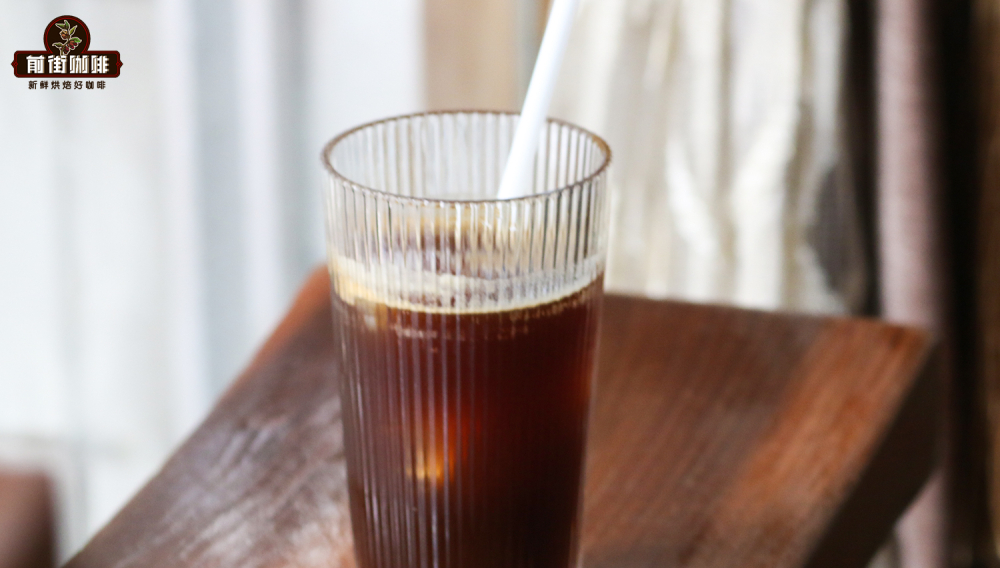
What Affects Coffee Clarity: Reasons for Color Variations in Pour-Over Coffee
What Can Coffee Grounds Tell Us After Brewing?
Once the brew is done, the spent coffee grounds in the filter can tell you a fair amount about whether anything went wrong with the cup. Some people also study the color of the liquid itself - so can you really read any "clues" from that?
Why Is Brewed Coffee Too Dark?
In a transparent glass server, brewed coffee typically shows red, black, or something tea-like in between. Visually, the darker the liquid looks, the stronger the coffee seems to taste.
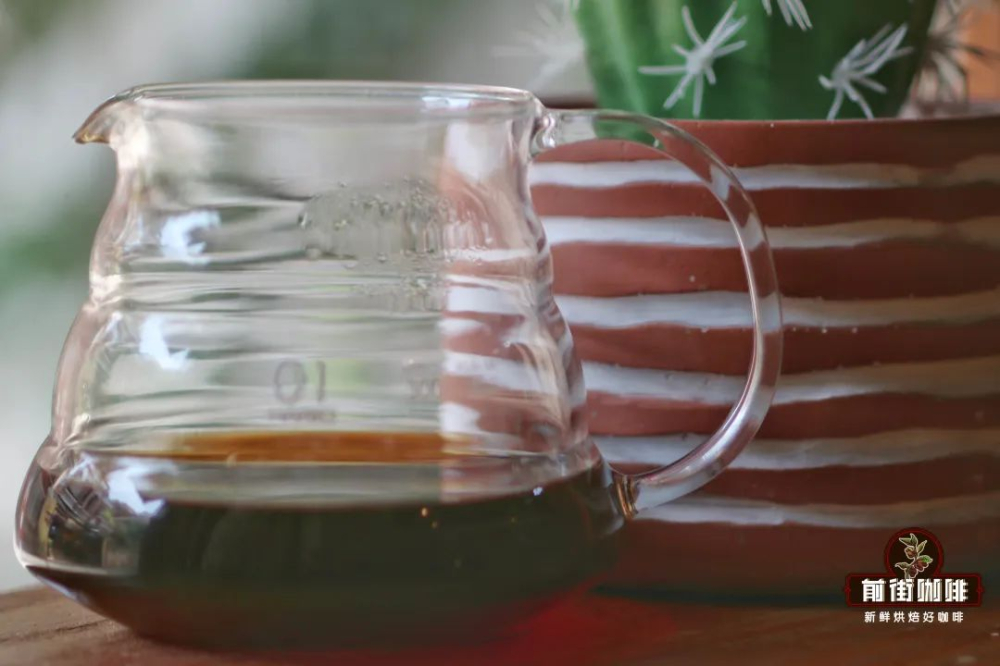
That impression has some truth to it - the higher the extraction rate, the more soluble compounds end up in the cup, and the higher the concentration becomes. Roast level is another factor. It is easy to observe that dark roasted beans brew a far darker liquid than light roasts, and the cup color follows the same pattern.
Does Dark Coffee Color Indicate Cloudiness?
To put this to the test, FrontStreet Coffee brewed two beans with dramatically different roast levels (PWN Golden Mandheling and Geisha Green Label) using identical equipment, method, and parameters.
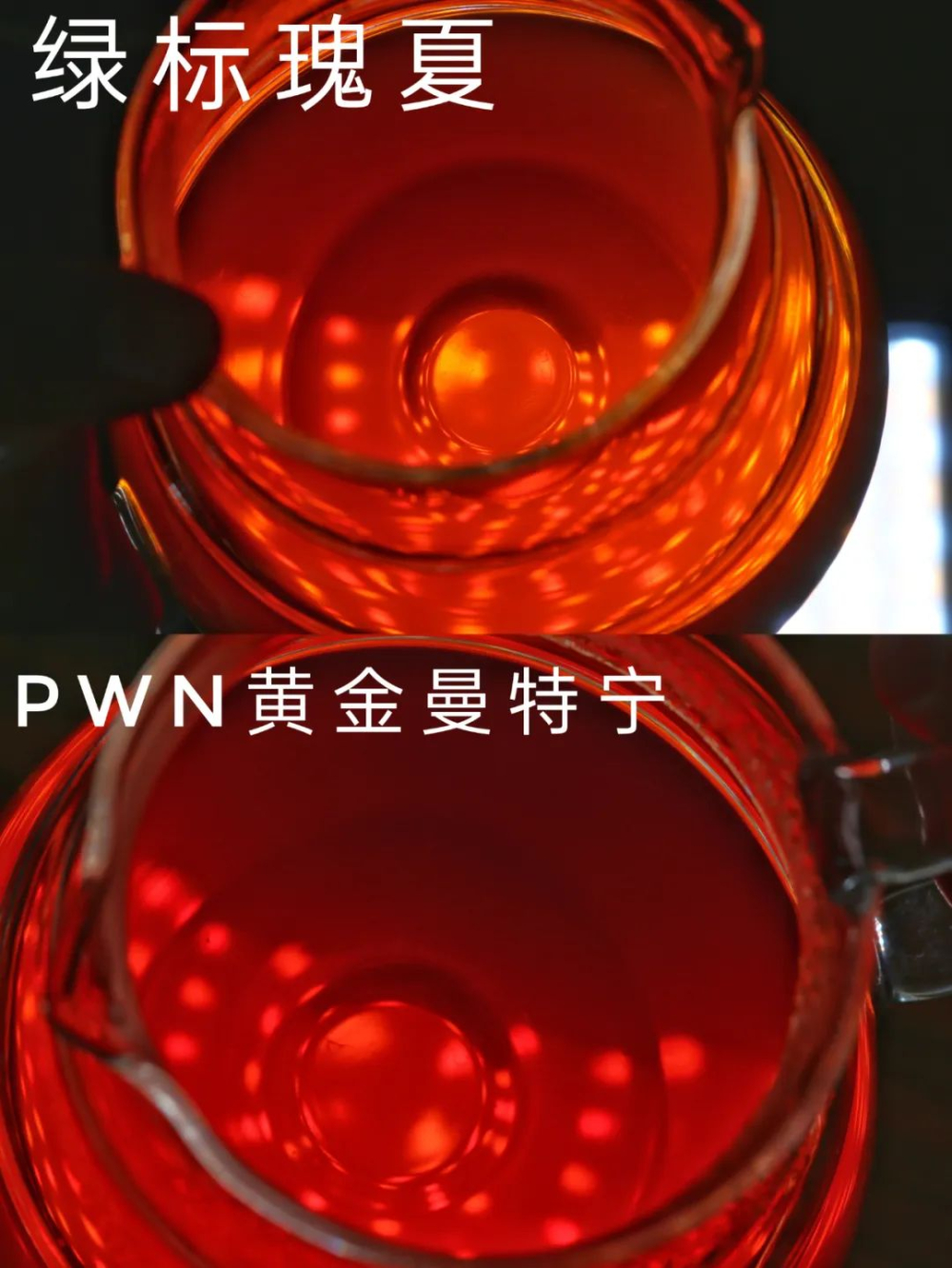
Under the same light, both cups looked perfectly clear, free of any floating particles. Tasted blind, both were clean and bright in flavor as well.
Our eyes easily trick us into "imagining" strength or weakness from color alone. A lighter liquid transmits more light, so we assume light roast coffee is clearer and grade it as "clean" when we sip it, while dark roast looks "murky and turbid" by association.
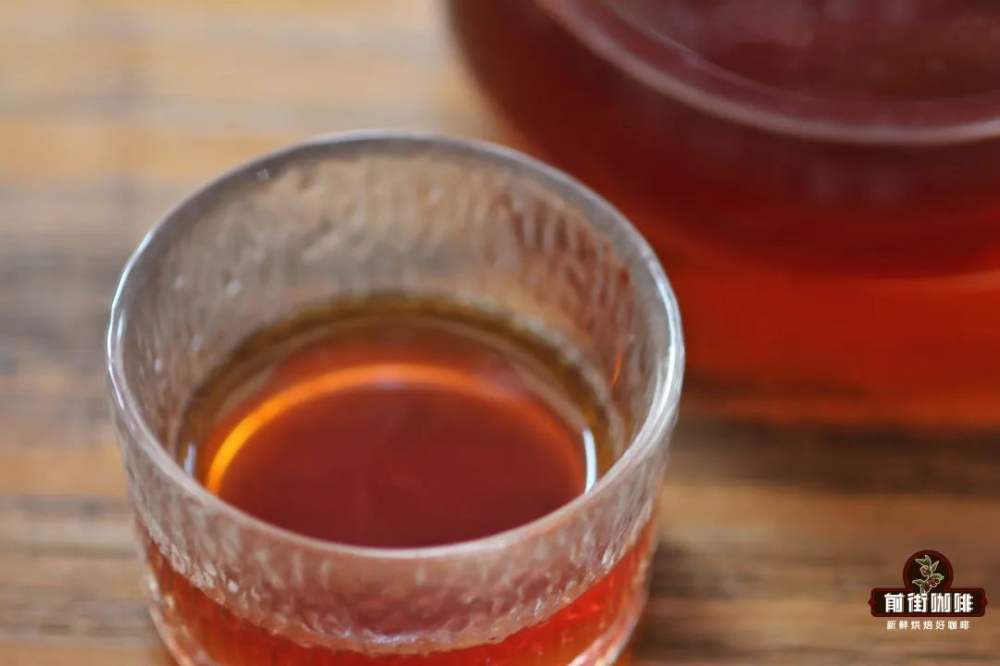
Rather than judging concentration by color, FrontStreet Coffee suggests going straight to the source: assess the cleanliness of a brew by tasting it.
What Is High Coffee Cleanliness?
Cleanliness means flavors that are clear, bright, and transparent, with no defect tastes - no earthiness, no moldy notes, and no over-fermented sensations like rotten fruit.
How to Improve Coffee Cleanliness?
1. Buy High-Quality Coffee Beans
Better beans simply make cleanliness easier to achieve. When the defect rate has been minimized during production, far fewer negative flavors survive into the brewing stage.
2. Let the Beans Rest Before Brewing
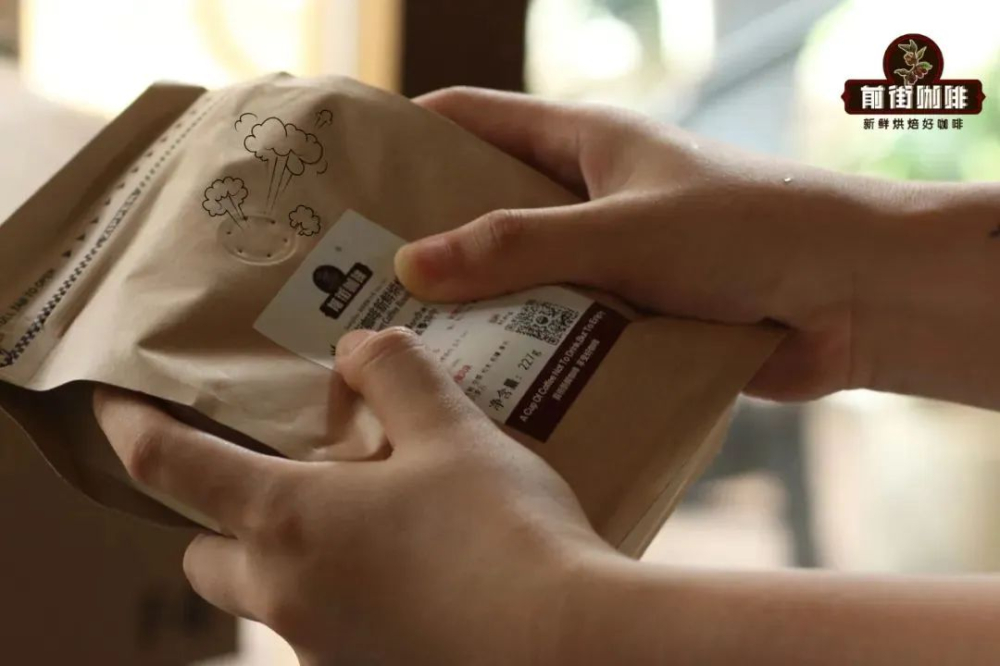
Freshly roasted beans are still degassing. Brewed too soon, the coffee can taste dry and thin because the flavors have not yet "matured," which lowers cleanliness. After receiving a bag of fresh beans, rest them for 4-7 days so the coffee reaches its optimal drinking window before you brew.
3. Control Your Brewing Parameters
A grind that is too fine and full of particles, water that is too hot, or an overly long contact time will all pull large-molecule bitter compounds into the cup and wreck its cleanliness. Every parameter feeds into the negative flavors of a cup - keeping each one in check is the best way to avoid brewing problems.
4. Pour Steadily in Circular Motions
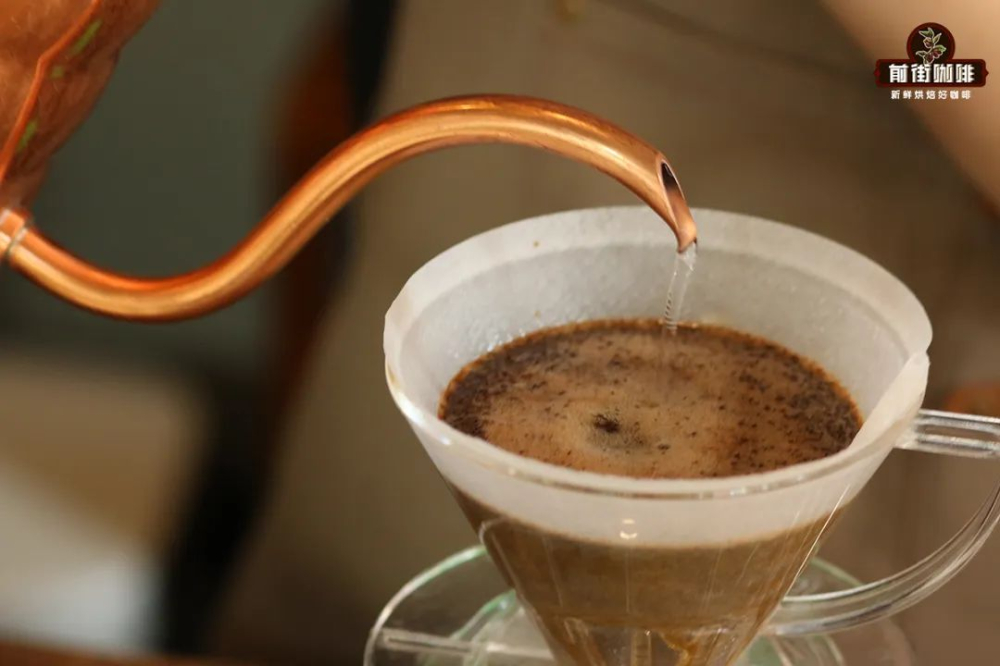
An unstable, overly fast pour "aggressively" stirs the grounds bed and easily causes over-extraction or channeling, which produces bitterness. As long as your parameters are sound, a slow, gentle circular pour is enough to draw out the aromatics - there is no need to agitate harder.
Finally, learning pour-over coffee is a gradual process. If your water flow is unsteady, the only real fix is more practice.
FrontStreet Coffee Recommendation
If you want a bean that exemplifies cleanliness in a dark roast, the FrontStreet PWN Golden Mandheling is hard to beat. It comes from Sumatra's Aceh region around Lake Tawar, uses only beans of screen size 18 and above, and holds each 300-gram sample to fewer than 3 defect beans to meet the top G1 grade - followed by three rounds of hand sorting. The result is an exceptionally clean, sweet cup with rich roasted aroma, caramel and dark chocolate sweetness, and the wild herbal character unique to wet-hulled Mandheling.
For brewing it at home, FrontStreet suggests 87-88°C water, 15 g of coffee at a coarse-sugar grind, a 1:15 ratio, and a three-pour method: 30 ml to bloom, 100 ml to build the bed and lift the golden crema, then a final gentle 95 ml center pour to boost sweetness - yielding a full, syrupy body with caramel, chocolate, and nut flavors.
If you prefer to push Mandheling's character through an espresso machine instead, the high-repeat-purchase FrontStreet Classic Blend adds medium-dark Mandheling to creamy Brazilian coffee - butter, roasted chestnut, and caramel notes with sandalwood, herbal, and spice accents - plus a touch of robusta for richer crema, perfect for lattes and Dirty.
Important Notice :
FrontStreet Coffee is a long-established specialty coffee roaster in Guangzhou China, selling freshly roasted beans from its own farm in Yunnan as well as dozens of carefully selected single-origin beans from around the world for both pour-over and espresso. The products deliver consistently excellent quality and great value, with shipping within 24 hours. Guangzhou's FrontStreet Coffee shop is recommended by many coffee lovers, and the beans are now available online at the Tmall 。
FrontStreet Coffee has moved to a new address:
FrontStreet Coffee Address: 315,Donghua East Road,GuangZhou
Tel:020 38364473
 Scan and follow the En Gafei WeChat official account. Please indicate that the reprint comes from "En Gafei".