
Why Does Pour-Over Coffee Taste Sour and Lack Flavor? How to Brew Delicious Pour-Over Coffee?
Why Can't I Brew the Flavor Described on the Coffee Package?
Here at FrontStreet Coffee, enthusiasts often drop by to compare notes. Many of them buy beans to brew at home first, then order a pour-over made with the same beans at our shop, and compare what our baristas produce with what they managed themselves.
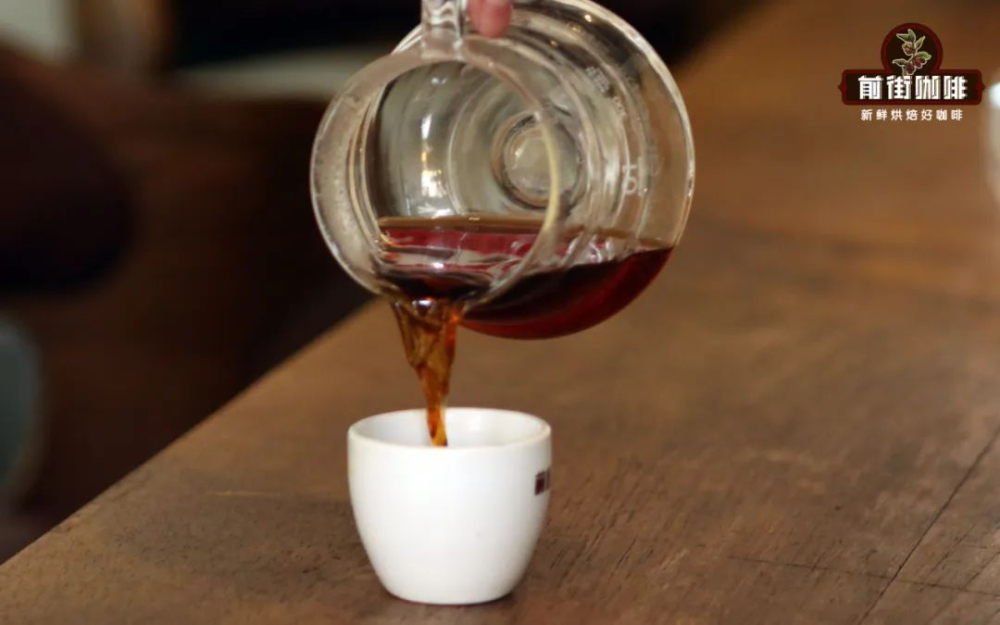
Some discover that no matter what they do at home, they simply can't reach the flavor descriptions printed on the bag — so they come to FrontStreet Coffee to figure out what's going wrong. We've collected the most common issues and identified the likely causes.
Coffee Bean Flavor Period
First, a quick word on what "flavor" means. Flavor isn't the same as taste — it's a sensory experience that combines aroma and taste, which is why our brains read it as a specific, concrete impression.
That impression depends heavily on the beans' flavor period. A typical bag of coffee carries a 365-day shelf life but only a 45-day flavor period, plus a roast date. The shelf life tells you when the coffee is still safe to drink; the flavor period is the window when the beans perform at their best. Past it, the distinct flavors fade and you're left with just generic "coffee taste."
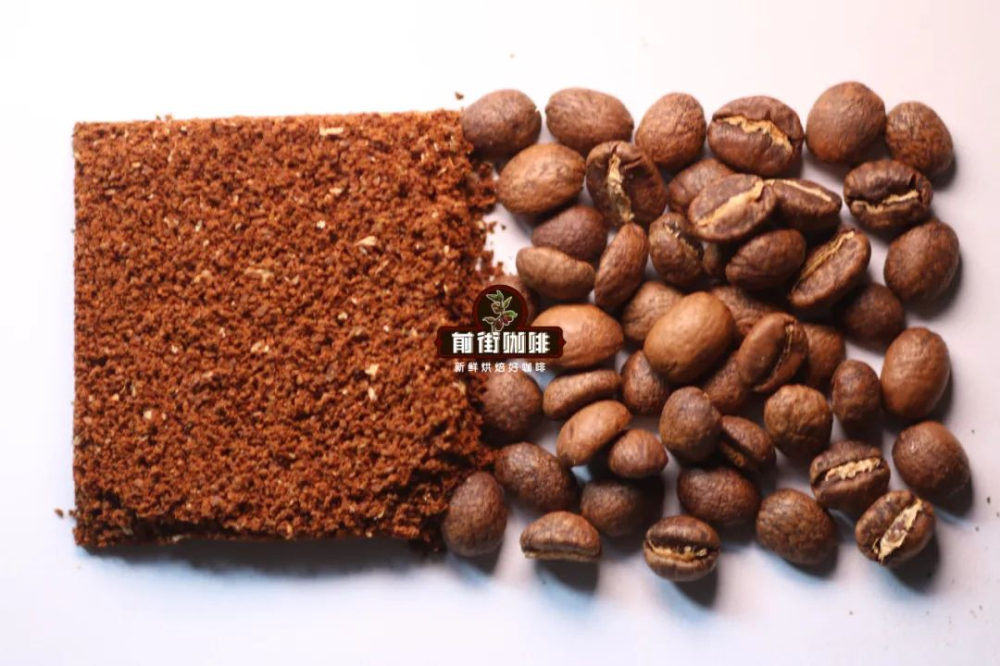
We know plenty of enthusiasts who stock up on several bags at once but don't brew often, and the beans blow past their flavor period before they're ever opened. By then the flavor is already gone — no brewing technique can extract what isn't there.
So step one is making sure the beans themselves still have flavor to give. Freshly roasted beans also need a 4-7 day degassing period: right after roasting they hold a lot of carbon dioxide, which hinders extraction. Wait those few days and the flavors come out much more easily.
Carbon dioxide and flavor compounds have a delicate relationship. As CO2 escapes, some volatile aromatics escape with it. That's why the sweet spot — peak flavor — arrives once degassing completes, and why flavors typically start to fade noticeably by day 45. If you want a flavorful cup, watch your dates.
Water Quality
More than 98% of a cup of pour-over is water, so water is itself a critical flavor parameter. We've met enthusiasts who habitually brew with boiled tap water — the problem being that tap water's trace mineral content is unpredictable.
A few widely accepted principles about coffee water:
1. Water with TDS below 100ppm is preferable for brewing. Above 200ppm you're in hard-water territory, and the coffee turns unpleasantly bitter and muddled.
2. Moderate amounts of calcium and magnesium ions actually help produce a delicious cup.
3. Pure water with nothing in it is a poor choice — the coffee tastes hollow.
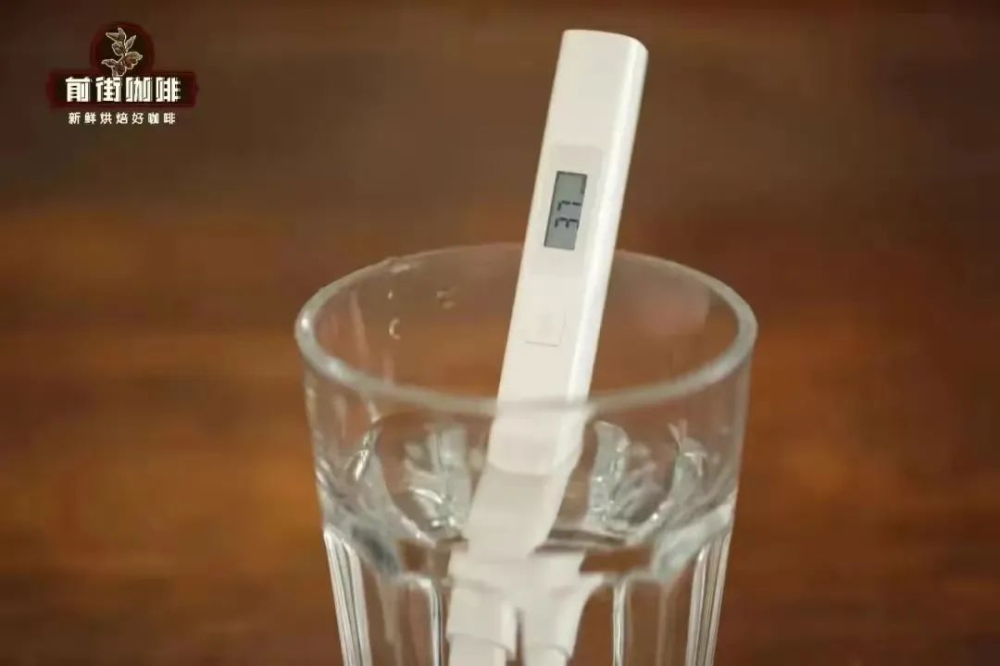
If that's too much to absorb, here's the short version: skip tap water, purified water, and distilled water. Use filtered water or a mineral water that meets the TDS guidelines.
Brewing Process
Many newcomers obsess over pouring technique. In our view, correct parameters matter far more. Those paid courses promising to teach you coffee brewing in 1-2 days mostly just hand you standard parameter ranges plus a forgiving brewing recipe that doesn't demand surgical pouring skills — and within days you're brewing better than before.
The principle is simple. Beginners tend to assume pour-over is hard and grope around in the dark, discovering only more mistakes. Once someone hands you a "standard answer," you have a clear direction for trial and error, and can gradually find a method that suits you.
And that standard answer is simple in principle: an appropriate dose, reasonable water temperature, suitable grind size, proper ratio, adequate time, and a sensible pouring method — and the coffee will be good.
These parameters interact. The dose mostly follows your dripper's recommended capacity — not much to discuss. Water temperature and ratio have fairly settled ranges: 90-93°C for light roasts, with coffee-to-water ratios mostly between 1:15 and 1:16.
Grind size, time, and pouring technique form a triangle you have to balance. First, don't go to extremes on grind. If the water level barely drops and the finished bed looks like mud, you've ground too fine. If the water rushes through and the bed is full of coarse particles, you've gone too coarse. Finer grounds lengthen the brew; coarser grounds shorten it.
Pouring affects time too: a heavy flow shortens the brew, a gentle flow extends it, and more separate pours stretch it further.
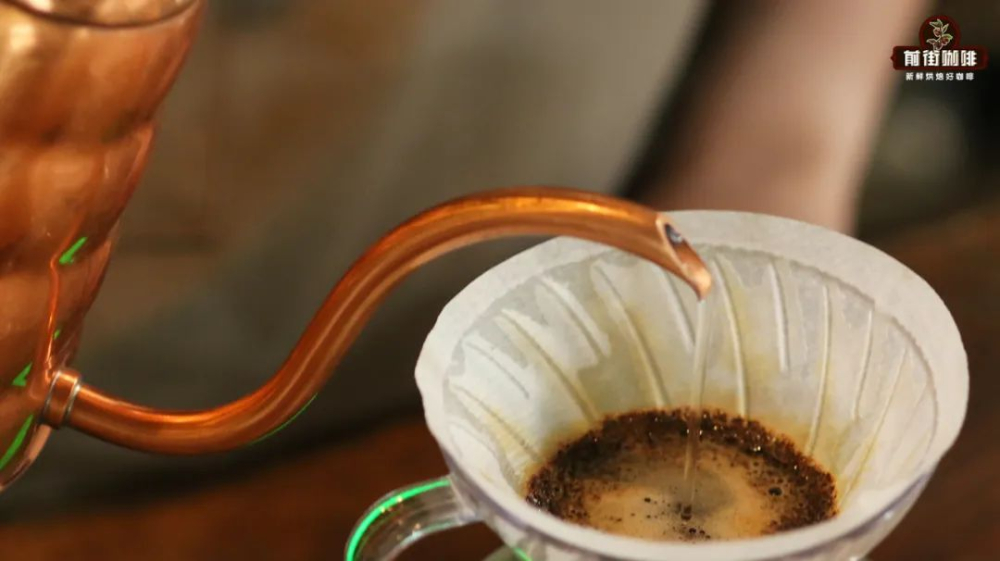
Time is the parameter that tells you whether grind and technique are matched. If your coffee often tastes thin and under-flavored, and the ratio is already right, your brew is probably ending before extraction finishes. Not sure about your grind? Set a target of 2 minutes total brew time split across 3 pours. If you land around 2 minutes, your grind and technique are in balance.
Good beans, good water, and a sound brewing process will let you extract the flavors that are actually in the coffee. Chasing truly exceptional flavor, of course, takes deeper study.
FrontStreet Coffee Recommendation
All of this starts, naturally, with beans that are fresh and inside their flavor window. If you brew on a V60 and love the floral-fruit spectrum, FrontStreet Coffee's Yirgacheffe Guodingding is the classic first stop for pour-over newcomers: bright but gentle citrus and berry acidity, jasmine florals, and a green-tea-like sweetness that reads as fruit rather than harsh sourness. For a bigger fruit bomb, the FrontStreet Natural Huakui from Ethiopia bursts with tropical aromas — strawberry, passion fruit, jackfruit, even lychee — with high sweetness, almost no bitterness, and a juicy, smooth body that has earned it the title of "the least coffee-tasting coffee."
On the other end of the spectrum, if your palate leans toward classic depth, the FrontStreet PWN Golden Mandheling (dark roast, herbal and dark chocolate with a whisper of earth) and the FrontStreet Brazil Queen Estate (low acid, nutty-cocoa, with clear caramel sweetness and an exceptionally smooth body) both brew beautifully in a V60 and shine in espresso and moka pot too — a reliable everyday base for any brewing repertoire.
Important Notice :
FrontStreet Coffee is a long-established specialty coffee roaster in Guangzhou China, selling freshly roasted beans from its own farm in Yunnan as well as dozens of carefully selected single-origin beans from around the world for both pour-over and espresso. The products deliver consistently excellent quality and great value, with shipping within 24 hours. Guangzhou's FrontStreet Coffee shop is recommended by many coffee lovers, and the beans are now available online at the Tmall 。
FrontStreet Coffee has moved to a new address:
FrontStreet Coffee Address: 315,Donghua East Road,GuangZhou
Tel:020 38364473
 Scan and follow the En Gafei WeChat official account. Please indicate that the reprint comes from "En Gafei".

