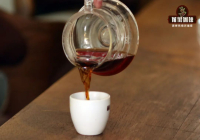
Is it Normal for Espresso to Have Sediment? What Causes Coffee Residue in the Cup?
Understanding Sediment in Espresso Shots
A reader recently asked FrontStreet Coffee, "I've been noticing some black particles settling at the bottom of my espresso shots lately. Is this normal?"
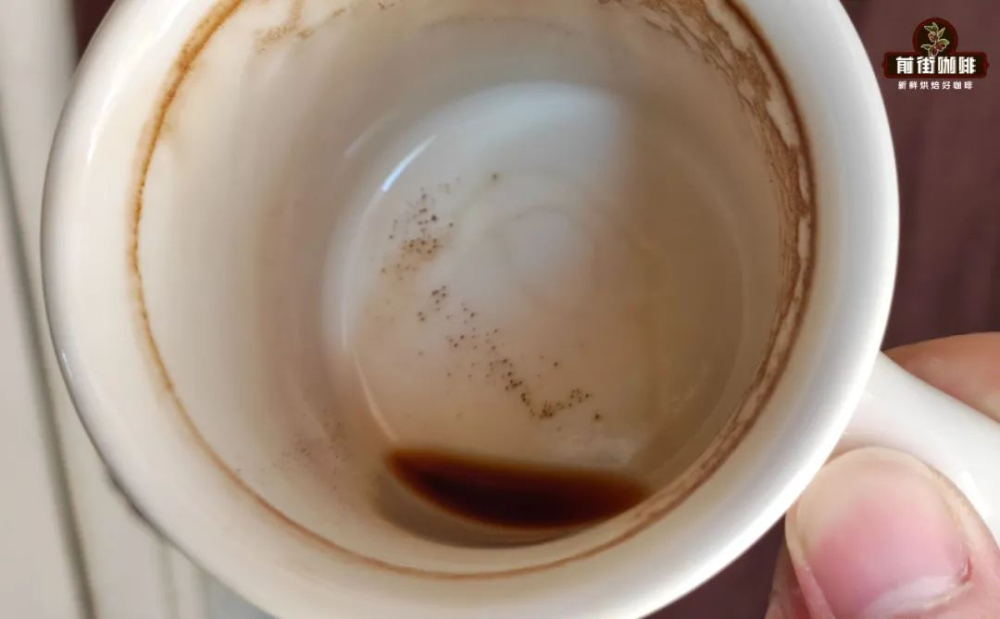
It may look odd, but it's actually completely normal. Those black particles settling at the bottom of an espresso are simply coffee grounds that have slipped through the holes of the portafilter basket. A small amount of coffee particulate in a shot is nothing to worry about.
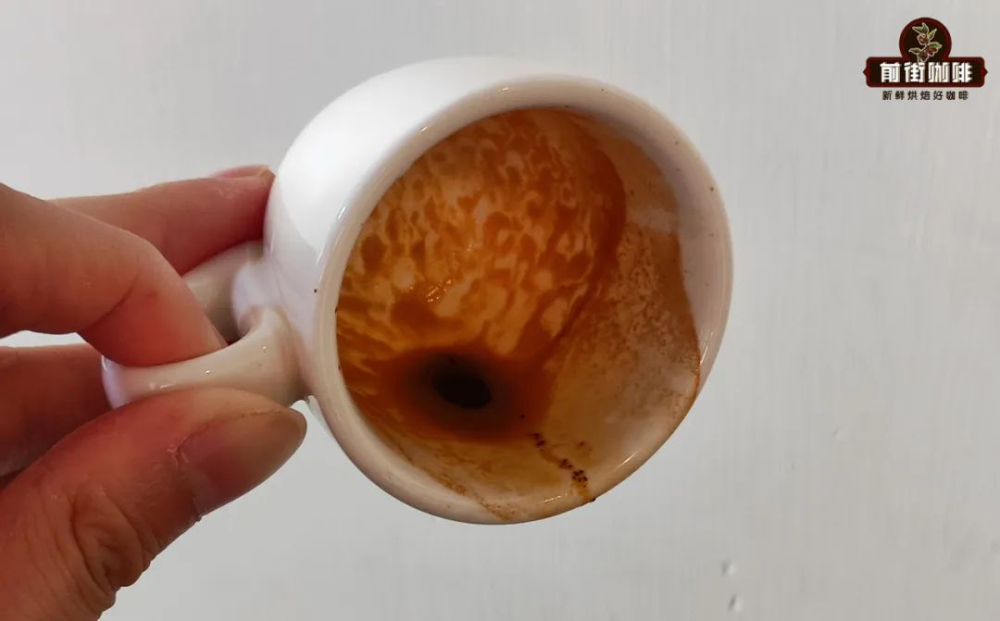
Why Does This Happen?
Filter paper, as we know, currently offers the finest filtration of all, blocking both solid particles and oils to produce coffee with the highest clarity. An espresso portafilter basket works differently: it's essentially a metal disc pierced with tiny holes that acts as a filter. Hold a basket up to the light and you'll see those mesh openings glowing through.
Under pressurized extraction, some fine particles inevitably pass through those small holes and end up in the liquid.
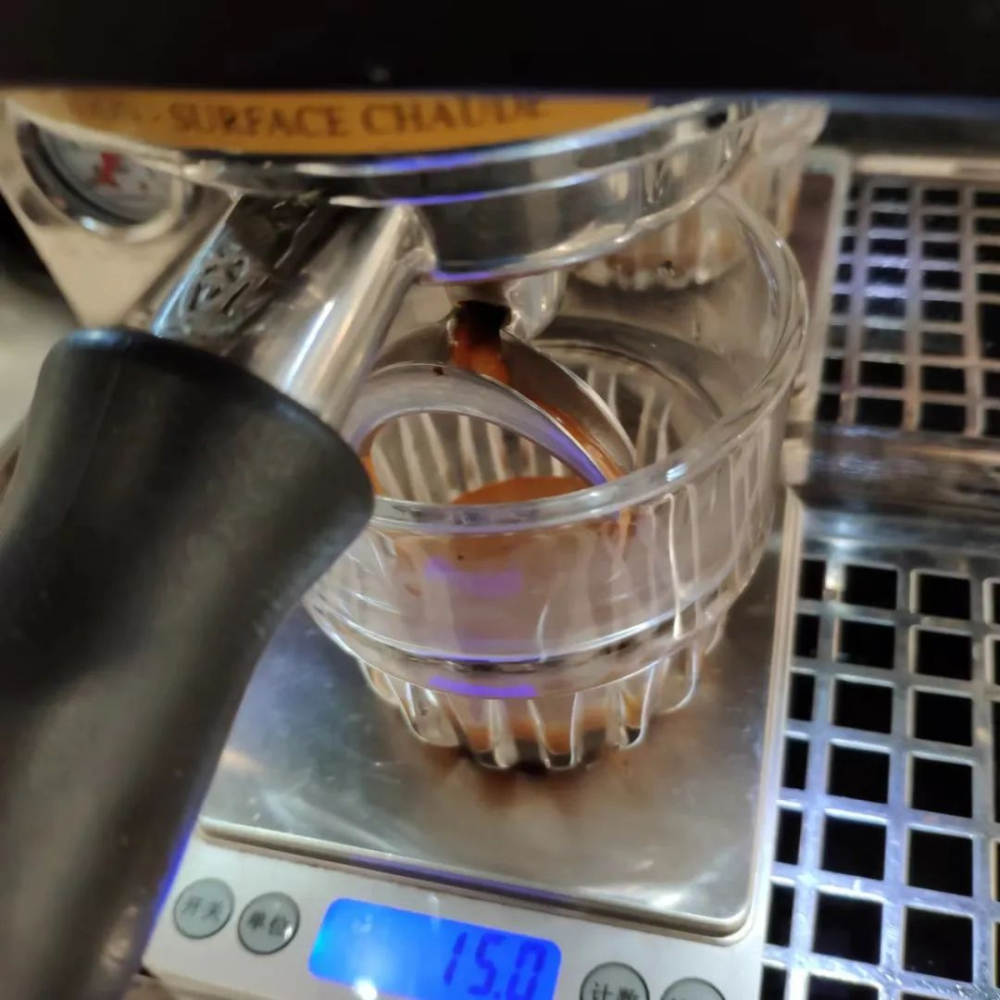
Fine Particles in the Crema
You may have heard of "tiger-stripe crema," those dark streaks floating across an otherwise golden layer, resembling the markings of a tiger. Those dark streaks are actually extremely fine coffee particles that passed through the portafilter mesh and into the cup. Leave the shot to sit until the surface crema dissipates, and the particles will settle to the bottom.
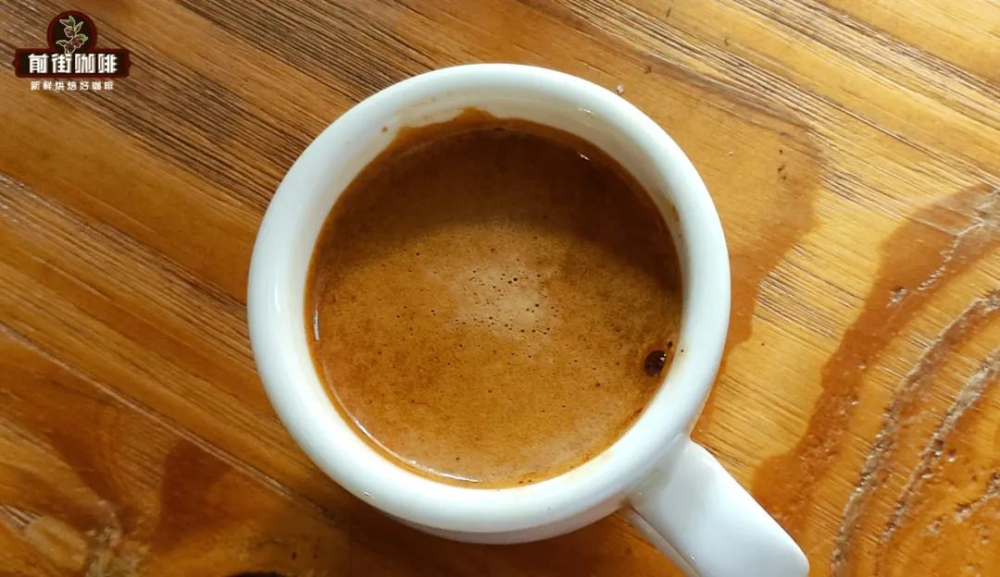
The presence of tiger-stripe crema doesn't necessarily signal a badly extracted shot, nor does it mean the shot is exceptionally good. It simply looks distinctly different from typical crema, but by any quality measure, tiger-stripe crema is still perfectly normal.
Why Am I Suddenly Noticing Sediment in My Espresso?
Back to our reader's question: judging by how it was phrased, this wasn't happening before and has only appeared recently, which is what makes it feel unusual. FrontStreet Coffee has narrowed down a few likely explanations.
It Was Always There - You Just Didn't Notice
Fine particles that drop into the cup don't sink immediately; they take roughly 4-5 minutes to settle. When you drink an espresso straight down in one go, most of those particles go down with the liquid, leaving the cup looking clean. And this tiny amount of particulate won't affect the taste or pose any health risk.
With drinks like an Americano, however, the volume is larger and it takes several minutes to finish in smaller sips, so the particles are far more likely to collect at the bottom. As you near the end of the drink, the sediment becomes visible.
The Coffee Is Ground Too Fine
If you're seeing an unusual amount of sediment, the culprit may be a grinding parameter that's off, specifically too fine. When dialing in espresso grind, we usually follow the balance of ratio and time: if the extraction ratio is right and the time is right, then the grind setting is appropriate.
FrontStreet Coffee offers an example: suppose we all use a 1:2 coffee-to-liquid ratio with a 30-second target as the yardstick for grind size.
At a grind setting of 2.0, 20g of coffee yields 20g of liquid in 30 seconds;
At a grind setting of 1.7, 18g of coffee yields 36g of liquid in 30 seconds.
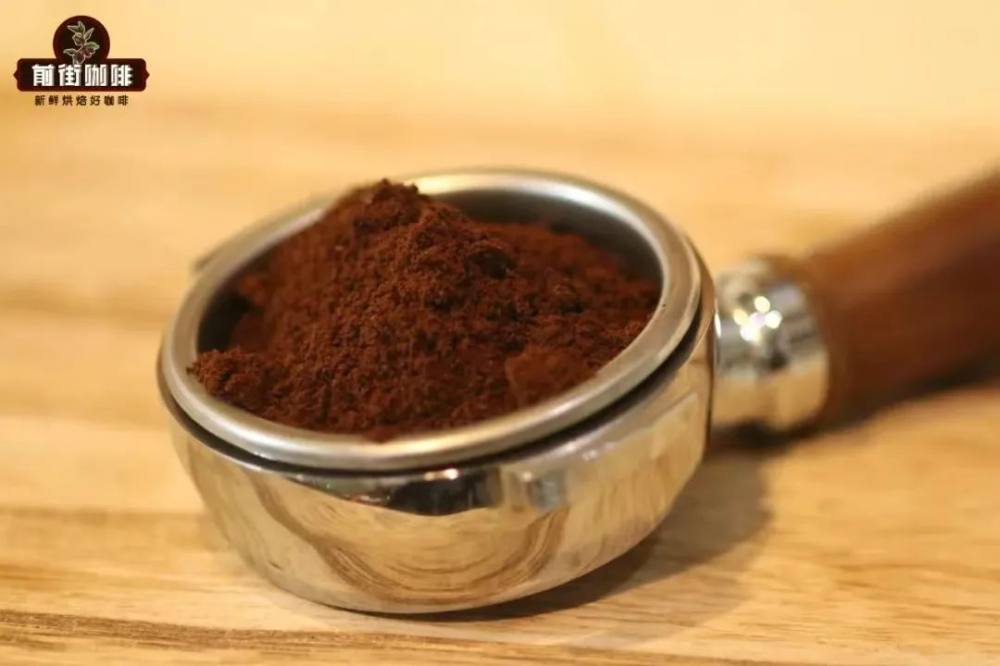
In other words, with less coffee in the basket, keeping the same extraction time requires grinding finer. And the finer the grind, the higher the odds that coffee particles slip through the mesh and settle at the bottom of the cup.
A Deformed Portafilter Mesh
Long-term exposure to heat and pressure can enlarge the holes in a portafilter basket. This isn't common and typically only appears after 1-2 years of heavy use. Checking is simple: hold the basket up to the light and see whether any of the tiny holes have grown larger.
FrontStreet Coffee Recommendation
Sediment is usually a matter of grind and equipment, but the beans themselves set the baseline. For a classic, full-bodied shot with a thick, glossy crema, FrontStreet Coffee's Classic Blend is built specifically for espresso and moka pot use. Even beginners working with a modest home machine can pull a dense, velvety crema from it, and it's the foundation behind everyday lattes, cappuccinos, and Dirty drinks. Based on a traditional Mamba-style recipe, it delivers a warm, rich body that seasoned drinkers and newcomers alike find easy to enjoy.
If you'd rather keep costs in check without sacrificing flavor, FrontStreet Coffee's Black Cocoa Blend is the value pick. It's made from 100% Arabica beans, offering generous crema and a smooth, full taste at a friendly price, making it a sensible choice for both beginners and shop owners who want quality and affordability in the same bag.
Important Notice :
FrontStreet Coffee is a long-established specialty coffee roaster in Guangzhou China, selling freshly roasted beans from its own farm in Yunnan as well as dozens of carefully selected single-origin beans from around the world for both pour-over and espresso. The products deliver consistently excellent quality and great value, with shipping within 24 hours. Guangzhou's FrontStreet Coffee shop is recommended by many coffee lovers, and the beans are now available online at the Tmall 。
FrontStreet Coffee has moved to a new address:
FrontStreet Coffee Address: 315,Donghua East Road,GuangZhou
Tel:020 38364473
 Scan and follow the En Gafei WeChat official account. Please indicate that the reprint comes from "En Gafei".