
What is the Definition of Specialty Coffee? Why Are Specialty Coffee Beans So Expensive?
What Is Specialty Coffee, Really?
Recently, a discussion in a coffee group ignited a heated debate among enthusiasts. It started when a barista asked: What is your definition of specialty coffee? Must products made from specialty beans be priced high? Can specialty beans not be dark roasted?
Answers to these three "soul-searching" questions varied widely. As coffee consumption has shifted from novelty to daily habit, specialty coffee has won over more and more drinkers — and the word "specialty" now carries connotations of refinement, light luxury, and limited quantity.
Some professionals define a specialty bean by whether it's single origin, its SCA score, the refinement of its flavor expression, and fresh small-batch roasting. Others look to the green bean's variety and quality, the roast degree, and the final cup. Still others put price above everything — expensive doesn't necessarily mean good, but cheap definitely means not specialty.
Amid all the demands on quality, score, roasting, brewing, and price, one reply stood out like a breath of fresh air (and was promptly buried under the flood of discussion).
It went like this: specialty coffee shows in the quality of the beans, the professionalism of the roaster and barista, and the entire customer experience.

The Original Concept and Evolution of Specialty Coffee
The original definition of "specialty coffee" described beans cultivated under specific climatic and geographical conditions, possessing unique flavors capable of expressing distinctive regional character.
When the concept was introduced, its purpose was to help producers understand that high-quality beans with clear flavor expression could command better prices — encouraging better cultivation, processing, and storage, and raising the quality of coffee in the market overall.
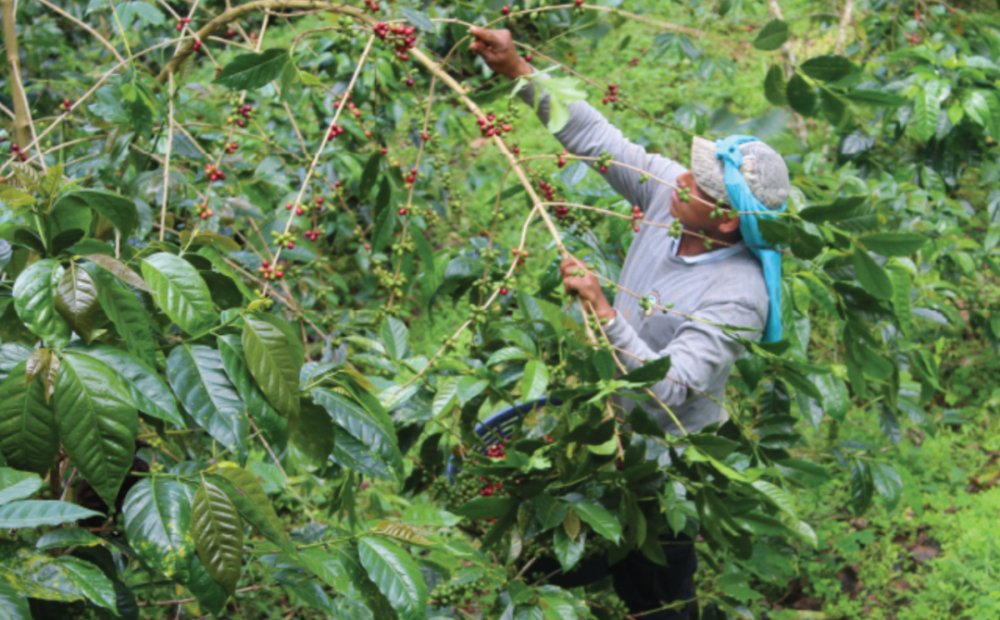
The original meaning of "specialty" was never "refined and expensive" — it was the ongoing process of improving coffee, not just bean quality.
After the concept was introduced in 1978, coffee quality didn't transform overnight, but it did steadily improve. Whether in the era of espresso and dark roasts or today's era of light roasts, varieties, and experimental processing, both are chapters of the same continuous improvement.
Dark Roast and Specialty Coffee
Does dark roast automatically disqualify a bean from being specialty? Obviously not. Some argue dark roasting exists to bury bad flavors under heavy caramelization. In fact, a good dark-roasted bean can express "specialty" better than a light one.

Today everyone chases light roasts, hoping for floral and fruity acidity. Many assume that any bean expressing pleasant acidity at light roast must be inherently high quality — and so equate specialty coffee with light roasting.
But dark roasts test a roaster's experience even more severely, demanding deep understanding of the bean and of the transformations inside the drum. Coaxing elegant bittersweet flavors from a dark roast is genuinely difficult. Dark roasting isn't about masking flaws — it's about elevating sweetness and aroma to another level through appropriate caramelization.
And a good dark roast depends not only on skill but on green bean quality. Poor beans can't hide behind a dark roast; they simply turn burnt, bitter, and drying.
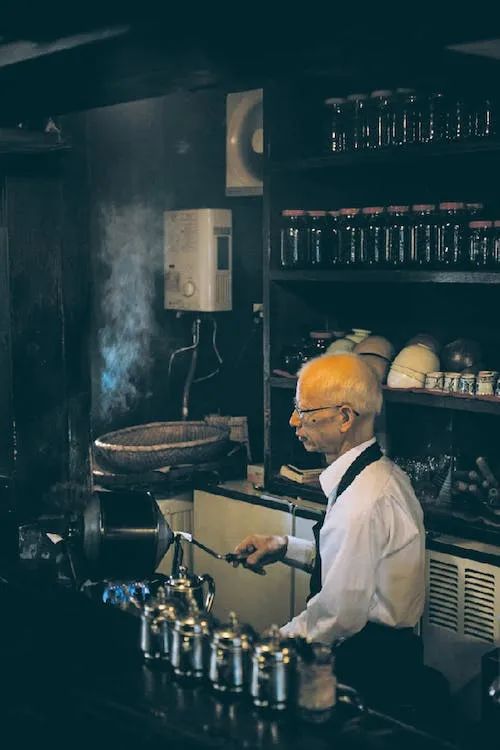
A great dark roast requires a roaster's deep bean knowledge, professional mastery of the process — and high-quality green coffee.
Light roast cannot prove a bean is specialty-grade, and dark roast is not a cover-up. Every bean has its own character, and revealing it honestly is the real test of a roaster — rather than forcing acidity through an unsuitable roast.
The Importance of Brewing and Service
Good beans plus poor brewing and bad service do not make specialty coffee. Observationally, when people taste a bad cup, they usually "blame" the beans first rather than the brewing.
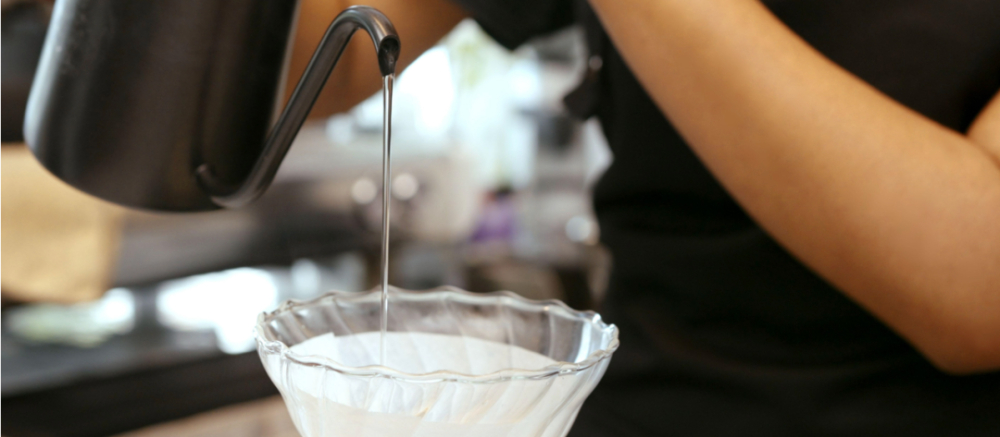
Brewing looks simple — which is exactly why its principles get overlooked — yet it has the largest impact on a cup's final expression of anything after the roast.
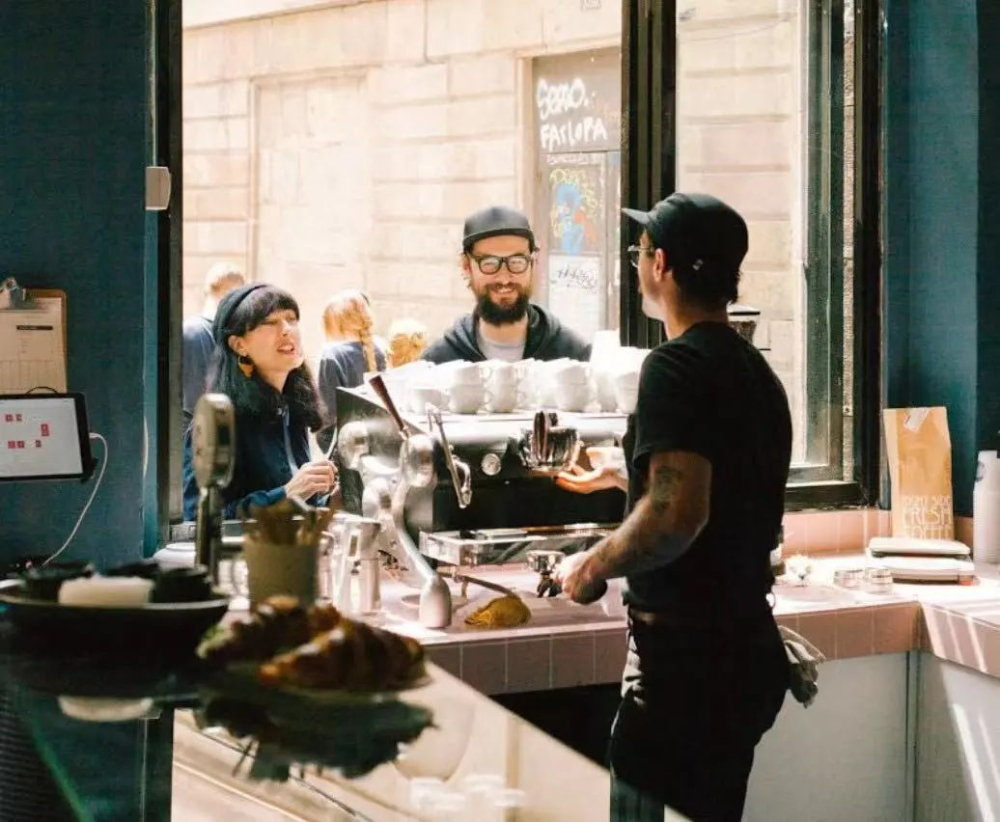
Consumers seek out independent cafés in a chain-dominated era precisely because they want to experience the beans' unique character and receive professional service.
That professionalism shows in the barista's independent, in-depth understanding of each bean and the brewing method chosen to showcase it; in the ability to explain coffee clearly in plain language; and in the composure to handle everything calmly.
Quality, Service, and Pricing
Specialty coffee lives in quality and service, which shape pricing — but expensive is not mandatory. Every shop has different costs and positioning. Plenty of specialty-grade coffees score above 80 on the SCA scale, and most of them aren't highly priced.
Affordable doesn't mean poor, and pricey doesn't guarantee good. As long as you find what you're looking for and feel the money was well spent, that's a cup of specialty coffee.
To return to the start: specialty coffee isn't meant to create distance between people and coffee — it exists so more people can taste great coffee. Improving quality and growing appreciation depends on more people pursuing excellence in coffee; consumers and the supply chain form a cycle.
Image source: Internet
FrontStreet Coffee Recommendation
For drinkers who want balance — neither the sharpness of light roasts nor the heaviness of dark — medium roast is the sweet spot. FrontStreet Coffee's picks:
- FrontStreet Brazil Fazenda Rainha (Yellow Bourbon) — for those who dislike both sour and bitter: creamy peanut, chocolate, toasted bread, and sugarcane sweetness; works as pour-over, moka pot, or espresso.
- FrontStreet Strawberry Sugar Geisha Blend — a fruit-forward medium roast combining Costa Rican honey-process and Panamanian washed Geisha: orange-blossom honeyed aroma with rounded sweetness; equally good as cold brew, pour-over, or espresso.
- FrontStreet Jamaica Blue Mountain No.1 — the "Emperor of Coffee," medium-roasted to fuse acidity, bitterness, sweetness, and body into one elegant profile: chocolate, roasted nuts, cream, and caramel from the first sip.
Important Notice :
FrontStreet Coffee is a long-established specialty coffee roaster in Guangzhou China, selling freshly roasted beans from its own farm in Yunnan as well as dozens of carefully selected single-origin beans from around the world for both pour-over and espresso. The products deliver consistently excellent quality and great value, with shipping within 24 hours. Guangzhou's FrontStreet Coffee shop is recommended by many coffee lovers, and the beans are now available online at the Tmall 。
FrontStreet Coffee has moved to a new address:
FrontStreet Coffee Address: 315,Donghua East Road,GuangZhou
Tel:020 38364473
 Scan and follow the En Gafei WeChat official account. Please indicate that the reprint comes from "En Gafei".

