
Comparison of 4 Iced Coffee Types: Iced Americano, Iced Pour-Over, Cold Drip, and Cold Brew - Flavor Differences and Weight Loss Benefits
Exploring the Four Types of Iced Coffee

The four common types of iced coffee we encounter are iced Americano, iced pour-over, cold brew, and iced drip coffee. Some people may not be familiar with all four, so FrontStreet Coffee will try to explain their characteristics and differences from several angles.
Extraction Methods
In terms of extraction methods, both iced Americano and iced pour-over are made by rapidly cooling freshly brewed hot coffee with ice, while cold brew and iced drip coffee are extracted with cold water throughout the entire process.
Iced Americano

Iced Americano is made by pulling espresso on an espresso machine, then adding an appropriate amount of ice water to cool and dilute the coffee. Iced Americano preparation: grind 20g of FrontStreet Coffee's Sunflower Warm Sunshine coffee grounds and extract 40g of coffee liquid at a 1:2 ratio over 25-33 seconds. Prepare a 300ml glass, fill it with 90g of ice and 180g of drinking water, then pour in the extracted espresso and stir before drinking.
Iced Pour-Over

The iced Americano made with FrontStreet Coffee's Warm Sunshine beans immediately presents rich layers on tasting, with subtle vanilla and berry notes accompanying a creamy smoothness. It's both refreshing and full-bodied, making it incredibly satisfying to drink in summer.
Iced pour-over involves first brewing hot coffee using the pour-over method, slightly stronger than a regular serving, then adding ice to cool and dilute it. The detailed preparation method is as follows. Here FrontStreet Coffee uses the light-medium roasted FrontStreet Coffee's Fruity Candy as an example, adopting high-concentration, high-extraction iced brew parameters as follows:
Cold Brew Coffee

Coffee grounds: 15g
10x hot water: 150g
5x ice: 75g
Water temperature: 92°C
Grind size: 83% pass-through rate through a #20 sieve (EK43s setting 9, C40 setting 22)
Dripper: Hario V60
Technique: Three-stage pour

First, place 75g of ice in the server, then pour 15g of ground coffee into the filter cup and gently level it. In the first stage, pour 30g of hot water in small circles from the center outward at a 3ml/s flow rate for a 30-second bloom; after 30 seconds, use the same technique to pour the second 60g of water, being careful not to raise the liquid level too high, which can cause under-extraction; when the coffee liquid is about to dry up, pour the remaining 60g of hot water at a 3ml/s flow rate, ensuring the extraction time falls between 1 minute 50 seconds and 2 minutes.

Cold brew coffee is made by steeping coffee grounds in cold water, typically for a relatively long period, then filtering out the grounds before drinking. The preparation method is as follows.

Using FrontStreet Coffee's Strawberry Candy as an example, we use a 1L cold brew pot when making cold brew coffee. Prepare 60g of Strawberry Candy coffee beans, ground to the size of coarse sugar (80% pass-through rate through a China #20 standard sieve), with the specific coarseness as follows. Then pour the ground coffee into the pot, add 600g of drinking water at a 1:10 coffee-to-water ratio, stir thoroughly with a long spoon, seal, and refrigerate for 8-12 hours. Once steeping is complete, remove the cold brew pot, stir thoroughly again with a spoon, then pour through filter paper to separate the grounds until all the coffee liquid is filtered cleanly, and the cold brew is complete.
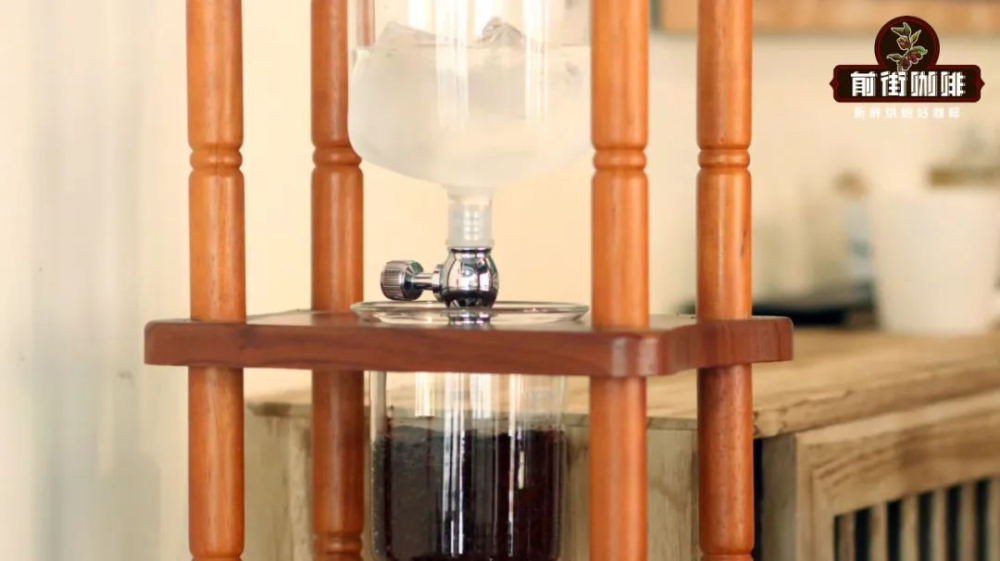
Iced drip coffee uses ice water to extract coffee liquid, dripping it drop by drop through the coffee grounds layer. The preparation time is generally quite long, and the filtered coffee liquid needs to be refrigerated before drinking. The specific preparation method is as follows:
Iced Drip Coffee

Iced drip flow rate is similar to pour-over, but it is measured in drops per second. The slower the flow rate, the longer the total time required, and the more likely it is to result in over-extraction. FrontStreet Coffee typically uses 7 drops every 10 seconds for extraction, and the flow rate can be adjusted to personal preference. The coffee-to-water ratio is 1:10. Since FrontStreet Coffee serves iced drip coffee diluted with ice, we use a higher concentration. If making it at home, you can use a ratio of 1:12-1:14 for extraction. FrontStreet Coffee makes iced drip using 60g of coffee beans ground into powder, places a circular filter paper at the bottom of the coffee chamber, pours in the coffee grounds, and finally places another filter paper on top, then moistens the grounds with water, which saves dripping time while avoiding uneven extraction. Fill the upper chamber with an ice-water mixture (a 1:1 ratio of ice to water) to extract a total of 600g of coffee liquid.

Preparation Time
In terms of preparation time, iced Americano and iced pour-over are relatively quick, taking only a few minutes, while cold brew coffee and iced drip coffee take longer, with cold brew generally taking around 12 hours and iced drip coffee taking 6-8 hours.
Ease of Preparation for Home
For home preparation, iced pour-over and cold brew are relatively simple. Cold brew has low equipment requirements, and a sealed bottle will do. Iced pour-over equipment is also quite affordable, and generally, if you already brew coffee at home, you'll have pour-over equipment on hand.
Iced Americano requires an espresso machine, and the equipment needed for iced drip coffee is somewhat more expensive.

Flavor and Mouthfeel Differences
FrontStreet Coffee would first like to clarify that whether a coffee is acidic or bitter, and whether it shows floral and fruity notes or nutty and chocolate flavors, depends primarily on the flavor of the beans used. The influence of extraction methods is relatively minor. Different brewing methods produce iced coffees with distinct flavor characteristics. These differences are comparative, but regardless of the brewing method, the resulting flavors always stem from the fundamental flavor profile of the coffee beans.

Iced Americano typically features a light, refreshing mouthfeel and usually expresses the most basic flavors of the coffee beans. The liquid appears relatively cloudy.

Iced pour-over coffee is characterized by a clean, refreshing mouthfeel that easily highlights the primary flavors of the beans, with the liquid appearing clear and bright.
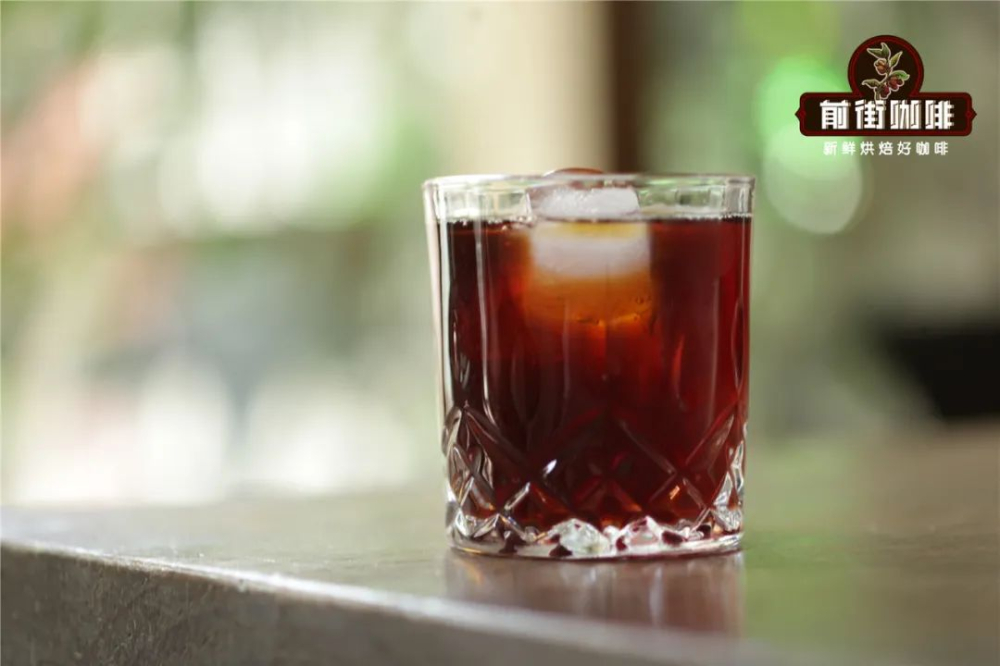
Cold brew coffee is characterized by low bitterness, balanced flavors, and high sweetness. The mouthfeel is fuller than iced pour-over, and the liquid's transparency is slightly lower than iced pour-over.

Iced drip coffee is characterized by rich fermented flavors, such as alcoholic notes. With the same beans, iced drip coffee shows higher bitterness than the other three types of iced coffee, and its mouthfeel also surpasses the other three.
FrontStreet Coffee Recommendation
For a cold brew that shows off bright, juicy fruit, FrontStreet's Kenya Tomato is a superb pick. It comes from Kenya's Thika region, grown at 1,550 to 1,750 meters from the classic SL28 and SL34 varieties and reaching the high AA TOP grade, then processed with Kenya's distinctive 72-hour double washed fermentation. A light roast preserves its lively acidity, so the cold brew tastes of cherry tomato, smoked plum, snow pear, and black plum, with a clean, lingering finish of brown sugar and green tea.
If you want a richer, more aromatic iced coffee, try FrontStreet's Colombia Sidra. Grown at 1,650 to 1,800 meters and processed with a double anaerobic natural method, it keeps its native fruit aromatics under a medium-light roast, showing jasmine and citrus in the dry aroma and passion fruit, blueberry, grape, and apricot in the cup. Its bright acidity is soft and refreshing, with a light spice note mid-palate and a lasting cocoa sweetness at the end, and iced pour-over in particular brings out a clean, smooth grape-juice character.
Important Notice :
FrontStreet Coffee is a long-established specialty coffee roaster in Guangzhou China, selling freshly roasted beans from its own farm in Yunnan as well as dozens of carefully selected single-origin beans from around the world for both pour-over and espresso. The products deliver consistently excellent quality and great value, with shipping within 24 hours. Guangzhou's FrontStreet Coffee shop is recommended by many coffee lovers, and the beans are now available online at the Tmall 。
FrontStreet Coffee has moved to a new address:
FrontStreet Coffee Address: 315,Donghua East Road,GuangZhou
Tel:020 38364473
 Scan and follow the En Gafei WeChat official account. Please indicate that the reprint comes from "En Gafei".

