
Solutions for Pour-Over Coffee with Too Much Fine Powder: What to Do When Coffee Tastes Bitter from Over-Extraction?
Understanding Over-Extraction in Coffee Brewing
Plenty of coffee enthusiasts know the frustration of over-extraction. We can often avoid it by adjusting parameters or technique, but sometimes equipment limitations make it unavoidable, and we are left to quietly accept our fate as masters of over-extraction.
First, a definition. In coffee extraction theory, roughly 30% of a coffee bean is water-soluble. Not all of those soluble compounds taste pleasant, though. Over-extraction generally means dissolving too many flavor compounds out of the grounds, producing burnt bitterness and harsh astringency.
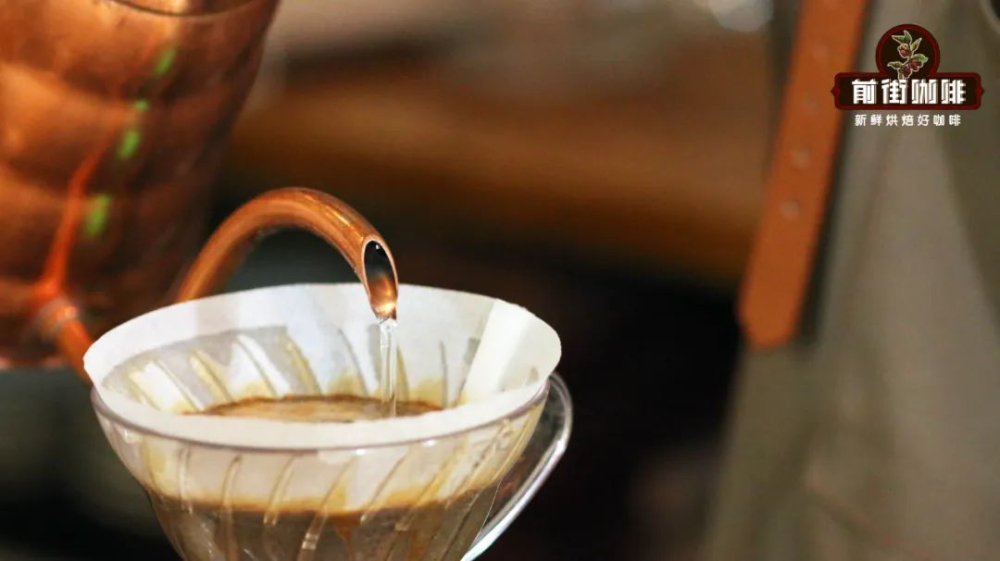
A common cause of over-extraction is an underperforming grinder that grinds unevenly and leaves too many fine particles, which in turn over-extract and turn bitter. Could we use some form of "intervention" to bring the extraction rate down?
Variable Temperature Extraction as a Solution
Variable temperature extraction might be an excellent answer. FrontStreet Coffee has previously written about stepped temperature reduction, starting with high water temperature and lowering it gradually, which enhances sweetness and enriches complexity by reducing the extraction rate in the middle and later stages to avoid bitterness. Today, though, FrontStreet Coffee looks at using low-temperature water during the bloom stage.
Emi, the 2018 World Brewers Cup champion, also used low-temperature blooming in her method. Her approach was distinctive, using a dripper with a valve to alternate between immersion and drip extraction. Her pouring scheme had three main stages: first, with the valve closed, she bloomed the coffee in 80°C water for immersion; second, with the valve open, she used 95°C water for drip extraction; third, she closed the valve again and used 80°C water for immersion extraction, finally opening the valve to complete the drip.
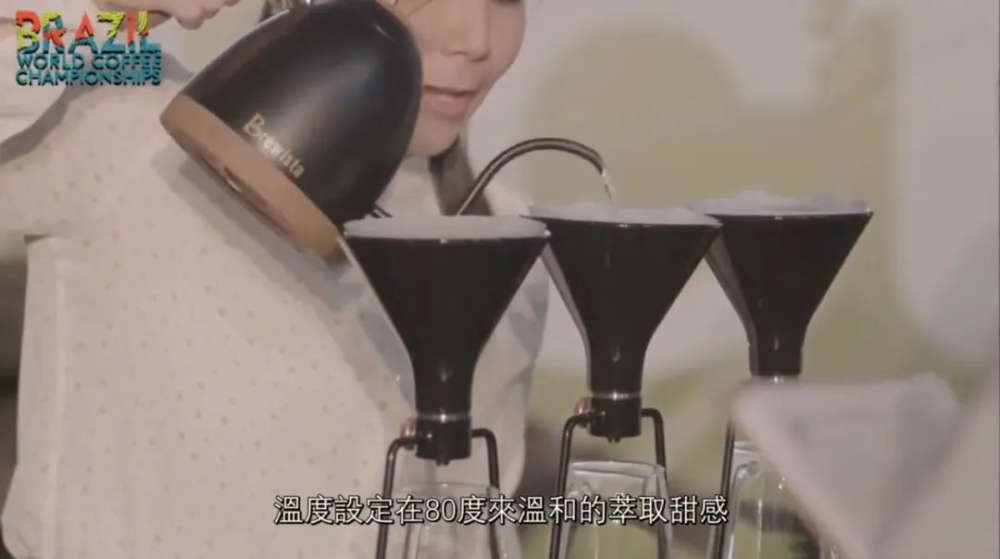
Emi explained that her rationale for the low-temperature bloom was to gently extract the coffee's sweetness while avoiding a dry aftertaste. In FrontStreet Coffee's view, this is essentially a way of lowering the extraction rate. The combination of low temperature and immersion keeps water from passing through too fast, which would cause under-extraction, while making it harder for bitter compounds to be released at lower temperatures.
So if excessive fine particles are causing bitterness, could this method prevent that from happening?
Practical Testing with Ethiopian Coffee
This test used Ethiopian Guji coffee beans. FrontStreet Coffee used a hand grinder in the 300 yuan price range, set to a grind size with 80% pass-through on a #20 sieve. Using FrontStreet Coffee's standard brewing parameters, total extraction time was 2 minutes and 33 seconds. The slightly longer time came from the wide particle-size distribution and high percentage of fine particles, measured at 14% with a sieve tester, which slowed the flow rate. The cup showed balanced berry notes, tea-like character, and a persistent dry bitterness.
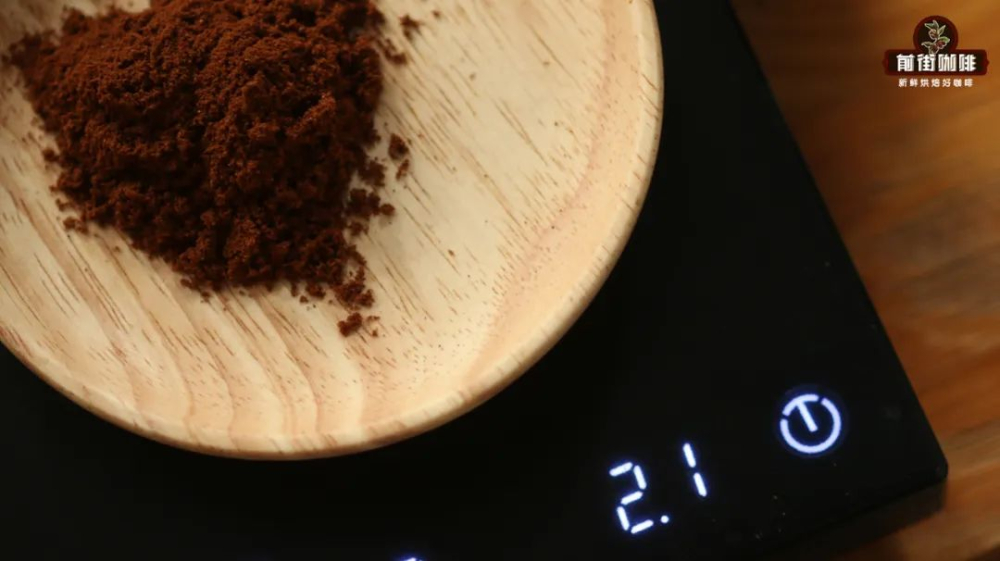
FrontStreet Coffee first bloomed with 80°C water, then used 94°C water for the second and third stages. Other parameters were unchanged: 15g coffee, 1:16 ratio, three-stage pour volumes of 30/120/90ml respectively, with a total extraction time of 2 minutes and 40 seconds. On tasting, the flavor showed pronounced acidity with a green astringency somewhat reminiscent of unripe fruit, and a hint of bitterness in the aftertaste.

Watching the coffee bed during brewing, FrontStreet Coffee noticed the grounds did not expand significantly during the bloom, and some bloom liquid had already flowed into the lower chamber. The inference was that the green astringency resulted from an insufficient bloom. The bitterness in the aftertaste could be traced to the relatively high immersion water temperature. FrontStreet Coffee made several adjustments based on these observations, arriving at the following final parameters:
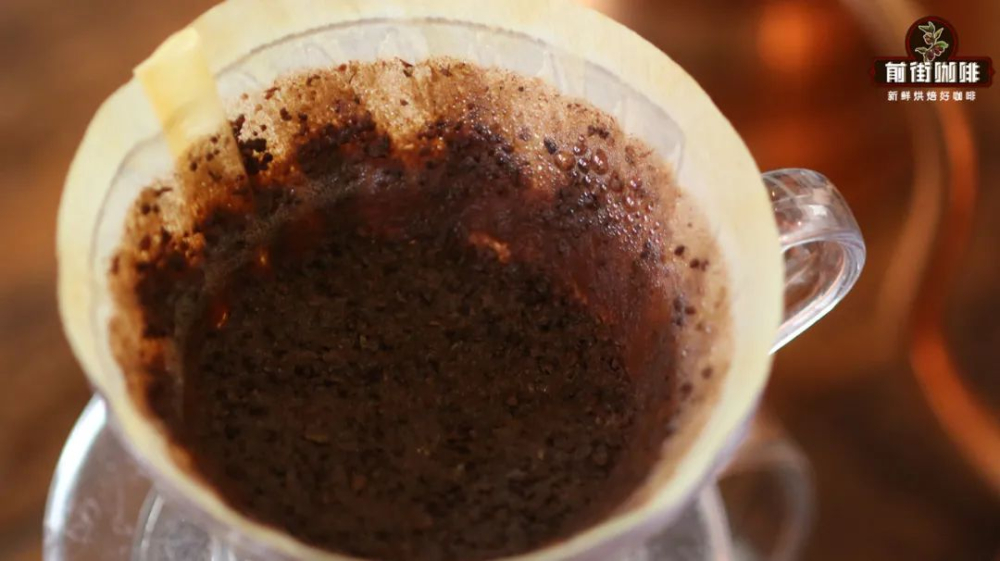
15g coffee, 1:16 ratio, grind size of a hand grinder at 80% pass-through on a #20 sieve (with many fine particles), and three-stage pour volumes of 25/125/90ml respectively. The reduced bloom water volume was meant to minimize bloom liquid flowing prematurely into the lower chamber, though the technique demands more precision to avoid leaving some grounds dry.
The first bloom stage used 83°C water with a 35-second bloom time to allow for better degassing. The second and third stages used 93°C water. Total time for all the coffee liquid to drip through the filter was 2 minutes and 35 seconds. The resulting flavor showed rich berry sweetness and acidity, overall balance, a noticeable tea-like aftertaste, and no bitterness or astringency.

If you also struggle with over-extraction, this approach is worth trying in principle. One note: do not copy the numbers exactly, since achieving an identical grind setting is nearly impossible and different levels of fine particles make the data largely meaningless. You can borrow the low-temperature blooming idea, using water 2°C higher than usual for the subsequent pours, then fine-tune based on the flavor you get by adjusting bloom temperature, bloom time, and extraction water temperature.
FrontStreet Coffee Recommendation
If excess fine powder is your problem, the bean still has to earn its place, and a grinder-friendly, clearly structured coffee will show the results of your adjustments best. On a V60, FrontStreet's Ethiopia Gedingding is a forgiving benchmark with citrus, berry, and jasmine over a green-tea sweetness, while the Ethiopia Huakui brings strawberry, passionfruit, and jackfruit with very little bitterness.
For a cup that makes over-extraction really obvious when it happens, try FrontStreet's Kenya Cherry Tomato. Grown in the Sika region at 1550-1750 meters from SL28 and SL34, given a 72-hour double wash, and roasted light to protect its acidity, it pours out cherry-tomato and dark-plum notes with a full, juice-like body and a clean, long finish, so bitter, astringent off-flavors stand out immediately if your fine particles get out of hand.
Important Notice :
FrontStreet Coffee is a long-established specialty coffee roaster in Guangzhou China, selling freshly roasted beans from its own farm in Yunnan as well as dozens of carefully selected single-origin beans from around the world for both pour-over and espresso. The products deliver consistently excellent quality and great value, with shipping within 24 hours. Guangzhou's FrontStreet Coffee shop is recommended by many coffee lovers, and the beans are now available online at the Tmall 。
FrontStreet Coffee has moved to a new address:
FrontStreet Coffee Address: 315,Donghua East Road,GuangZhou
Tel:020 38364473
 Scan and follow the En Gafei WeChat official account. Please indicate that the reprint comes from "En Gafei".

