
2022 WBC & WBrC About to Begin! Contestants Suggest World Barista Championship Needs Changes
The World Coffee Championships: A Prestigious Stage for Coffee Excellence
Dubbed the Olympics of the coffee world, the annual World Coffee Championships (WCC), run by World Coffee Events (WCE), never fail to draw serious attention from coffee professionals and enthusiasts alike.
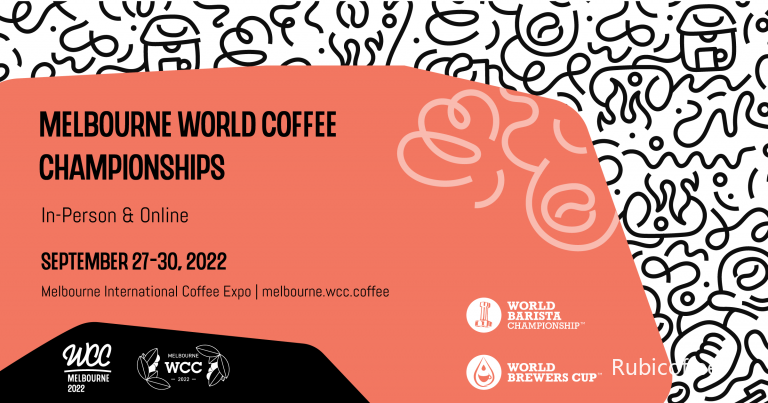
According to the latest news, the 2022 World Barista Championship (WBC) and World Brewers Cup (WBrC) will take place side by side in late September (September 27-30) in Melbourne, Australia.
World Barista Championship (WBC)
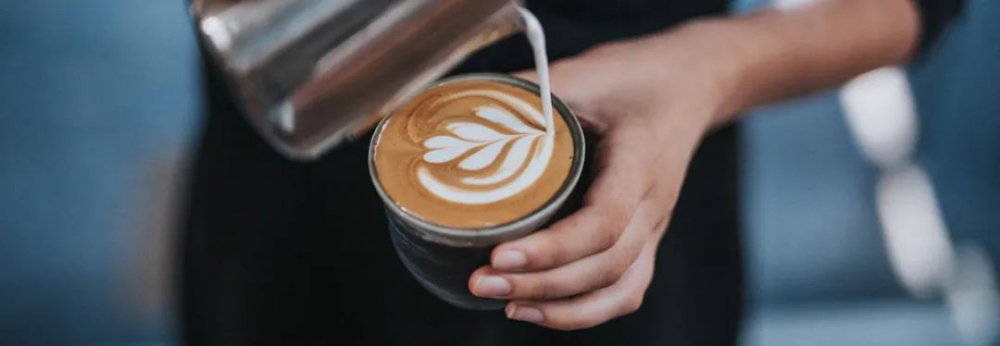
The WBC centers on preparing both conventional and creative espresso-based beverages. Each competitor has 15 minutes to produce four servings of three different drinks: espresso, a milk-based beverage (traditionally a cappuccino), and a creative signature drink, all judged by four sensory judges and one technical judge.
World Brewers Cup (WBrC)
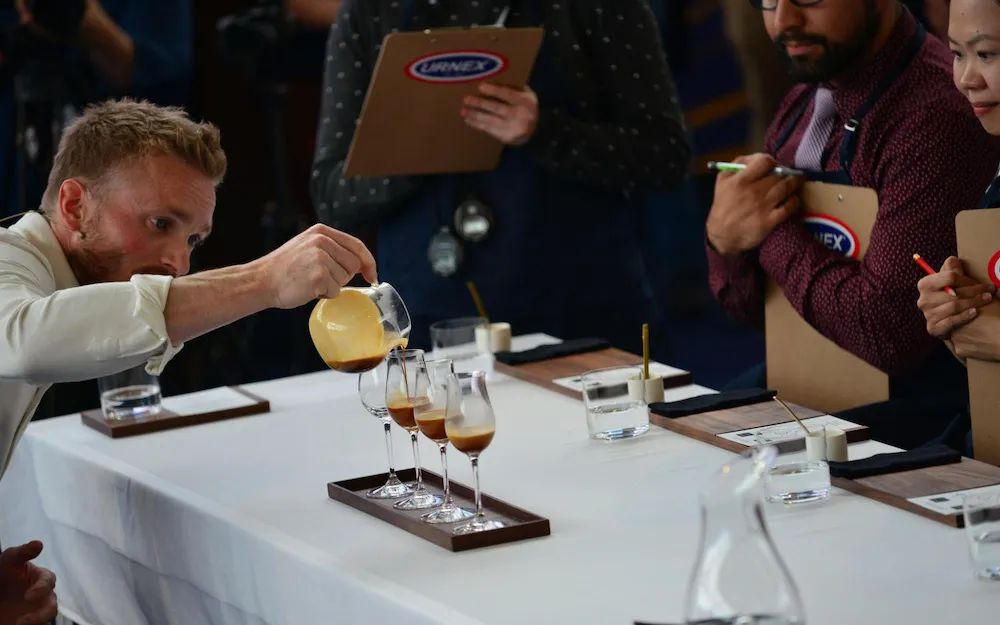
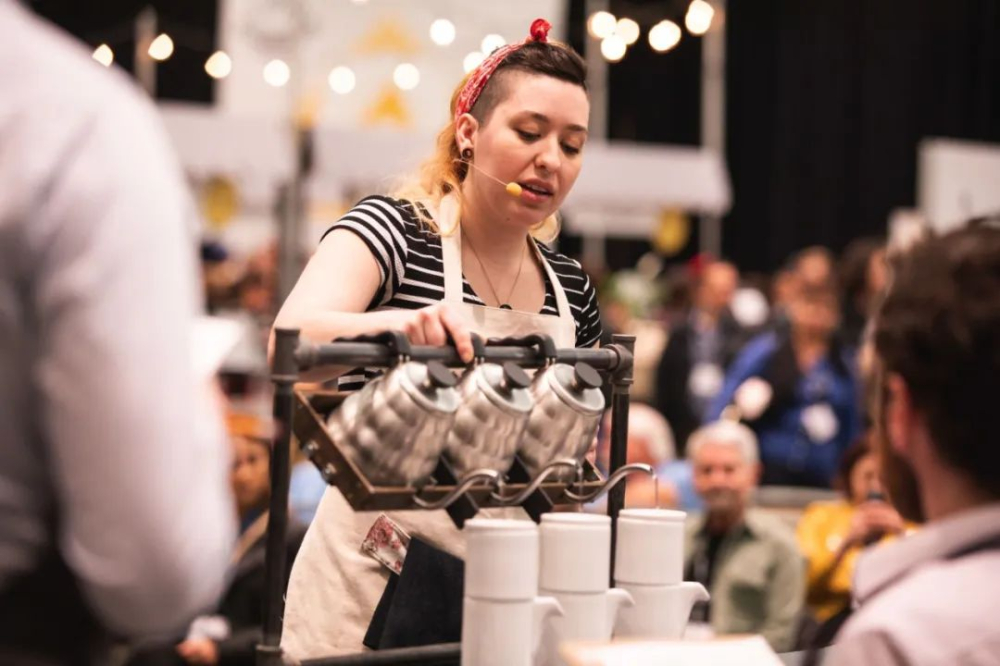
The World Brewers Cup, by contrast, celebrates single-origin coffees brewed by hand. It is split into two rounds: compulsory service, where everyone uses the competition-designated coffee, and open service, where competitors bring their own beans. Each round calls for three servings brewed for the judges' sensory evaluation.
Because the Brewers Cup puts the taster's experience front and center, it lets baristas present coffee flavors more authentically. During open service, performance elements are expected to be woven in to elevate that experience.
Evolution and Challenges in Coffee Competitions
Since its debut in 2000, the competition has set out to raise coffee quality and professionalize the barista role. In the two decades since, the coffee industry has transformed dramatically.
On various aspects of the WBC, many competitors and industry figures have in recent years called for improvements in accessibility, inclusivity, and transparency.
Media outlets have previously interviewed several WBC champions and competitors — Pete Licata (2013), Agnieszka Rojewska (2018), Jooyeon Jeon (2019), and Maxwell, a British competitor with three WBC appearances — to hear their views on the competition.
The Value and Professional Recognition of WBC
The WBC gives baristas a stage to share ideas, deepening public understanding of the barista profession and the wider coffee industry, while creating opportunities to promote specialty coffee.
Jooyeon Jeon noted that it is an event much of the coffee community looks forward to, precisely because it gathers the world's most skilled baristas. For many, it is a chance to absorb new coffee knowledge and brewing experience, which makes it vital both for the growth of specialty coffee and for elevating the value of baristas.
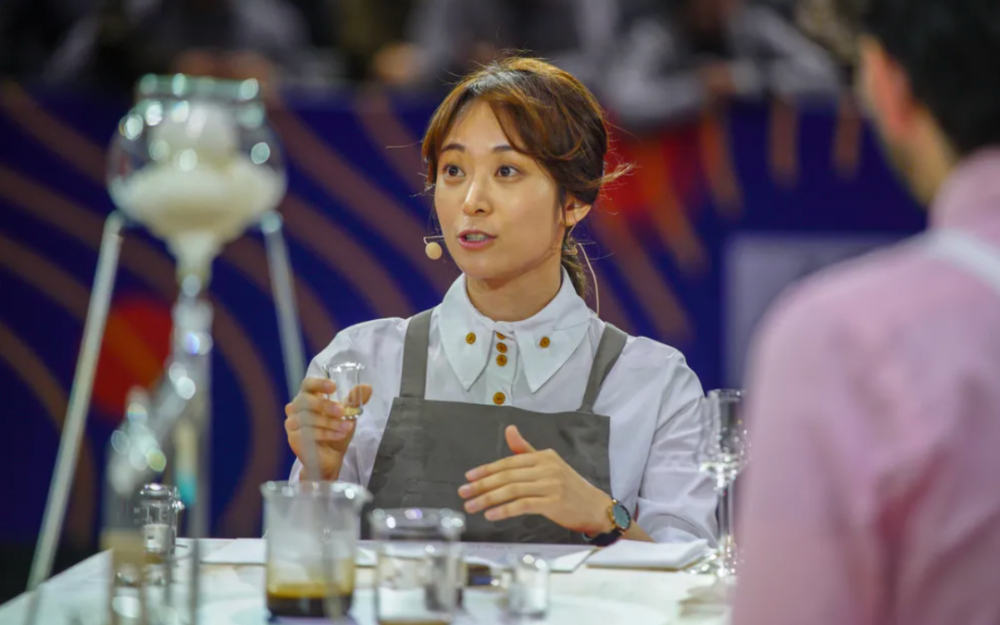
There was a time when few people saw barista work as a genuine profession — and even today, many assume the job is simple enough for part-time staff. The WBC stage offers everyone a chance to recognize that baristas do skilled, valuable work.
Pete Licata added that over the past decade the once small, immature specialty coffee industry has grown rapidly, and the barista profession along with it. Yet over those same years, some intangible, unmeasurable expectations have quietly crept into the competition and its scoring, while certain important things have gradually been weakened.
Critiques and Calls for Reform
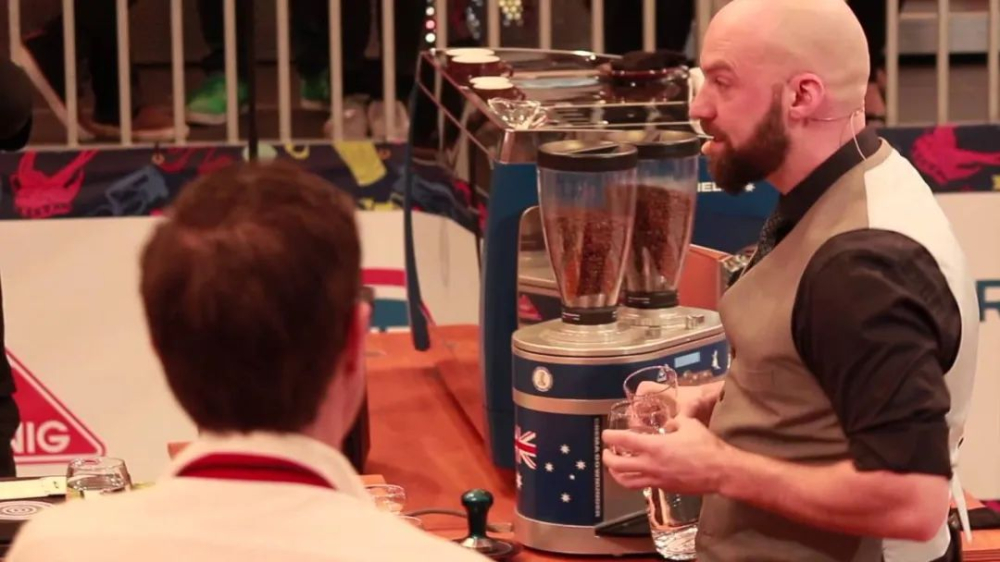
Pete argued that the WBC should be a competition for baristas, testing their craft. Instead, today's contest leans more on coffee procurement and insider knowledge — things competitors know that others don't. That, he says, has cost the competition some of its accessibility and inclusivity. Although the rules have evolved over the years, the format and judging have barely changed, which troubles some competitors.
Maxwell, the British finalist who has competed in three WBCs, said in his interview that the competition needs far more transparency. He originally assumed the WBC would be more objective and fair than everyday judging, only to discover that the rules were not really grounded in an understanding of objective scoring. Simply put, scores ended up tied more to the emotional judgment of judges.
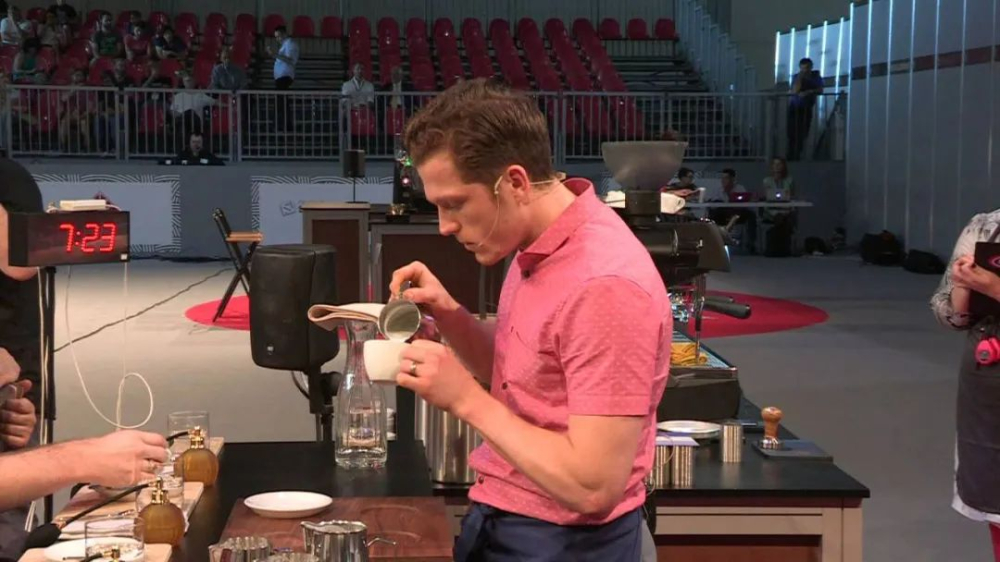
All four interviewees agreed the WBC remains a superb platform for baristas to showcase themselves, and that both organizers and judges work hard to uphold the event's value. But there has been little real development in the past decade, so certain things must be redefined to make the competition more objective, transparent, and easier to understand.
Calls for Greater Transparency
On the subjectivity of scoring, Maxwell believes it remains too opaque, and that the competition has not dug deeply enough into the problem.
His reasoning: "The complexity of the rules and the lack of transparency keep the regulations in check. Much of the scoring happens behind closed doors, with no accountability afterward and no detailed explanation of how scores were reached. At the same time, more experienced and influential judges may unknowingly sway the scoring of their peers."
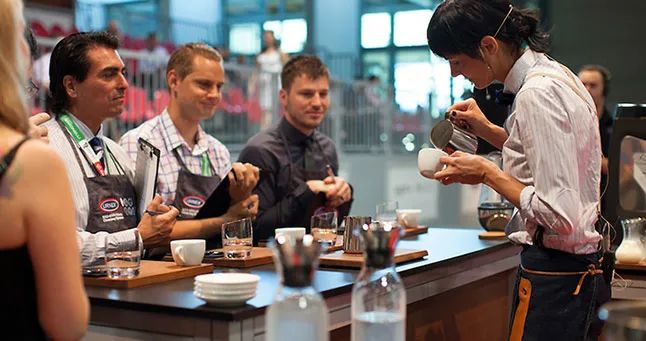
Maxwell respects that perspectives are valuable — it is natural for each judge to view coffee and scoring differently. But the final published scores don't reflect that diversity. He believes having judges announce their scores on stage would make the event more engaging for the public and fairer to competitors.
Judge Selection Transparency
Pete and Maxwell both noted that WBC judge selection is not public, so the process goes unmonitored — and many competitors complain about judges' qualifications.
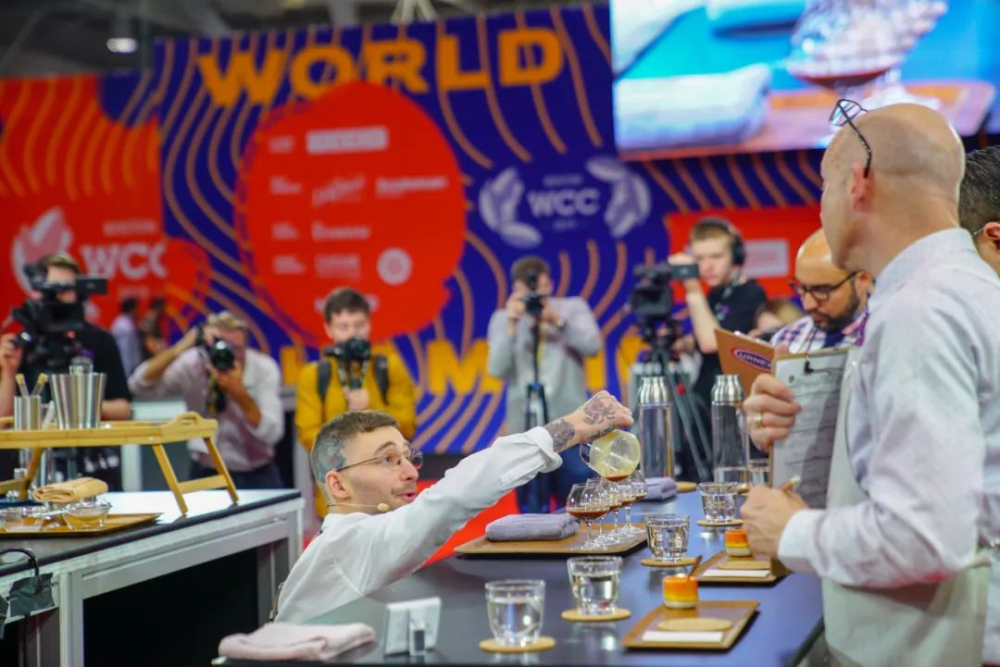
Competitors sometimes pour months of hard work behind the scenes, only to be judged by people without comparable experience or background, which can feel unfair. While most judges have worked over the years to make their scoring more rational, accurate, and fair, considerable room for improvement remains.
WBC Competition Theme Development
It is also worth noticing that in the WBC and other coffee competitions alike, many of the themes and presentations competitors choose involve things ordinary coffee practitioners simply cannot learn from.
These competitions should encourage people to try better practices, plans, and strategies — but not celebrate things a barista working a daily café shift could never pick up.
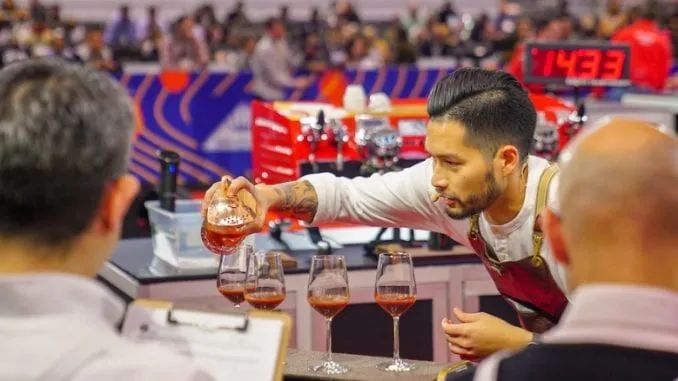
Pete mentioned that some competitors have research institutions run studies on their behalf, then cite that data in their presentations to add credibility and earn extra points. Such information should never outweigh everything else on the scoresheet.
That is unfair to creative competitors who lack the time or means to travel to origin and study cultivation and processing methods. Pete therefore believes innovation and creativity should be judged separately.
WBC Inclusivity
The WBC champion list over the years also highlights an inclusivity problem: the vast majority of winners have been male and white.
Across the past ten to twenty years of competition, it was not until 2018 that the World Barista Championship crowned its first female champion, Agnieszka Rojewska of Poland, followed by a second in 2019, Jooyeon Jeon of South Korea.
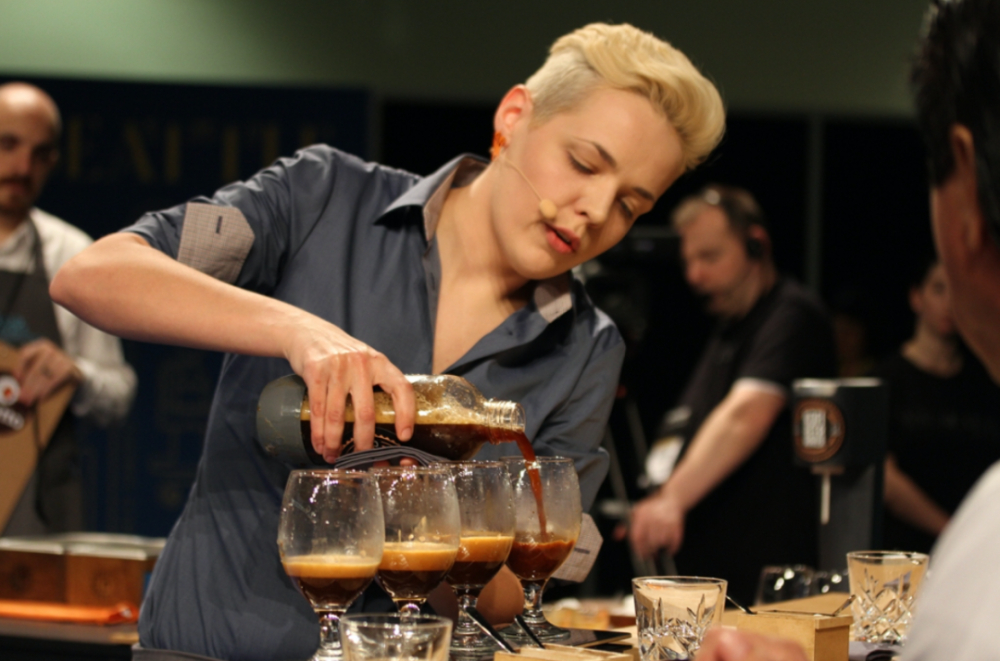
Agnieszka observed that very few women compete in the WBC, so it follows logically that women's odds of winning look slim.
Every competitor on the WBC stage represents their country or region after a national selection process. Yet in those selections, very few women take part — and the competition itself does not bar anyone from entering.
Winning typically demands significant investment and sponsorship, which buys better coffee, better preparation, and better training. The biggest obstacle keeping women out, then, is resources. Far more attention must go to opening up opportunities and training for female competitors.
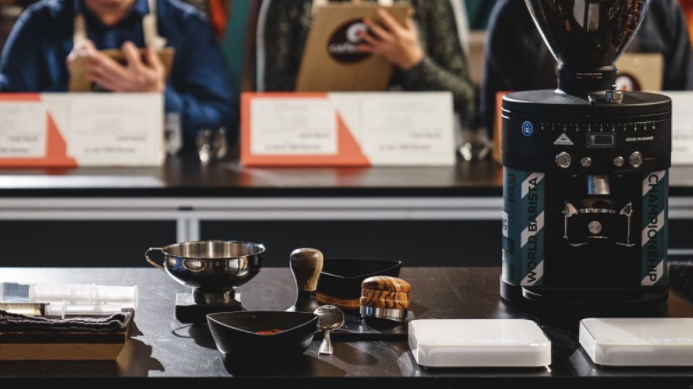
For baristas, the WBC remains a remarkable stage. It has driven the specialty coffee industry forward and elevated the profession itself, pushing baristas to innovate, research their craft, and connect more deeply with coffee origins.
The changes these competitors propose are, at heart, a hope that the competition can better demonstrate those values.
Image source: perfectdailygrind
FrontStreet Coffee Recommendation
Feeling inspired by the cappuccinos of championship level? A cappuccino is built on a foundation of espresso, with milk steamed into dense microfoam in place of cream, then sculpted with a spoon into a peaked cap or dome shape. Because the milk proportion is small, the drink as a whole tastes rich and fragrant with a plush, pillowy texture. Deep aroma and silky smoothness — those are the two impressions cappuccino leaves most deeply.
The recipe is simple: milk, espresso, and a solid layer of thick foam. At FrontStreet Coffee, our espresso parameters for cappuccino are a 20g dose, a 1:2 brew ratio, and roughly 30 seconds of extraction — enough concentration with relatively full extraction for excellent flavor and body. When steaming, since no latte art is needed, foam can be textured thick and dense: scoop a spoonful onto the center of the espresso to fill in a round cap, swirl the pitcher to recombine foam and milk, then pour into the very center until the cup is nearly full.
For the espresso base, FrontStreet Coffee's espresso blend series is the natural match. Beginners brewing at home can start with the FrontStreet Classic Blend (the "crema bomb") or the value-oriented FrontStreet Black Cocoa Basic Blend. If you want a cappuccino with floral and fruity character, the FrontStreet Strawberry Sugar espresso blend delivers notes of berries, rose, raisin, and fruit candy. And for a brighter cup with little bitterness, choose the FrontStreet Granadilla Gesha SOE — a naturally processed, medium roast with berry, orange, and persimmon flavors that turns candy-like when paired with milk.
Important Notice :
FrontStreet Coffee is a long-established specialty coffee roaster in Guangzhou China, selling freshly roasted beans from its own farm in Yunnan as well as dozens of carefully selected single-origin beans from around the world for both pour-over and espresso. The products deliver consistently excellent quality and great value, with shipping within 24 hours. Guangzhou's FrontStreet Coffee shop is recommended by many coffee lovers, and the beans are now available online at the Tmall 。
FrontStreet Coffee has moved to a new address:
FrontStreet Coffee Address: 315,Donghua East Road,GuangZhou
Tel:020 38364473
 Scan and follow the En Gafei WeChat official account. Please indicate that the reprint comes from "En Gafei".

