
What Coffee Beans Are Suitable for Espresso Machines? Flavor Characteristics and Performance of Espresso Beans

Using Light Roast Coffee Beans for Espresso: A Comprehensive Guide
A while back, FrontStreet Coffee published an article titled "What happens when you use light roast coffee beans for espresso?" - an experiment in which we pulled espresso from several light roasts to test their viability. This article is its follow-up, digging into the differences when extracting light roasts as espresso.
Does Light Roast Espresso Taste Sharply Acidic?
Whenever FrontStreet Coffee teaches espresso fundamentals, we repeat that beans for espresso are usually roasted darker. Pull a light roast as espresso and you'll often get overwhelming sharp acidity. Espresso uses pressurized extraction to concentrate flavor compounds from the grounds, and light roasts contain more acidic substances. Concentrate those into one small cup and the acidity is amplified into something intensely sour.
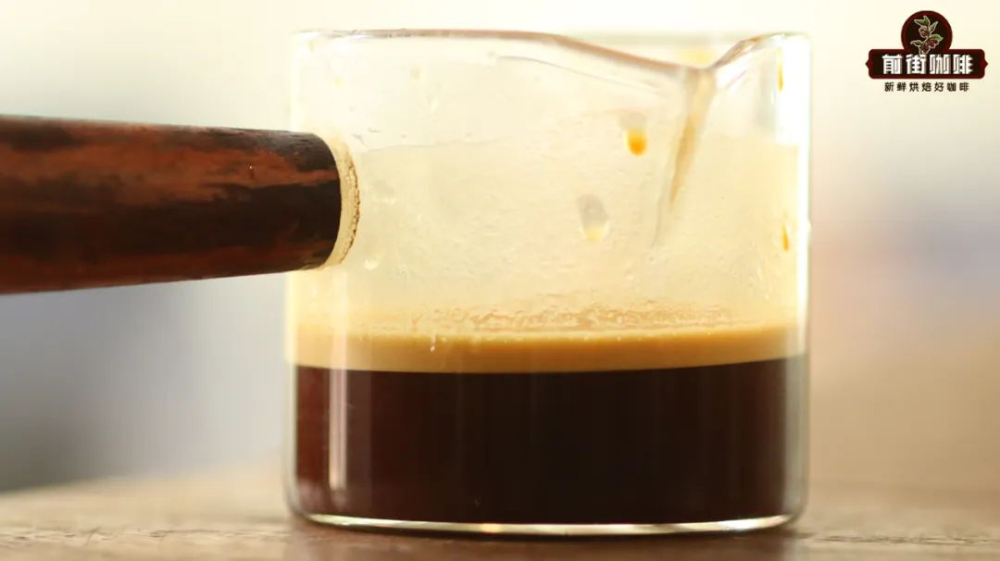
That's why medium-dark or darker roasts are the standard recommendation: the flavor profile stays balanced - neither sharply acidic nor burnt bitter.
Extraction difficulty is the other factor. FrontStreet Coffee regularly talks about channeling and under-extraction. Even with dark roast espresso beans, under-extraction produces sharp acidic notes. Light roasts channel and under-extract far more easily. So the sourness of light-roast espresso comes from the beans' inherent profile combined with improper extraction technique.

Common Problems When Extracting Espresso with Light Roast Coffee Beans
Using the Same Grind Size
Some people want to try light-roast espresso, so they simply swap the beans, run a grinder-cleaning cycle, and brew with the original dose parameters.
Weighing out the same dose of grounds, they notice the tamp sinks in far more easily - the puck feels smaller in volume than dark roast grounds. Lock in the portafilter, press the button, and the coffee gushes out like a fountain, hitting the 1:2 ratio in under 10 seconds.
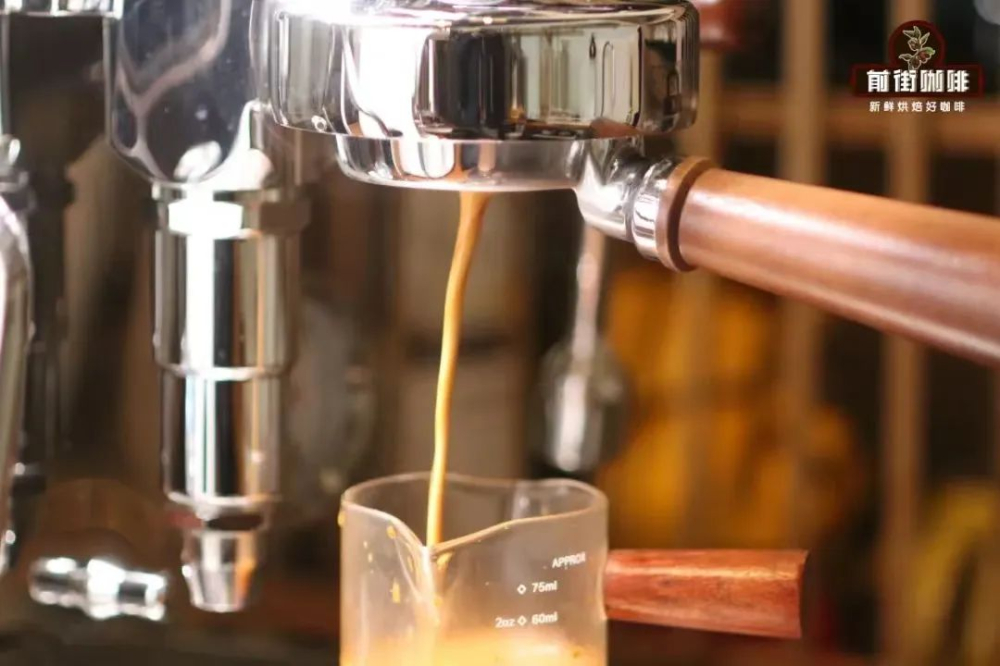
The reason: light roast beans don't expand as much as dark roasts, so the same weight of grounds occupies less volume. Their lower water absorption and expansion also make it easy for water to race through.
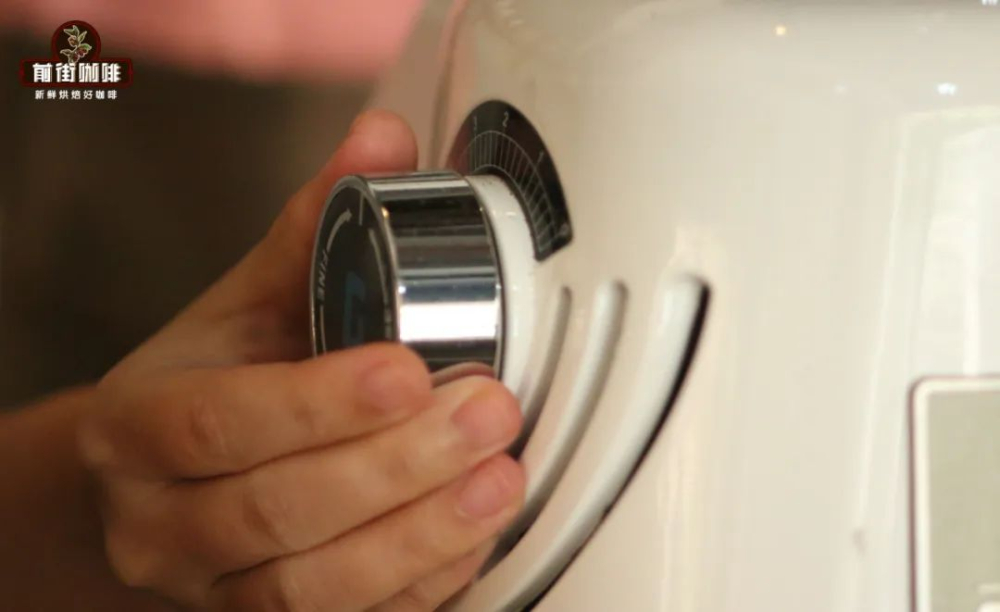
So step one for light-roast espresso is adjusting the grind. If you normally use medium-dark beans, switching to a light roast means grinding finer. When FrontStreet Coffee extracts a light roast washed Yirgacheffe, for instance, we set the espresso grinder 0.3 settings finer. (For reference, our daily grind adjustments stay within ±0.05.)
Using the Same Dose
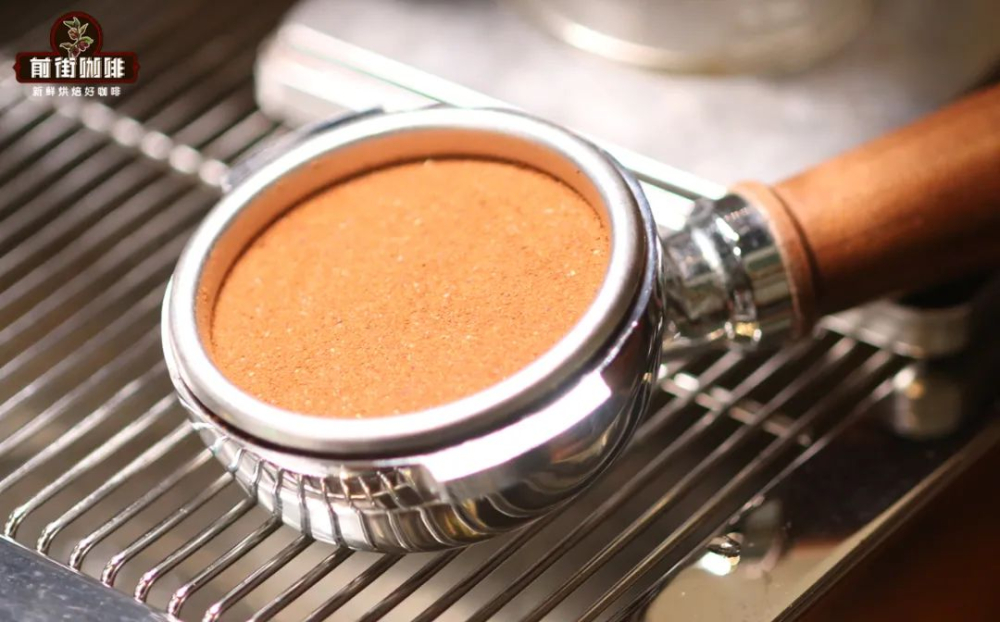
Without adjusting the grind, the light roast puck is already smaller; after grinding finer, it shrinks further. That leaves a longer gap between the puck and the shower screen, so water strikes the puck with greater impact force - and in severe cases can perforate it. A thinner puck also lets water pass through faster, shortening extraction time and leaving the coffee thin and sharply acidic.
The simplest fix is to increase the dose. How much depends on the extraction time and the portafilter's sensible capacity (the tamped puck should align with the basket's ridge). FrontStreet Coffee uses 20g for its Sunflower Warm Blend, but needs 21.3g of light roast Yirgacheffe to reach the ridge line.
Using the Same Pressure
Espresso can extract in about 30 seconds what pour-over needs 2 minutes for - largely thanks to pressure. Typical espresso extraction runs at 9 bar; the higher the pressure, the more efficient the extraction.
Once grind, dose, ratio, and time are all in reasonable ranges but the shot still shows light-roast acidity alongside woody, herbal bitterness, slightly lowering the pressure can solve it. When FrontStreet Coffee pulls espresso from light roasts, we set extraction pressure between 6-7 bar.
FrontStreet Coffee's Summary of Changes for Light Roast Espresso
Here is FrontStreet Coffee's quick reference for making espresso with light roast beans:
- The universal espresso rules still apply: keep a coffee-to-liquid ratio of 1:2 and extraction time between 25-30 seconds.
- Compared with the dark roast beans we're used to, light roasts need a finer grind, a higher dose, and lower pressure. (Grind and dose are linked - the finer the grind, the smaller the tamped volume, so you need more coffee. Both, however, are constrained by time: finer grind and more grounds mean longer extraction. That's why a 25-30 second target is an excellent check on whether your grind and dose are right.)
- Hitting the extraction template doesn't guarantee great coffee. If the flavor still needs work, fine-tune the grind, the dose, and the pressure.

What Does Espresso Made with Light Roast Coffee Beans Taste Like?
First, if you don't normally drink straight espresso, a light-roast shot will feel shockingly intense and acidic. If espresso is part of your routine, the acidity reads as pronounced but layered, with a faint saline sensation. The body naturally falls short of traditional espresso beans, but there's still a creamy, cheese-like texture.
Second, light-roast espresso performs surprisingly well diluted into an Americano: bright, full acidity with good sweetness and bittersweet coffee flavors through the middle and finish, and a lingering aftertaste. (This describes a Yirgacheffe Americano specifically - other light roasts will differ according to their own flavor profiles.)

Finally, light-roast espresso is not really suited to milk drinks. Its profile is dominated by acidity and florals, which milk easily masks - leaving you with milk flavored by a hint of coffee. (Though if you love prominent milk flavor and dislike coffee bitterness, that might be exactly what you want.)
FrontStreet Coffee Recommendation
Unless you're chasing a challenge, most espresso drinkers are better served by medium-dark blends - and that's FrontStreet Coffee's home turf. For traditional americanos and lattes, the Classic Blend and Commercial Blend add a touch of Robusta to old-school espresso recipes, yielding butter, nuts, spice, dark chocolate, and toast aromas with wild, thick body and explosive golden crema that makes latte art effortless.
Craving nutty character - almond, walnut, macadamia? FrontStreet Coffee's Premium Blend and Black Cocoa Blend are built on a large share of Brazil, giving smooth, comfortable bitterness and creamy peanut aromatics; FrontStreet Coffee's Premium Blend adds Colombian chocolate and caramel with gentle acidity, while FrontStreet Coffee's Black Cocoa Blend brings the plum acidity of Yunnan Arabica and a cream-chocolate grind aroma - versatile enough for signature drinks too. And for the adventurous, FrontStreet Coffee's Brazil Queen Estate SOE, a Yellow Bourbon roasted medium-dark, expresses butter cookie, macadamia, and toasted-bread sweetness in a low-acid, extraction-friendly package.
Important Notice :
FrontStreet Coffee is a long-established specialty coffee roaster in Guangzhou China, selling freshly roasted beans from its own farm in Yunnan as well as dozens of carefully selected single-origin beans from around the world for both pour-over and espresso. The products deliver consistently excellent quality and great value, with shipping within 24 hours. Guangzhou's FrontStreet Coffee shop is recommended by many coffee lovers, and the beans are now available online at the Tmall 。
FrontStreet Coffee has moved to a new address:
FrontStreet Coffee Address: 315,Donghua East Road,GuangZhou
Tel:020 38364473
 Scan and follow the En Gafei WeChat official account. Please indicate that the reprint comes from "En Gafei".

