
World Coffee Champion Sasa's 2022 Pour-Over Coffee Competition: The Role of High-Tech Coffee Ice Stones
Sasa Sestic's Surprise Entry into Pour-over Competition
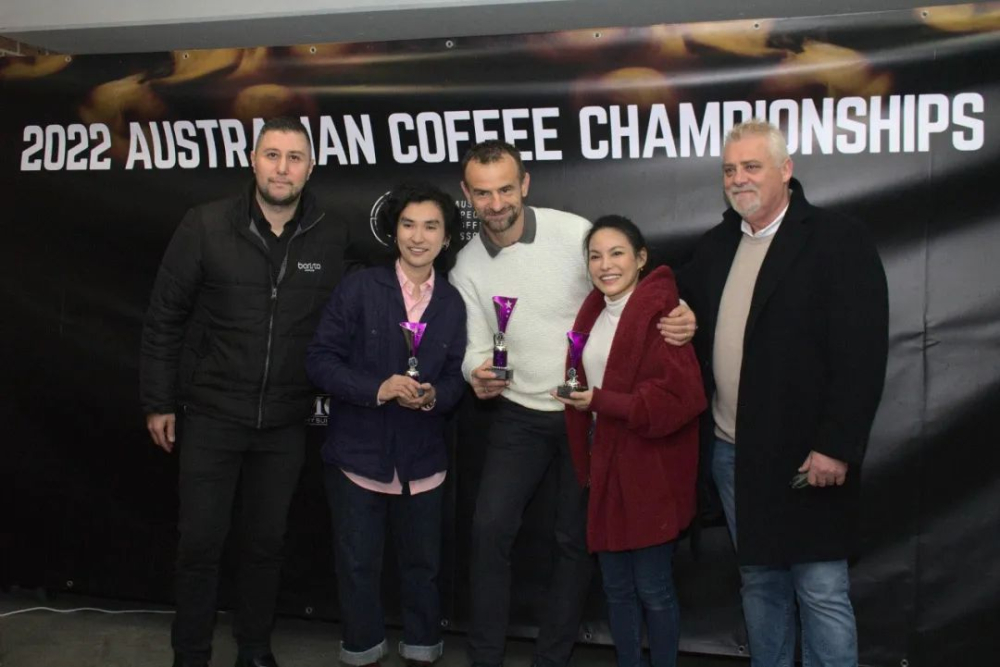
Sasa Sestic, who took the espresso title at the 2015 World Barista Championship (WBC), has surprisingly stepped back into competition — this time on the pour-over stage. Just recently, after a long stretch away from the public eye, Sasa entered the 2022 Australian Brewers Cup with an experimental Geisha lot from Iris Estate, the farm he established together with Jamison Savage, owner of Panama's Deborah Estate.
The Evolution of His Coffee Processing
In the seven years since Sasa won the WBC with his Rumid Sudan coffee processed by carbonic maceration (CM) — a method he developed with the owner of Colombia's La Nubes estate — he has quietly kept refining CM behind the scenes.
When asked why he had not returned to competition sooner, Sasa answered: "To return to competition, I need a genuine and honest reason."
Since CM first appeared, more and more competitors have reached for anaerobically fermented coffees at world-class events. By the 2021 WBC, more than 80% of participants were using experimentally processed specialty coffees (anaerobic processing being the most common), while fewer than 20% stuck with traditional methods.
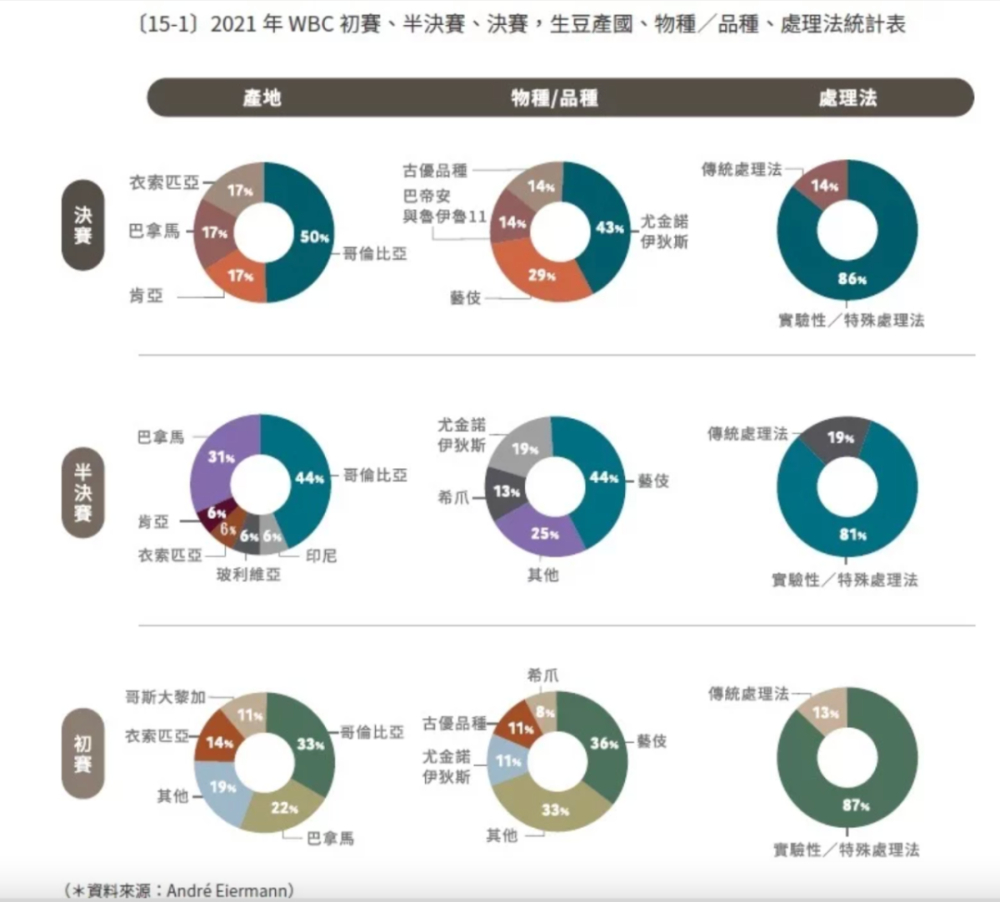
- Han Huaizong, "The Fourth Wave of Specialty Coffee"
Focusing on Terroir and Volatile Compounds
Even as anaerobic fermentation exploded in popularity, Sasa refused to rush. He spent years studying the volatile compounds in coffee. The great appeal of CM is that injecting carbon dioxide eliminates aerobic bacteria in the fermentation environment, letting lactic acid bacteria dominate the entire process. Still, he admitted that anaerobic fermentation can, in some cases, easily mask a coffee's inherent terroir character.
So in recent years he turned his attention to how terroir shapes the taste of the bean — seeking to understand the key factors behind flavor "shaping" across planting, environment, climate, and even shade trees. Once he could grasp the flavor signature of each harvest, he could then control fermentation time and the ambient temperature for the lactic acid bacteria to showcase those terroir traits more clearly after extraction.
That is why, starting in 2017, Sasa and the owner of Deborah Estate began research cultivation at an extreme altitude of 1,850-2,300 meters on the slopes of a volcano in Panama's Chiriqui Province. Inga trees, which produce natural nitrogen, were planted around the coffee as shade, and the surrounding birds, animals, and trees formed a remarkably complete ecosystem — one that "simulates" the rich, colorful environment of the Ethiopian forest.
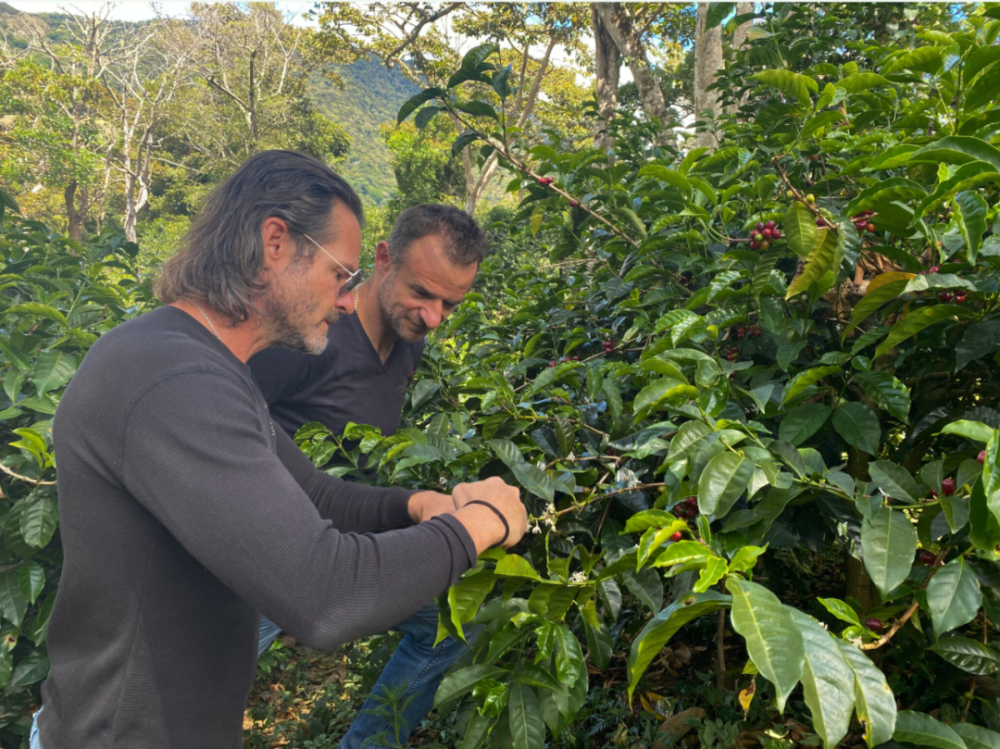
Iris Estate and Experimental Processing
In Sasa's view, coffee "shaped" by such an environment carries exceptionally rich and intense flavors, and with the boost from CM those flavors can be expressed even more clearly.
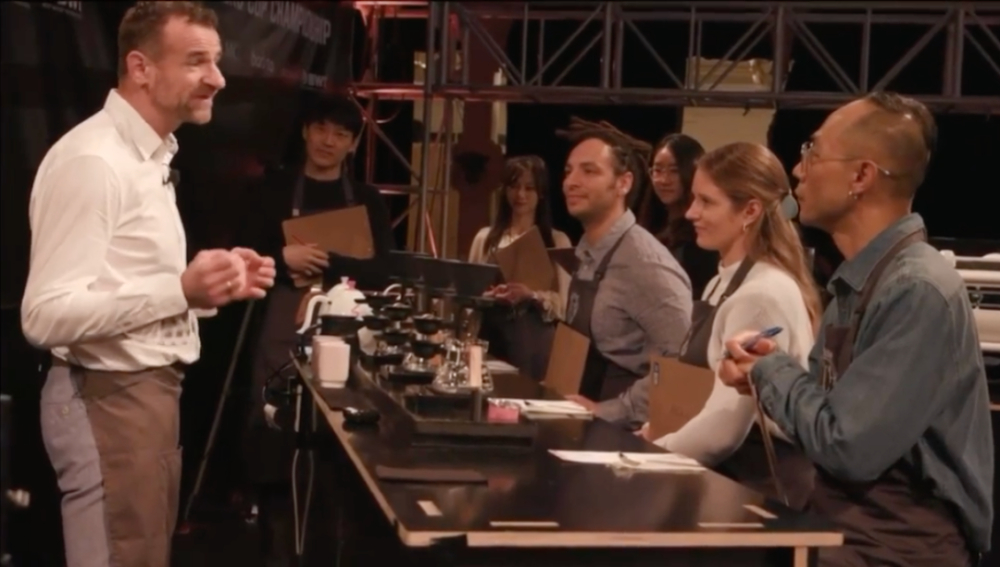
After years of research and groundwork, Sasa brought this Green Tip Geisha — processed with experimental ultra-long carbonic maceration — to the Australian Brewers Cup. Paired with an extraction method tailored specifically to this lot, it revealed a rich, intense, candy-like sweetness.
How the Experimental Process Works
According to Sasa, this experimental micro-batch of Green Tip Geisha was selected from fully ripe red cherries. After picking, the cherries go into sealed stainless steel containers that resist bacterial contamination, and carbon dioxide is injected under pressure to create an anaerobic environment inside.
After fermenting at a suitable temperature for a period of time, the temperature inside the sealed container is lowered so the lactic acid bacteria take over. Sasa says that after this batch spent 90 hours fermenting in that low-temperature environment, the moment the container was opened the coffee showed raspberry notes and candy-like sweetness.
The Perfect Brewing Method
To let this coffee express itself fully during extraction, Sasa also consulted Professor Jahan to work through the science of the brewing process together. First, Sasa found that starting the brew directly on dry filter paper accentuates the coffee's volatile aromatics, bringing a pleasant sweetness reminiscent of Turkish delight to the aftertaste.
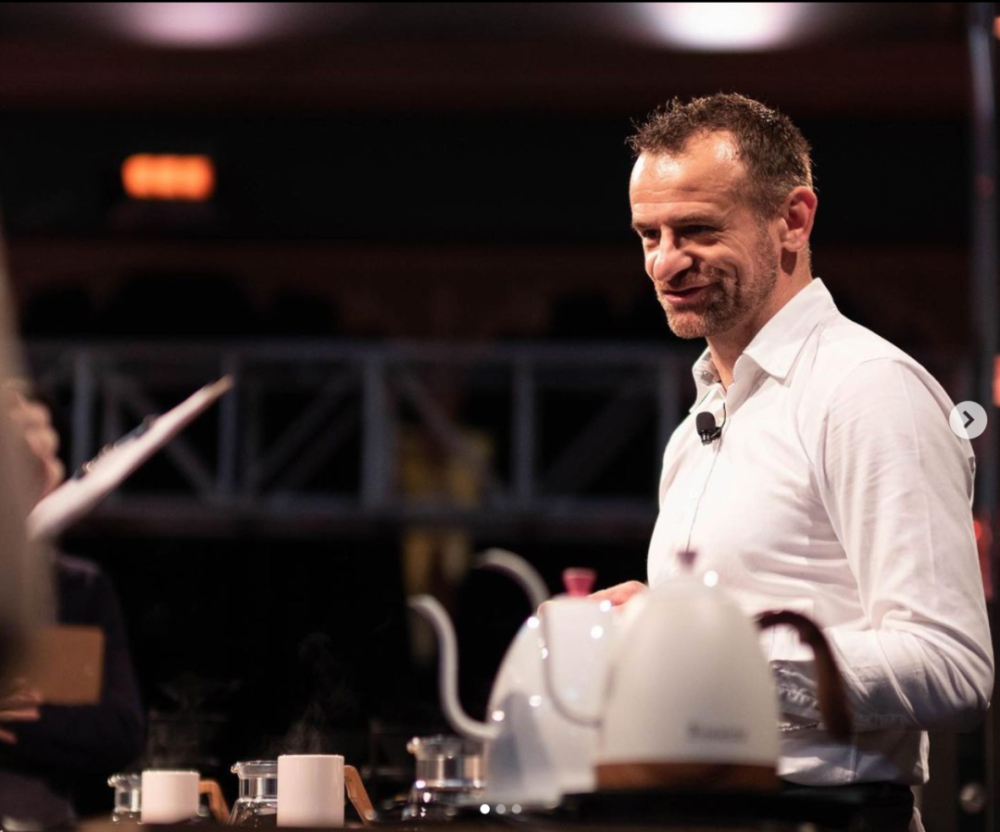
To capture even more of those volatile aromas, Sasa invented a new brewing technique — Paragon Coffee Brewing. In the dripper he brought to the competition sits a self-designed ice stone that locks in the aroma of the freshly extracted coffee.
Sasa first drew circles through the grounds in the dripper so the coffee bed would settle evenly and extract consistently. In the first stage he poured in circles to wet all of the grounds; in the second stage he poured quickly into the center with a large water flow.
The goal is to lift the fines upward and let the coarser particles settle at the bottom. The fines near the top then spend less time in contact with hot water, avoiding the extraction of harsh bitterness, while the coarser particles at the bottom help push the extraction rate up.

The coffee extracted across these two stages is rapidly chilled as it passes the ice stone, locking in the volatile aromatics. According to Sasa, the ice stone can boost the coffee's aroma by up to 40%, preserving more distinct notes of rose water, raspberry, and hibiscus tea in the cup.

The Four-Stage Extraction
Wait — it doesn't end there. After the first two pours, Sasa moved the ice stone aside and continued with a fast center pour at high flow rate for a third stage of pours to push the extraction rate further. The first three stages all used 93°C water to highlight the coffee's tartaric acid.
For the fourth and final pour he switched kettles, dropping the water temperature to 88°C and using Malaysian hot spring water with a silica concentration of 50ppm — silica, he explains, draws more candy-like sweetness out of the coffee.
Complex, isn't it? Yes — genuinely complex. Day-to-day brewing would struggle to replicate parameters like these, and they would not necessarily suit other coffees anyway.
Once the four-stage brew was finished, the coffee showed hibiscus tea while hot, with purple grape and a near-rose champagne note in the aftertaste; at medium temperature it showed red apple, with a red-apple acidity lingering; as it cooled it offered red candy, as if the raspberries had turned to candy, again with red apple acidity in the finish, closing on chocolate-covered Turkish delight, with a layered, diverse acidity throughout.
Competition Results and Philosophy
Before the competition, Sasa said that a major part of his motivation this time was simply the chance to show his drive and passion for coffee craft and to share it with family and friends.
Once again he gave us a wonderful performance and demonstrated his pursuit of, and passion for, great coffee. Experimental processing can certainly make a coffee's flavors shine, but at the end of the day it is still an everyday craft: daily processing, daily cupping, daily competition — and competitions bring wins and losses like anywhere else.
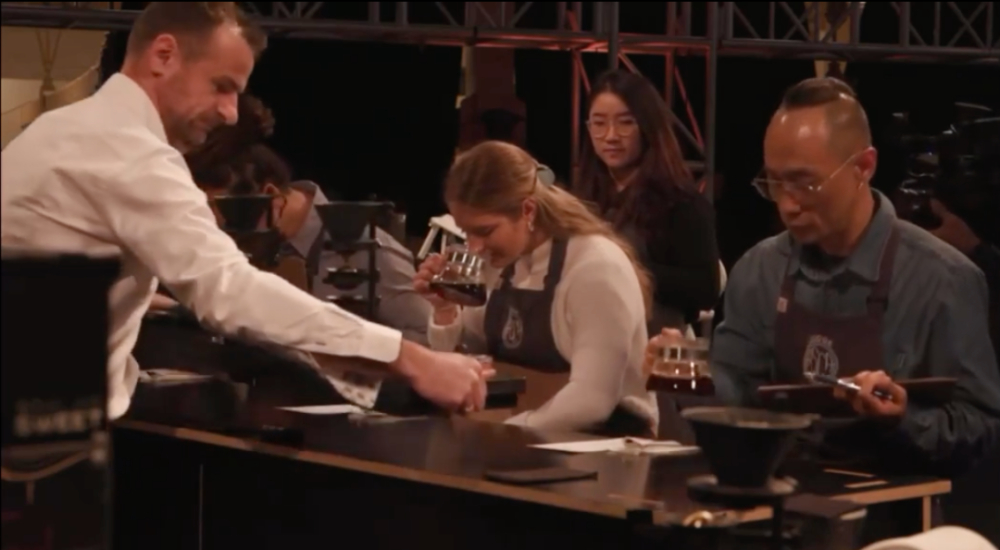
That said, Sasa took second place at the 2022 Australian Brewers Cup! The champion was another very talented barista, the Korean-born Harry Ko, who will also represent Australia at this year's WBC. Regardless of results, every competitor on that stage deserves our respect — and our willingness to learn from their dedication, focus, and commitment to a single craft.

Future Innovations
As for the ice stone Sasa used at the competition, he mentioned on Instagram that he will reveal its secrets to everyone in the coming weeks. Once he does, Coffee Workshop will follow up with a full breakdown for readers.
Image source: sasasestic Instagram, internet
FrontStreet Coffee Recommendation
If Sasa's terroir-driven Geisha has you curious about the variety itself, FrontStreet Coffee carries a full Geisha lineup. For a first taste of the classic Panama profile, the entry-level FrontStreet Boquete Geisha delivers the signature orange-blossom sweetness and honeyed aroma of high-quality Panamanian Geisha at a friendly price, with an oolong-tea-like body, delicate fruit acidity, and clear layering. Ready to go further? The FrontStreet Esmeralda Green Label Geisha (Private Collection) blends lots from multiple high-altitude plots on the famous Esmeralda Estate to show the estate's hallmark Geisha character, making it one of the best value picks in the range, while the Red Label (Esmeralda Special) comes from single named plots grown at 1,600-1,800 meters, with each lot cupping above 90 points and carrying its own batch number.
For lovers of bright, floral cups, FrontStreet also offers Geisha Village coffees from Ethiopia, the birthplace of the variety: the Gold Label, a Geisha 1931 lot that accounts for just 10% of the estate's production, is carefully natural-processed and frequently chosen by competition baristas, while the Red Label, a Gori Gesha single-terroir series scoring 88 or above on the SCA 100-point scale, offers full traceability from farm block to processing date. At home, FrontStreet suggests brewing Geisha medium-light, at a coarseness equivalent to about 78% retention on a #20 sieve (roughly fine-granulated sugar), with 91°C water and a 1:16 ratio to let those floral and fruit notes sing.
Important Notice :
FrontStreet Coffee is a long-established specialty coffee roaster in Guangzhou China, selling freshly roasted beans from its own farm in Yunnan as well as dozens of carefully selected single-origin beans from around the world for both pour-over and espresso. The products deliver consistently excellent quality and great value, with shipping within 24 hours. Guangzhou's FrontStreet Coffee shop is recommended by many coffee lovers, and the beans are now available online at the Tmall 。
FrontStreet Coffee has moved to a new address:
FrontStreet Coffee Address: 315,Donghua East Road,GuangZhou
Tel:020 38364473
 Scan and follow the En Gafei WeChat official account. Please indicate that the reprint comes from "En Gafei".

