
Does Luckin Coffee's Gesha SOE Coffee Taste Good? Why Is Luckin's Gesha So Inexpensive
The Geisha Coffee Controversy
Recently, Luckin's Geisha coffee became a hot topic in the coffee community.
"Dark-roasted Geisha — isn't that wasting the beans?" "Are they using competition-grade coffee beans?"
"Such good Geisha reduced to dishwater..." "Selling this cheap and it's still Geisha?"
...

Understanding Geisha Coffee
"Geisha" became known to most enthusiasts thanks to Hacienda La Esmeralda in Panama, and to the specialty coffee industry's perfect reading of the variety over the past decade.
So when most people first encounter Geisha, they naturally associate it with specialty coffee and with the pricier Geisha from Panama's small regions.
In reality, though, Geisha is a cultivar line, not a single variety. The Geisha everyone loves today is mostly "Geisha T2722," a branch of the line that has been "tamed" over several generations and carries delicate floral and fruity aromas.
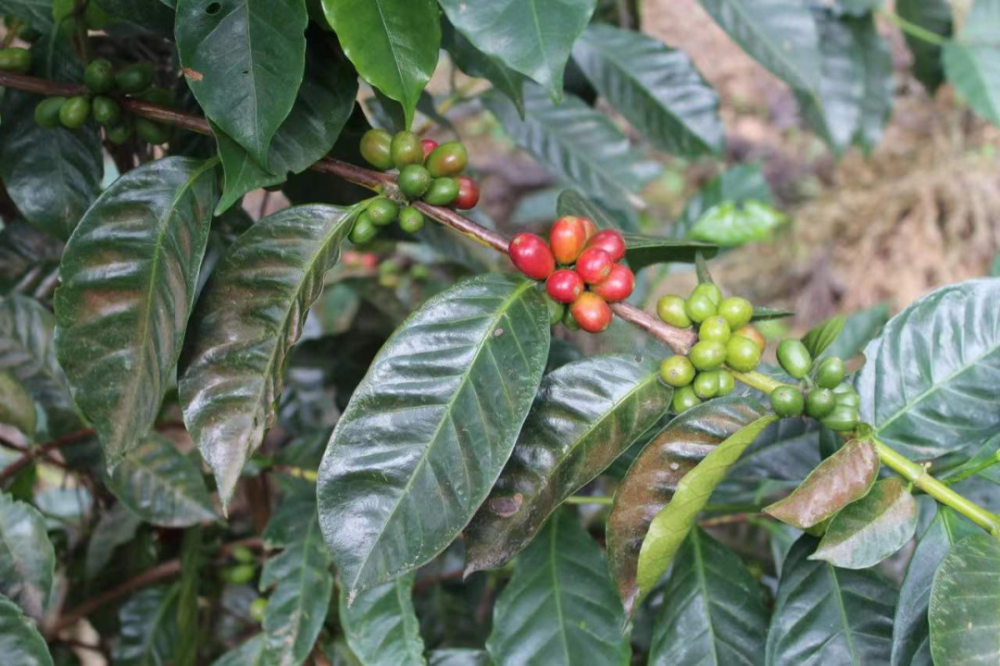
Besides T2722, many other Geishas are used in varietal breeding. In Ethiopia, the birthplace of the Geisha cultivar, there are also many native Geisha beans. Although they're all Geisha cultivars, these native beans taste completely different from the Panamanian Geisha everyone knows.
The Luckin Geisha
As a commercial coffee brand, its product positioning, pricing, and use of the term "Gesha" already signal that this release does not come from Panama or other South American regions where Geisha is grown.
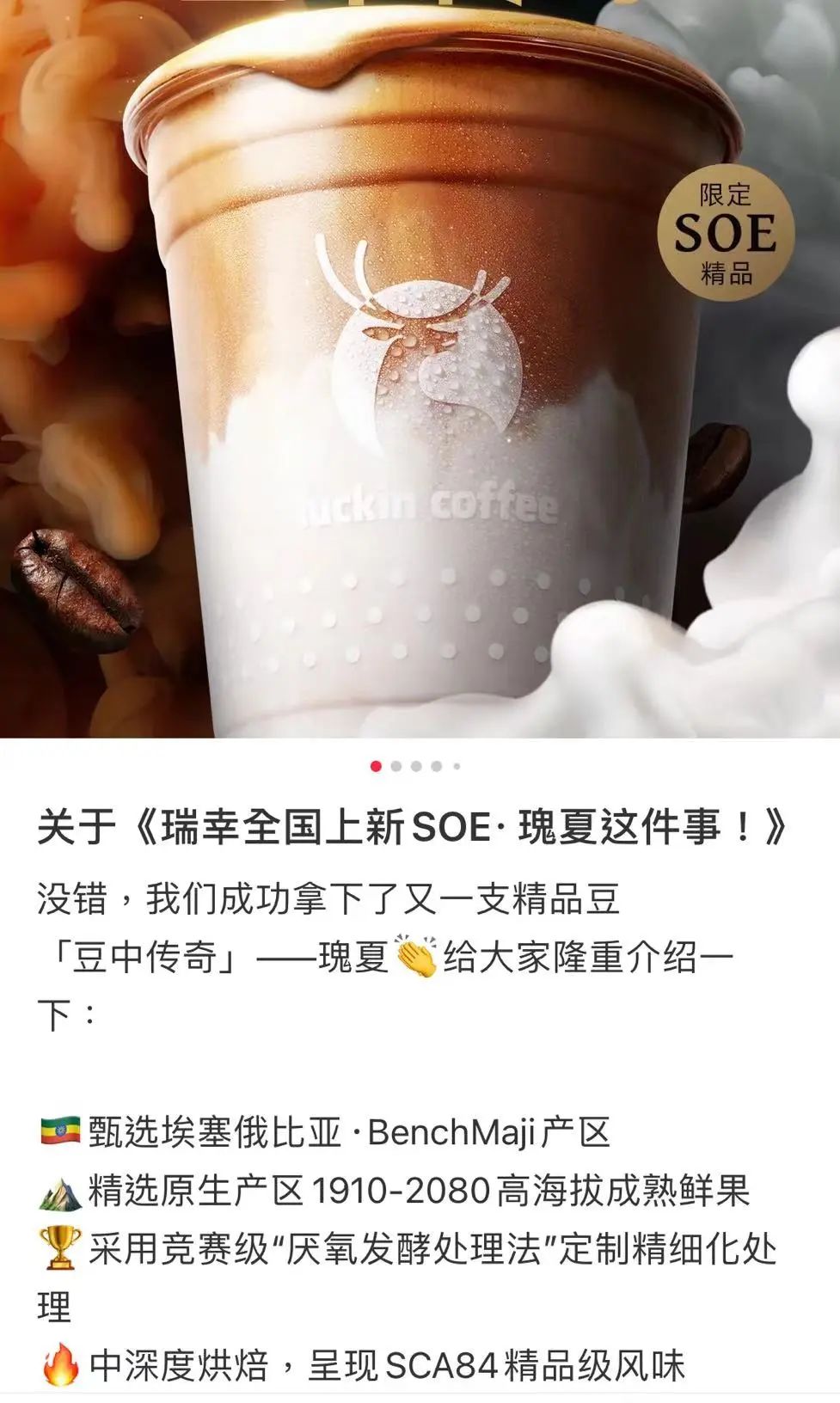
The Gesha Luckin used this time comes from the Bensa Maji region of Ethiopia, one of the first sample-collection areas marked as Gesha and sent to British plantations in Kenya for cultivation.
Most Ethiopian coffee produced there is therefore called Ethiopian native Gesha, and its production volume is as abundant as the Ethiopian native varieties (Heirloom) we drink daily. Both belong to a natural mixed variety (because they can't be finely classified) and are graded G1-G5 by green-bean defect rate.
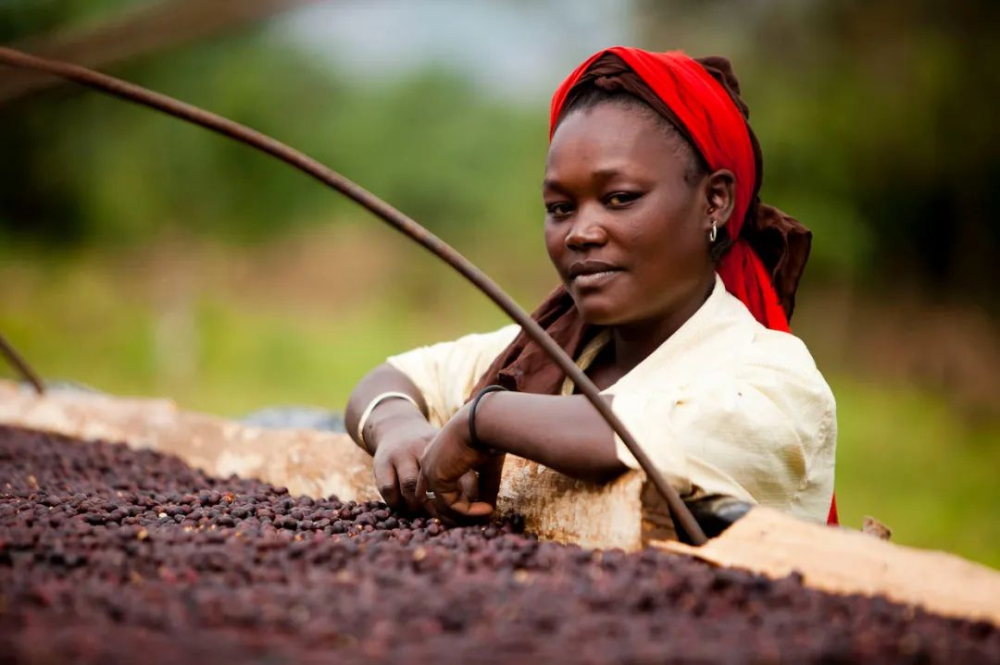
Regardless of grade, their quality, flavor, and price differ greatly from coffee grown in South American regions or Ethiopia's Geisha Village, and they aren't defined as specialty coffee beans either. According to Xu Baolin's "Bean Hunter 2," native Geisha varieties, when dropped after second crack, cup with flavors of berries, nuts, spices, plant roots, and stems.
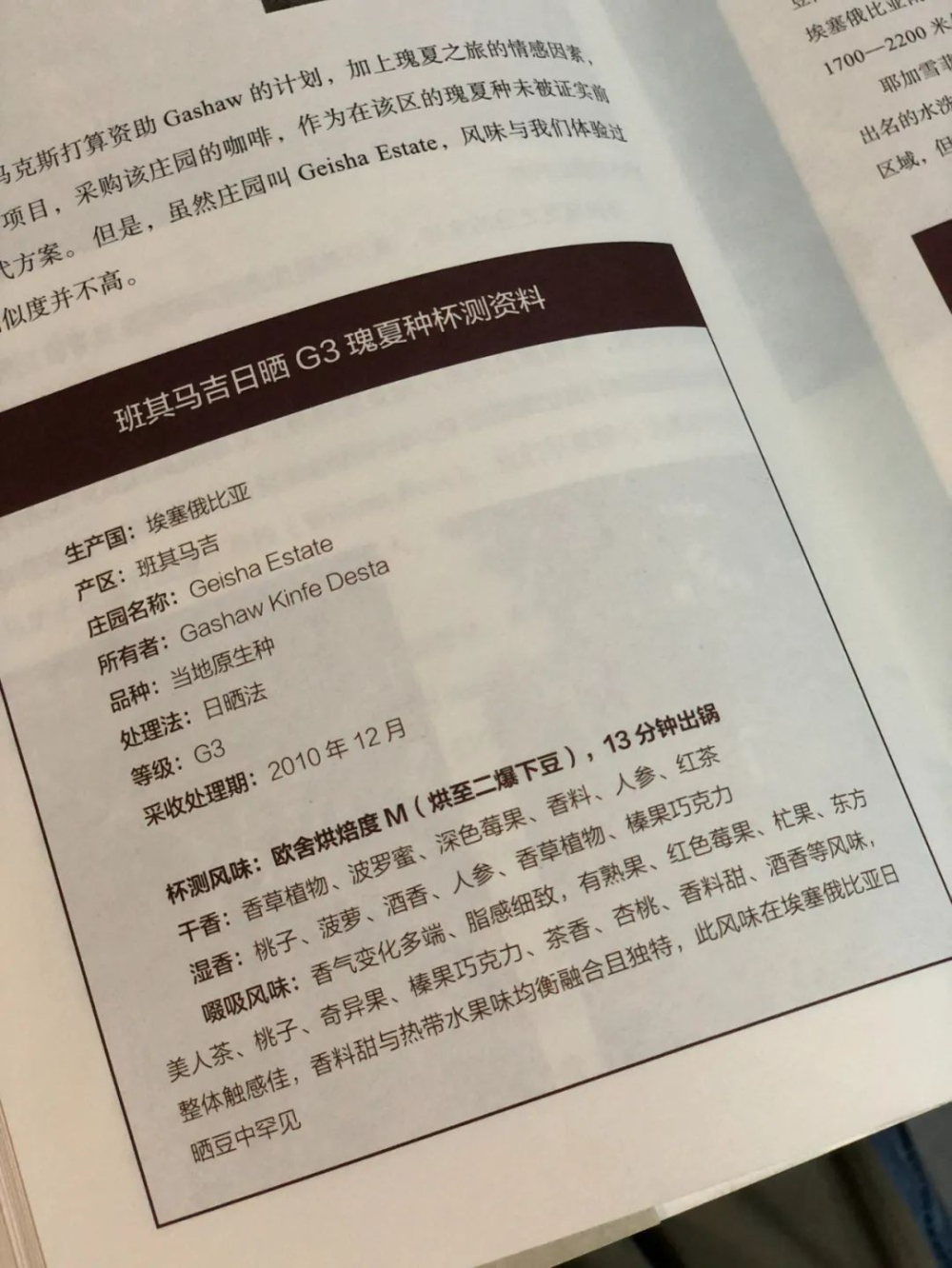
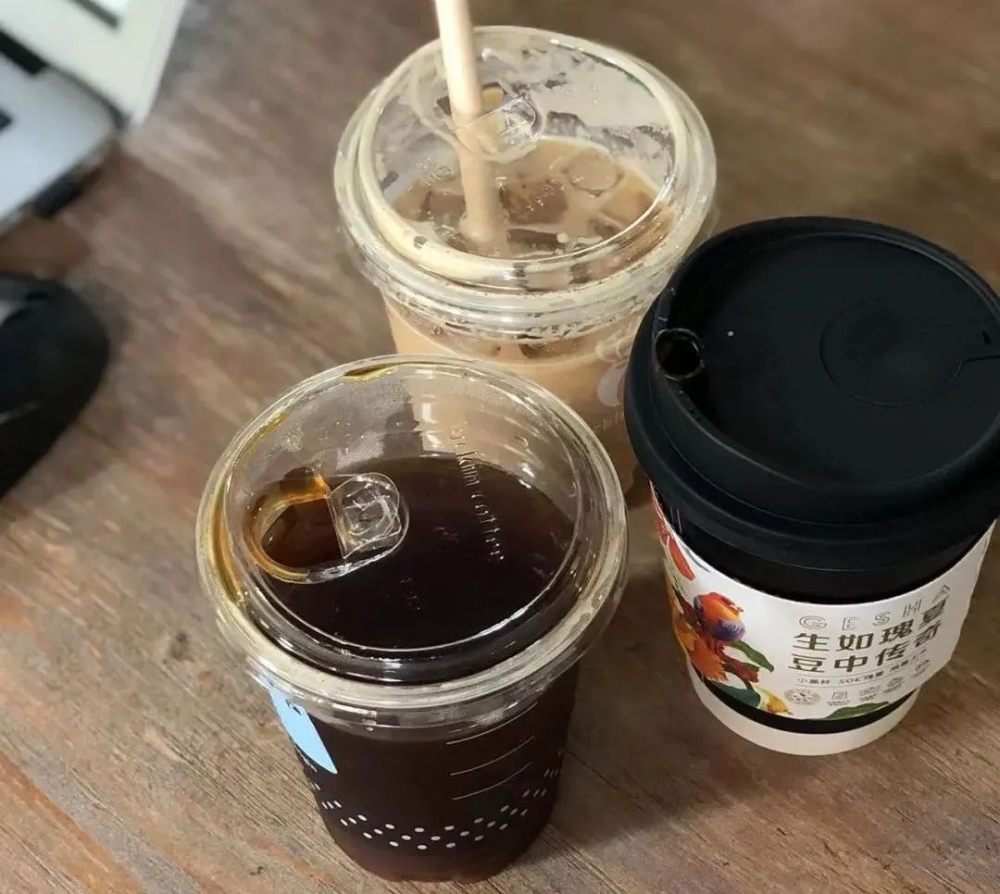
Notably, Luckin also uses beans that are close to or dropped after second crack. As a commercial brand, it pursues consistency in every cup. Light roasting obviously can't deliver that, nor is it necessarily suited to espresso production. So if you don't expect the captivating floral and fruity aromas of Panamanian Geisha and simply want obvious coffee flavors, this Geisha SOE is on point.
Reaching 80 points or above as stipulated by the SCA isn't difficult for a coffee bean — plenty achieve such scores today. For competition level, this Geisha uses anaerobic fermentation processing, also one of the methods favored by many competition participants today.
Using "specialty grade" and "competition grade" for promotion, for Luckin Coffee the benchmark is profit, while for those who pursue coffee the benchmark is culture, professionalism, and taste. Both perspectives are valid, but they aren't on the same footing. For general consumers it doesn't matter — what counts is whether they feel the coffee they bought was worth it.
Opportunities for the Specialty Coffee Market
Better development of the specialty coffee market can't be separated from the popularization of coffee beans. Luckin's promotion can quickly make many people aware of Geisha, which clearly isn't a bad thing. Frankly, it's an effect many small cafes have long tried hard to achieve without success.
Many coffee shops have probably noticed that since Luckin launched Geisha, more customers have become interested in learning about it. Isn't that a chance to showcase the charm of independent specialty coffee shops? Commercial coffee gives general consumers an opportunity to get to know coffee, and what specialty shops need to do is refine that knowledge. When consumers have a preliminary understanding of and interest in Geisha, baristas can use a more professional perspective and vivid language to talk with curious customers about what Geisha is and what Geishas from different growing regions offer. Let every customer who comes in feel the charm of a specialty coffee shop.
Nobody needs to worry that ten-yuan Geisha will steal business from hundred-yuan Geisha, because they target completely different customer bases. The latter may not choose the former, but the former could become the latter. Whether that conversion succeeds depends on whether specialty coffee shops can make consumers feel that spending over a hundred yuan is worth it.
Image source: Internet
FrontStreet Coffee Recommendation
If Luckin's affordable Geisha left you curious about what a top-tier lot actually tastes like, FrontStreet Coffee's collection shows the range. The benchmark is FrontStreet Esmeralda Red Label Geisha, officially "Esmeralda Special": grown at 1,600-1,800 meters, every lot cupped above 90 points with its own number and drawn from a single small plot, it layers jasmine, citrus, bergamot, and black-tea finesse with a long, clean sweetness.
For a more approachable first taste, FrontStreet Coffee's Boquete Geisha is an entry-level Panama Geisha that delivers the classic orange-blossom honey tone, oolong-tea character, and fine fruit acidity at a friendly price. Brew either with a V60 at 15g, a 1:16 ratio, 91°C water, and a grind about the size of fine sugar (78% pass-through on a #20 sieve); a three-stage pour finishing in about 2 minutes 10 to 2 minutes 20 seconds shows what makes this variety worth the fuss.
Important Notice :
FrontStreet Coffee is a long-established specialty coffee roaster in Guangzhou China, selling freshly roasted beans from its own farm in Yunnan as well as dozens of carefully selected single-origin beans from around the world for both pour-over and espresso. The products deliver consistently excellent quality and great value, with shipping within 24 hours. Guangzhou's FrontStreet Coffee shop is recommended by many coffee lovers, and the beans are now available online at the Tmall 。
FrontStreet Coffee has moved to a new address:
FrontStreet Coffee Address: 315,Donghua East Road,GuangZhou
Tel:020 38364473
 Scan and follow the En Gafei WeChat official account. Please indicate that the reprint comes from "En Gafei".

