
How to Make Osmanthus Latte? Introduction to Extraction Method of Espresso with Osmanthus
Today FrontStreet Coffee is introducing a fun and delicious way to prepare coffee: adding osmanthus flowers to the espresso grounds during extraction.

Why Osmanthus?
Osmanthus is an extremely aromatic flower that appeals to almost everyone's sense of smell. It is also a well-established ingredient in food, appearing in treats such as osmanthus cakes and osmanthus tea.
Among coffee flavor descriptions, osmanthus is in fact a recognized note. Many osmanthus-flavored coffee drinks are made by adding osmanthus seasoning to a coffee liquid. Because osmanthus naturally carries such a distinct aroma, adding it to the grounds during extraction may let us taste osmanthus in the coffee itself.
How Much Osmanthus to Add?
FrontStreet Coffee would first like to talk about choosing the osmanthus. If you have osmanthus plants growing at home, never pick the fresh flowers for direct use, because fresh osmanthus cannot be consumed as is and must be dried first. You can look up specific drying methods online.
Edible dried osmanthus, of course, is easy to buy on shopping platforms for just over ten yuan, which will get you a large package.
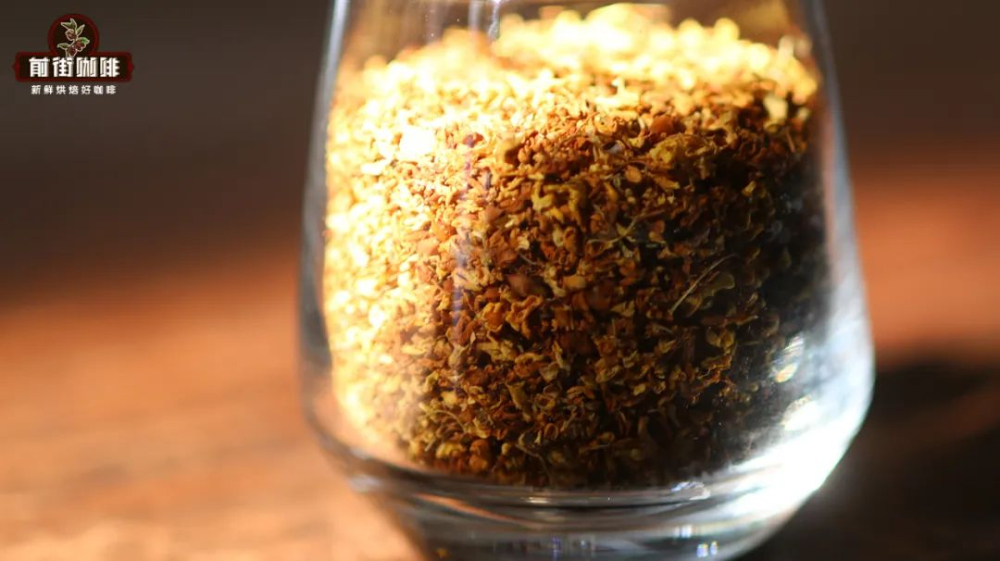
When adding osmanthus to coffee grounds, we are not after the taste of osmanthus but the floral aroma in the cup. In fact, osmanthus infused in water has little flavor but gives off abundant fragrance. The amount added should therefore be enough for only a subtle osmanthus aroma in the coffee: floral scents are elegant and pleasant when subtle but become overwhelming and unpleasant when too strong.
Osmanthus also affects the density structure of the coffee puck, so more is not necessarily better. After multiple tests, FrontStreet Coffee found that adding 0.3-0.5g of dried osmanthus to 20g of coffee is optimal.
Extraction Methods
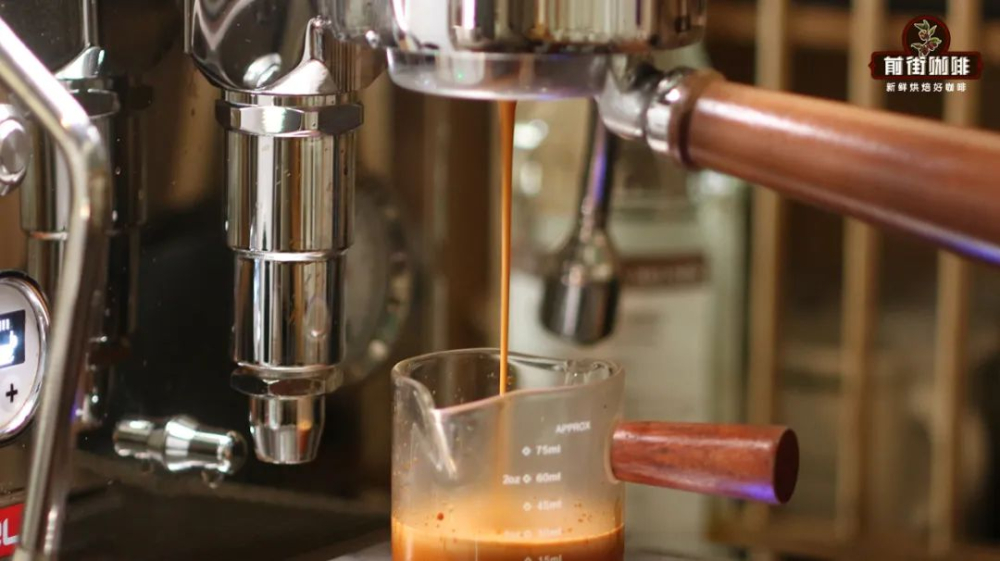
Given the significant differences in density and volume between osmanthus and coffee grounds, there is a risk of channeling during extraction. FrontStreet Coffee therefore set out to test which extraction method works best.
Method 1: Osmanthus on Top
This method means adding the coffee grounds to the portafilter first, leveling them gently, then sprinkling dried osmanthus over the surface before tamping the puck.
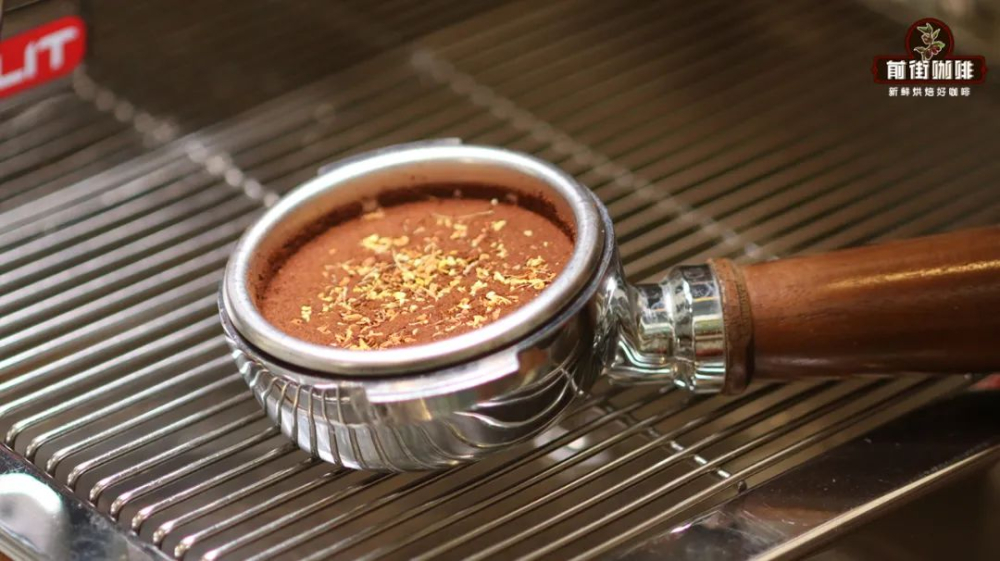
The extraction was very stable with no channeling observed. The espresso immediately revealed osmanthus aroma. Inspecting the spent puck afterward, the surface structure remained intact, and the puck gave off a wonderfully fragrant osmanthus scent.
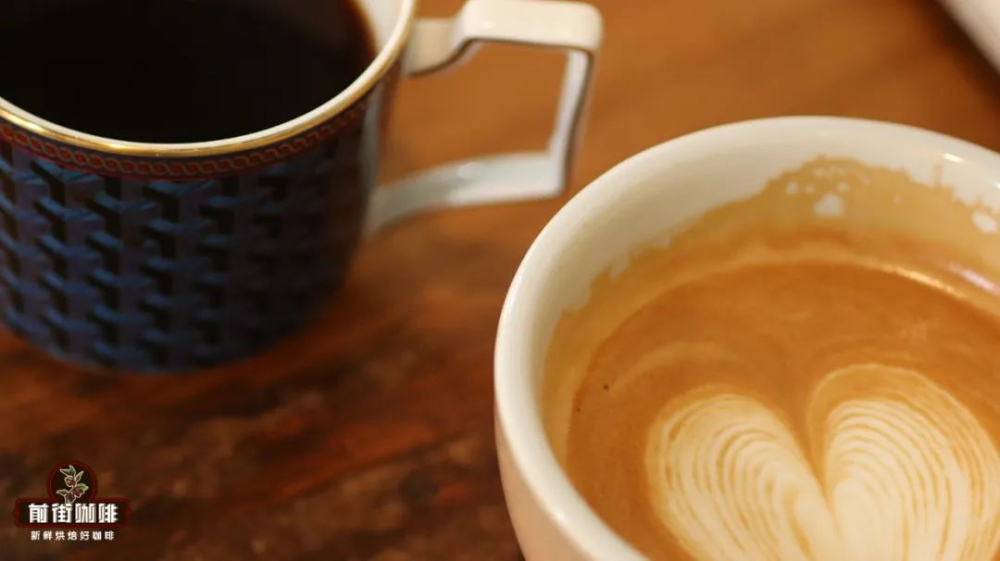
Made into an Americano, the coffee showed a subtle osmanthus aroma that was very pleasant. Made into a latte using the same espresso proportions, the osmanthus aroma was somewhat masked by the milk.
Method 2: Osmanthus at Bottom
This extraction method places the dried osmanthus at the bottom of the portafilter first, adds the coffee grounds on top, then distributes and tamps before extraction.
The extraction was generally stable, though occasional slight spurting, or channeling, occurred. Extraction times remained consistent. The espresso showed noticeable osmanthus aroma. After inspecting the spent puck, the osmanthus at the bottom remained integrated with the coffee puck, forming a cohesive whole.

Made into both an Americano and a latte, both drinks clearly exhibited osmanthus aroma.
Method 3: Mixing Osmanthus with Coffee Grounds
This method mixes the coffee grounds with dried osmanthus before placing them in the portafilter, then distributing and tamping before extraction.
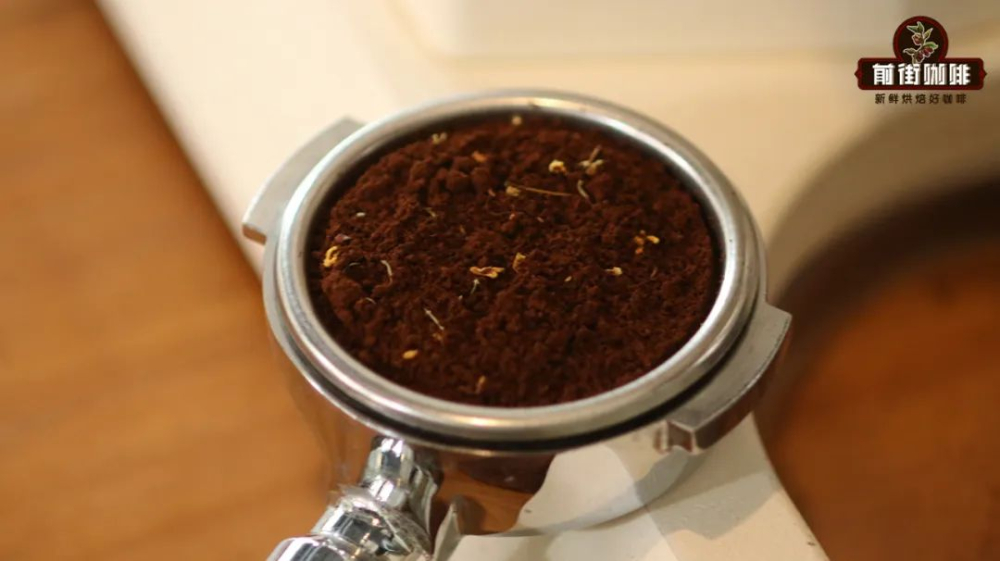
During extraction the flow rate became unstable midway, accompanied by slight spurting, or channeling. Extraction time was 1-2 seconds faster than usual. Inspecting the coffee layer afterward, visible cracks had appeared in the puck. Though not severe, this showed that osmanthus in the grounds affects the density structure and makes channeling more likely.

Made into an Americano, the coffee tasted somewhat acidic because of the channeling and the slightly shorter extraction. Made into a latte, the coffee flavor was somewhat milder. Even so, both drinks still delivered osmanthus aroma.
Conclusion
Based on the results, placing osmanthus at the bottom of the portafilter gave the best results, while placing it on top provided the most stable extraction. We encourage you to try these methods yourself; impressive results await.
FrontStreet Coffee Recommendation
A floral touch like osmanthus pairs best with beans that already lean creamy and sweet. The FrontStreet Specialty Blend is a medium-dark espresso blend of washed Colombian and semi-washed Brazilian beans that shows nut, dark-chocolate, and caramel notes; in an Americano or a latte it foregrounds cream, almond, and cocoa, and it has enough crema to match a cafe. The FrontStreet Classic Blend, a medium-dark combination of three origins with a little Robusta, is engineered for rich crema and works especially well with milk; extraction releases butter, toasted bread, and caramel-cookie aromas with a solid, stable body. For a fruitier milk drink, the FrontStreet Strawberry Candy coffee beans are a popular fruit-forward espresso blend that layers the natural flavors of Arabica from different origins into a vivid strawberry-fudge sweetness; it suits everyday home drinking and commercial cafe service alike, and a single bag covers many brewing methods.
Important Notice :
FrontStreet Coffee is a long-established specialty coffee roaster in Guangzhou China, selling freshly roasted beans from its own farm in Yunnan as well as dozens of carefully selected single-origin beans from around the world for both pour-over and espresso. The products deliver consistently excellent quality and great value, with shipping within 24 hours. Guangzhou's FrontStreet Coffee shop is recommended by many coffee lovers, and the beans are now available online at the Tmall 。
FrontStreet Coffee has moved to a new address:
FrontStreet Coffee Address: 315,Donghua East Road,GuangZhou
Tel:020 38364473
 Scan and follow the En Gafei WeChat official account. Please indicate that the reprint comes from "En Gafei".

