
Flavor Profile and Taste Characteristics of Kenya Muranga Limpopo Coffee Beans
Muranga Region
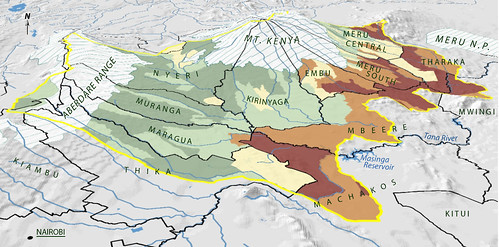
Situated near Mount Kenya and bordering the Nyeri region, Muranga enjoys fertile volcanic soil that feeds its coffee trees. The area has two rainy seasons a year — typically March–April and November–December — with rainfall abundant enough that artificial irrigation is unnecessary.
Muranga is home to multiple coffee processing facilities. Because individual farmers harvest relatively small quantities, they bring their fresh cherries to nearby washing stations for processing on the same day.
Kangunu Cooperative
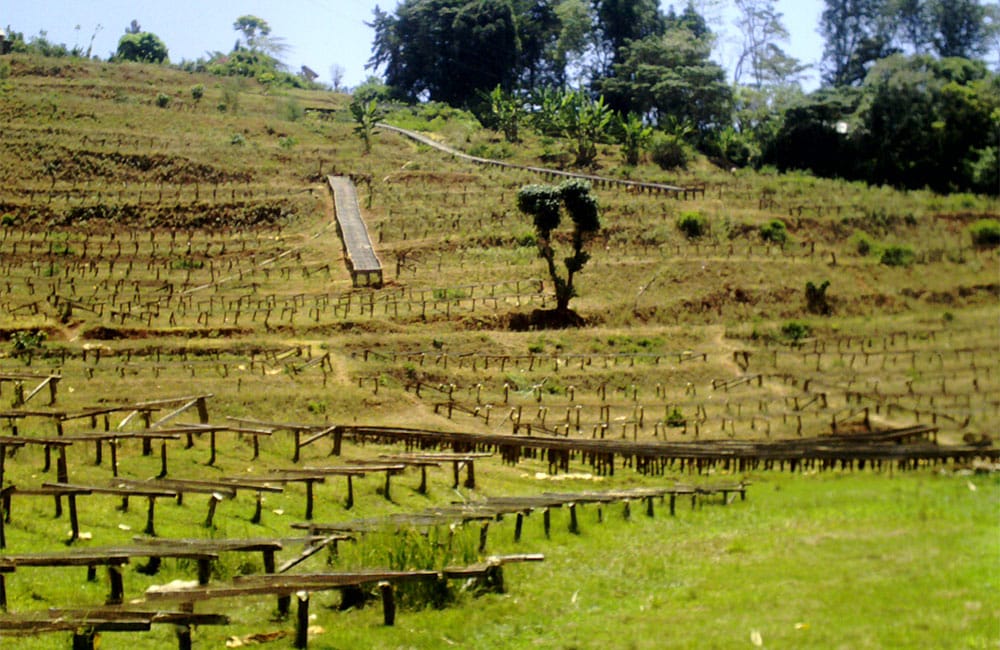
The Kangunu Cooperative sits in the Kangema area of Muranga County at 1,600–1,750 meters. More than 2,000 member farmers surround it, and every lot of coffee cherries is harvested and processed fresh the same day — a discipline that has earned the cooperative an excellent local reputation. Both the cooperative and its producers hold Rainforest Alliance certification and follow environmentally friendly practices to reduce the impact of cultivation.
Processing Method
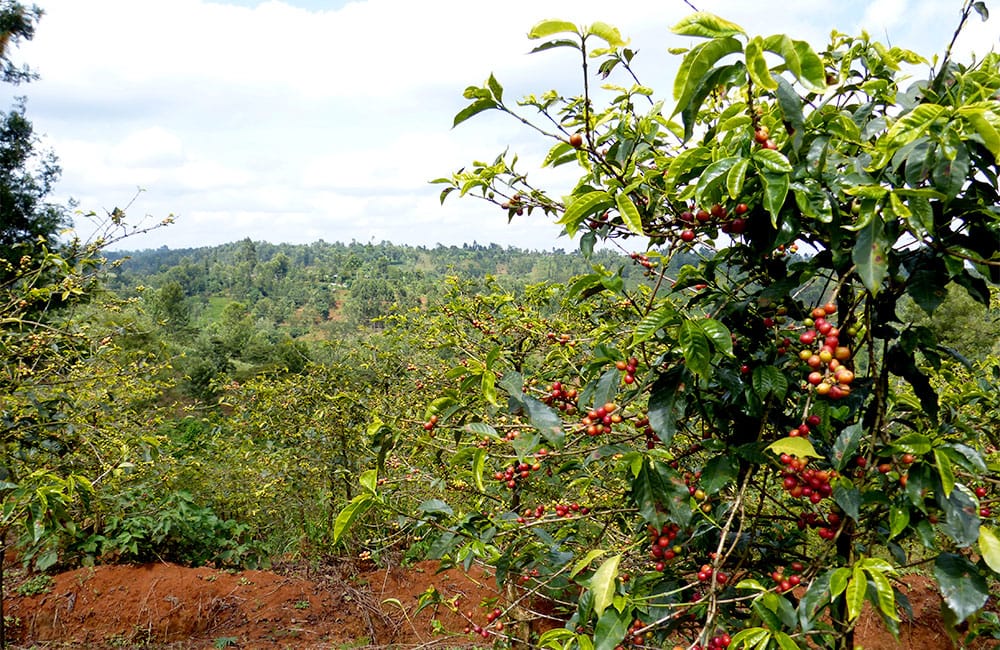
After pulping, the Kangunu Cooperative uses washed fermentation: the mucilage layer ferments for 24 hours, removing roughly 90% of it. The beans then go through a second washing and soak in water tanks for another 24–48 hours, after which any remaining mucilage is washed away. Finally, the beans dry on raised African beds for 5–10 days. This is Kenya's distinctive 72-hour wash — the famous K72 process.

Coffee Beans
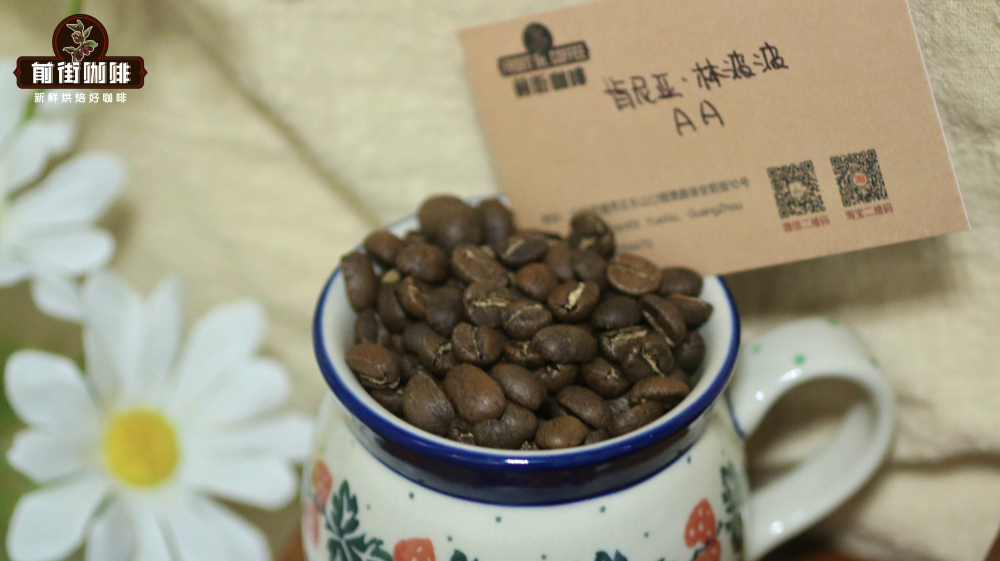
This lot of Limpopo beans from the Kangunu Cooperative, acquired by FrontStreet Coffee, is graded AA — meaning screen size 17–18, with defective beans strictly controlled.
Limpopo blends three varieties: SL28, SL34, and Batian.
The SL prefix comes from Kenya's Scott Laboratories. In the 1930s, coffee berry disease swept through Kenya's coffee trees, and the government commissioned Scott Laboratories to breed resistant varieties. Among the results, varieties No. 28 and No. 34 combined strong disease resistance with outstanding cup character, and farmers adopted them widely.
Kenya's breeding work never stopped. Batian, one of the newer varieties, was released in 2010 with very high disease tolerance, high yields, and an elegant flavor — and in recent years its cultivation has become increasingly common across Kenya.
Coffee Information
FrontStreet Coffee: Kenya Limpopo Coffee Beans
Region: Muranga Region, Kangunu Cooperative, Kenya
Altitude: 1,600–1,750 meters
Varieties: SL28, SL34, Batian
Grade: AA
Processing Method: Washed (K72)
Flavor Notes: Hawthorn, Berries, Plum, Dried Fruit
Brewing Reference
Having undergone full washed processing, this Kenyan coffee carries distinctive fruit character. FrontStreet Coffee roasts it light to preserve as much fruit aroma as possible. Cupping revealed very prominent acidity — the dark-fruit tartness of plum and hawthorn — combined with the concentrated sweetness of dried fruit.
Dripper: V60
Water Temperature: 90–91°C
Coffee Amount: 15g
Coffee-to-Water Ratio: 1:15
Grind Size: Fine-granulated-sugar (80% passes through a #20 sieve)
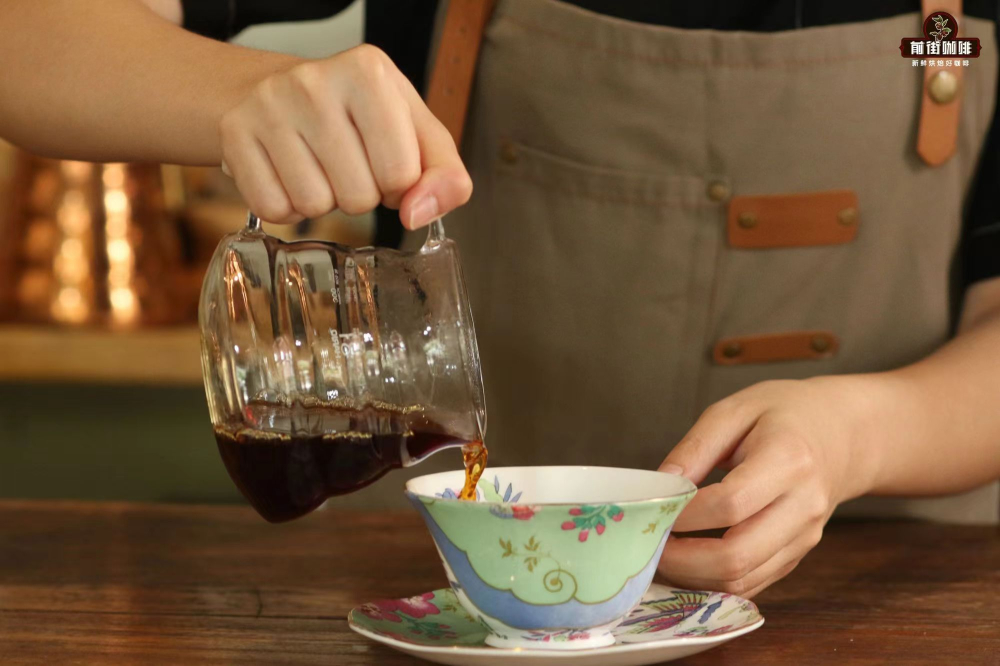
Segmented Extraction: Bloom with 30g of water for 30 seconds. Using a small water flow, pour in circles to 124g, then pause. Resume pouring to 228g once the water level drops to just above exposing the coffee bed. Remove the dripper when the bed is just about to show (timing starts from the bloom). Total extraction time: 1'55".
Poured by hand, Limpopo opens with the bright acidity of hawthorn and black plum; as it cools, dried-fruit sweetness emerges with a rich, juicy mouthfeel.
FrontStreet Coffee Recommendation
If Kenya's K72 style wins you over, the FrontStreet Kenya Little Tomato is its most famous expression: a washed Kenyan from the Thika region grown at 1,550–1,750 meters on SL28 and SL34, processed with a 72-hour double-wash fermentation. Expect cherry tomato and dried plum acidity, pear and black plum fruit, and yellow-sugar sweetness — as juicy as fresh-squeezed fruit juice.
Washed processing isn't only a Kenyan specialty. The washed FrontStreet Yirgacheffe Worka Cooperative (Guji Ding Ding) shows what Ethiopia does with the same method: jasmine florals, bright citrus acidity, and green tea and honey tones after a medium-light roast. For a cleaner, rounder classic, Jamaica's washed FrontStreet Blue Mountain No. 1 delivers hazelnut, cream, chocolate, and caramel in a perfectly balanced cup where no single note dominates.
Important Notice :
FrontStreet Coffee is a long-established specialty coffee roaster in Guangzhou China, selling freshly roasted beans from its own farm in Yunnan as well as dozens of carefully selected single-origin beans from around the world for both pour-over and espresso. The products deliver consistently excellent quality and great value, with shipping within 24 hours. Guangzhou's FrontStreet Coffee shop is recommended by many coffee lovers, and the beans are now available online at the Tmall 。
FrontStreet Coffee has moved to a new address:
FrontStreet Coffee Address: 315,Donghua East Road,GuangZhou
Tel:020 38364473
 Scan and follow the En Gafei WeChat official account. Please indicate that the reprint comes from "En Gafei".

