
Flavor Profile of Kenya's Boma Wash Station Cranberry Coffee Beans
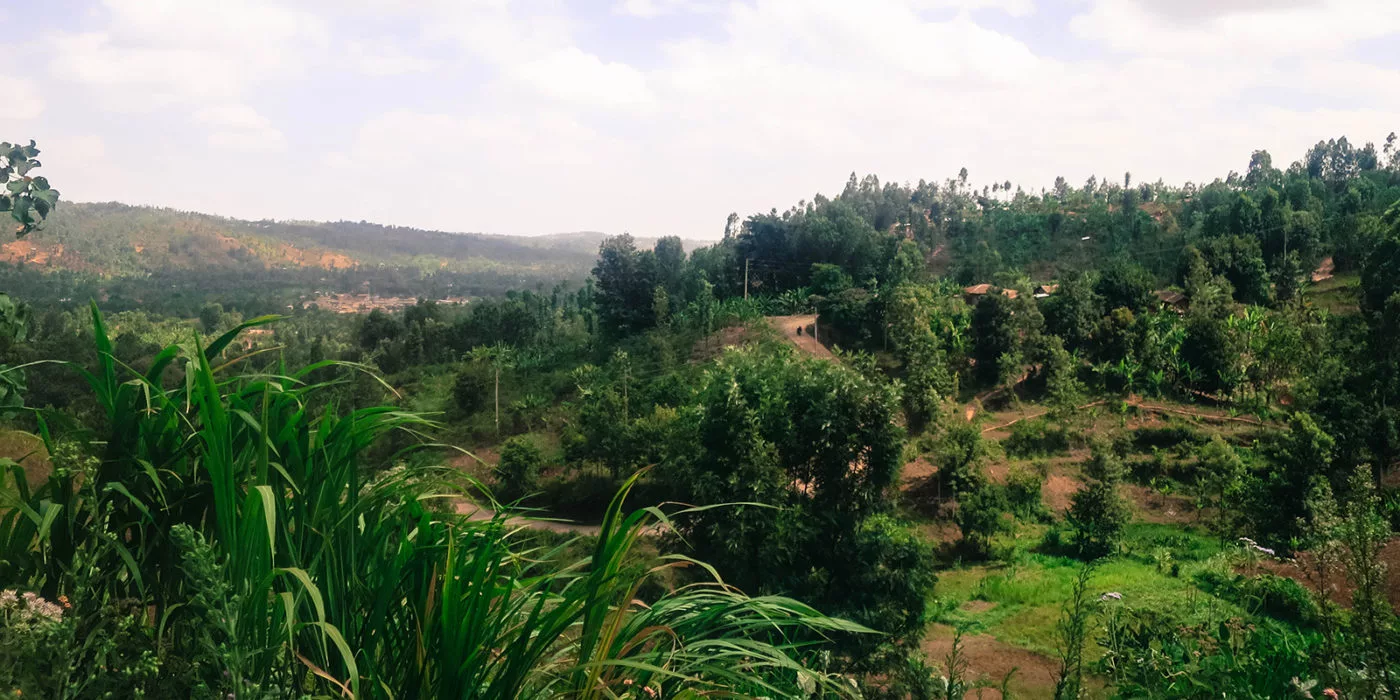
Boma Washing Station
The Boma Washing Station sits in Kericho Town, in southwestern Kenya near Mount Kenya, at an altitude of roughly 1700-1800 meters.
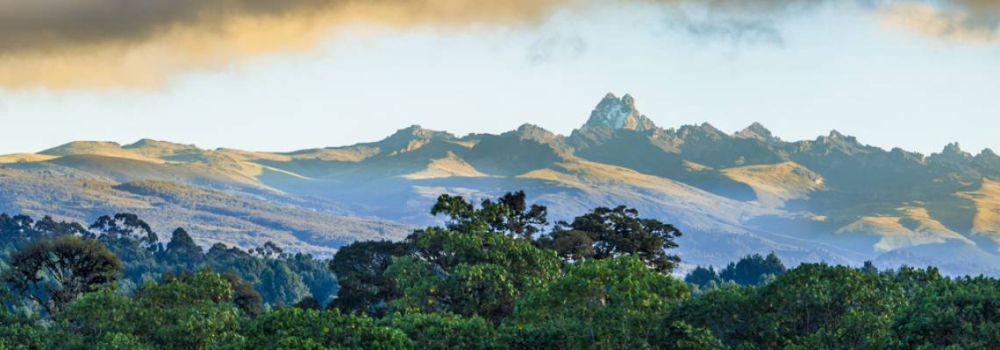
The mountainous terrain drains beautifully, and the volcanic soil is rich in organic matter. Coffee trees rooted in the red soil receive ample nutrition, with consistently cool temperatures and humid air averaging 22-28°C. These mild temperatures combined with high altitude let the cherries mature slowly, developing more distinctive flavors.
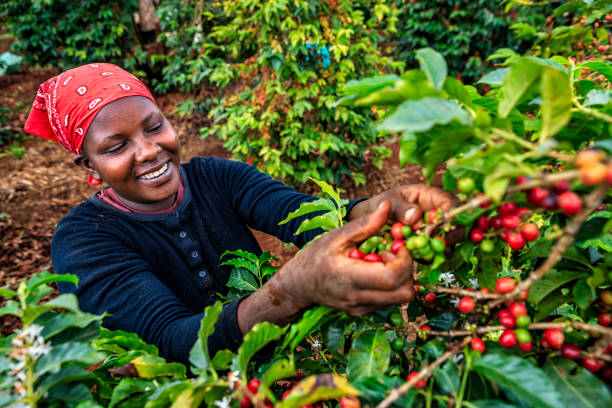
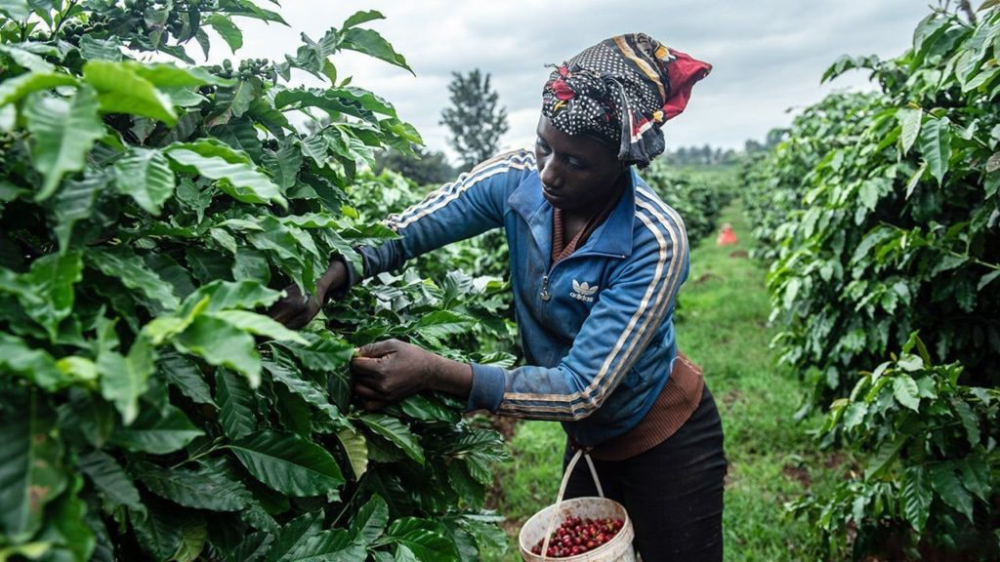
The Boma Washing Station belongs to the Kipkellion Cooperative and is a member of Kenya's Farmer Cooperative Societies (FCS), comprising over 600 farmers. Boma's predecessor was a plantation under British colonial rule, planted heavily with coffee and tea. The coffee harvest here typically runs from October to December each year. Individual families generally grow 250-300 coffee trees, and each harvest season farmers from Kericho Town bring their coffee here for processing into green beans.
Dry Fermentation Processing Method
Unlike typical washed processing, the Boma Cooperative places coffee cherries in free-draining containers and ferments them for 18-24 hours without adding water, rinsing and cleaning them every 6-8 hours along the way. Once fermentation is complete, the parchment goes into a specially designed washing channel, where beans sort themselves into different tanks by density and weight: lighter beans float, while the denser parchment beans go into clean-water tanks for a 24-hour soak. After soaking, the beans rest on coarse cloth mesh to drain, then move to traditional drying beds for sun-drying—12-20 days until moisture reaches 11-12%.
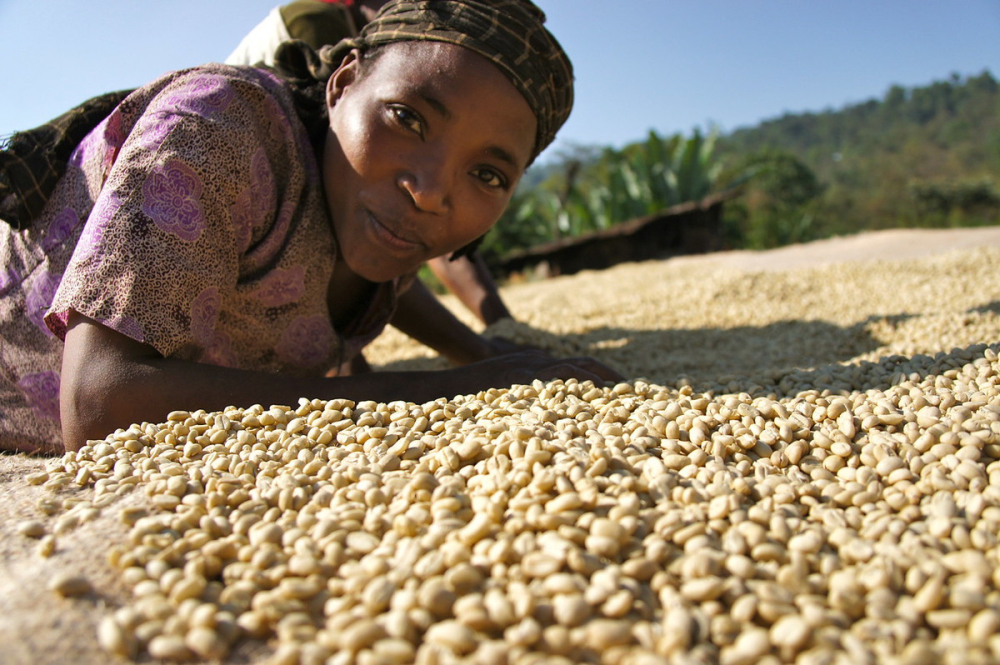
Because this method consumes large amounts of water, the cooperative typically recycles its water to cut waste and pollution.
Coffee Varieties
The disease-resistant varieties SL28 and SL34, developed from Scott Laboratories, began spreading widely in the 1930s.
SL28 belongs to the Bourbon genetic group, with round, thick beans and strong resistance to drought and disease. SL34 carries Typica genes; the plants resemble Typica but yield far more, and the beans are elongated ovals that look flatter from the side. In flavor, SL34 offers a richer taste with a cleaner, brighter profile.
Batian is a new variety released by the Kenya Coffee Research Institute (CRI) on September 8, 2010, with strong resistance to coffee berry disease and pests.
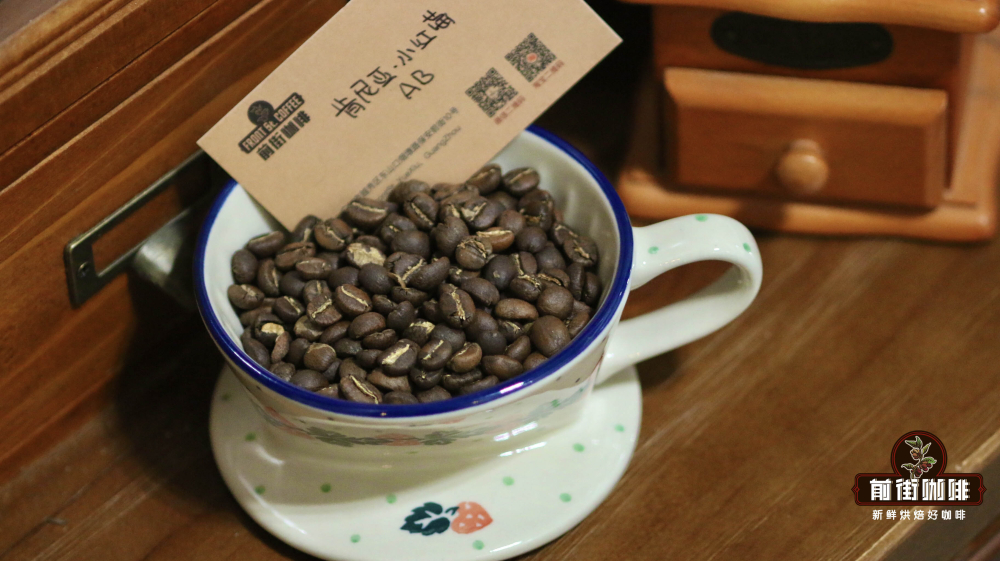
FrontStreet Coffee: Kenya Cranberry Coffee Beans AB
Origin: Kenya Kericho Boma Cooperative
Altitude: 1500-1950 meters
Varieties: SL28, SL34, Batian
Processing Method: Washed
Flavor Notes: Lemon, Cranberry, Caramel, Green Tea
On the cupping table, FrontStreet Coffee found this cranberry coffee's dry aroma full of dried fruit and citrus notes; in the cup it shows bright acidity of cherry tomato, plum, and lemon, with honey and berry sweetness and a rich, saturated mouthfeel.
Brewing Reference
For roasting, this Kenyan coffee is roasted to highlight its fruit character, preserving refreshing acidity and dark fruit flavors—FrontStreet Coffee's roaster chose a light roast profile.
From FrontStreet Coffee's brewing experience, high-altitude beans are denser, so a finer grind increases the contact area between grounds and water and lifts the extraction rate.
Filter: V60
Water Temperature: 90-91ºC
Dose: 15g
Coffee-to-Water Ratio: 1:15
Grind Size: Fine sugar consistency (80% passes through #20 sieve)

Segmented Extraction: Pour 30g of water for a 30-second bloom, then continue in small circles to 124g for the second stage. When the water level drops to just above the coffee bed, pour again to 228g and stop. Once the level drops to just above the bed, remove the filter cup. (Timing starts from the bloom.) Total extraction time is 1'55".
Freshly ground, the Cranberry coffee releases a sweet dried-fruit aroma. The first sip brings plum, lemon, and cherry tomato—bright, solid acidity carrying honey sweetness—finishing with a lingering green tea aftertaste.
FrontStreet Coffee Recommendation
If this Kenyan washed cup wins you over, washed processing has more to offer. FrontStreet Coffee's Kenya Little Tomato is the famous double-washed representative: Kenya's extra washing pass—floating, soaking, rinsing, soaking again, then drying and hulling—pushes the juice-like character to the extreme, with cherry tomato, dried plum, snow pear, black plum, and yellow sugar aromas in a sweet-and-sour, mouthwatering cup beloved by coffee enthusiasts. For something softer, the FrontStreet Yirgacheffe Guodingding from the Guodingding Cooperative shows jasmine florals and bright citrus acidity under a medium-light roast, with green tea and honey tones that suit pour-over, cold brew, and espresso alike. And the classic of washed classics, FrontStreet Jamaica Blue Mountain No.1, delivers hazelnut, cream, chocolate, and caramel in a perfectly balanced cup where no single note dominates.
Important Notice :
FrontStreet Coffee is a long-established specialty coffee roaster in Guangzhou China, selling freshly roasted beans from its own farm in Yunnan as well as dozens of carefully selected single-origin beans from around the world for both pour-over and espresso. The products deliver consistently excellent quality and great value, with shipping within 24 hours. Guangzhou's FrontStreet Coffee shop is recommended by many coffee lovers, and the beans are now available online at the Tmall 。
FrontStreet Coffee has moved to a new address:
FrontStreet Coffee Address: 315,Donghua East Road,GuangZhou
Tel:020 38364473
 Scan and follow the En Gafei WeChat official account. Please indicate that the reprint comes from "En Gafei".

