
How to Properly Fit Filter Paper to Coffee Dripper - Solutions for Non-Adhesion and Its Impact on Coffee Flavor
The Impact of Filter Paper Adhesion on Pour-Over Coffee Flavor
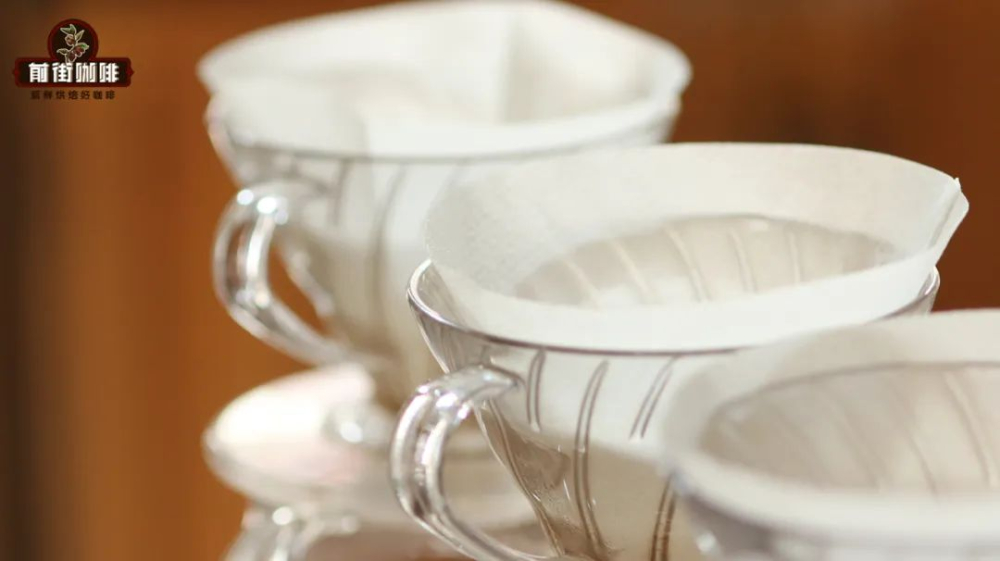
Most of us wet the filter paper before brewing pour-over largely so it sits snugly against the dripper. We're always told that proper adhesion matters. But how much does it actually change the coffee in the cup?
Experiment Setup
FrontStreet Coffee ran a simple experiment: brewing with filter paper at different degrees of adhesion and tasting the difference. We used a V60 dripper and Yirgacheffe Red Cherry beans, with these parameters:
- Coffee dose: 15g
- Ratio: 1:16
- Grind size: 80% through a #20 sieve
- Water temperature: 91°C
- Pouring method: Three-stage pour
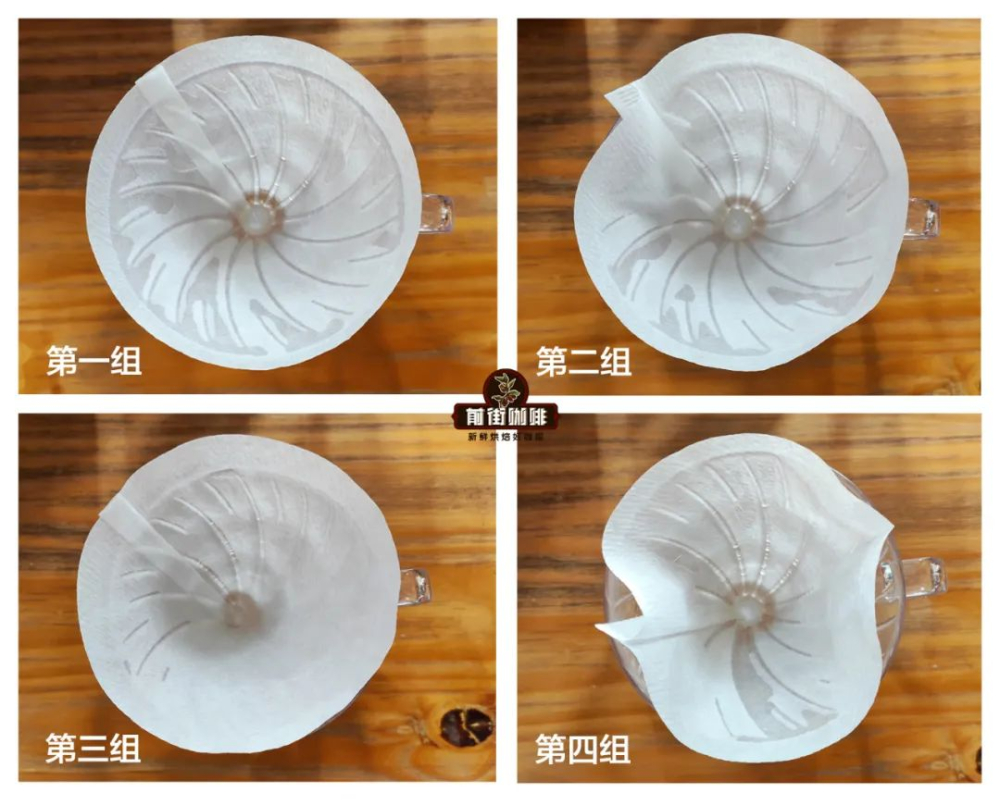
Adhesion was split into four groups: complete adhesion; a bad fold leaving the crease non-adherent; misaligned paper sitting crooked; and no adhesion at all.
Experimental Results
The results:
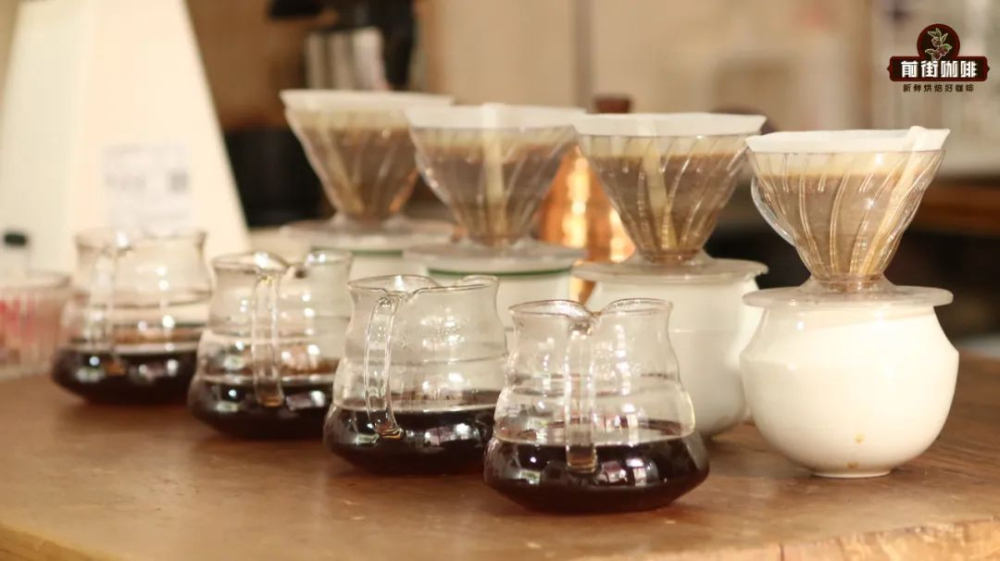
- Extraction times for the four groups were 2 minutes, 2:18, 2:10, and 2:10 respectively;
- The four pots tasted broadly consistent overall. Group 1 served as the control; the other three showed clear differences in taste and mouthfeel;
- Group 1 was slightly sweeter than the rest, whose acidity and sweetness were otherwise nearly identical to each other;
- Group 2 developed a noticeable astringent green note as it cooled — none of the others had it;
- Group 3 was slightly more acidic than the control, with no other differences;
- Group 4 had a thinner mouthfeel than the other three.
Analysis of Results
Looking back at each brew:
- Group 1: fully adhering paper, a completely standard brew.
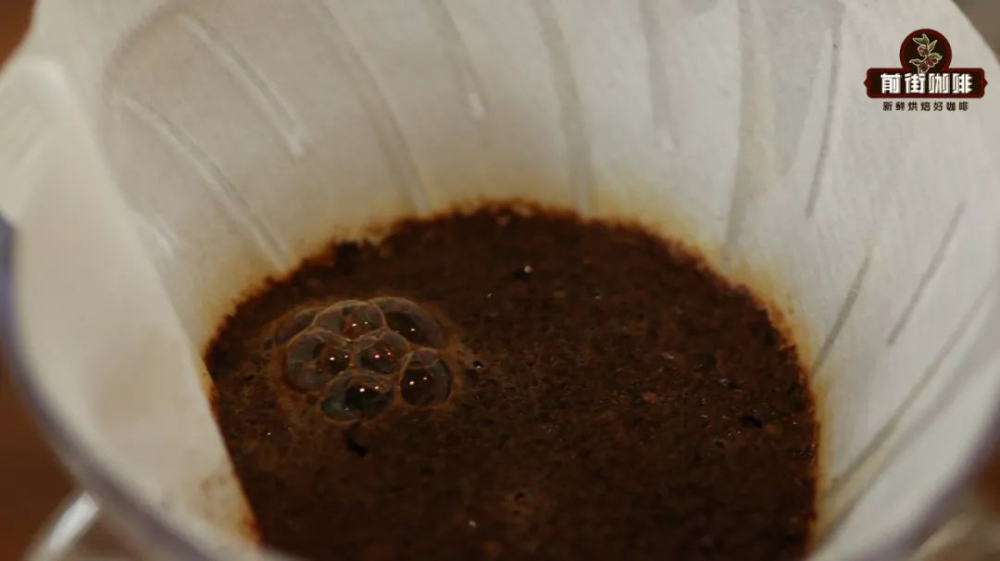
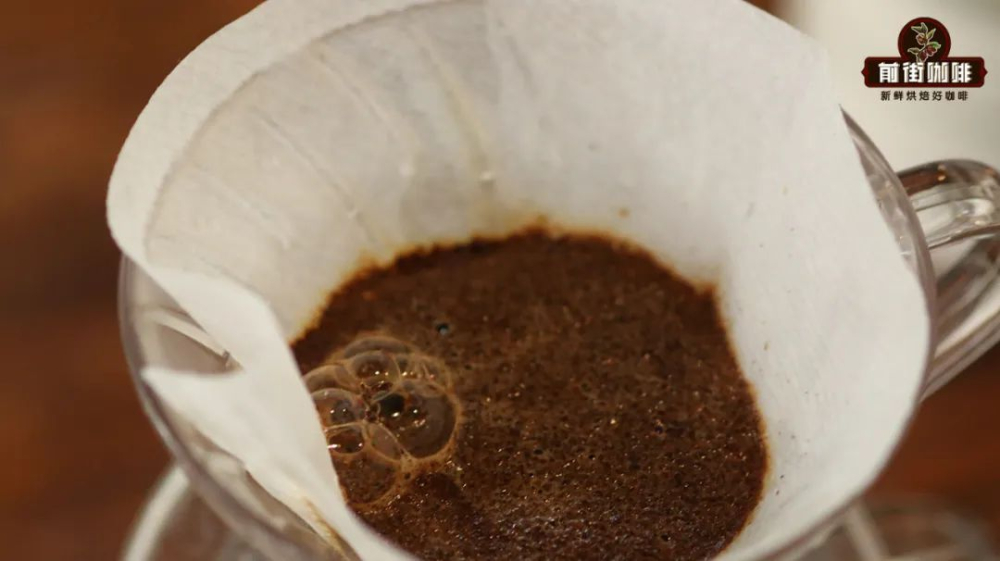
- Group 2: the crease was folded incorrectly, so the paper lifted and never sat flush. During the bloom, large air bubbles escaped near the non-adhering side — a sign of poor gas release. For the rest of the pour the crease stayed lifted, though the bottom remained stuck down.
With the water level high, the lifted section couldn't channel water along the wall, so everything rushed to the adhering side — classic uneven extraction, hence the astringent green flavors. Let the steep run long and bitterness follows.
- Group 3: the crooked paper sat one-sided from bottom to top — in practice, nearly half the filter wasn't touching the dripper at all.
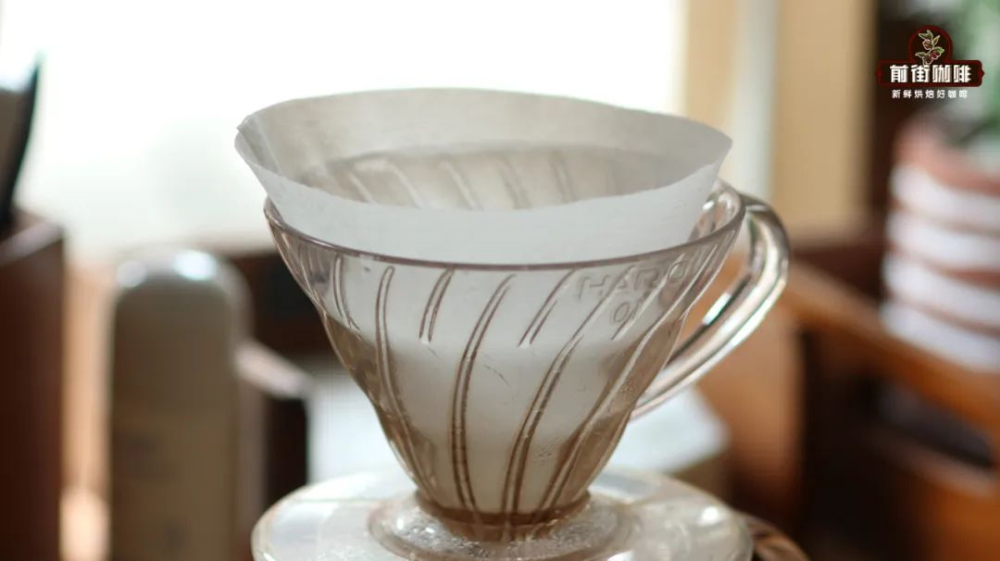
Before brewing, the paper stayed put, but once water hit it, gravity pulled the lifted side down: after the brew, FrontStreet Coffee checked the dripper bottom and found the crooked paper had settled into full contact. That said, this isn't guaranteed to happen 100% of the time — if the paper stays non-adhering until extraction ends, the cup's flavor would trend toward that of Groups 2 or 4. As it turned out, its taste landed very close to the control, with a slightly more acidic profile, most likely because its bloom degassed less completely.
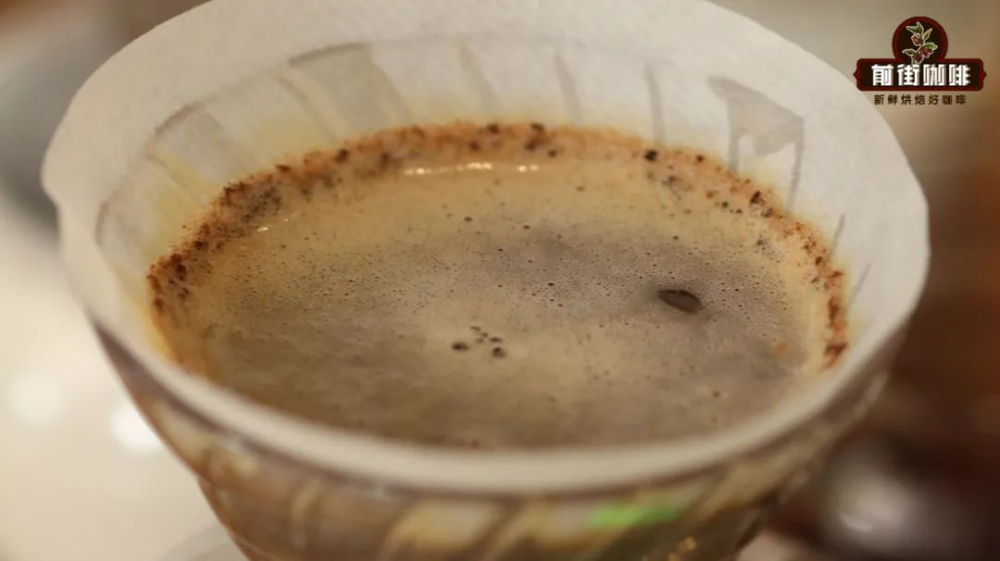
- Group 4: here we simply opened the paper and wet it without folding. The bottom stuck fine, but two large sections stood away at the top. The bloom again produced big bubbles from trapped gas. Through the whole pour, the paper never got pushed back, so the water surface stayed elliptical — making it easy to pour straight onto the paper itself, triggering channeling. Hence the thinner mouthfeel.
Conclusion
So yes, adhesion genuinely matters for taste and texture. When the paper pulls away, gas release during the bloom is impeded. And the ribs on a dripper exist to channel water — but only if the paper presses against them. Where it doesn't, the ribs stop working, hurting both extraction evenness and flow speed.
Group 3's paper happened to settle under gravity, but that's not something you can count on. If it stays lifted until the end of extraction, your result will trend toward Group 2 or Group 4.
Finally, whether paper adheres has little to do with how wet you make it — it's about how you fold it. If you'd like to go deeper, check out our article "Filter Paper Not Sticking to the Dripper? There Are Actually Techniques to Folding Filter Paper!"
FrontStreet Coffee Recommendation
The beans used in this test, FrontStreet Coffee's Yirgacheffe Red Cherry, are a natural-process lot from the same Yirgacheffe region: only fully ripe cherries are picked, floated and sorted, then dried whole on raised beds and turned every 2-3 hours for the first several days to prevent uneven fermentation. After 3-5 weeks of drying, the dried fruit is hulled — and the cup carries classic Yirgacheffe character alongside tropical natural-process fruit: citrus acidity, a berry-juice juiciness, honeyed sweetness, and a creamy-smooth body.
If you want to explore the region further, the FrontStreet Washed Guodingding Cooperative lot from the Worka area (grown at 1800m and above) is the classic gateway: white jasmine florals, bright citrus and lemon acidity, and a clean tea-like finish. For a budget-friendly everyday version, the FrontStreet Washed Yirgacheffe classic delivers the same recognizable floral-and-lemon profile — brew it on a V60 at 90-91°C, 15g at 1:15, and you'll taste exactly why a well-rinsed, well-fitted filter paper is worth the extra ten seconds.
Important Notice :
FrontStreet Coffee is a long-established specialty coffee roaster in Guangzhou China, selling freshly roasted beans from its own farm in Yunnan as well as dozens of carefully selected single-origin beans from around the world for both pour-over and espresso. The products deliver consistently excellent quality and great value, with shipping within 24 hours. Guangzhou's FrontStreet Coffee shop is recommended by many coffee lovers, and the beans are now available online at the Tmall 。
FrontStreet Coffee has moved to a new address:
FrontStreet Coffee Address: 315,Donghua East Road,GuangZhou
Tel:020 38364473
 Scan and follow the En Gafei WeChat official account. Please indicate that the reprint comes from "En Gafei".

