
7-Eleven Now Selling Geisha Coffee?!!
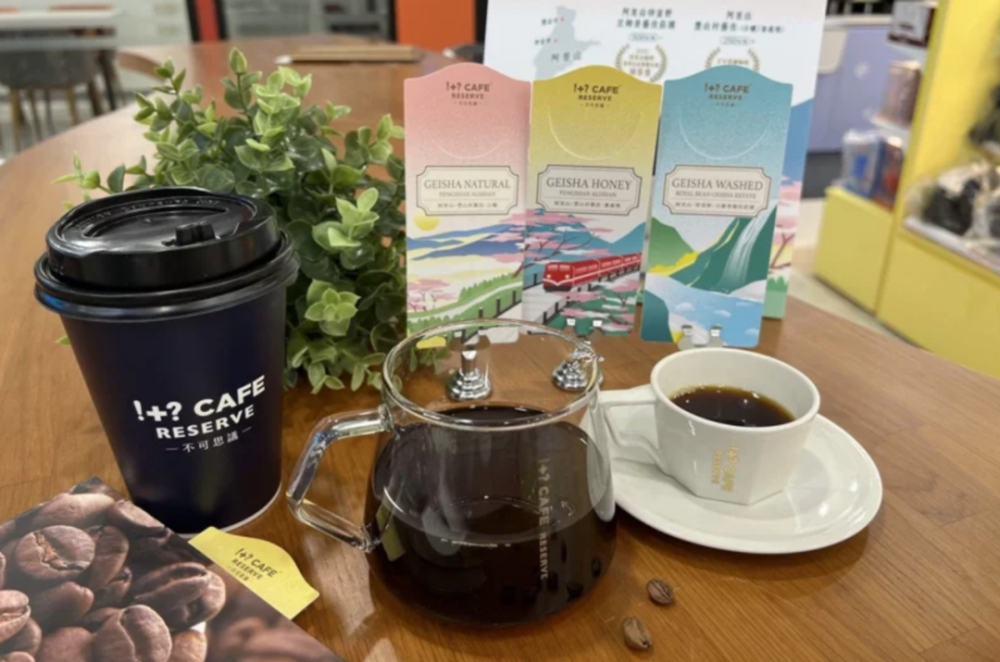
According to Taiwan media reports, 7-ELEVEN convenience stores, managed by Uni-President Group, announced on the 22nd the launch of three limited-edition Geisha coffees priced between TWD 250 and 500 (roughly RMB 57–114). They are available only in the 18 stores that feature a specialty coffee zone, and in limited quantities.
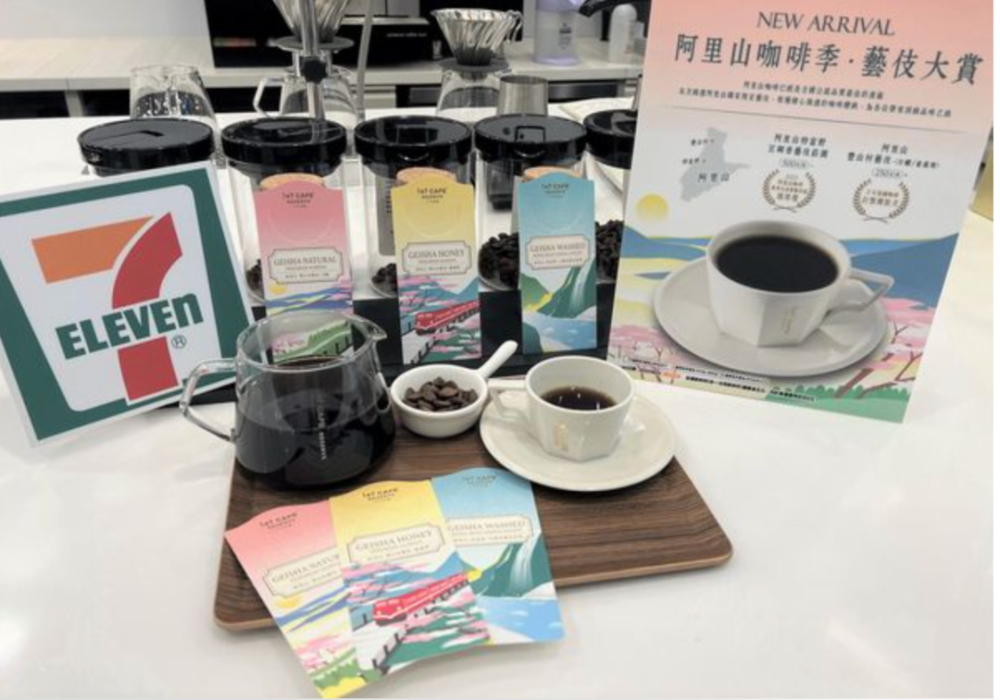
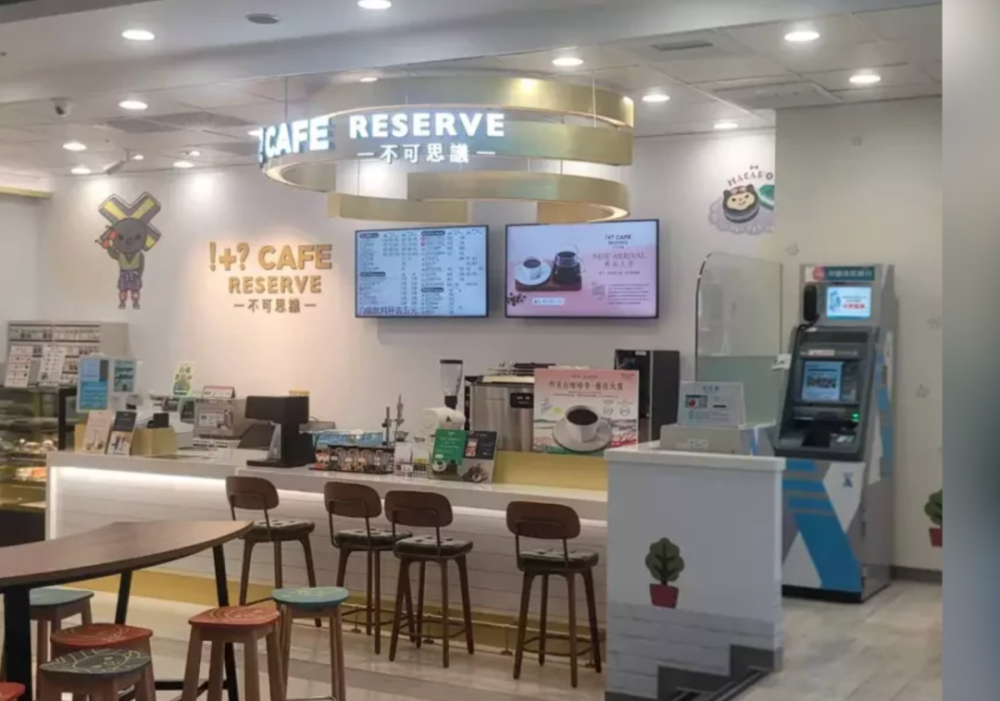
7-ELEVEN in Taiwan has been in the fresh-ground coffee business since 2004. As more consumers began to care about coffee origins, varieties and flavors in recent years, the chain started adding specialty coffee zones to its stores beginning in 2018.
Compared with many independent specialty coffee shops, 7-ELEVEN's specialty coffee outlets run a hybrid business model with a significant advantage in pricing, positioning themselves much like Luckin Coffee: affordable specialty coffee for the mass market. Because their coffee has always been very reasonably priced, the launch of these three Geisha varieties immediately set off heated discussion online.
Some netizens think it is too expensive — they buy coffee at convenience stores precisely for the affordability, and this price point feels high. At that price, why not go to an independent coffee shop? Others think it is great, because making Geisha more accessible will encourage more people to taste better specialty coffee. Still others take the view that different strokes suit different folks: whatever the price, as long as consumers feel it is good value, they will appreciate it.
One netizen joked that "Uni-President could make convenience store coffee surpass Starbucks" — Starbucks in Taiwan is also managed by Uni-President Group, and its most expensive drink to date costs TWD 400 (about RMB 91).
Where the Alishan Geisha Comes From
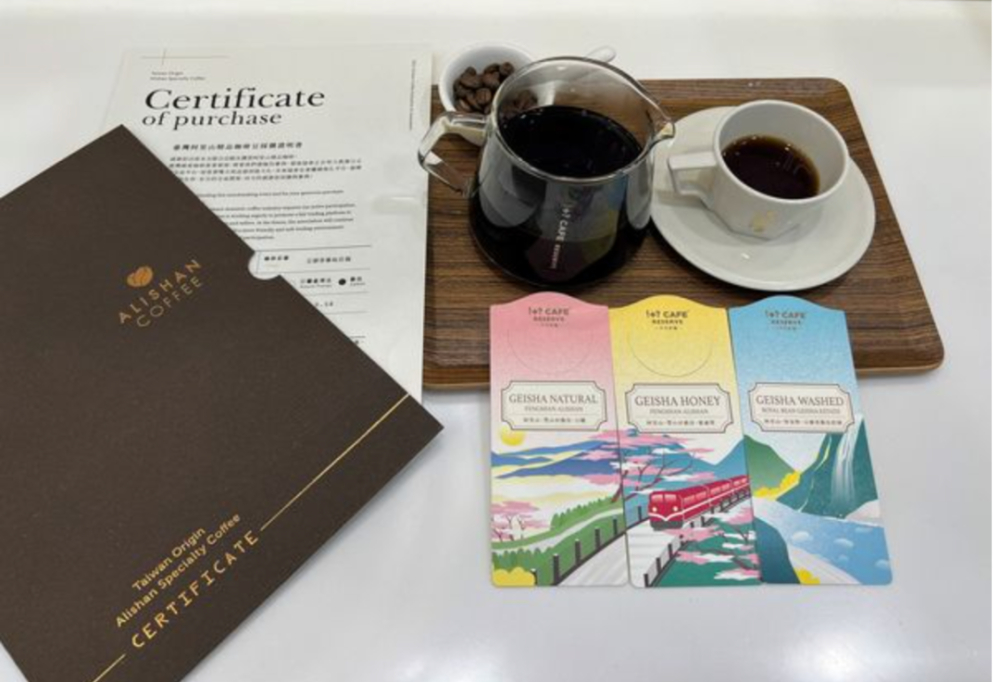
The Geisha coffee 7-ELEVEN launched this time comes from Alishan — specifically from Fengshan Village in Alishan (natural and honey processed) and from the Alishan Douyu Xiang Geisha Estate. Douyu Xiang won first prize for Geisha beans in this year's "Alishan Coffee Estate Elite Exchange Competition," an event that became famous for its record-breaking Geisha auction prices.
In this year's competition, a 5-kilogram bag of natural processed beans from Zou Zhu Yuan was bid up to an astonishing TWD 520,000 (approximately RMB 118,000). Geisha coffee suddenly drew widespread attention, and general consumers grew more interested in it. 7-ELEVEN seized that moment to change people's perception of convenience store coffee.
Perception and Value
Looking at the pricing of the three coffees, it is actually not especially high. Given how difficult these varieties are to cultivate and how low their yields are, the price offers excellent value. Different consumers simply have different perceptions of value and price for different brand images.
Placed in an independent or well-known coffee shop, beans like these at this price would seem very affordable. Placed in a convenience store, they look expensive. An influential convenience store brand selling Geisha may seem "incompatible," but it is certainly not "unqualified" to sell it. 7-ELEVEN's entry might even use its advantages to influence pricing structures across the industry.
The Geisha Coffee Market
Today, Geisha coffee prices are extraordinarily high. In the decade since Geisha became famous, auction prices have risen from $20+ per pound to $2500+ per pound. As its popularity has grown, Geisha has also come to feel "unattainable" to ordinary consumers.
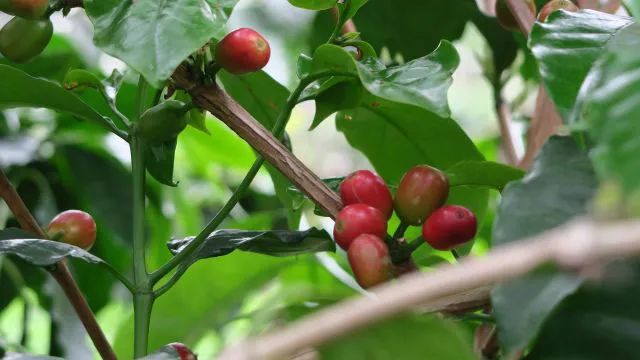
This is largely value inflation driven by hype. Geisha beans undeniably taste much better than the common specialty beans on the market, but that does not mean every Geisha is top-tier, nor that Geisha from every growing region must command a premium.
Although Taiwan's Geisha production is small and prices run higher than for other Taiwanese-grown coffees, this is an excellent opportunity to "tell a story" to consumers.
Sustainability and Connection
As an agricultural product, coffee is closely tied to nature. Today many coffee consumers not only care about the traceability of the beans but also hope that what they buy contributes to the sustainable development of coffee-growing regions and the continuous improvement of bean quality.

7-ELEVEN understands that sustainability is one of the biggest factors in specialty coffee marketing. It has therefore adopted locally grown Geisha beans and used approachable prices to tell more consumers the story of local cultivation and local farmers.
This lets consumers feel a sense of participation within a reasonable budget and gives them a chance to enhance their lifestyle, while also allowing the brand to change consumer perceptions and recognition, and thereby gain more room to grow.
Image source: Internet
FrontStreet Coffee Recommendation
Geisha is not one thing, and understanding the different tiers is the best way to avoid paying a premium for hype. FrontStreet Boquete Geisha is the entry point: a washed Geisha from Panama's most representative specialty region, with the orange-blossom-and-honey character and fine fruit acidity that define the variety, at a price that makes it easy to try different brewing methods.
From there, the Esmeralda range splits into two lines. FrontStreet Esmeralda Red Label Geisha — officially "Esmeralda Special" — is grown at 1,600–1,800 meters, and every lot must cup above 90, with an independent number and beans drawn from a single small plot, so buyers can choose a lot by subtle flavor preference. FrontStreet Esmeralda Green Label Geisha, originally "Private Collection," is instead a blend of lots from several plots, expressing the estate's signature high-altitude Geisha profile without the single-plot emphasis, which makes it considerably more affordable.
Ethiopia, where Geisha originated, has its own benchmark in Gesha Village. FrontStreet Gesha Village Gold Label is the Gesha 1931 variety — about 10% of the village's total production and its top coffee outside auction — often chosen by competition baristas, and delicately natural processed so it cups with complex, layered flavor. FrontStreet Gesha Village Red Label is the Gori Gesha variety, roughly 15% of production, scoring 88 or above on the SCA 100-point scale and released as a single-terroir series with full traceability, including farm block, variety and processing date.
Important Notice :
FrontStreet Coffee is a long-established specialty coffee roaster in Guangzhou China, selling freshly roasted beans from its own farm in Yunnan as well as dozens of carefully selected single-origin beans from around the world for both pour-over and espresso. The products deliver consistently excellent quality and great value, with shipping within 24 hours. Guangzhou's FrontStreet Coffee shop is recommended by many coffee lovers, and the beans are now available online at the Tmall 。
FrontStreet Coffee has moved to a new address:
FrontStreet Coffee Address: 315,Donghua East Road,GuangZhou
Tel:020 38364473
 Scan and follow the En Gafei WeChat official account. Please indicate that the reprint comes from "En Gafei".

