
The Origin of Coffee Flavors: Why Coffee Beans Have Various Tastes and Their Characteristics
When we drink coffee, we often remark that this cup has a lovely citrus, juice-like flavor, while that one tastes of rich chocolate and cream. Have you ever wondered, mid-sip, where those flavors actually come from?
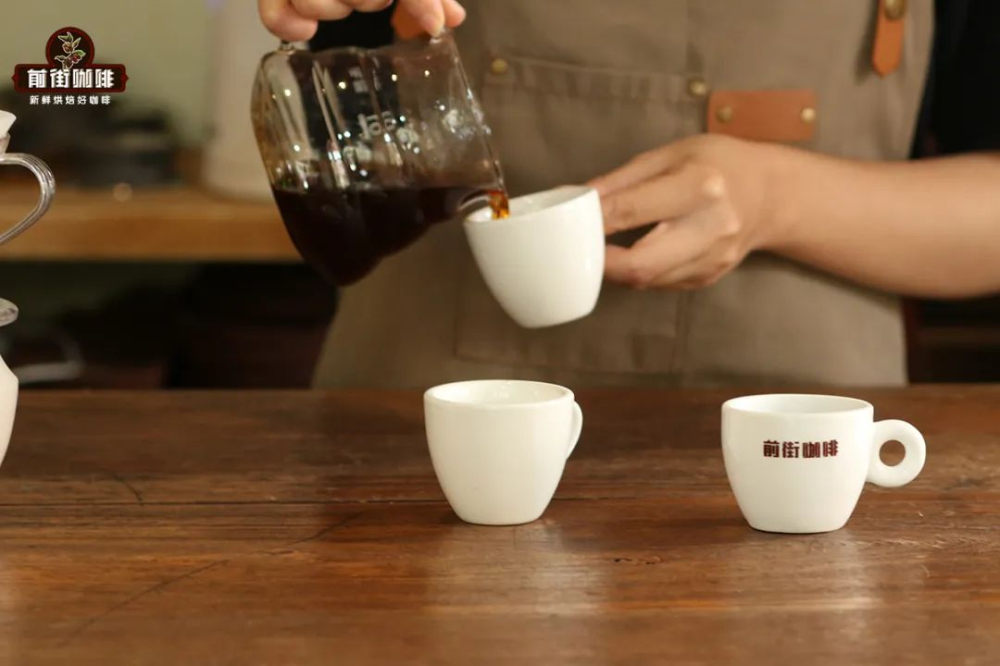
When we drink pour-over today, we talk about the coffee's origin. Guests who visit FrontStreet Coffee get asked first, "What flavors do you like?" or "Which country's (region's) coffee do you usually drink?" Different producing countries and regions have different flavor signatures—what FrontStreet Coffee calls regional flavors. It matches the founding idea of specialty coffee: that coffee carries flavor attributes tied to its place.
Regional Flavors
There is an ancient saying: "Oranges grown south of the Huai River are oranges; grown north of it, they turn into bitter citrus." The same plant, planted in different places, bears fruit that tastes different. Coffee behaves the same way, shaped by soil, altitude, variety, and cultivation. Every producing region has its own flavor character.
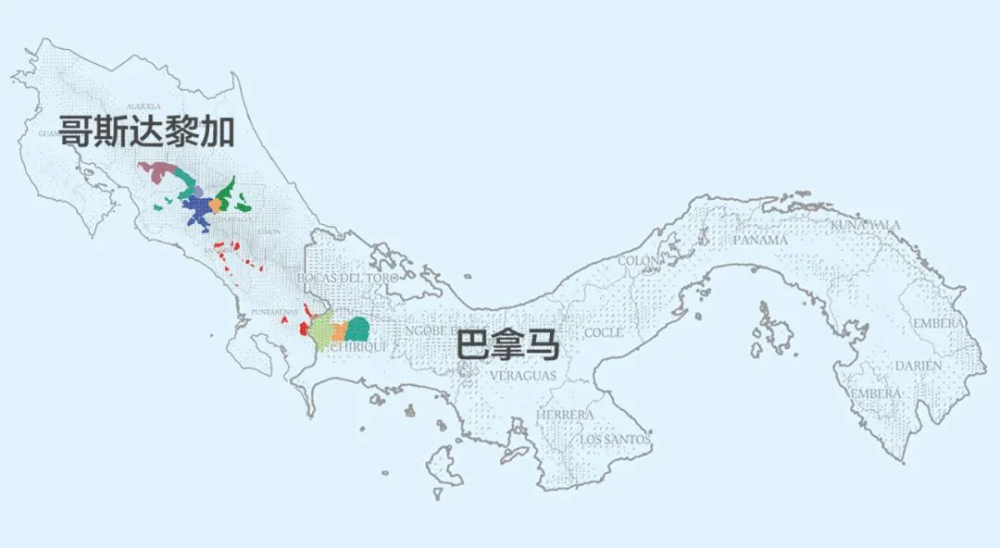
Geisha is the classic example. We all know Geisha rose to worldwide fame from Panama—and that Panama's Geisha traces back to Ethiopia. FrontStreet Coffee will not reach that far back; consider Costa Rica instead. Panama's Geisha was introduced from Costa Rica, its close neighbor. Once Panamanian Geisha became famous, Costa Rican farmers began valuing it too, and today both Costa Rican and Panamanian Geisha are easy to buy. Interested readers might purchase both and compare—it is the fastest way to feel how (micro)climate, altitude, soil, and cultivation shape flavor.
Coffee Varieties
People used to talk about coffee by place: Santos, Blue Mountain, Yirgacheffe, Kenya—all place names, which underscores regional flavor. Variety was not unimportant, but growers of that era selected for disease resistance, pest resistance, and yield as much as flavor, so while varieties carried different names, their flavor differences were modest. Typica, Bourbon, Caturra, and Catuai are related as originals and variants, with real but not dramatic flavor gaps.
Agricultural departments in the major producing countries have long researched and selected varieties for good flavor, high yield, and strong resistance—and they found gems like Geisha, proving that varieties with astonishing flavors exist. That discovery set off a hunt for even more delicious varieties, putting recent competition-stage names like Eugenioides (the parent species), Pacamara, and Wush Wush in the spotlight.
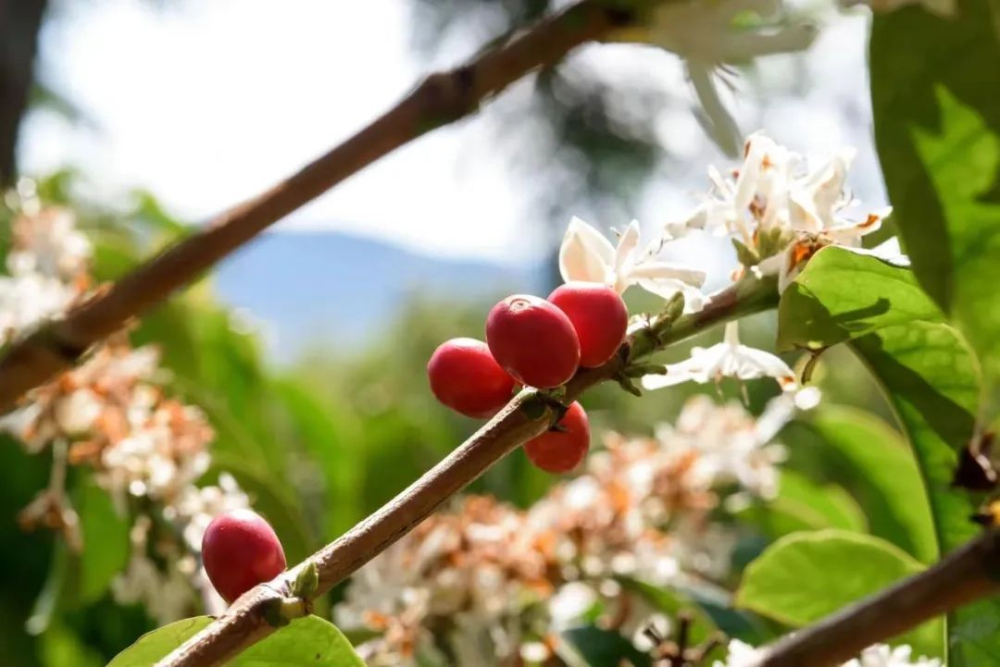
Meanwhile, research institutions have tried artificial hybridization to breed high-yield, disease-resistant varieties—though their flavor performance tends to lag.
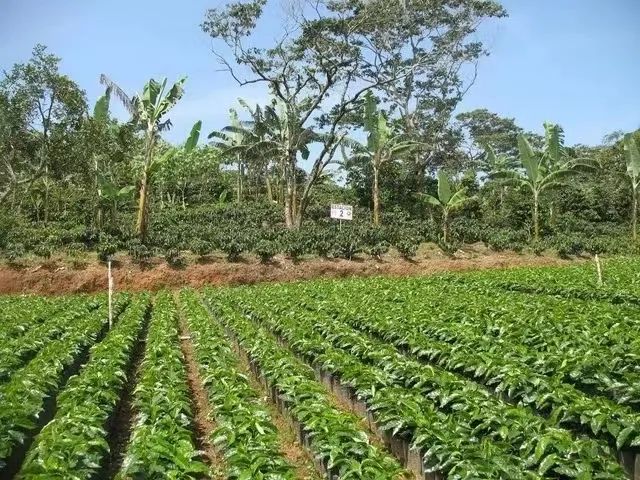
Processing Methods
Processing changes were originally about efficiency and quality. Washed processing, which appeared in the 18th century, held overwhelming advantages over the traditional natural method. Natural processing back then was crude: cherries simply spread on the ground to dry, exposed to weather and soil microorganisms, with moldy and rotten beans common, poor quality, and a long timeline (natural processing takes 3-5 weeks).
Washed processing removes the skin, pulp, and mucilage before drying, shortening drying time, improving efficiency, and raising quality—though it consumes more water. Brazil's pulped natural and Costa Rica's honey processing are localized refinements to the same end. Simply put: as processing quality rises, the coffee tastes better.
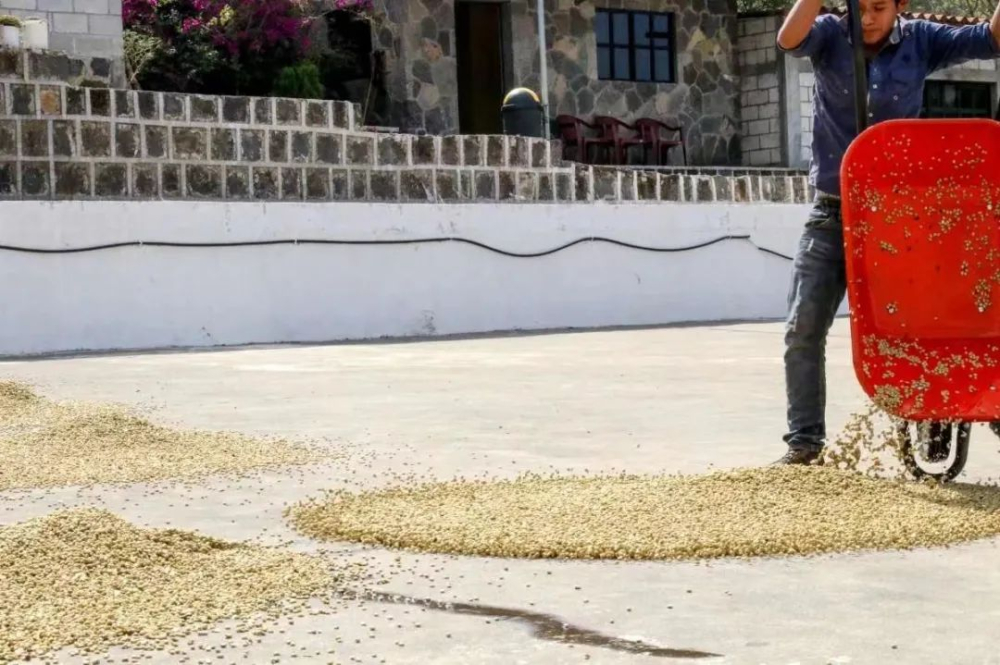
Later, as specialty coffee spread and flavor took center stage, people noticed that beans from the same region show different flavors under natural versus washed processing. Natural processing ferments more material (the entire fruit), yielding sweeter, richer flavors with heavier fermentation notes; washed processing, where only the bean itself ferments, gives more pronounced acidity and cleaner, brighter flavors.
Natural processing's old reputation for poor quality came from its primitiveness. Raised drying beds lift the cherries away from soil contamination; frequent turning prevents over-fermentation and mold on the underside; dryers cover rainy spells. With those measures, high-quality natural coffee emerges with its naturally sweet, full-bodied character.
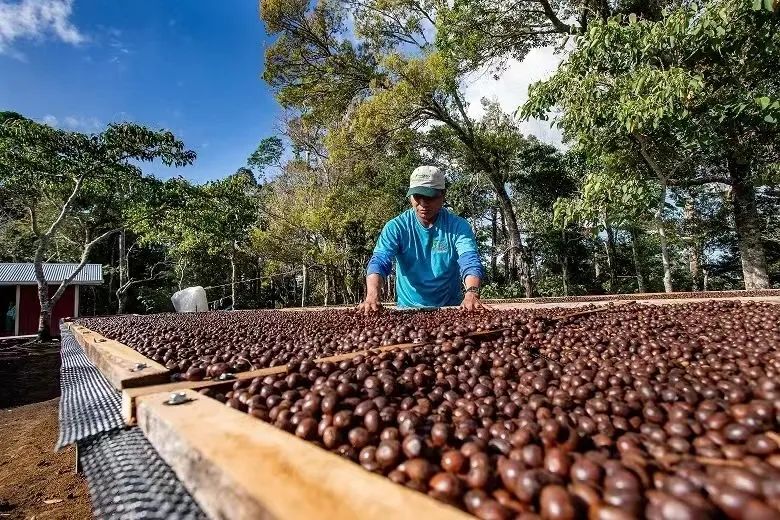
Today, more and more estates are researching anaerobic fermentation and enzyme addition to further enrich coffee flavors—another way processing shapes what ends up in the cup.
Roasting
Everything above describes how beans "accumulate" flavor; roasting is what reveals it. Heated to a certain degree, the aromatic compounds in green beans begin complex degradation and polymerization reactions, deriving ever more volatile aromatics—thanks mainly to the Maillard reaction and caramelization.
The Maillard reaction runs through nearly the whole roast. Under continuous heat, the amino acids that make up green bean proteins react with reducing sugars such as glucose, fructose, and lactose, degrading and polymerizing into aromatic substances and compounds. The process compounds like a snowball rolling downhill, generating more and more aroma.
 During this process, over 600 volatile aromatic compounds form in the beans. As the reaction continues, fresh floral and fruity aromas emerge first, then deepen into richer flower and fruit tones, followed by nutty, vanilla, creamy, and caramel notes—while the earliest florals and fruit begin to fade.
Caramelization occurs after the first crack, browning the sugars to produce aromatics like diacetyl (the source of creamy notes), furans (the source of caramel aroma), and hydroxymethylfurfural (the source of honey and juice aromas). But excessive caramelization slides into carbonization, sharply increasing bitter and burnt flavors.
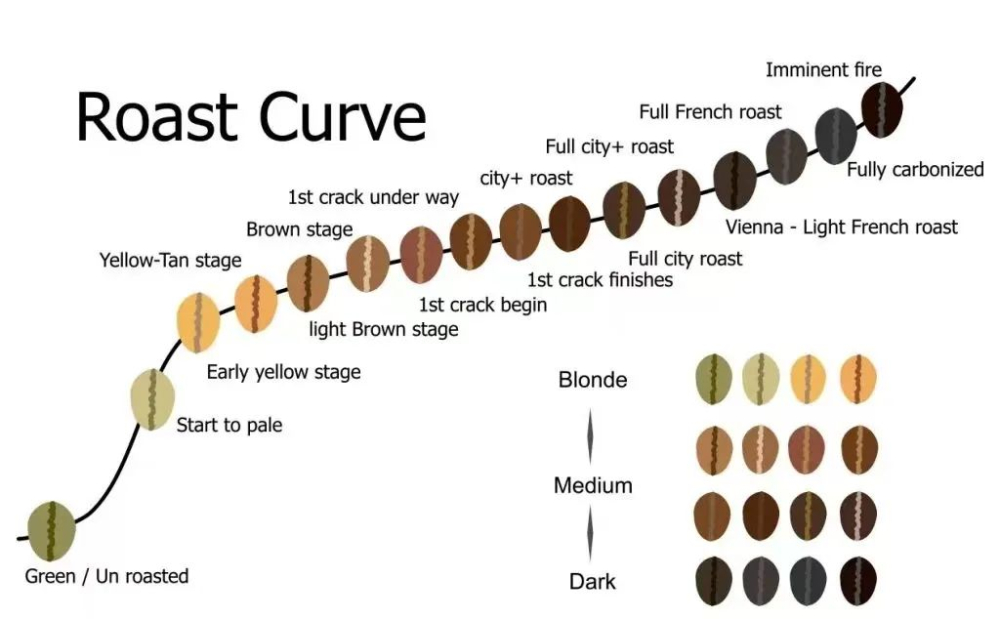
If that is confusing, here is the simple version: in roasting, the accepted boundary of "done" is the first crack. Coffee can be dropped anytime after it. Dropped earlier, the roast is lighter, with fruit acidity and florals more evident; dropped later, the roast is deeper, with stronger roasty character—nutty, chocolate, caramel notes—and fuller body.
Brewing
Brewing is flavor's final expression. Across coffee's journey—selection, cultivation, processing, roasting, brewing—the earlier stages shape flavor most, while brewing, being downstream, has relatively little influence.
A bean's flavor floor is set by variety, cultivation, and processing; better beans have a higher floor. Roasting determines whether the cup leans acidic or bitter—something brewing cannot change.
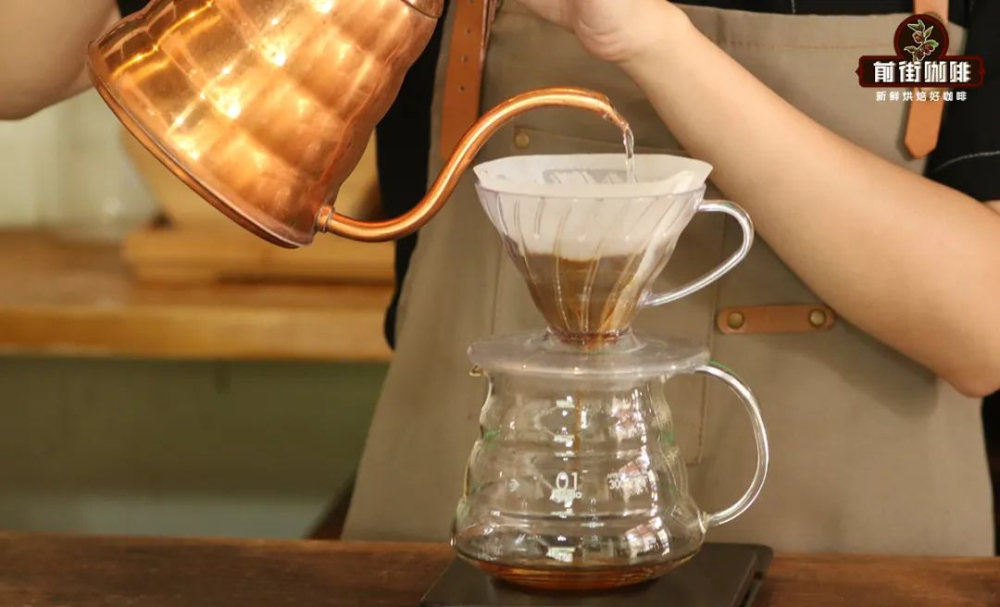
Brewing can, however, adjust the coffee's direction. The same acidic coffee, under different parameters, can produce one cup with bright acidity and another with juice-like sweet-and-sour character.
FrontStreet Coffee Recommendation
To taste the full story of origin, variety, and processing in your own cup, start with FrontStreet Coffee's Boquet geisha from Panama—the entry-level geisha that delivers the classic orange-blossom honey character, oolong-tea feel, and delicate fruit acidity at a friendly price. Then compare it with the FrontStreet Granana Estate Gesha from Yirgacheffe, Ethiopia: grown beside native forest at the Granana processing station (founded in 2014, run by Mr. Israel Degefa, with 700 hectares of largely uncultivated, shade-dotted land), hand-picked at full ripeness and sun-dried on raised beds for 14-20 days, then roasted medium-light—bright citrus acidity, elegant ginger-flower aroma, full ripe-fruit sweetness, and that signature refined geisha finish. For the top of the pyramid, the FrontStreet Gesha Village Gold Label—Gesha 1931, a meticulous natural process, just 10% of the estate's production—shows why this variety conquered the world.
Important Notice :
FrontStreet Coffee is a long-established specialty coffee roaster in Guangzhou China, selling freshly roasted beans from its own farm in Yunnan as well as dozens of carefully selected single-origin beans from around the world for both pour-over and espresso. The products deliver consistently excellent quality and great value, with shipping within 24 hours. Guangzhou's FrontStreet Coffee shop is recommended by many coffee lovers, and the beans are now available online at the Tmall 。
FrontStreet Coffee has moved to a new address:
FrontStreet Coffee Address: 315,Donghua East Road,GuangZhou
Tel:020 38364473
 Scan and follow the En Gafei WeChat official account. Please indicate that the reprint comes from "En Gafei".

