
Singapore to Ban Advertising for High-Sugar Bubble Tea, Coffee, and Fruit Juice Next Year!
Singapore Bans Advertising for High-Sugar Beverages in Fight Against Diabetes
Coffee and milk tea are staples of office life, and as autumn arrives, businesses and consumers alike rush to celebrate "the first milk tea of autumn" and "the first cup of autumn coffee." Meanwhile, over in Southeast Asia, Singapore has announced a ban on advertising for sugary drinks such as milk tea and fruit juice.
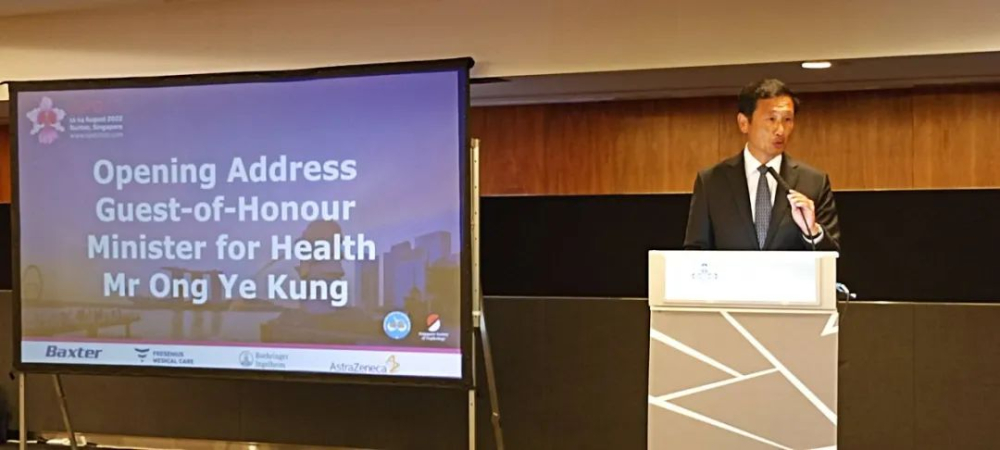
On August 11, Singapore's Health Minister Ong Ye Kung announced that, as part of the push to curb diabetes, beverages high in sugar and trans fat would be banned from advertising from the end of 2023, with the Ministry of Health set to announce the specific measures the following year.
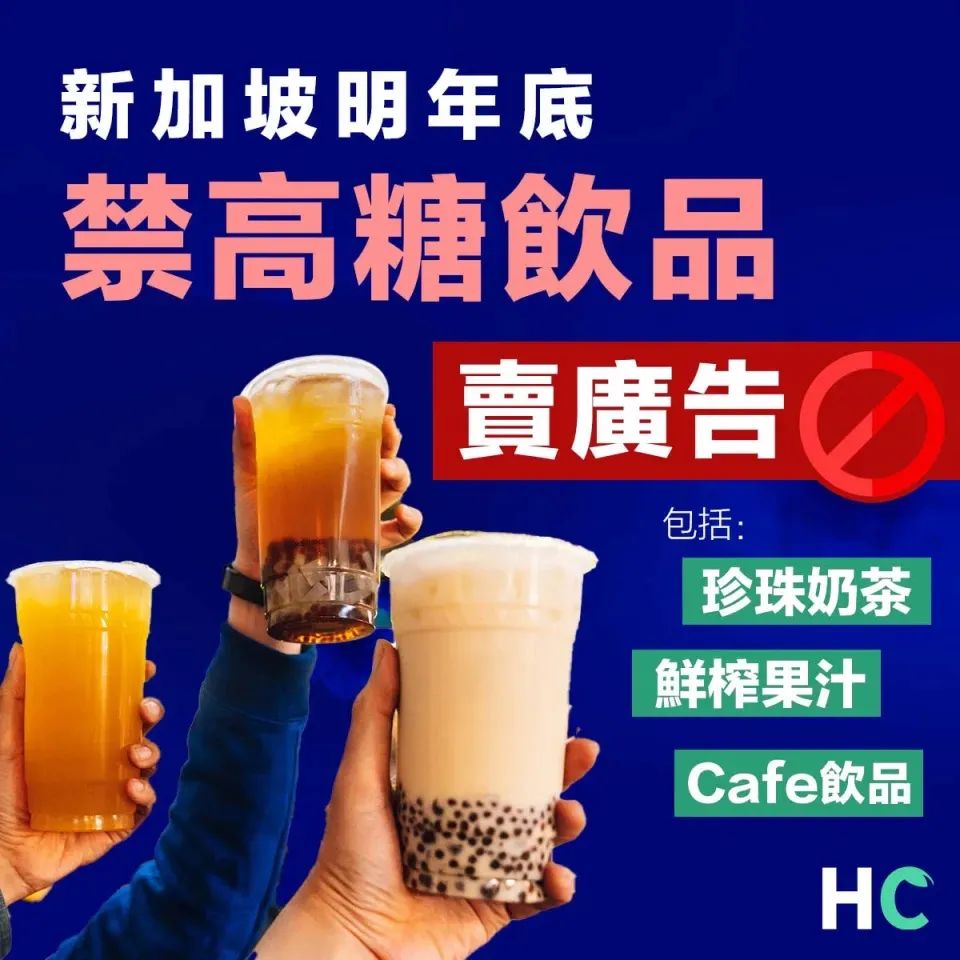
The ban covers drinks prepared on-site at coffee shops, freshly squeezed juices, and milk tea. The Ministry of Health will require businesses to display nutritional grades for beverages high in sugar and trans fat on both physical and electronic menus.
According to a December 30, 2021 report by The Straits Times, the Ministry had previously explained that the grading system runs from A to D, with D the least healthy of the four. Grades A and B are marked in green, C in orange, and D in red. Any beverage graded C or D must carry its grade clearly at the point of sale, and businesses are barred from advertising Grade D drinks on any platform, online or offline.
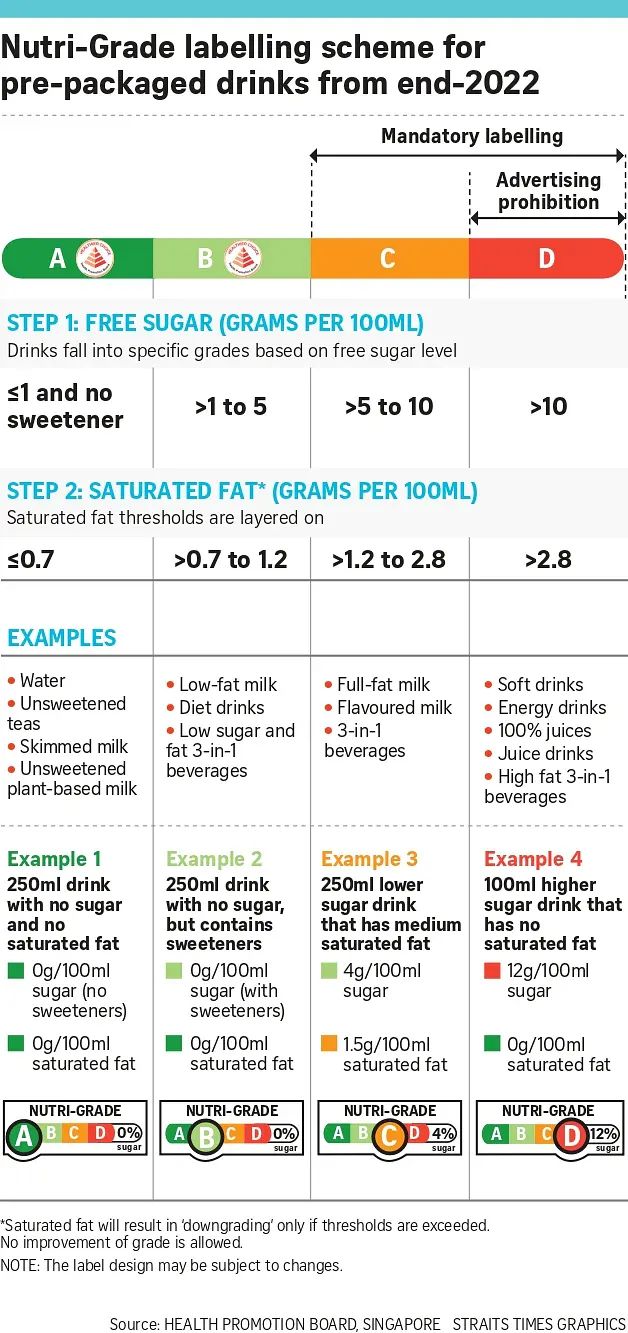
The goal is to help consumers spot drinks loaded with sugar and saturated fat at a glance, make healthier choices easier, and weaken the pull of advertising on consumer habits — nudging the industry to reformulate along the way.
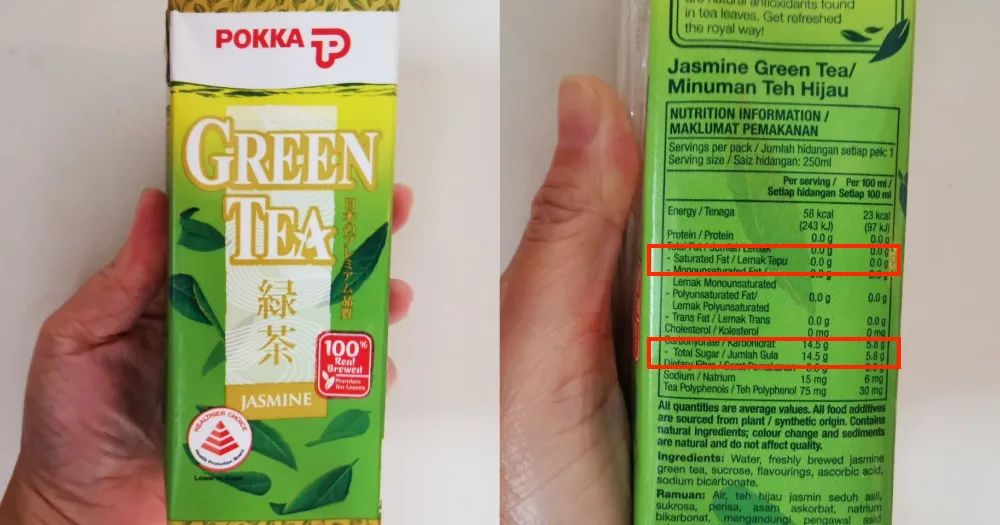
One green tea beverage, for example, contains 5.8 grams of sugar per 100 milliliters and is graded C, with the label printed right on the packaging.
Ong Ye Kung added that the government is finalizing the details, expected to be announced midway through the following year and in force before that year's end.
Singapore's Diabetes Challenge
The measure is part of a broader government effort to reshape dietary habits and cut sugar intake in a country with a serious diabetes problem. More than 400,000 Singaporeans live with diabetes — roughly one in nine. Diabetes is a leading cause of kidney failure, and Singapore has one of the highest rates of end-stage renal failure in the world.
Ong Ye Kung noted that about six new kidney failure patients are diagnosed every day, up from around four a day in 2011. Two factors drive the trend: an aging population and disease prevalence. Given how rapidly Singapore's population is aging, kidney disease cases are expected to keep climbing. And while diabetes prevalence has held steady for years, obesity — itself a risk factor for diabetes — has been on the rise.
Progress in Singapore's War on Diabetes
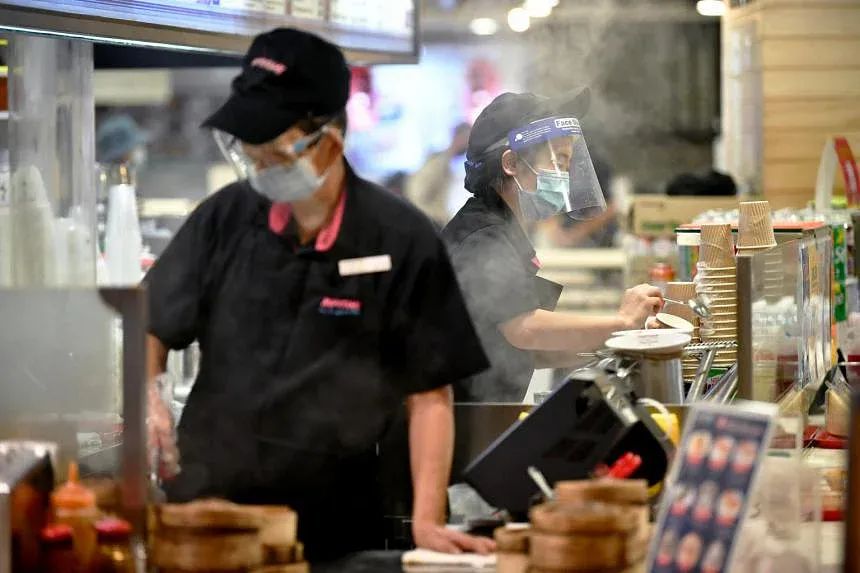
Singapore declared "war on diabetes" back in 2016, rolling out a range of measures to limit sugar consumption that are now showing results. In interviews with food and beverage operators, The Straits Times found that over the past three years, more and more consumers have put health first, with 60% to 70% asking for less sugar — or none at all — in their coffee or tea.
FrontStreet Coffee Recommendation
If all this has you rethinking your daily office coffee, the answer is not to skip it — it is to brew better. FrontStreet Coffee's Classic Blend was designed specifically for espresso and moka pot brewing, and its standout trait is exceptionally rich crema: even a beginner with an entry-level home machine can pull a dense, velvety shot. Built on the traditional Mandheling-Brazil formula, it is smooth and full-bodied, approachable for seasoned drinkers and newcomers alike, and works equally well at home or in a shop.
For those watching costs without sacrificing taste, the 100% Arabica Black Cocoa Blend delivers generous crema and a mellow body at a friendly price — a dependable workhorse for cafes. And if you want something fruitier, the Strawberry Candy blend layers the native flavors of different Arabica origins into a vivid strawberry-gummy sweetness with low bitterness, making it a versatile choice for both milk drinks and black coffee.
Important Notice :
FrontStreet Coffee is a long-established specialty coffee roaster in Guangzhou China, selling freshly roasted beans from its own farm in Yunnan as well as dozens of carefully selected single-origin beans from around the world for both pour-over and espresso. The products deliver consistently excellent quality and great value, with shipping within 24 hours. Guangzhou's FrontStreet Coffee shop is recommended by many coffee lovers, and the beans are now available online at the Tmall 。
FrontStreet Coffee has moved to a new address:
FrontStreet Coffee Address: 315,Donghua East Road,GuangZhou
Tel:020 38364473
 Scan and follow the En Gafei WeChat official account. Please indicate that the reprint comes from "En Gafei".

