
How Does Pouring Speed During Pour-Over Coffee Brewing Affect Flavor?
In pour-over brewing, beyond the objective parameters—grind size, water temperature, coffee-to-water ratio, extraction time—the pouring technique itself also shapes the final flavor. The number of pour stages, the water volume of each stage, the pouring height, and the speed of your circular motion all change the cup to varying degrees.
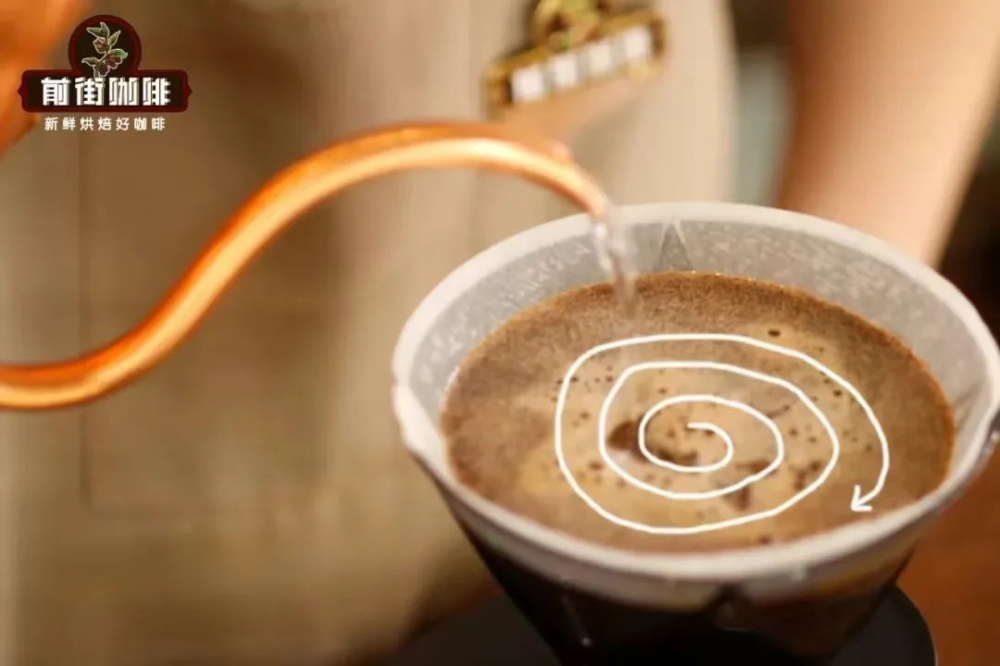
Today, FrontStreet Coffee looks at how the speed of your circular pour affects the taste of the finished coffee, as a reference for your own brewing.
How Circular Pouring Speed Affects Extraction
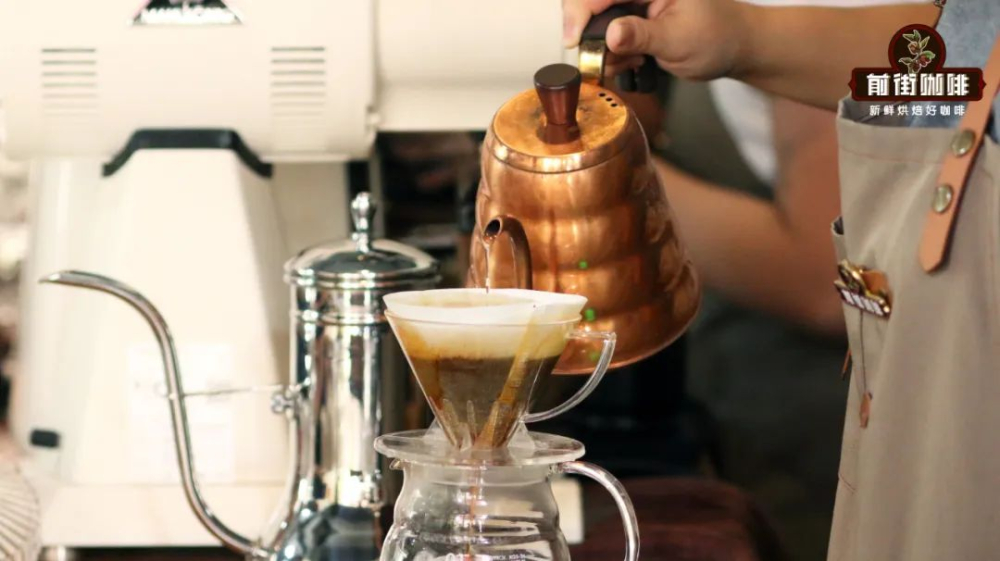
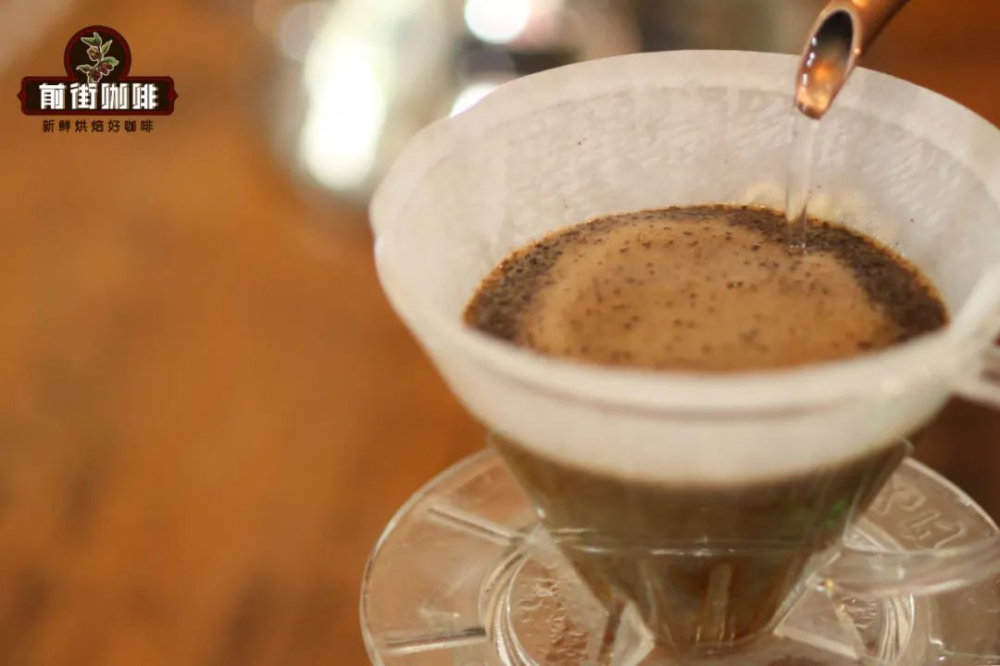
First, the basics. When pouring, we typically move in concentric circles in one direction only. A consistent direction prevents turbulence, letting the water follow the flow; pouring at fixed points, or flipping between clockwise and counterclockwise, creates uncontrollable turbulence the instant you reverse direction, disrupting even extraction of the grounds.
As for circular pouring itself: since most modern pour-over setups use conical drippers, circling the stream is what ensures every patch of grounds gets extracted evenly.
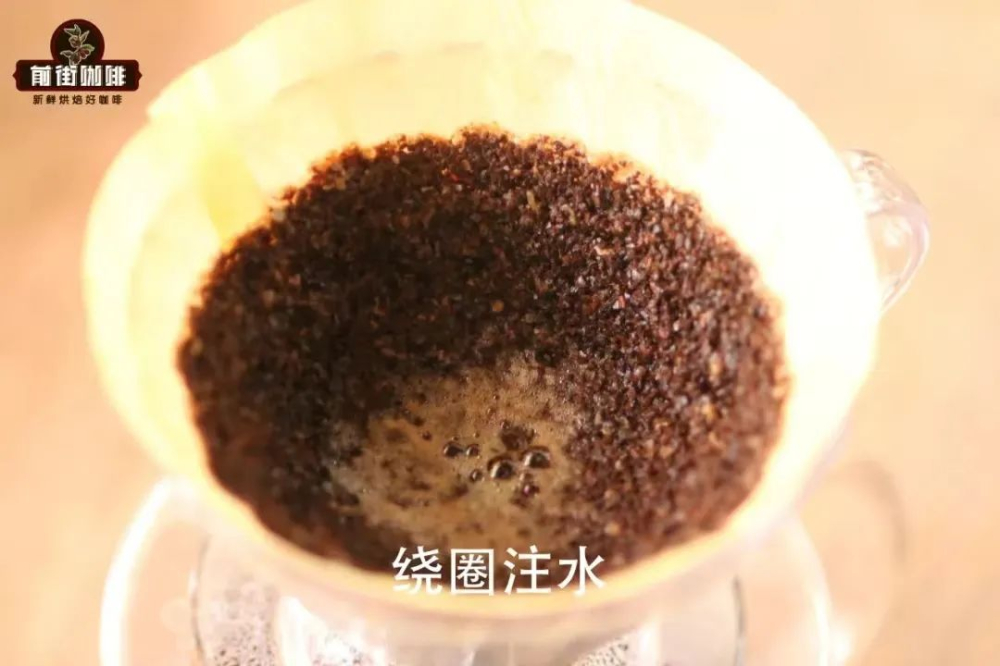
The speed of your circles essentially sets the intensity of agitation. Think of dissolving drink granules: stir harder with the spoon and they dissolve faster. The kettle stream is the spoon, and your circling speed is the stirring intensity.
FrontStreet Coffee's Comparative Experiment
To see what that means in practice, FrontStreet Coffee ran a comparison using washed Yirgacheffe Kudh Dink as the demonstration bean, with these parameters:
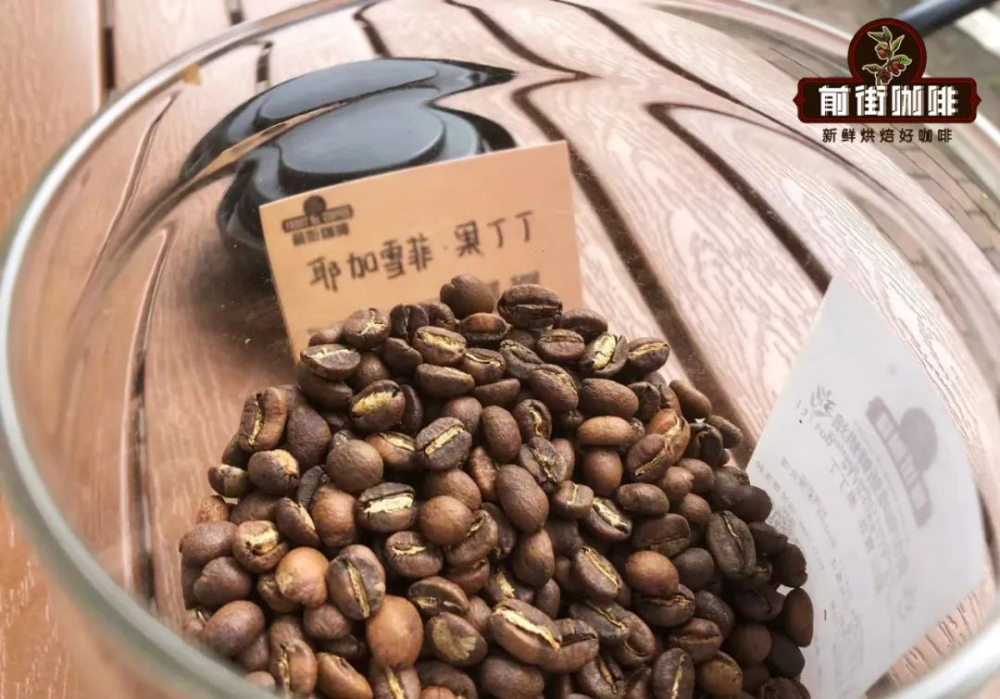
- Coffee amount: 15g
- Ratio: 1:16
- Water temperature: 91°C
- Grind size: 80% through #20 sieve
- Pouring method: Three-stage pour
- Extraction time: 2 minutes 20 seconds
The only variable was circular pouring speed:
- Slow group: 3 seconds per circle
- Fast group: 1 second per circle
Experimental Results
Slow group: concentration 1.40%, extraction rate 20.73%.
Fast group: concentration 1.41%, extraction rate 20.88%. In the cup, both showed citrus, honey and green tea notes with no meaningful difference in taste.
So pouring speed apparently doesn't cause major flavor differences.
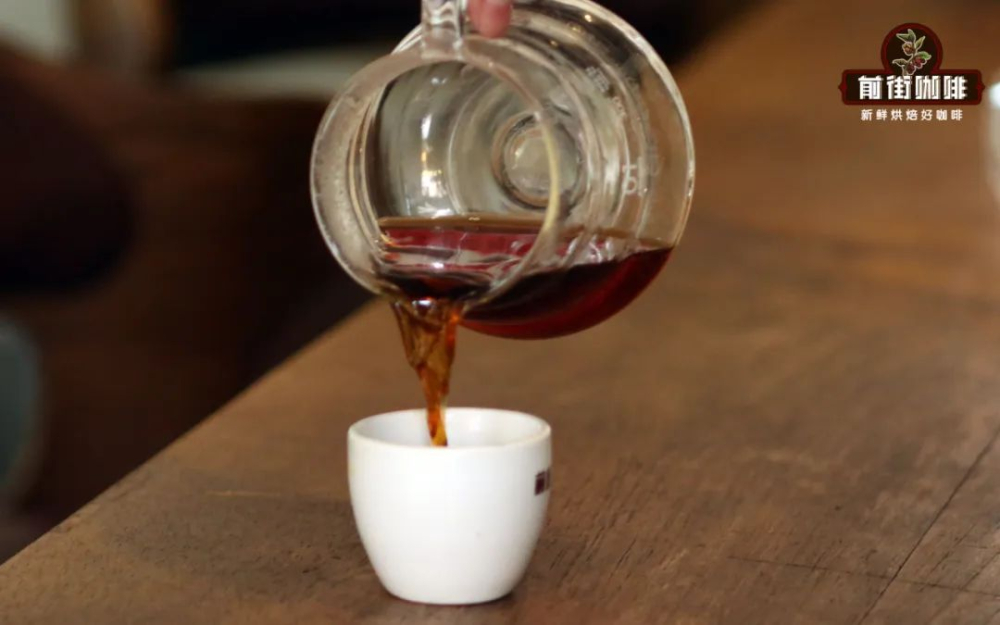
Wait... For thoroughness, FrontStreet Coffee decided to run the test with a second bean. The first experiment used high-altitude, lightly roasted Yirgacheffe—a dense, hard bean. This time we used dark-roast Golden Mandheling, with these parameters:
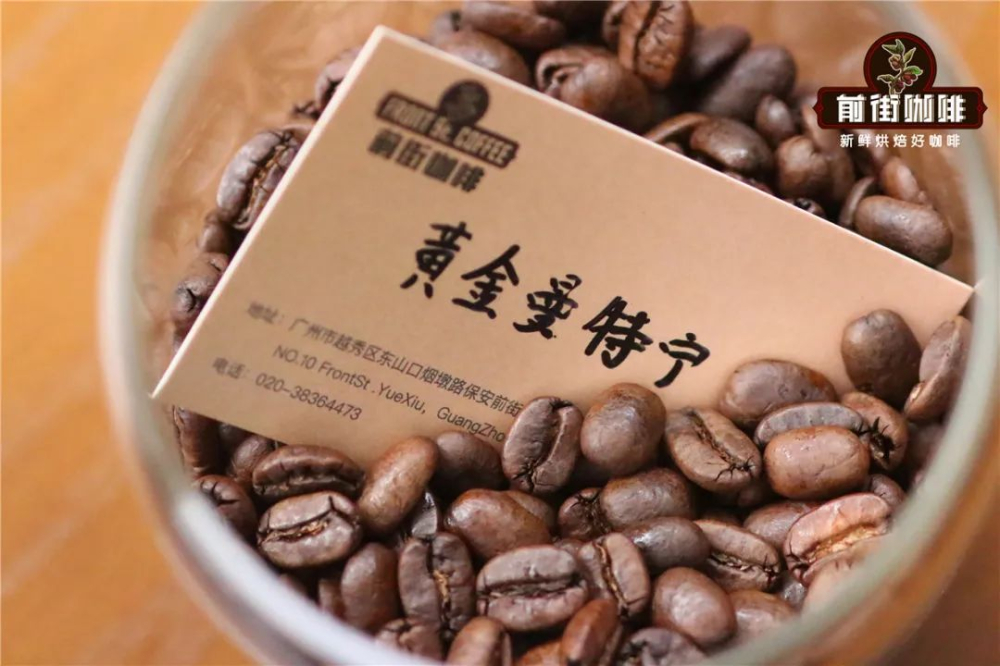
- Coffee amount: 15g
- Ratio: 1:15
- Water temperature: 87°C
- Grind size: 70% through #20 sieve
- Pouring method: Three-stage pour
- Extraction time: 2 minutes
Again, the variable was circular pouring speed:
- Slow group: 3 seconds per circle
- Fast group: 1 second per circle
Second Experiment Results
Slow group: concentration 1.39%, extraction rate 19.11%.
Fast group: concentration 1.45%, extraction rate 19.95%. In taste, the slow group came out softer and more comfortable, while the fast group tasted more intense and richer; the mouthfeel was essentially identical.
Across the two experiments: more agitation does dissolve more coffee compounds, but the magnitude depends on the bean. For hard beans, stirring intensity barely moves the flavor; for softer beans, stronger agitation significantly accelerates the release of soluble compounds.
Conclusion
These results hold for FrontStreet Coffee's preset parameters—if you change the grind, the outcomes change too. With a finer grind, stirring intensity matters less; with a coarser grind, it matters more. The same goes for every other parameter.
This is exactly why, whenever FrontStreet Coffee shares brewing recipes for dark-roast coffee, we always recommend a gentle, slow pour. Fast circular stirring agitates harder and strips flavor out faster—so if your other parameters aren't dialed in precisely, it's an easy road to bitterness.
FrontStreet Coffee Recommendation
Which beans suit the pour-over experiments above? The V60's open, 60° cone design rewards floral-and-fruit coffees: FrontStreet's washed Yirgacheffe Guodingding delivers the classic Yirgacheffe profile of jasmine-like florals and citrus brightness, while the natural Ethiopia Huakui brings lush tropical fruit, and the Strawberry Candy Gesha blend adds raisin-toned sweetness.
If your taste leans toward the dark-roast Mandheling used in the second experiment, go for FrontStreet PWN Golden Mandheling—triple hand-sorted, with low acidity, thick herbal-black-chocolate body and caramel sweetness. Just remember the lesson from the experiment: pour slowly and gently to keep the sweetness and keep the bitterness out.
Important Notice :
FrontStreet Coffee is a long-established specialty coffee roaster in Guangzhou China, selling freshly roasted beans from its own farm in Yunnan as well as dozens of carefully selected single-origin beans from around the world for both pour-over and espresso. The products deliver consistently excellent quality and great value, with shipping within 24 hours. Guangzhou's FrontStreet Coffee shop is recommended by many coffee lovers, and the beans are now available online at the Tmall 。
FrontStreet Coffee has moved to a new address:
FrontStreet Coffee Address: 315,Donghua East Road,GuangZhou
Tel:020 38364473
 Scan and follow the En Gafei WeChat official account. Please indicate that the reprint comes from "En Gafei".

