
The Barista's Responsibility: Spreading Coffee Culture! Professional Barista Job Requirements
The Inclusive Spirit of Coffee Culture
As coffee professionals and as people who spread coffee culture and knowledge, our mission is to treat every matter and every coffee consumer with fairness and impartiality.
Everyone has the right to drink coffee, and everyone can pursue coffee in their own way. From ancient times to the present, coffee has been widely recognized and loved because it is so inclusive. You can drink it sitting on a roadside curb or beside the Left Bank of the Seine; you can boil it in a big pot with nothing but grounds and water, or watch the water travel through the filter bed and drip slowly down.
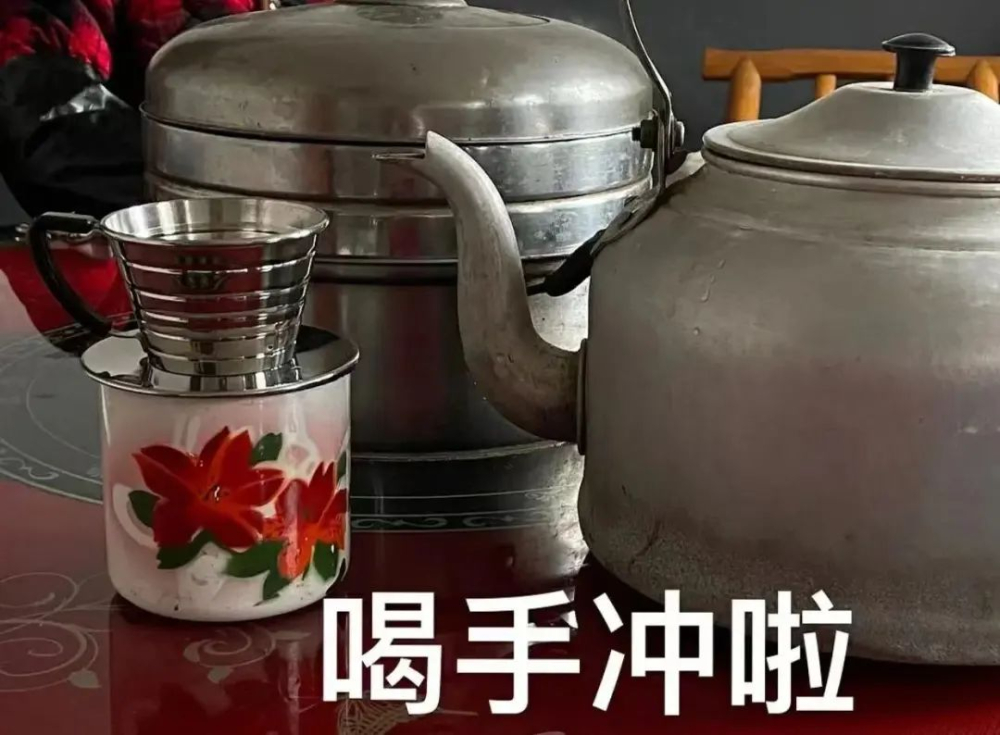
Promoting Coffee's Inclusiveness
As people who spread coffee culture, we should also promote that inclusiveness. Coffee culture needs benign, correct dissemination. By sharing sound coffee culture, knowledge and values, we encourage more people to engage with coffee, learn about it, fall in love with it, and then pass the culture on.
Everyone has a first encounter with coffee, and everyone's pursuit of it differs. There is no need to force others or to hold prejudices. Most consumers new to coffee start with instant coffee, milk coffee or specialty drinks — entirely normal. Because they are new, taking photos and sharing on social platforms is normal too.
Yet some coffee professionals treat such ordinary behavior as disrespectful, arguing that photographing a coffee without knowing how to drink it shows a lack of respect for baristas. A repost claiming to "represent the voice of baristas" sparked a lot of discussion in the trade.
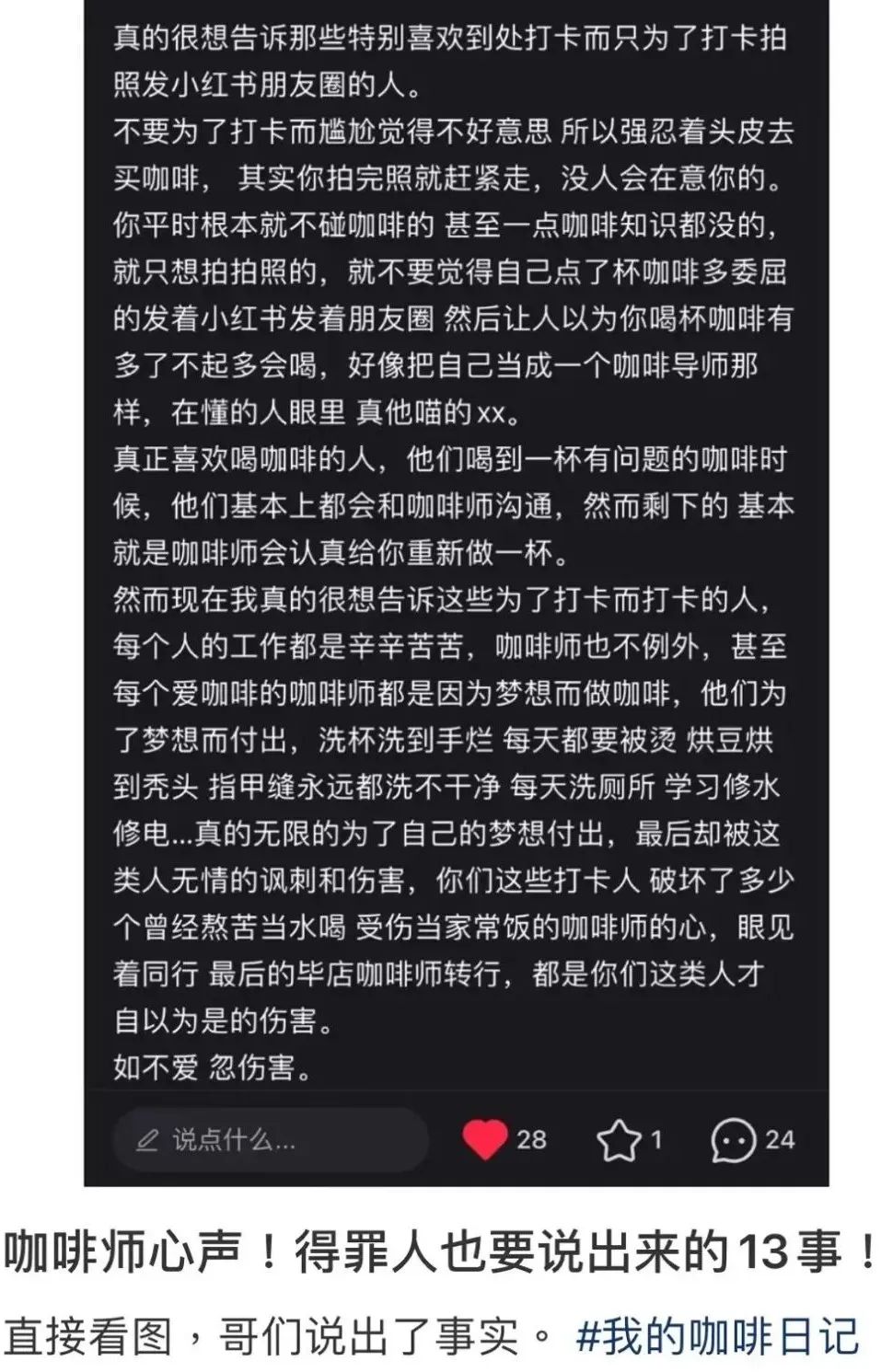
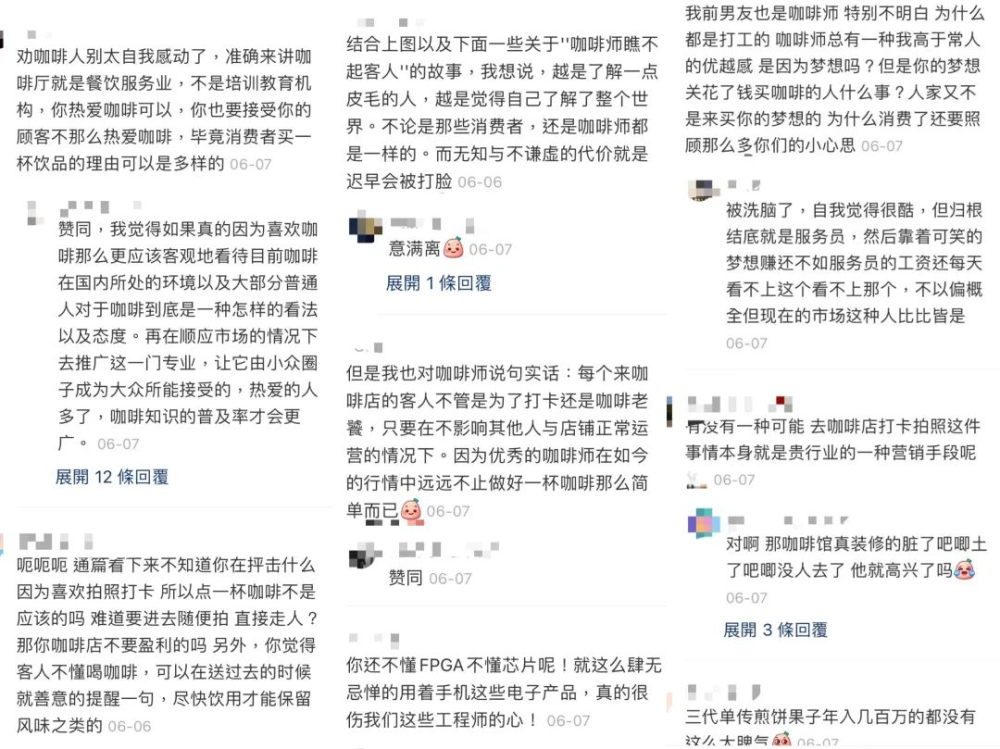
Understanding Why Customers Come
Every person who comes into a coffee shop has their own reason for needing coffee. They may not be ordering it purely to drink it, and they do not have to understand coffee to order it. What a customer chooses and what they do with it afterward is their freedom. Baristas should not assume a customer doesn't know how to drink coffee just because they photograph it, nor discourage them from ordering.
When a customer comes in, orders coffee and takes photos to share, that promotes both the shop and the barista — isn't that a good thing? And without knowing what the customer will write, judging that someone photographing their coffee is only showing off is unfair. If that customer, inspired by this one cup, went on to explore coffee further and then encountered such an attitude, how would they feel?
Quality Control Is the Real Responsibility
When customers detect a problem with the coffee, that is a quality control issue — it means the beans' condition was not checked before daily service. That is something the barista should catch before serving, not something to carefully remake only after a customer complains.
This is not the moment to demonstrate how diligent or hardworking a barista is. What is needed is to take your output seriously, not to show effort. Every profession has its difficulties, but skin problems from washing dishes or burns from making coffee are personal matters, not directly related to how hard a barista works.
Career Choices and Customer Feedback
When a customer buys coffee, it is an endorsement of a shop's output; whether it tastes good is defined by personal senses. Most people who find a coffee not to their liking will not say so, because it would hurt someone's feelings. Conversely, when it tastes good, they will speak up, because it encourages others. When a customer buys coffee but doesn't drink it, perhaps they simply wanted a drink in exchange for a place to rest — which does not necessarily mean they disrespect the barista.
Baristas do not change careers because of customer disapproval, but because other opportunities let them develop. Life is long, and being a barista is not the only path. When something allows for better personal development, a person will naturally choose it — and that has little to do with what others think.

The Role of Coffee Professionals
When customers don't understand, we can share correct knowledge and values to guide them forward. When customers do understand, we can acknowledge them — even if our views differ, that does not mean either side is wrong.
Getting more people to recognize coffee culture takes mutual support, and those customers become excellent channels for spreading it. As the saying goes, one tells ten and ten tell a hundred; the barista is that "one," which also shapes how the next people see the coffee industry.
Everyone in the coffee industry hopes to see it improve and more people come to love and pursue coffee. We have no right to interfere with consumers' choices, but we can guide them through our professionalism. What a barista needs to do is keep studying and learning, sharpening their expertise, rather than growing complacent with surface-level knowledge.
Image source: Internet
FrontStreet Coffee Recommendation
If there is one everyday proof of coffee's inclusiveness, it is the latte — forgiving, approachable, and made better by the right bean. FrontStreet Classic Blend is the first pick for it: designed for espresso and moka pot, it stands out for a thick, glossy crema that even a beginner on an ordinary home machine can pull dense and silky, which is what a latte, cappuccino or Dirty depends on. Its traditional Mamba blend recipe gives a full, rounded, gentle body that suits veterans and newcomers alike, at home or in a commercial setting.
For value, FrontStreet Dark Cocoa Blend uses 100% Arabica beans with abundant crema and a full, mellow body at a friendly price. For a fruitier milk drink, FrontStreet Strawberry Candy recreates a vivid strawberry gummy sweetness from Arabica beans of different origins, and works both at home and in a cafe. Both FrontStreet Signature Blend and FrontStreet Dark Cocoa Blend make excellent milk partners thanks to their Brazilian base, with almond, walnut and hazelnut depth and a silky texture, while adding a little Robusta in FrontStreet Classic Blend and FrontStreet Commercial Blend brings extra golden foam, body and caramel aroma.
If you prefer pour-over beans with milk, front-load the choice with a medium-dark roast so the coffee still speaks through the milk. FrontStreet PWN Golden Mandheling, FrontStreet Bird of Paradise — Papua New Guinea Typica often called a "little Blue Mountain," with creamy cocoa character — and FrontStreet Queen's Estate, a Brazilian Yellow Bourbon with butter, macadamia and sugarcane notes, are all comfortable choices that stay coherent with or without milk.
Important Notice :
FrontStreet Coffee is a long-established specialty coffee roaster in Guangzhou China, selling freshly roasted beans from its own farm in Yunnan as well as dozens of carefully selected single-origin beans from around the world for both pour-over and espresso. The products deliver consistently excellent quality and great value, with shipping within 24 hours. Guangzhou's FrontStreet Coffee shop is recommended by many coffee lovers, and the beans are now available online at the Tmall 。
FrontStreet Coffee has moved to a new address:
FrontStreet Coffee Address: 315,Donghua East Road,GuangZhou
Tel:020 38364473
 Scan and follow the En Gafei WeChat official account. Please indicate that the reprint comes from "En Gafei".

