
Why Coffee Turns Sour When It Cools Down: Is Hand-Drip Coffee Better Hot or Cold?
Why Coffee Changes Flavor as It Cools
Does this sound familiar? You brew a fresh pot of coffee, take a sip, find it delightful, and settle in for a proper ten-minute savoring session. Then something urgent pulls you away. Half an hour later you come back, expecting to enjoy your coffee — only to discover the flavor has gone strangely "off," nothing like the cup you first tasted.
This isn't a sign of poor brewing technique. Coffee simply doesn't taste as good once it cools (note: that doesn't mean cold coffee becomes unpleasant — just less enjoyable than when hot). So FrontStreet Coffee is here to explain exactly what happens as coffee transitions from hot to cold.
Aroma Dissipation
One reason cooled coffee loses its charm is the simple evaporation of aroma. As FrontStreet Coffee has shared before, a large portion of what we "taste" in coffee actually comes from smell. Freshly brewed coffee is loaded with volatile aromatic compounds that ride up with the water vapor, which is why a fresh pot smells so wonderful.
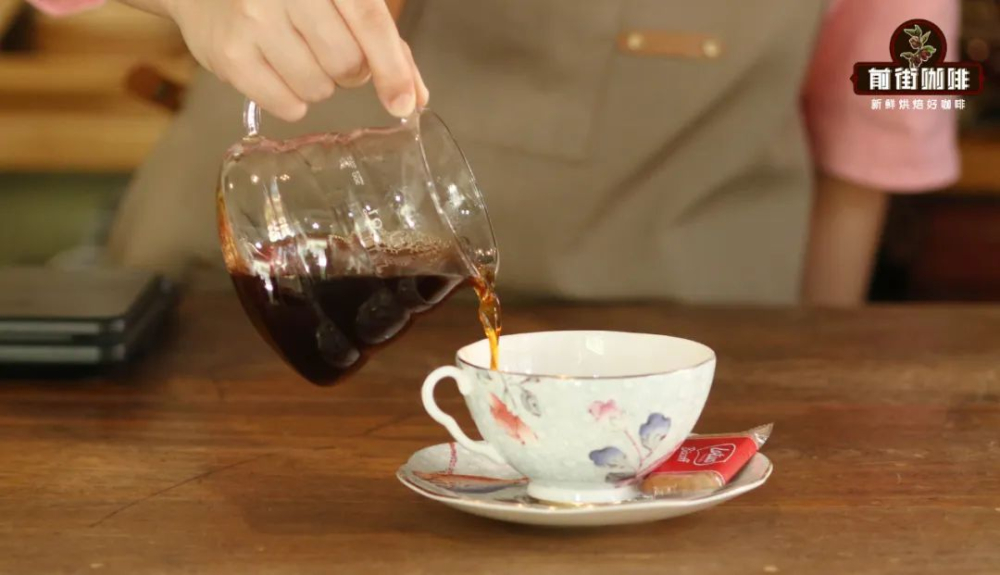
As the cup cools, a considerable share of those volatile compounds has already escaped. Sniff the coffee again and there's little left — perhaps just a fruity sweetness from furan molecules, or nothing at all. The drinking experience inevitably suffers.
Oil Oxidation
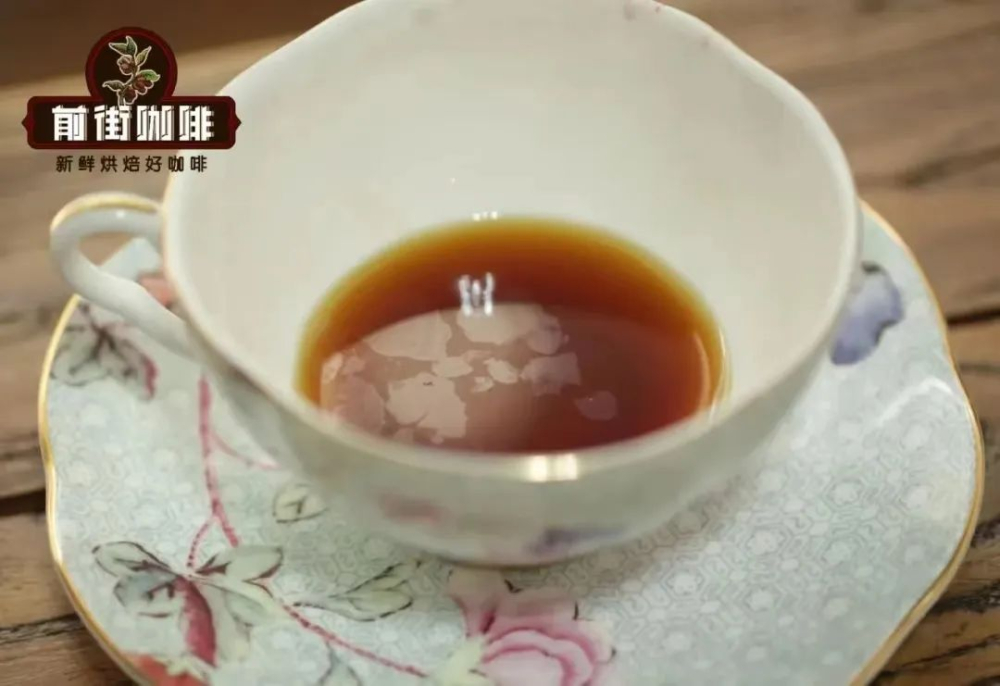
Filter paper removes most of the oils during brewing, but a small amount remains in the cup — so little you'd never notice without looking closely. Those trace oils contribute to a smooth mouthfeel.
However, once coffee sits for a while, those oils come into direct contact with air and oxidize, forming clumps that not only roughen the texture but also give off a stale, rancid smell — much like oil left standing too long.
Pigment Oxidation and Polymerization
Save your used filter paper for half an hour after brewing and you'll see the edges turning dark brown. That's "pigment oxidation and polymerization" at work.
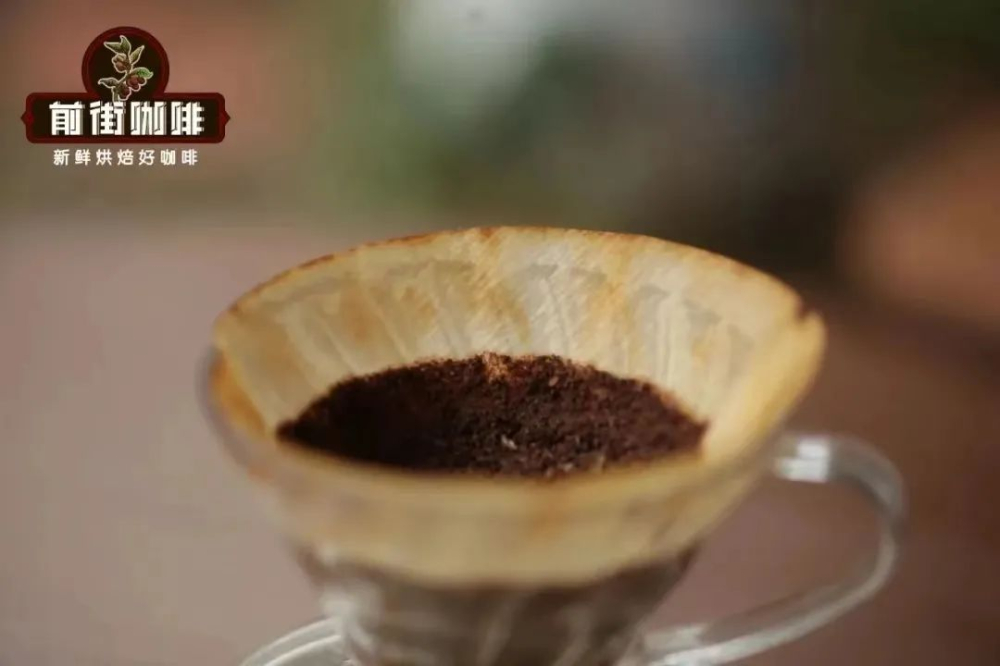
These brown pigments form during roasting through caramelization reactions and dissolve into the coffee as it brews, contributing caramel, chocolate, and related flavors. But when you detect bitter, muddled flavors in a cooled cup, that's the pigments oxidizing and polymerizing. It's also why dark roasts generally hold up less well as they cool.
Condensation
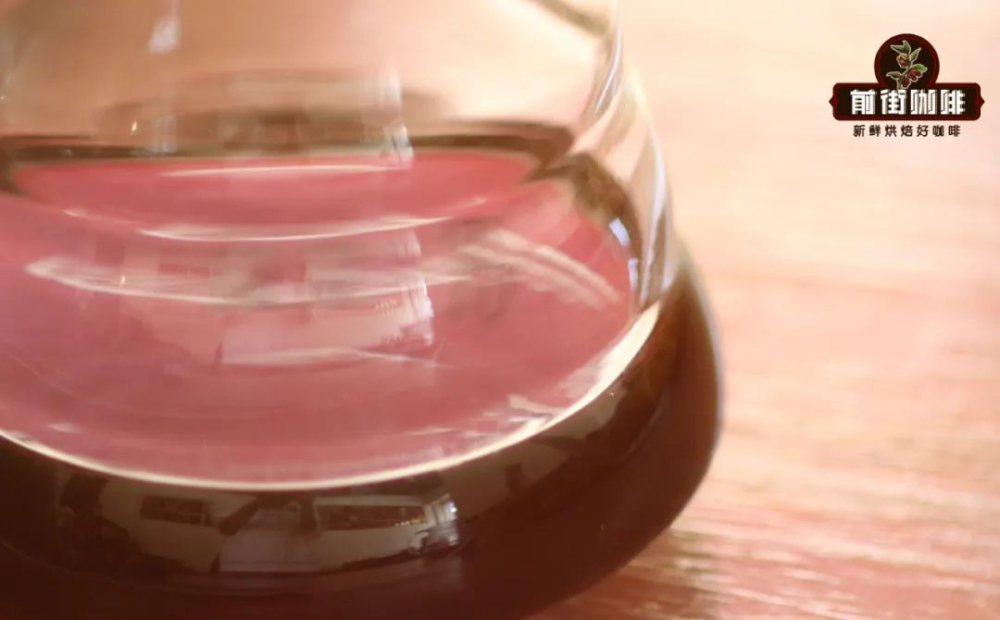
If your coffee turns cloudy as it cools, certain dissolved substances are condensing out at lower temperatures. Those condensed particles give the coffee a gritty, sand-like texture.
Taste Perception Changes
Beyond these physical changes, our own taste buds perceive sour, sweet, and bitter differently at different temperatures.
A cup of coffee contains all three taste components: sour, sweet, and bitter. When coffee tastes strongly acidic, acidic substances dominate. When it tastes bitter, more bitter compounds were extracted, and the sour and sweet can no longer mask them. That part is objective fact.
But when a cup seems to grow more acidic as it cools, that's subjective perception — because the proportions of sour, sweet, and bitter compounds are fixed the moment brewing ends and don't change with temperature. Here's how our perception shifts: sourness doesn't change with temperature; sweetness peaks near body temperature, roughly in the 32-42°C range; bitterness grows more pronounced as temperature falls.
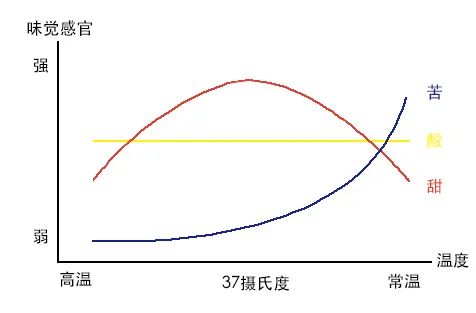
So when coffee seems to turn very sour while cooling, it's because the cup holds few bitter compounds to begin with, and fading sweetness lets the acidity stand out. Conversely, when coffee turns bitter as it cools, it extracted more bitter compounds — bitterness that hot, sweet coffee was masking until the temperature dropped.
FrontStreet Coffee Recommendation
If a cooling cup revealing its acidity bothers you, start with beans whose bright fruit acids taste like fruit rather than vinegar. The FrontStreet Yirgacheffe Guodingding from Ethiopia is a beloved first step into specialty coffee: expect vivid citrus, berries, and florals with a green-tea-like sweetness. Far from the "sour coffee" many fear, good Yirgacheffe acidity is soft and bright — like the natural tartness of fruit, never harsh.
The FrontStreet Ethiopia Huakui (Aricha) is one of the biggest specialty stars of recent years, famous for explosive tropical aromas — strawberry, passion fruit, jackfruit, even lychee. With pronounced sweetness and almost no bitterness, it's silky and juice-like on the palate, so smooth that fans call it "the coffee that tastes least like coffee."
For bolder acidity, the FrontStreet Kenya Cherry Tomato is a washed Kenyan from the Thika region, grown at 1550-1750 meters from the classic SL28 and SL34 varieties. It undergoes Kenya's characteristic 72-hour double-washed fermentation, then a light roast to preserve its lively acidity. The dry fragrance offers dried cherry tomato and florals; the cup delivers clear cherry tomato and dried plum flavors with full fresh-pressed-juice body, mid-palate sweetness of snow pear and black plum, and a clean finish of golden sugar and light green tea.
And for a truly distinctive cup, the FrontStreet Ethiopia Kaffa Forest comes from the Kaffa rainforest in southwest Ethiopia — a UN-recognized biosphere reserve of over 7,000 square kilometers at 1400-2100 meters, widely regarded as the birthplace of Arabica coffee (the word "coffee" itself derives from the ancient Kaffa kingdom). Wild coffee trees grow untended among more than 5,000 native Arabica gene lines — the original stock of today's famous Gesha included — yielding a cup layered with jasmine, citrus, and wild berry aromas, delicate and vividly alive.
Important Notice :
FrontStreet Coffee is a long-established specialty coffee roaster in Guangzhou China, selling freshly roasted beans from its own farm in Yunnan as well as dozens of carefully selected single-origin beans from around the world for both pour-over and espresso. The products deliver consistently excellent quality and great value, with shipping within 24 hours. Guangzhou's FrontStreet Coffee shop is recommended by many coffee lovers, and the beans are now available online at the Tmall 。
FrontStreet Coffee has moved to a new address:
FrontStreet Coffee Address: 315,Donghua East Road,GuangZhou
Tel:020 38364473
 Scan and follow the En Gafei WeChat official account. Please indicate that the reprint comes from "En Gafei".

