
Getting Tipsy on Coffee?! Adding Alcohol to Coffee, Every Sip Makes Young People's Souls Tremble!
"Wine with coffee — I only want one cup."
That line comes from a classic song released in the 1970s. Teresa Teng's voice is intoxicating enough on its own, but the pairing the song celebrates — wine plus coffee — has become exactly the kind of stimulation today's younger generation is after.
People have gone to remarkable lengths in pursuit of a neural jolt and a physiological lift. Alcohol relaxes you; caffeine revives you. As early as the 1940s, bars were already popularizing the combination of spirits and hot coffee poured over burnt sugar cubes and finished with a layer of cream — the world-renowned Irish Coffee.
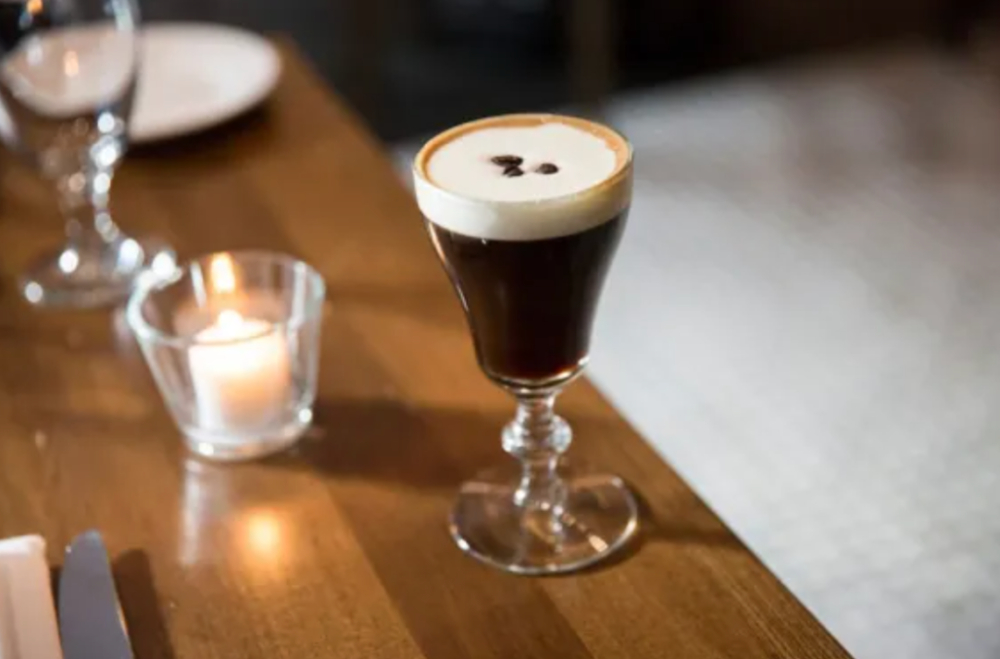
The catch: in that combination, the coffee's flavor tends to be steamrolled by the raw intensity of the spirits. That pushed bartenders toward espresso paired with vodka and liqueur — the Espresso Martini. The espresso spreads its complexity across the whole palate while the bite of vodka and the sweetness of liqueur weave around it, leaving a long, lingering finish.
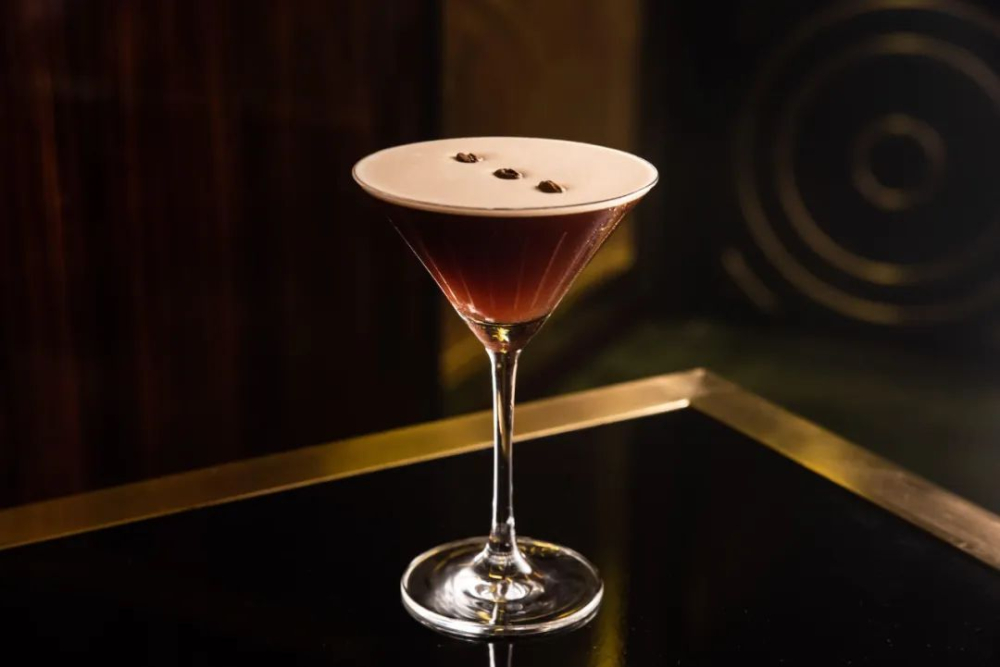
From there, coffee and alcohol stopped being about medicinal effect, and stopped belonging to bars alone. The pairing opened a genuinely new chapter for the coffee industry: drinks once confined to morning and evening slots were transformed, at the hands of baristas, into something for any hour.
The Art of Coffee and Alcohol Pairing
Like specialty coffee, alcoholic coffee aims to add complexity and sensory richness without stripping the coffee of its own character. But where adding fruit juice is fairly forgiving, adding alcohol is far trickier. Specialty coffee's flavors are already delicate and subtle, while alcohol typically tastes more intense than the coffee itself — so the proportion of base spirit in an alcoholic coffee is usually kept restrained.
Coffee and alcohol do share a common thread: their core flavors revolve around acidity, sweetness, and bitterness. Each ingredient expresses itself at different stages, which is why the drink divides into three phases — front, middle, and back.
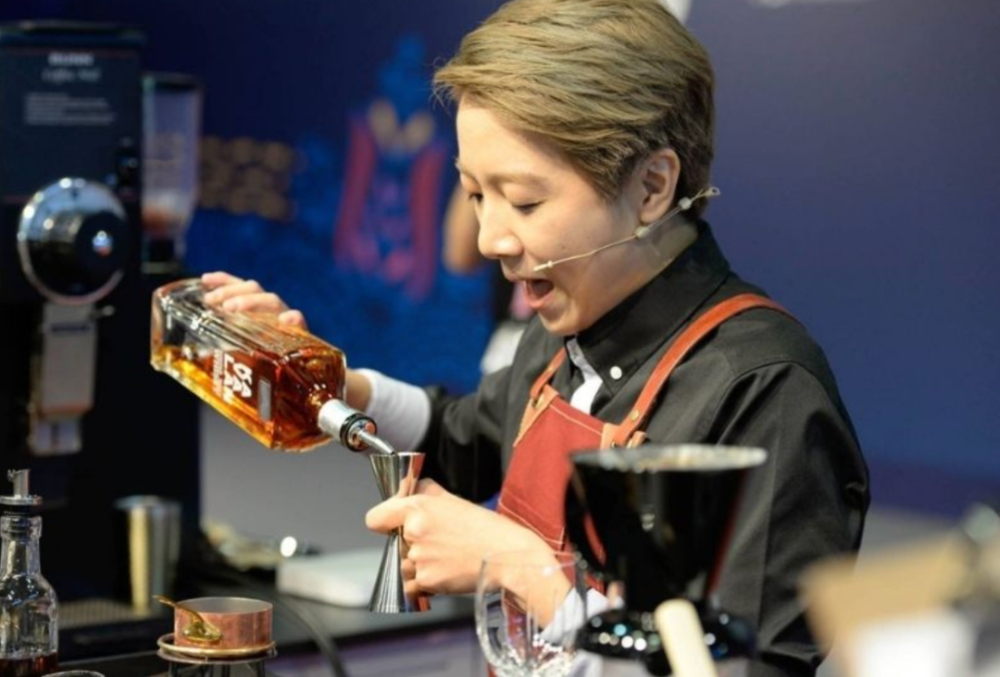
- 2020 Peru Creative Coffee Champion making alcoholic coffee
To combine the two well, each phase has to pull its weight: the individual character of both coffee and alcohol should show in its own stage, and the combined flavors created along the way should act as transitions, giving the whole drink deeper layers and richer flavor.
World Barista Champion Wu Zelin has noted that to let coffee keep expressing its own flavors even after alcohol is added, you may need to deliberately over-extract or under-extract the coffee.
Because alcohol will always taste more assertive than coffee, an alcoholic coffee needs the coffee's acidity and intensity deliberately boosted, then paired with a suitable spirit and other ingredients to balance sweet, sour, and bitter. Unlike a straight brewed coffee or a classic cocktail, neither coffee nor alcohol is the sole protagonist here — both are merely ingredients.
The Rising Trend of "Tipsy" Culture
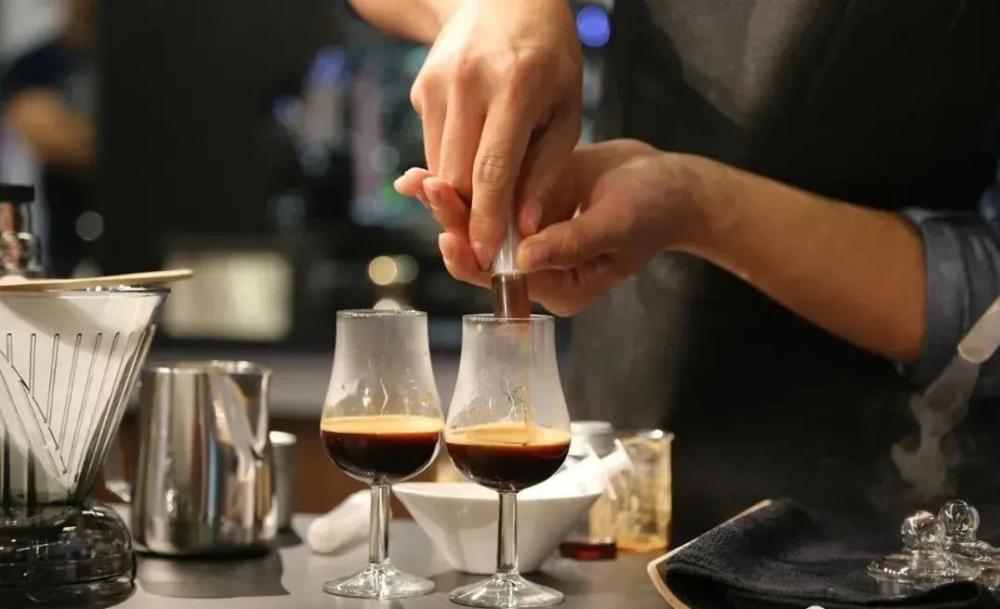
Compared with everyday specialty coffee or a standard cocktail, alcoholic coffee is an advanced difficulty level. To make a good one, you need to taste and confirm the flavor of every ingredient, then draw on broad professional knowledge to combine them sensibly, hold to a core flavor profile during development, and finally check each finished drink through aroma, taste, and aftertaste.
Today, in an era when young people chase the pleasure of being pleasantly buzzed, alcoholic coffee — hovering between tipsy and sober — has quietly become a signature category on café menus, standing apart from both the non-alcoholic fruit coffees and the high-proof cocktails.
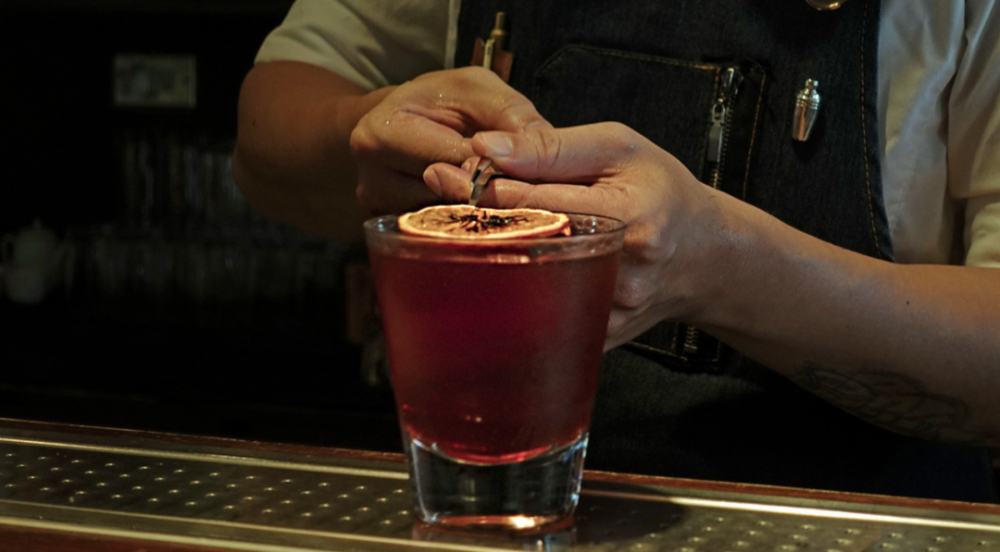
"Tipsiness" is the state between sober and drunk. Compared with being fully drunk, it leaves little burden once it wears off — and the pleasant mood it produces can help people start the next day fresh.
More and more people are chasing that state for a few reasons: it's a way to relax; it loosens the grip of self-restraint and lets people be more authentic; and under a mild alcohol haze, anxiety eases while ideas flow, helping tasks get done. So it's no longer just a nighttime pursuit — more and more consumers now look for tipsiness in the daytime.
Remember the "convenience store cocktail" craze? To lower the alcohol strength while keeping its effect and improving drinkability, people would buy a small bottle of spirits at a convenience store and mix it into milk coffee or milk tea.
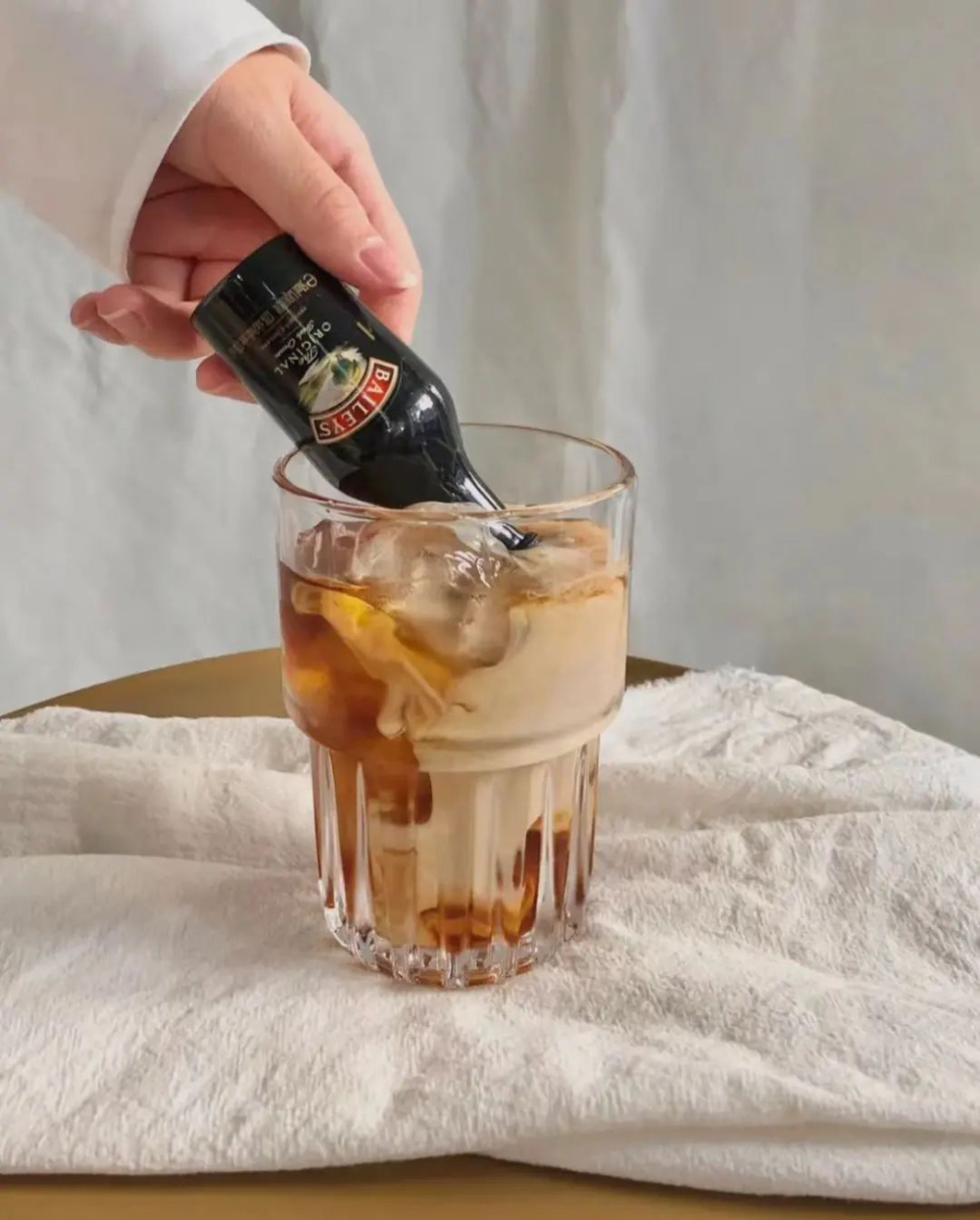
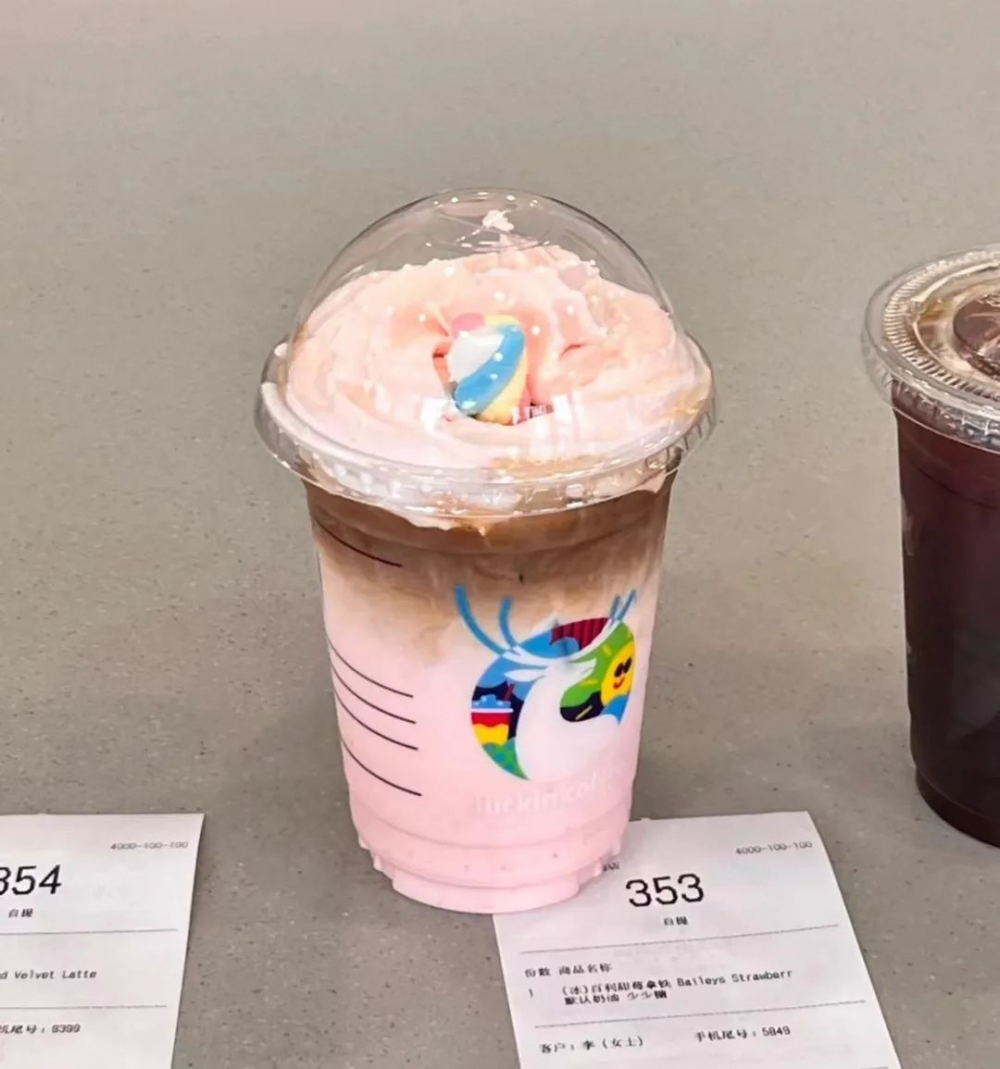
More recently, the beverage development team at Luckin Coffee read this trend perfectly. For the Qixi Festival (Chinese Valentine's Day) they launched a strawberry latte made with Baileys — folding young consumers' love of fruit coffee and of tipsiness into a single cup.
Alcoholic drinks give coffee shops a ceremonial consumption experience. Through the concept of tipsiness they can lift consumer acceptance of both coffee and alcohol, and as consumers demand more innovation and stimulation from their beverages, coffee plus alcohol is shaping up as a genuine new trend.
Important Reminders
That said — tipsy drinks do contain alcohol, so drink in moderation and according to your own condition! And remember:
"Do not drink and drive" & "Minors are prohibited from drinking alcohol"
Image source: Internet
FrontStreet Coffee Recommendation
Alcoholic coffee is usually built on an espresso base, so the beans you choose set the ceiling on the whole drink. From FrontStreet Coffee's espresso lineup:
FrontStreet Classic Blend (first choice): designed specifically for espresso and moka-pot brewing, with outstanding crema — even a beginner on a basic home machine can pull dense, silky crema. It follows the traditional Mocha-Java (Mandheling + Brazil) recipe, mellow and warm, approachable for veterans and newcomers alike, at home or in a shop.
FrontStreet Black Cocoa Blend (high-value commercial pick): 100% arabica, generous crema, a mellow body, and a friendly price — quality and value in one, ideal for new baristas and cost-conscious café owners.
FrontStreet Signature Blend (house classic): the blend FrontStreet's own café has used longest — nearly a decade — pairing Brazil Cerrado with Colombia Huila for the most familiar, classic espresso flavor, suited to home and commercial use alike.
FrontStreet Strawberry Candy espresso blend: a medium-roast, low-bitterness option that brings raspberry, rose, raisin, and fruit-candy aromatics — a lively base for creative signature drinks, alcoholic or otherwise.
Important Notice :
FrontStreet Coffee is a long-established specialty coffee roaster in Guangzhou China, selling freshly roasted beans from its own farm in Yunnan as well as dozens of carefully selected single-origin beans from around the world for both pour-over and espresso. The products deliver consistently excellent quality and great value, with shipping within 24 hours. Guangzhou's FrontStreet Coffee shop is recommended by many coffee lovers, and the beans are now available online at the Tmall 。
FrontStreet Coffee has moved to a new address:
FrontStreet Coffee Address: 315,Donghua East Road,GuangZhou
Tel:020 38364473
 Scan and follow the En Gafei WeChat official account. Please indicate that the reprint comes from "En Gafei".

