
How Can New Coffee Brands Attract Consumers? Is Coffee Bean Packaging Design Important?
The Steady Rise of Specialty Coffee
A recent joint report from the National Coffee Association (NCA) and the Specialty Coffee Association (SCA) shows that specialty coffee consumption has been climbing steadily around the world in recent years. The growth has been especially pronounced in fast-developing economies such as India and China, where the specialty coffee market has expanded considerably.
How Consumer Behavior Is Shifting
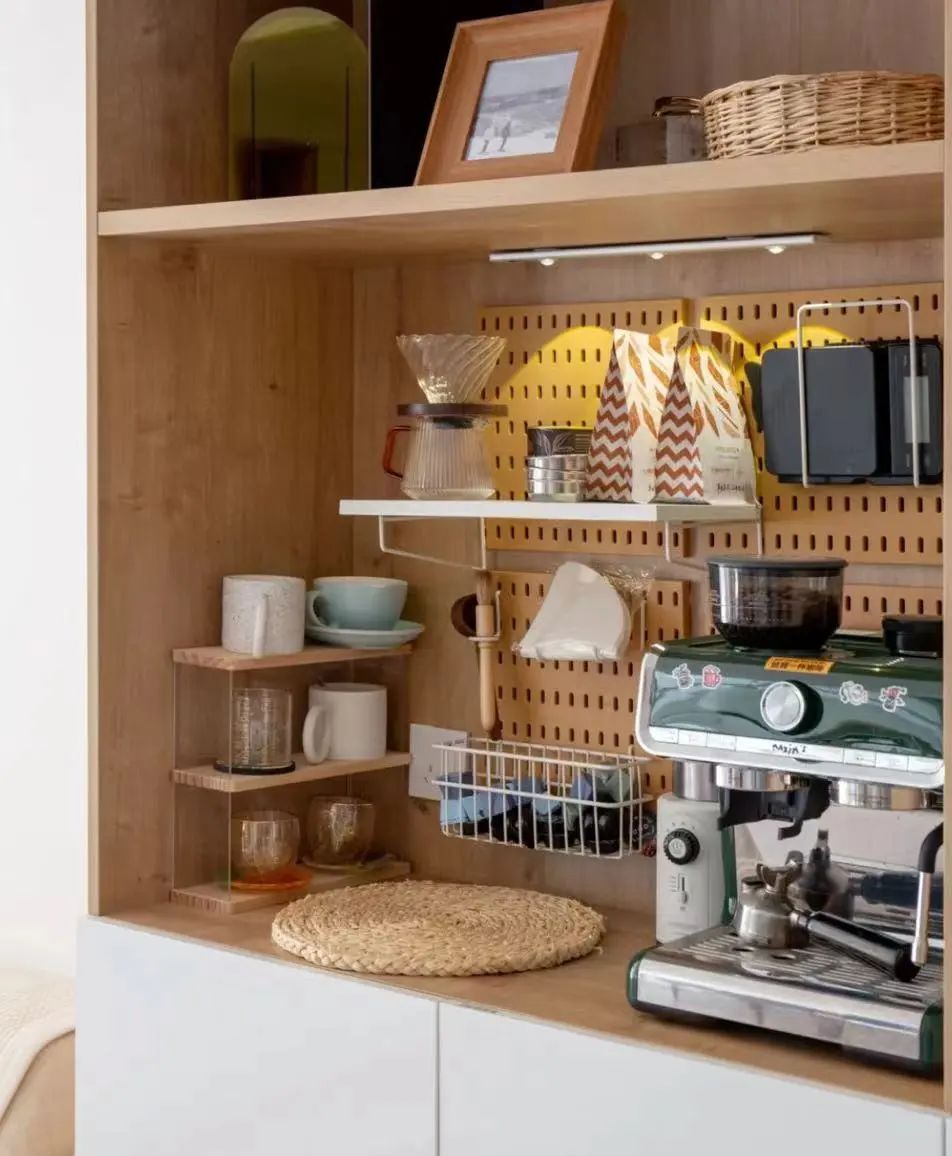
Specialty coffee shops may be appearing on more and more corners, but government pandemic measures have also reshaped consumer intentions. Coffee drinking has gradually moved from the cafe to the home, and a growing number of enthusiasts are buying beans online and learning to brew a satisfying cup for themselves.
Competition and Its Challenges
Major specialty coffee brands have rushed online, each promoting its own freshly roasted beans. The market has grown crowded and competition between brands has intensified. Because so many of these brands share similar values and a similar visual language in their packaging, a newcomer struggles to capture consumer attention.
Some might argue that as long as the beans are good and freshly roasted, packaging design hardly matters. For an established brand with recognition and a solid reputation, that may be true. For a new brand, however, packaging is one of the few levers available for convincing a customer to choose its products over a competitor's.
Faced with an endless wall of freshly roasted bean recommendations, 95% of people cannot judge bean quality from a photo alone. That is why so many consumers begin the selection process with the packaging.
Packaging Material and Function
Before designing bean packaging, the first things to settle are the material and its function. Today's coffee drinkers value freshness and aroma above all when they buy, and the wrong packaging will shorten a coffee's freshness window and its peak flavor period.
The most common bean packaging materials on the market today are either polypropylene film BOPP + polyester resin PET + polyethylene PE, or uniaxially oriented polypropylene film MOPP / kraft paper + aluminized polyester film VMPET + polyethylene PE.
They look alike, but the former offers better barrier properties and seal strength, which makes it the better choice for pre-ground coffee powder. The latter resists light better and stretches more readily, making it better suited to whole beans.
Whatever material is chosen, selling freshly roasted beans requires bags fitted with a one-way degassing valve. Freshly roasted beans keep releasing carbon dioxide after roasting, no matter the roast level. Without an outlet-only valve to let that gas escape, the pressure inside the bag would build up and compromise the seal.
For pre-ground coffee powder, the opposite applies: use bags without a one-way degassing valve, or with the valve opening sealed. Grinding multiplies the surface area of the beans, which speeds the escape of both carbon dioxide and the coffee's aroma.
The Evolution of Packaging Design
As noted earlier, two things can persuade a consumer to buy a particular bag of beans: reputation and packaging. In recent years, coffee packaging leaned heavily into personalization, with each brand developing its own signature look: unusual shapes, vivid colors, bold typography. A couple of years ago, though, the pendulum began swinging back toward minimalism, with far more attention paid to cost, practicality, and sustainability.
Why the return to minimalism? A study from the Department of Management at Islamic Azad University concluded that consumers consider packaging information more important than graphics when making a purchase. Before specialty coffee culture spread widely, consumers paid little attention to coffee information or flavor. As long as the design was distinctive enough, or the colors bright and eye-catching, it would capture attention and win the sale.
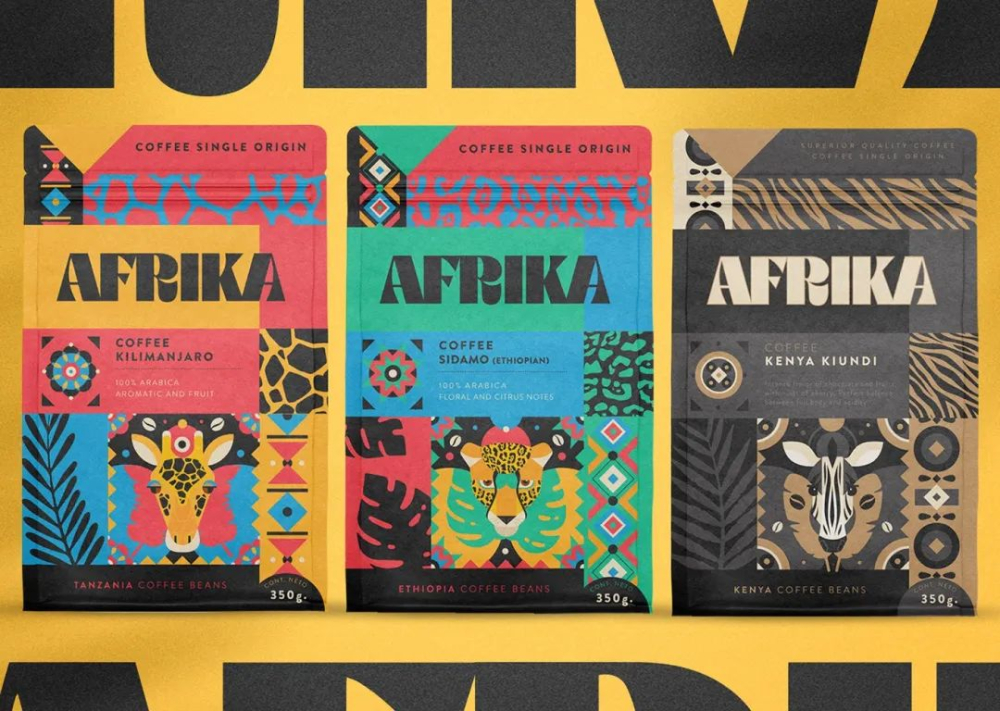
Today's consumers, however, know far more about specialty coffee. Driven partly by environmental concern, they place greater weight on packaging material, bean freshness, handcrafted production (meaning small-batch rather than mechanized mass production), and origin flavor. As a result, more brands are returning to kraft paper packaging to create a more rustic, handmade feel.
Speed and convenience are also key factors in product selection, so packaging designs tend to avoid overly complex color combinations and intricate patterns. Most use distinctive but not oversaturated colors to tell coffee varieties apart, letting typography highlight the important bean information.
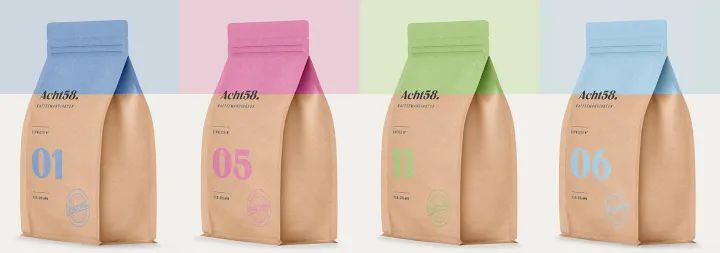
A 2021 poll found that most consumers today pass over bean packaging that is too colorful or too complicated to read quickly. The reasoning: products that lean too hard on color and pattern design are often merely average in quality, and unclear information forces shoppers to spend extra time and effort working out what they are buying.
Why Clear Information Matters
The Specialty Coffee Association (SCA) has said that packaging is a useful tool for presenting information to customers, and that packaging information is one of the three most effective ways to guide consumers toward understanding specialty coffee. More people now understand how origin, processing method, and other factors shape a bean's flavor, and more are learning about the environment and character of each producing region. Future packaging trends may therefore draw in more elements tied to the distinctive patterns, lines, and colors of different regional cultures.
Many coffee brand designs today are becoming simpler and more alike. Part of the reason is that more consumers prioritize clear, easily understood product information; another part is that overly complex packaging costs more, and that cost shows up in the coffee's price.
As bean quality from every origin keeps improving, many brands now source from similar places, and the difference lies in how each brand's roaster interprets those beans. Consumers will pay more for a bag out of trust in the brand or affection for a particular coffee. If it is just an ordinary bean made expensive by packaging design, most consumers will refuse to pay.
Building a Brand That Lasts
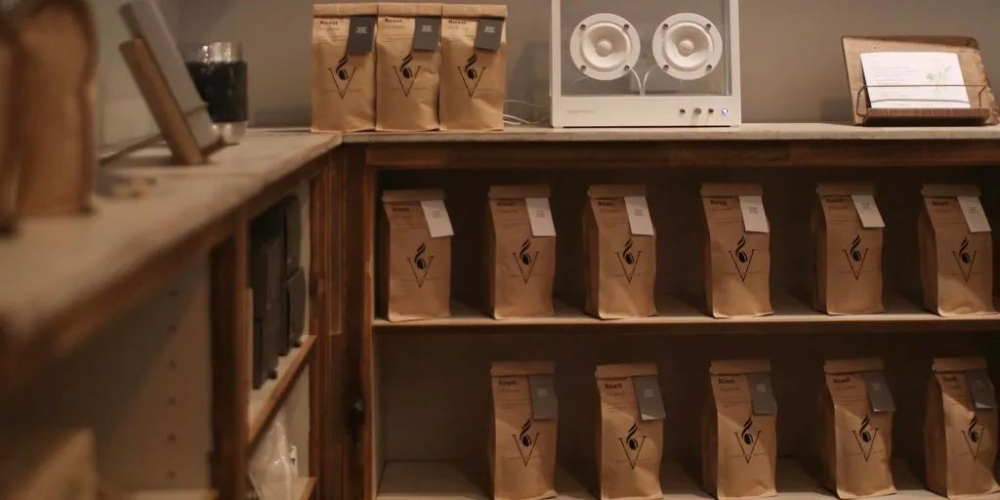
In today's fiercely competitive specialty coffee industry, where packaging styles blur together, is there still room to enter and win consumer approval? The answer is a definite yes, but there are no shortcuts. The focus has to be on a brand's sustainable development and its authenticity.
As an agricultural product closely tied to nature, coffee appeals to consumers who prefer to buy in line with ethical and environmental standards. An anonymous marketing expert from a specialty coffee brand stressed how sustainability has become one of the greatest necessities in specialty coffee marketing. Rather than pouring thought and expense into packaging, a brand is better off telling more farmers' stories when it sells coffee, linking the drinker to the grower and giving the consumer a sense of participation.
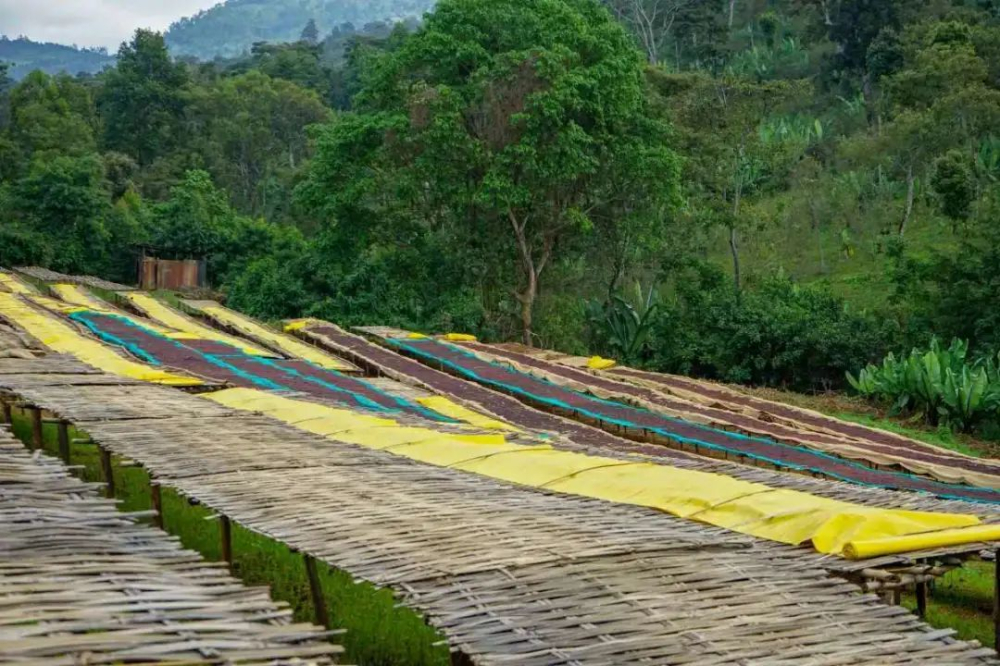
The feeling is similar to how people once drank coffee simply for the caffeine jolt or because they liked the taste. Today, when people drink coffee, they hope the money they spend will help producing regions keep improving their environment, their growing techniques, and their processing facilities, so that better beans and better-tasting coffee follow.
A Japanese survey showed that consumers aged 18 to 30 are more willing to pay extra for sustainable and environmentally friendly products. This means that if a brand cannot offer more information about a bean's sustainability, no amount of attractive packaging will raise its repeat purchase rate.
The Importance of Brand Authenticity
Beyond packaging and storytelling, authenticity is crucial. Brand authenticity generally falls into four categories: continuity, credibility, integrity, and symbolism. In practice, this means consumers want to see brands consistently and honestly demonstrate their commitments to social, environmental, and ethical practices. People cannot clearly judge bean quality from packaging appearance and information alone, but they can sense how one business differs from the rest of its field.
Packaging design, then, is merely a way to attract attention quickly and potentially win new customers. That is only the beginning. A sustained repeat purchase rate is what lets a brand develop in the long run. Only authentic, affecting stories and consistently stable bean quality will truly win consumers over.
Image source: Internet
FrontStreet Coffee Recommendation
If you are shopping for beans that pair with a clean, information-first approach to coffee, medium roasts are the easiest place to begin. FrontStreet Brazil Queen's Estate is grown in Brazil, the world's largest coffee-producing country, and is a rare Yellow Bourbon. Its medium roast brings out cream, peanut, chocolate, toasted bread, and sugarcane sweetness, and it performs well in a pour-over, a moka pot, or an espresso machine.
For something sweeter and more fruit-driven, FrontStreet Strawberry Candy Geisha Blend combines a honey-processed Costa Rican coffee with a washed Panamanian Geisha and is roasted medium to keep the orange-blossom honey and round sweetness intact. FrontStreet 2013 Sun-Dried Typica, a Yunnan small-lot coffee roasted medium, offers a softer, more balanced profile with notes of nuts, brown sugar, black tea, and dried apricot, and it works in a pour-over, a cold brew, or a drip machine at a very approachable price.
Important Notice :
FrontStreet Coffee is a long-established specialty coffee roaster in Guangzhou China, selling freshly roasted beans from its own farm in Yunnan as well as dozens of carefully selected single-origin beans from around the world for both pour-over and espresso. The products deliver consistently excellent quality and great value, with shipping within 24 hours. Guangzhou's FrontStreet Coffee shop is recommended by many coffee lovers, and the beans are now available online at the Tmall 。
FrontStreet Coffee has moved to a new address:
FrontStreet Coffee Address: 315,Donghua East Road,GuangZhou
Tel:020 38364473
 Scan and follow the En Gafei WeChat official account. Please indicate that the reprint comes from "En Gafei".

