
Is Starbucks Losing Its Golden Touch?
Starbucks at a Crossroads: From the 2008 Crisis to the Pandemic
After more than a decade of rapid growth, Starbucks finds itself in trouble again. Since Howard Schultz returned this April, his string of moves — layoffs, store closures, selling off regional business operations — has left many observers wondering whether the brand is slipping off its pedestal.
These decisions may look "crazy" to outsiders, but it isn't Howard's first time playing this hand. A Cantonese saying fits: it doesn't matter if the method is old, as long as it works. More than a decade ago, during the financial tsunami, he used exactly the same playbook to save Starbucks.
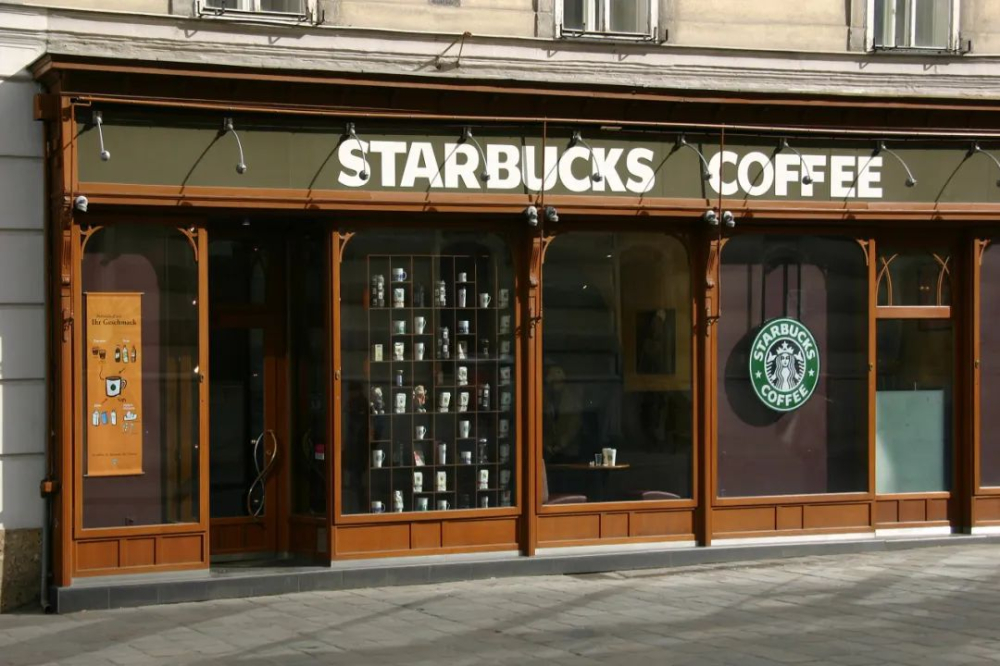
The 2008 Financial Crisis: A Dark Moment
When the 2008 financial crisis struck, the global economy took a heavy hit, and Starbucks was no exception. In the years before, Starbucks had been expanding aggressively worldwide — even venturing into music and entertainment — which meant the core business had grown diluted.
At the time, Starbucks built its brand positioning around consumer lifestyle research — exploring behaviors that demographics alone can't explain, in order to understand purchase motivations and value demands. By studying how target customers actually lived, it hoped to shape product positioning and marketing more accurately.
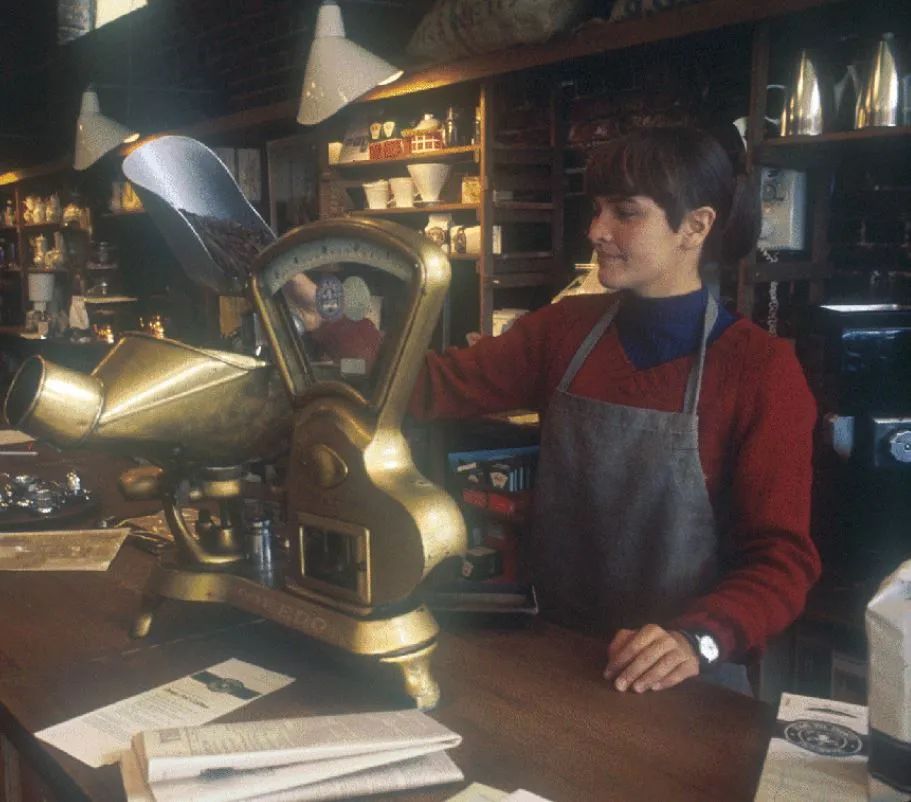
But because the company had spread into so many different lines of business chasing different consumer segments, the post-crisis problems ran deep. The brand no longer resonated with customers. During the downturn, Starbucks closed hundreds of stores, and its stock price was cut in half within 18 months.
Howard's Transformation
Amid the recession, Howard decided to reshape the corporate culture, redesign the brand's value proposition, and return to the roots: an all-in focus on customers and community.
For all its success as the world's largest coffee chain, most Starbucks partners had lost sight of what customers actually needed — and so couldn't deliver a better in-store experience.
To fix this, Starbucks launched "My Starbucks Idea," inviting customers to send feedback and suggestions straight to headquarters. The 100 most frequent suggestions were ultimately adopted into the core business model.
Customization and the environmental space became the biggest priorities the following year. Starbucks also set long-term societal goals, such as ethical sourcing.
Partners First
During the transformation, Starbucks treated every employee as a partner. Howard said it publicly: "Partners are always Starbucks' most important asset." Because the company genuinely cared about customers and partners alike, the crisis period ended with partners jointly delivering a renewed "third space" experience.
Starbucks also rebuilt its coffee procurement, establishing transparent supply chains and support programs through direct sourcing — improving how farmers cultivated and produced coffee, and creating a virtuous, mutually beneficial cycle.
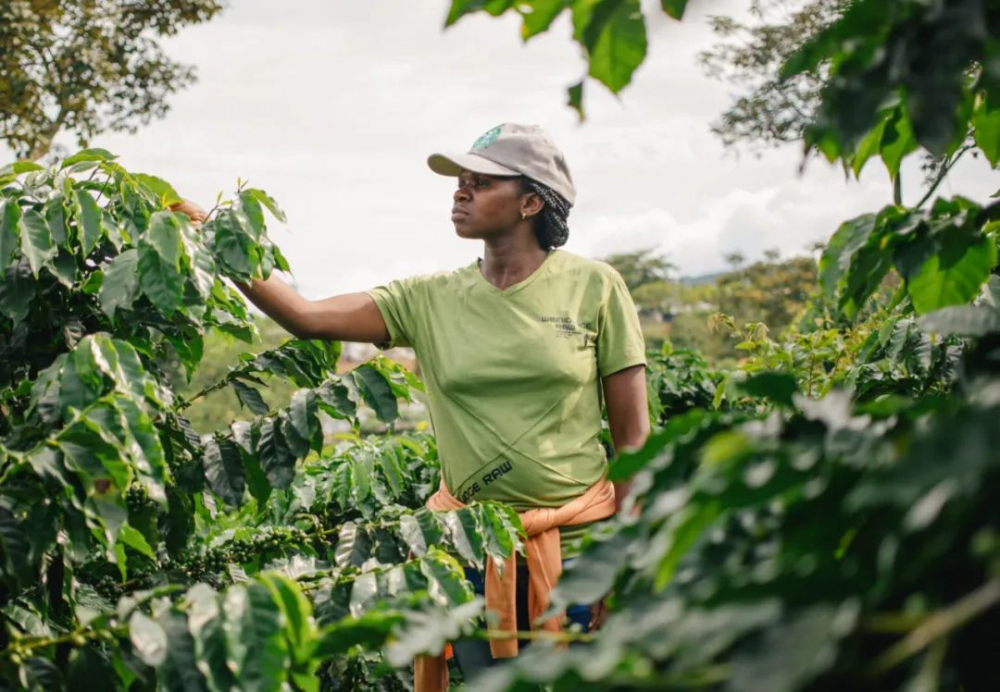
That transformation powered a decade of steady, rapid growth. Operating in a virtuous cycle — supply chain to production to consumption — Starbucks weathered its darkest hour. People said "consumers" saved Starbucks, but in truth it was the partners. Without a solid foundation there is no good service, and without a good experience, no new customers come.
The Pandemic: A New Crisis
Now, with the pandemic, Howard has applied the same approach to reshaping corporate culture — this time focusing on store partners. The pandemic affected many partners physically and mentally; combined with economic strain, complaints about pay and work intensity grew, unionization actions followed, and the in-store customer experience suffered.
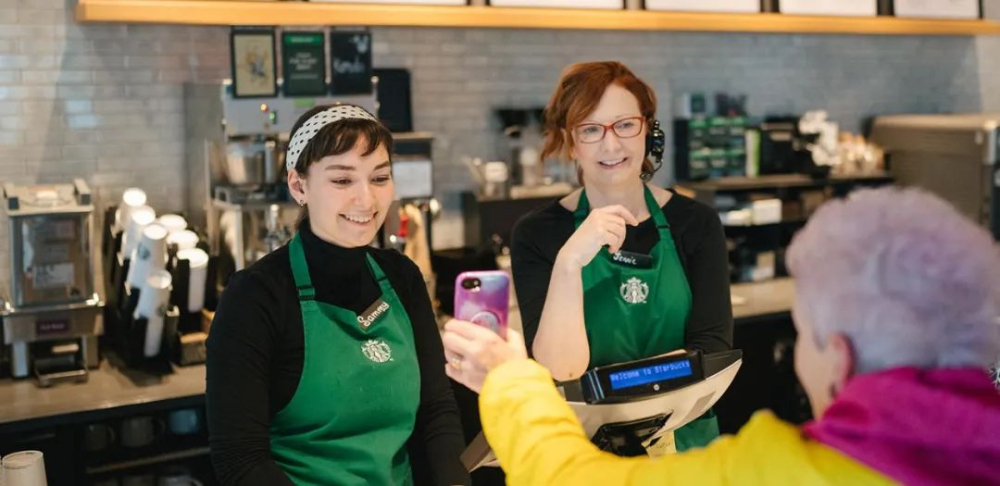
In his latest open letter on the company website, Howard wrote that through meetings, surveys, open forums, and management channels, Starbucks had listened to partners' thoughts, operations, and stories, and had reformulated its "relationship with partners" plan: offering development opportunities, better benefits, a safe and enthusiastic workplace, and a shared stake in rights, responsibilities, and success.
The plan's goal is to strengthen partners' sense of belonging while keeping stores safe, and together create a dining environment that connects with customers — welcoming and secure.
Where Things Stand
Starbucks' current troubles stem from years of rapid expansion that neglected partners' feelings and experiences, letting problems accumulate unresolved.
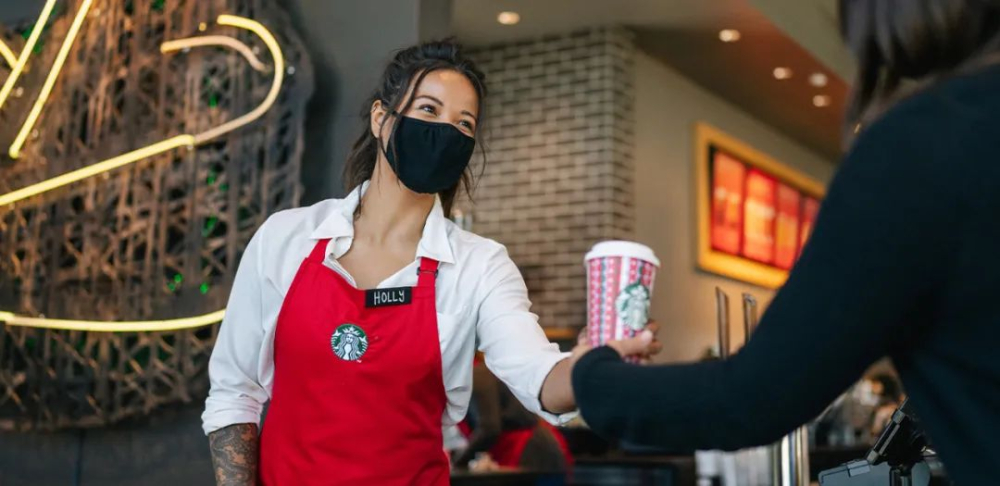
So Howard's first move after returning was to cut out the "rotten roots," then re-solidify the foundation by committing to partners' wellbeing and workplace safety — and better pay. From there, the company can work alongside partners again to deliver service and experiences suited to today's world.
Every Starbucks transformation comes with a transition period. Nothing succeeds in one step, and every adjustment carries both gains and losses.
Image source: Starbucks official website
FrontStreet Coffee Recommendation
If Starbucks' story reminds you to rediscover the simple pleasure of a great cup, FrontStreet's entry-level beans are a fine place to start: the FrontStreet Ethiopia Guodingding (washed Yirgacheffe) for jasmine florals, citrus, and berry brightness, and the naturally processed FrontStreet Sidamo Huakui for berries, jackfruit, melon, and honey — approachable specialty coffees at friendly prices.
For a smooth, everyday espresso instead, the FrontStreet Brazil Cerrado Red Bourbon delivers cream, peanut, and cocoa notes that never overwhelm — proof that a small roaster's focus on the bean itself is its own kind of "third space."
Important Notice :
FrontStreet Coffee is a long-established specialty coffee roaster in Guangzhou China, selling freshly roasted beans from its own farm in Yunnan as well as dozens of carefully selected single-origin beans from around the world for both pour-over and espresso. The products deliver consistently excellent quality and great value, with shipping within 24 hours. Guangzhou's FrontStreet Coffee shop is recommended by many coffee lovers, and the beans are now available online at the Tmall 。
FrontStreet Coffee has moved to a new address:
FrontStreet Coffee Address: 315,Donghua East Road,GuangZhou
Tel:020 38364473
 Scan and follow the En Gafei WeChat official account. Please indicate that the reprint comes from "En Gafei".

