
Milk Review | Why is Jersey Milk So Expensive! Is it Good for Making Lattes?!
In today's specialty coffee scene, what sets a coffee shop apart goes beyond bean quality and barista skill; the milk used can make a difference too. From frozen blog milk to Jersey milk, at some point coffee shops quietly began competing over their milk selection.
As one of the essential ingredients in a coffee shop, milk has evolved from a supporting player that merely softens coffee's bitterness into a star ingredient that elevates the whole experience, pushed along by coffee culture.
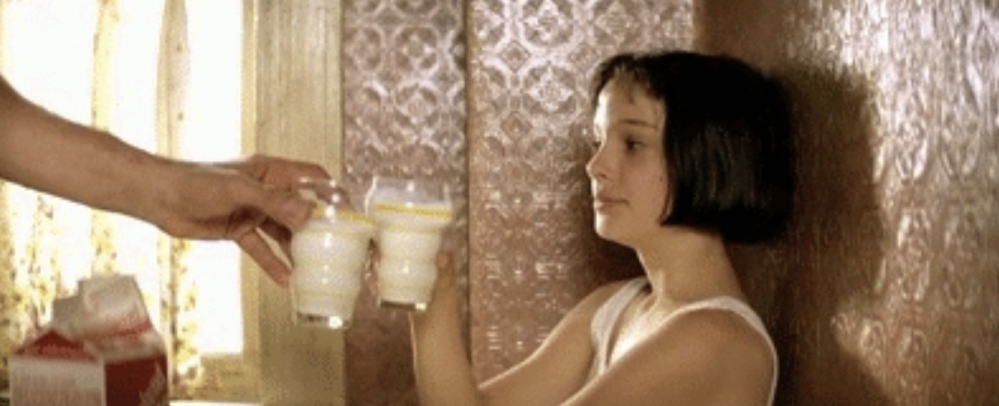
Although more people now pursue the purity of coffee and its flavour layers, milk-based coffee drinks remain widely popular. To help milk coffee drinkers enjoy the unique flavours of the beans even with milk added, the combination of chilled milk and espresso, or Dirty, has become a signature drink at many specialty coffee shops.
What is Dirty Coffee?
Simply put, Dirty is a drink made with cold milk and espresso. When properly extracted in a pressurized espresso machine, carbon dioxide from the grounds forms a saturated state with the insoluble oils and flows out with the liquid, creating the golden crema that sits on the surface.
Fill a glass with thoroughly chilled milk and drip the espresso closely into it, and the different densities of the two liquids produce a layering effect. One sip brings a clear contrast of hot and cold in the mouth, and the flavours build in gradient layers where coffee meets the sweetness of milk.
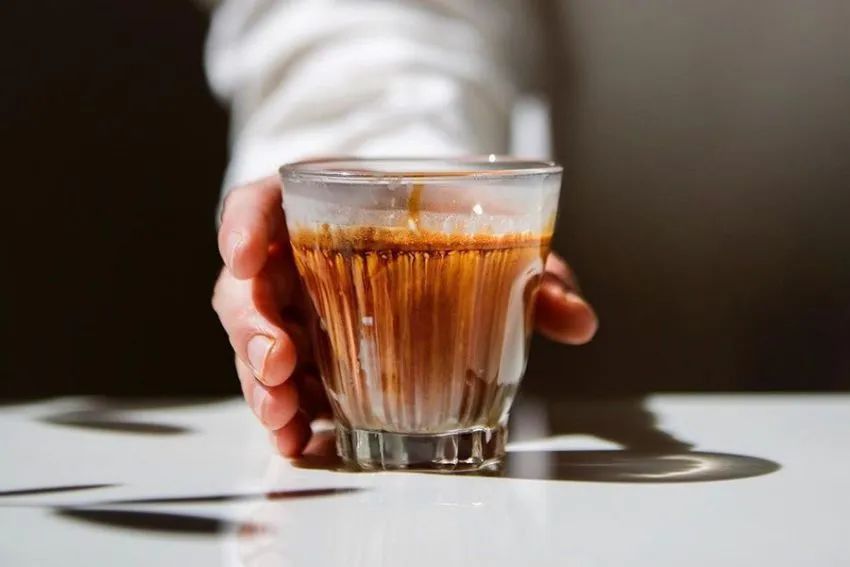
This approach lets you taste the unique flavours of the beans and also experience another distinctive coffee flavour created when coffee's character combines with milk fat and lactose, plus the natural sweetness of the milk itself. Those gradual layers and shifting mouthfeel have made Dirty the flagship of milk coffees.
Because of Dirty, people began seeking milk with more richness, lactose and fat to create more distinct gradients. The industry has moved past ordinary fresh milk and onto ultra-purified frozen milk, and some trend-setting coffee shops have already started using Jersey milk.
Why Has Jersey Milk Suddenly Become Popular in Coffee Shops?
Long treated as the "Hermes of milk," why has this latest star of the dairy world suddenly gained traction in coffee shops?
Thinking about it, the writer suddenly got the urge, opened a food delivery platform and ordered two brands of Jersey milk available in Guangzhou. (A pang in the heart after placing the order.)
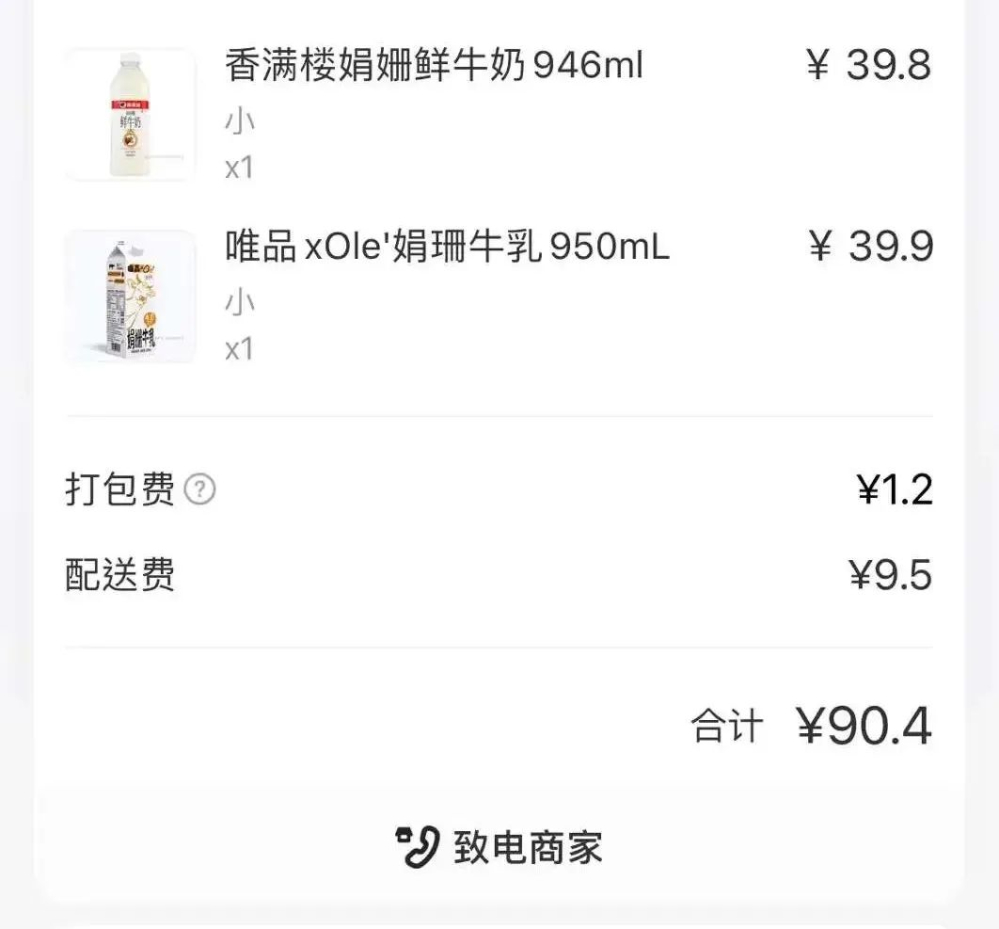
The reason it can compete comes largely down to price, and that was a real investment. Just as the value of luxury goods comes from their origin story, the high price of Jersey milk is largely about the story behind it.
As the name suggests, Jersey milk comes from Jersey cows, whose homeland is the British island of Jersey, familiar yet unfamiliar to many.
Jersey Island is not entirely unfamiliar, partly because many WeChat friends list it as their location, thanks to the horror film "The Others," and partly because the island is home to the "closed-bred" aristocracy of cattle, the Jersey cow. It is no exaggeration to say that without Jersey cows, Jersey Island would not be widely known.
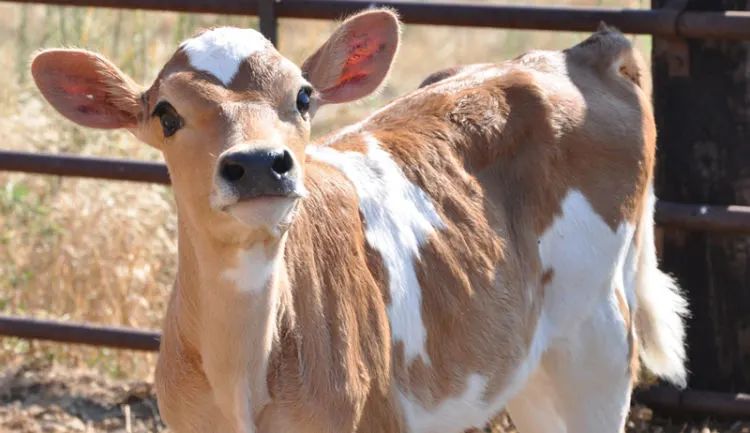
- Jersey cow
The origins of the Jersey breed are varied and debated, with no exact records, but the breeding history of this dairy breed is clear. In 1763 Britain passed a law prohibiting other cattle breeds from entering Jersey Island, in order to cultivate pure Jersey cows. In 1844 the British Jersey Cattle Society was established, marking the successful breeding of the breed. More than 200 years on, the Jersey bloodline remains unchanged by other breeds.
Compared with the Holstein cows that supply our daily milk, famous for rapid reproduction and high yield, Jersey cows are the opposite. Their fame comes from slow reproduction and small but high-quality milk production, which yields superior milk quality and nutritional value. Because scarcity creates value, Jersey milk has always been several times more valuable than regular milk, in the past and today alike.

- Holstein cow
Nutritional Comparison
When we think a milk tastes good, it comes down to its fat and protein content. The writer compared "Bright Fresh Pasture Fresh Milk" with "V-Pure Jersey Milk" and Guangzhou's local brand "Xiang Man Lou Jersey Milk." Regular fresh milk contains 3.9g of fat and 3.4g of protein per 100ml, while Jersey milk contains 4.9g of fat and 4.0g of protein per 100ml. Frozen blog milk contains 5.5g of fat and 6.2g of protein per 100ml.

Without purification, Jersey milk can reach such high fat and protein levels, which makes its taste, richness and aroma unquestionable among fresh milks.
Are you now thinking that frozen blog milk is not so great? When it comes to drinking milk, freshness is everything. Compared with frozen blog milk, which requires freezing and purification, Jersey milk looks far fresher.

Jersey milk also has a special characteristic: its lactose content is lower than regular milk. Regular fresh milk contains 5.2g of lactose per 100ml, while Jersey milk contains 4.8g per 100ml, and the familiar frozen blog milk contains 8.3g per 100ml. For anyone who loves rich aroma and thickness but worries about high lactose, Jersey milk can satisfy them.

Of course, the reason coffee shops now choose Jersey milk for Dirty is largely that its fat content is strong enough to support the espresso and create good gradient layers, while its lactose content is not too high, so the milk's sweetness does not overpower the overall coffee flavour.
Coffee Testing
So the writer used sun-dried Yirgacheffe Red Cherry and Honduras Sherry in a 3:7 blend as the espresso beans to make three Dirty coffees with different milk brands. The characteristic flavours of these beans include vanilla cream, soft berry acidity and a nutty aftertaste.
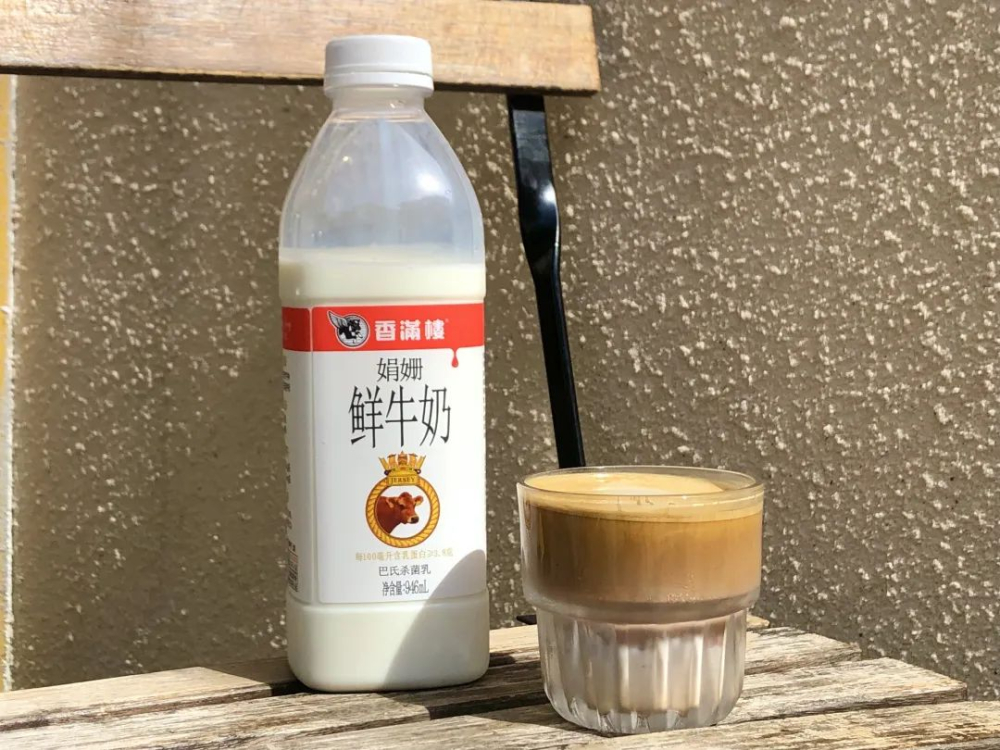
The Xiang Man Lou contender showcased the nutty vanilla cream aroma of the blend, but the berry acidity was masked. Through the layering you could feel the overall richness of the coffee and the natural richness of the milk, yet the flavour layers were not distinct.
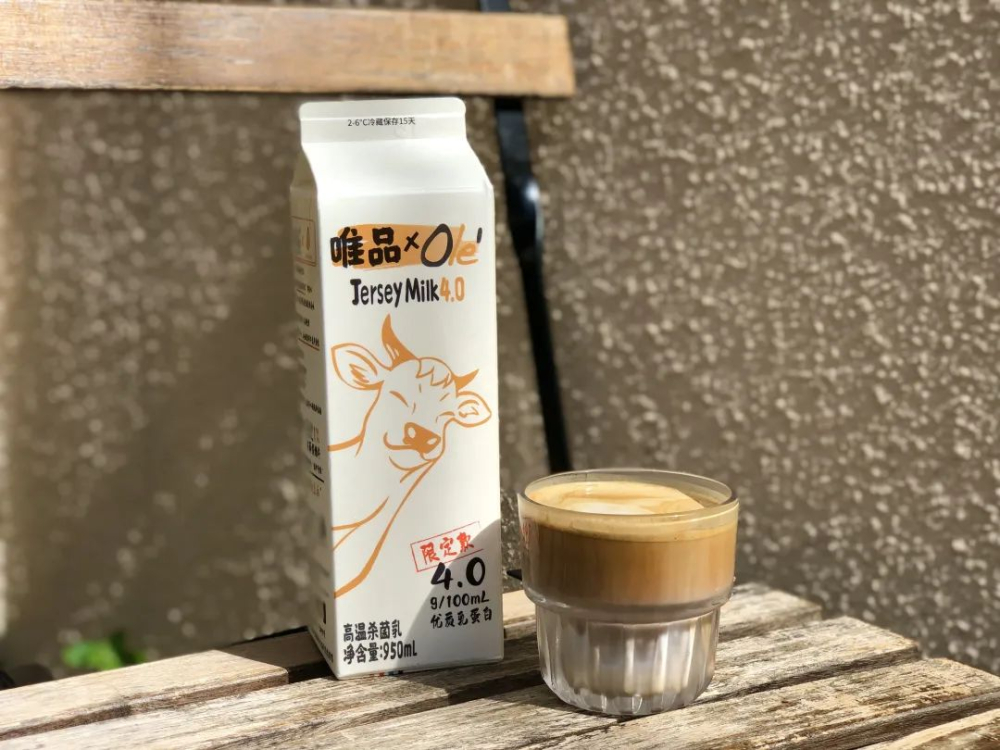
The V-Pure contender displayed berry acidity and vanilla cream flavours, but perhaps because its lactose content is higher than Xiang Man Lou's, the layering showed the coffee's layers and the milk's sweetness with distinct flavours, though it lacked substantial mouthfeel.
The regular fresh milk contender, with its lower fat content, had weaker support capacity, so the coffee came across somewhat thin with weak flavour layers.
(Why was the Dirty layering not especially obvious? Because the blend used this time was not roasted particularly dark, and during extraction, in order to preserve the beans' vanilla cream flavour and berry acidity, the overall coffee concentration was not especially high, so the layering was less dramatic than we usually see in Dirty.)
To be fair, the writer also made three hot lattes with the different milk brands, stirring them thoroughly so the milk and coffee fully integrated before tasting.
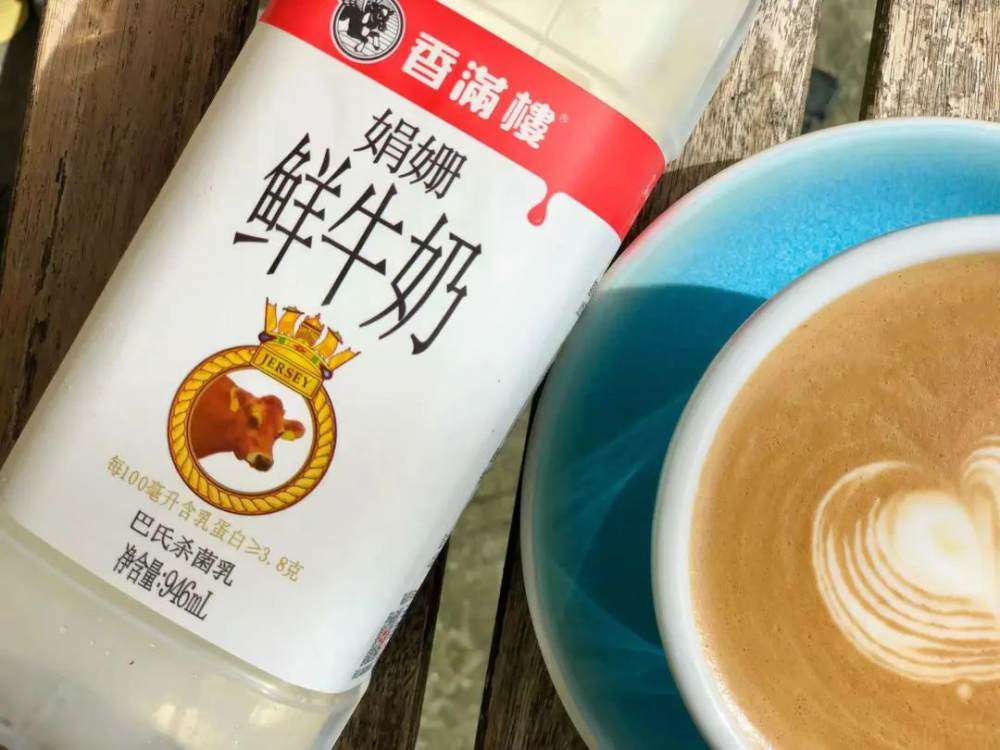
When heated, the Xiang Man Lou contender showed a more noticeable milky aroma. After fully integrating with the coffee, the milk flavour was too prominent and masked most of the coffee's own taste.
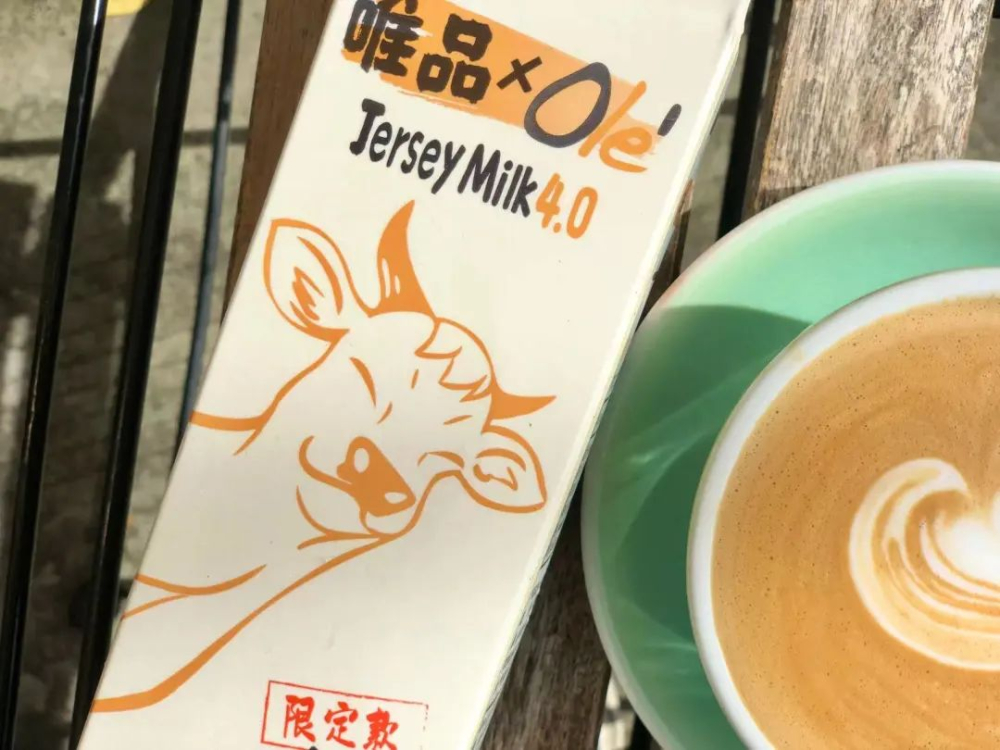
When heated, the V-Pure contender's milk sweetness became more apparent. After integration you could taste a sweet coffee without adding sugar, but the milky aroma was still quite noticeable, requiring careful tasting to detect the coffee's own flavours.
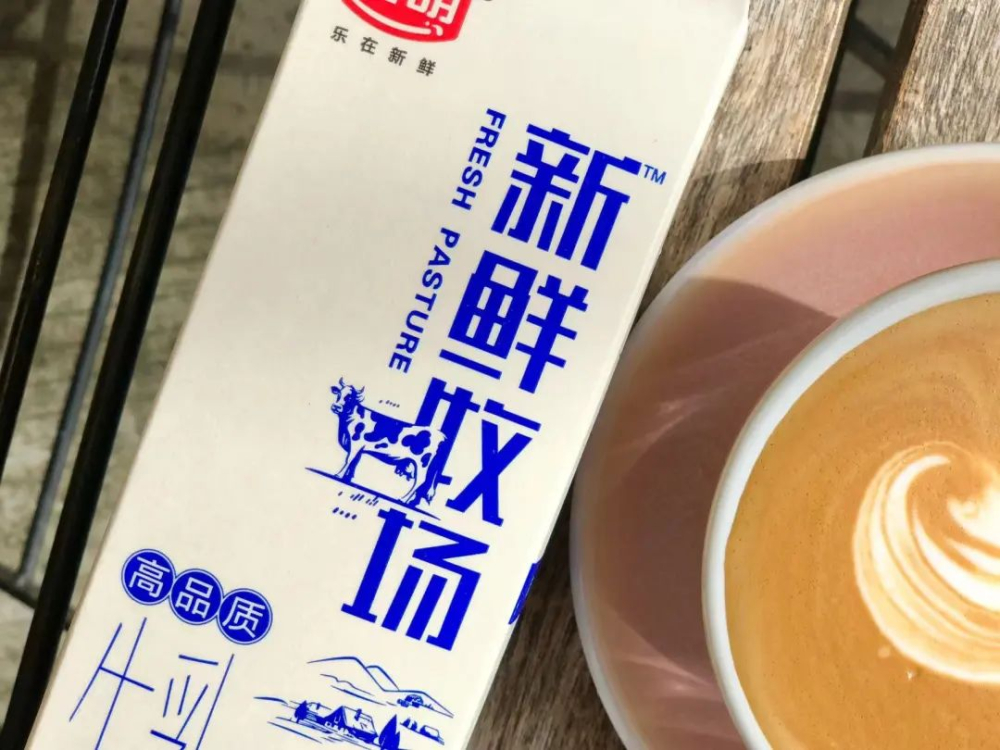
Although the regular fresh milk contender was unremarkable when heated, after fully integrating with the coffee it did not steal the spotlight from the coffee's own flavours, letting you enjoy the nutty vanilla cream aroma and subtle berry tartness.
Direct Milk Tasting
Drunk on its own, Jersey milk has excellent texture and richness. Xiang Man Lou's Jersey milk has a fuller overall texture with a more noticeable milky aroma, while V-Pure's is smoother with a more noticeable milky sweetness, perhaps the difference between northern and southern cows. Regular fresh milk is more balanced overall, without a particularly outstanding texture or flavour.

Jersey milk tastes great, but it is not universally versatile. Perhaps paired with a specific type of coffee it can highlight its own character and create another distinctive flavour once fused.
Is it special? Yes, especially expensive. If you are just buying it for daily drinking, an occasional luxury might be a good choice, but I really would not recommend using it for milk coffees across the board, because you may end up disappointed if you cannot find a coffee that complements it perfectly.


"Will you keep testing other Jersey milks?"
"No, it is just too expensive."
Some images sourced from: Internet
FrontStreet Coffee Recommendation
Jersey milk is a treat, but it only shines when the coffee underneath can hold its ground, and the same logic applies to any milk drink. For espresso and moka pot brewing, FrontStreet Specialty Blend and FrontStreet Dark Cocoa Blend are the best partners for milk: Brazil leads both, so a latte shows complex nutty layers of almond, macadamia and walnut with a silky, lingering texture. FrontStreet Specialty Blend joins washed Colombian with semi-washed Brazilian beans for nuts, dark chocolate and caramel and a comfortable bittersweet balance.
If you want the crema that makes a Dirty or a latte look the part, FrontStreet Classic Blend and FrontStreet Commercial Blend each carry a small amount of Robusta, adding more golden foam and instantly lifting the body and caramel aroma. If you brew pour-over and still want to add milk, choose a medium-dark single origin so the coffee is not buried: FrontStreet PWN Golden Mandheling, FrontStreet Paradise Bird and FrontStreet Queen's Estate are the usual picks, with notes of chocolate, nuts, cream and cocoa. For a cold brew with a splash of milk, go for a fruit-forward or wine-toned medium roast such as FrontStreet Colombia Sidra, FrontStreet Strawberry Candy Geisha Blend or FrontStreet Mozart.
Important Notice :
FrontStreet Coffee is a long-established specialty coffee roaster in Guangzhou China, selling freshly roasted beans from its own farm in Yunnan as well as dozens of carefully selected single-origin beans from around the world for both pour-over and espresso. The products deliver consistently excellent quality and great value, with shipping within 24 hours. Guangzhou's FrontStreet Coffee shop is recommended by many coffee lovers, and the beans are now available online at the Tmall 。
FrontStreet Coffee has moved to a new address:
FrontStreet Coffee Address: 315,Donghua East Road,GuangZhou
Tel:020 38364473
 Scan and follow the En Gafei WeChat official account. Please indicate that the reprint comes from "En Gafei".

