Pour-Over Coffee: Water Ratio, Grind Size, Time, and Temperature Recommendations - A Guide to Proper Single-Origin Coffee Brewing
Introduction
Many visitors come to FrontStreet Coffee drawn by its reputation. Beyond admiring the sheer variety of beans on the shelf, they watch the baristas brew — and want to talk technique. So here, FrontStreet Coffee shares what actually improves your pour-over skills.
Is Coffee Brewing a Physical Skill or a Mental One?
First, a question: do you think brewing coffee is a physical skill or a mental exercise?
If you answered "physical," then deliberate practice is essential. FrontStreet Coffee won't deny that water control, circular pouring, and steady injection matter — and yes, they're awkward at first — but they're only the most basic layer of pour-over brewing.
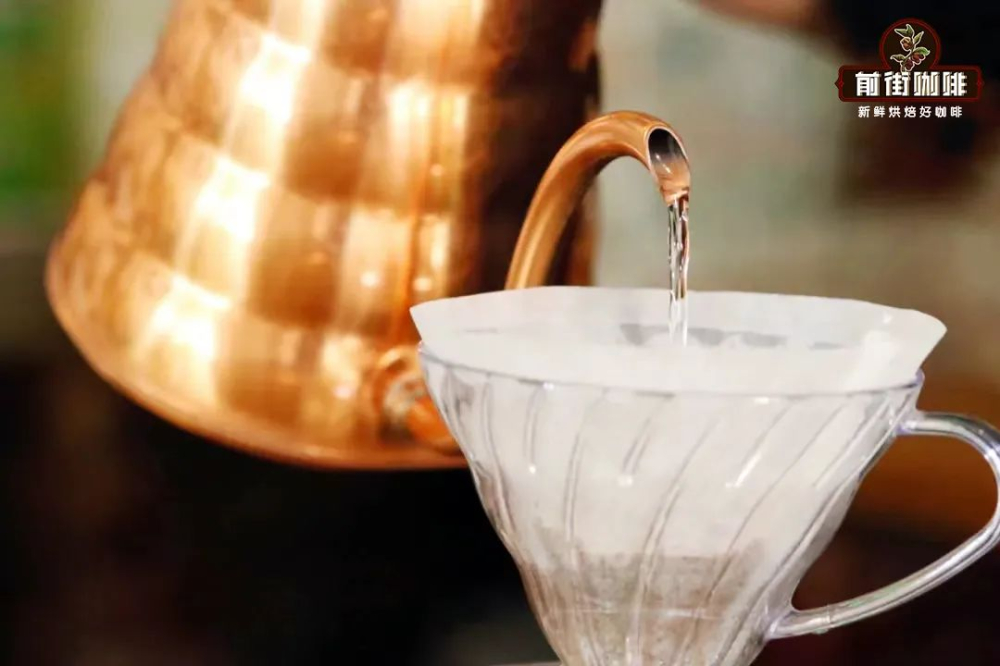
If your hand trembles, your water flow drifts off-vertical, or your circles wobble, the cause is simply insufficient practice. Mastering water control takes two things: learning correct posture and movement, then drilling until it becomes muscle memory. Knowledge you don't apply stays theoretical. Thirty minutes of daily practice will have you pouring confidently in about 15 days.
But pouring skill only proves you can operate the process. Understanding brewing parameters is what separates people who can make coffee from people who understand pour-over coffee.
Understanding Coffee Brewing Parameters
Grind size, coffee-to-water ratio, water temperature, and time are the indispensable four. You need to understand how they relate and how each adjustment steers flavor — then apply that flexibly.
Grind size and water temperature both steer extraction. Finer grind or hotter water raises the extraction rate, pushing the cup toward bitterness; coarser grind or cooler water lowers it, pushing toward acidity. But grind size has a second-order effect: it also changes the time parameter.
Fine grounds extract slowly and need longer contact; coarse grounds extract fast. So every adjustment should be made with full awareness of its knock-on effects.
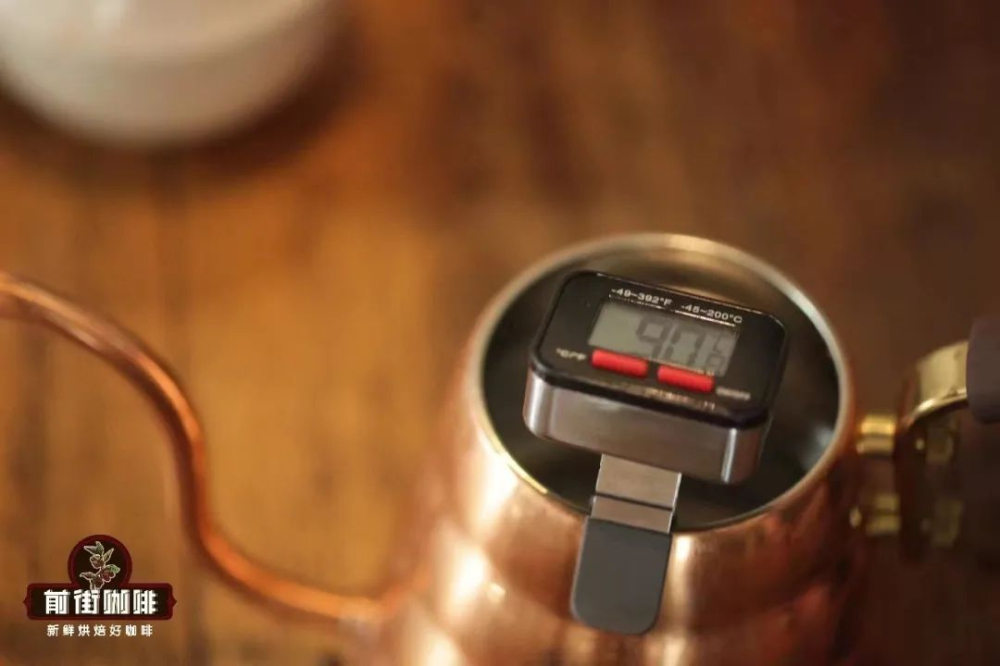
Parameters also have sensible ranges. Grind size typically sits between 70–80% passing a #20 sieve; water temperature between 86–93°C; coffee-to-water ratio between 1:13 and 1:18; and brew time (for 15g of coffee) between 1:40 and 2:20. These aren't hard walls — they're the ranges FrontStreet Coffee has distilled from extensive brewing practice, and they make a solid reference point when you're tuning.
Understanding Coffee Bean Characteristics
FrontStreet Coffee stocks over 50 different beans. If each demanded unique parameters, memorizing 50+ recipes would be impossible. The solution: understand bean characteristics and categorize.
Group by origin first. Coffees from the same region share flavor DNA — Ethiopia, whether Yirgacheffe or Sidamo, tends toward citrus and berries; Guatemala, whether Antigua or Huehuetenango, shows smoky depth with vivid citrus acidity. Coffees with similar regional profiles can share parameters.
Then group by roast level. Light-to-medium roasts lead with acidity, so brew them finer (75–80% passing a #20 sieve) and hotter (90–93°C). Medium-to-dark roasts lead with bitterness, so go coarser (70–75% passing) and cooler (86–89°C).
When a new bean stumps you, classify it first — the parameters will follow.
Record Every Brewing Parameter
Setbacks are part of the process, so record every brew: note the parameters, judge whether they were reasonable, and use tasting to find what to change.
FrontStreet Coffee's example: brewing a red honey-processed Yirgacheffe, we started with "15g of coffee, an 80% sieve-passing grind, 1:15 ratio, 91°C water, three pours — 30ml bloom for 30 seconds, then 100ml, then 95ml — total brew time 2 minutes 30 seconds."
Tasting revealed ginger flower, berries, and cream, but with bitter nut and cocoa notes in the back half. The likely culprit: the fine grind causing over-extraction. Second brew, we coarsened to a 75% pass rate and changed nothing else. Brew time dropped to 1 minute 55 seconds, and the cup showed ginger flower, citrus, berries, and oolong tea.
Golden rule when tuning: change one parameter at a time. Only then can you attribute each flavor change to a specific cause — which is what makes your records useful.
Conclusion
Coffee brewing is a discipline of accumulated knowledge and comprehension. The right dose, the right grind, the right temperature and ratio, finished in the right time — that's what makes a delicious cup. What you have to learn is simply how to use the correct parameters.
FrontStreet Coffee Recommendation
The right beans make those parameters sing. For V60 pour-over, FrontStreet Coffee's washed Yirgacheffe Worka Cooperative is the gold standard for beginners: jasmine florals, bright lemon-citrus acidity, and a gentle berry finish at a friendly price. Brew it with 15g of coffee, a 1:15 ratio, 90–91°C water, and a 30-second bloom with 30g of water to start.
If you want tropical punch instead, the natural FrontStreet Hua Kui (Guji Hambela) pours up strawberry, passion fruit, jackfruit, and honeyed sweetness with almost no bitterness. Prefer a low-acid, full-bodied cup? The wet-hulled FrontStreet PWN Golden Mandheling — best at a medium-dark roast with a coarser grind and cooler water — delivers herbal, dark-chocolate richness with silky smoothness.
Important Notice :
FrontStreet Coffee is a long-established specialty coffee roaster in Guangzhou China, selling freshly roasted beans from its own farm in Yunnan as well as dozens of carefully selected single-origin beans from around the world for both pour-over and espresso. The products deliver consistently excellent quality and great value, with shipping within 24 hours. Guangzhou's FrontStreet Coffee shop is recommended by many coffee lovers, and the beans are now available online at the Tmall 。
FrontStreet Coffee has moved to a new address:
FrontStreet Coffee Address: 315,Donghua East Road,GuangZhou
Tel:020 38364473
 Scan and follow the En Gafei WeChat official account. Please indicate that the reprint comes from "En Gafei".