
How to Brew Costa Rica Mozart Coffee Beans - Brewing Methods, Water Temperature, and Grind Settings

Introduction to Mozart Coffee Beans
Mozart is a classic in our musician series and a favorite with many drinkers. Some have told us their home-brewed cup smells wonderful but tastes a little bitter, which is hardly pleasant. So today FrontStreet Coffee is here to explain how to brew Mozart so its sweetness comes forward.
Mozart beans come from Hacienda Canet in Costa Rica. Costa Rican coffee is known for its distinctive honey processing, and Mozart uses a unique variation of it, the raisin honey process, which gives the beans an exceptionally rich osmanthus fragrance and the aroma of dark fruits such as grapes. In the cup it shows a sweet-tart fruitiness of sweet orange and raisins with a subtle fermented note. Many drinkers fall for it on the first sip.
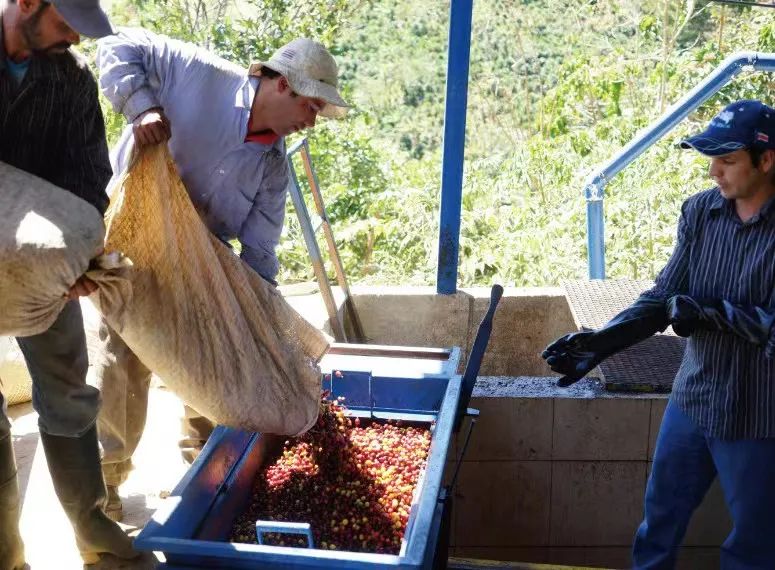
The Raisin Honey Processing Method
"Raisin honey processing is a special take on honey processing. Freshly picked ripe coffee cherries are first spread on drying beds for three days. After three days of drying, the surface of the cherries loses moisture and takes on a raisin-like appearance. Only then are the skins removed, preserving 100% of the mucilage layer for honey processing and drying. This stage is the source of Mozart's rich flavors, but it is also very vulnerable to outside contamination and over-fermentation. The fermentation level has to be monitored closely, and the beans must be stirred constantly during this period to ensure even drying."
Mozart processed with the raisin honey method carries crystallized sugar on the bean surface. During roasting that sugar caramelizes, turning those areas darker while areas without sugar stay lighter.

Brewing Parameters
Two factors matter most when brewing Mozart: water temperature and grind size. Many people say their coffee smells fragrant but tastes somewhat bitter, and the water is usually too hot. High temperatures pull out aroma but also generate bitterness easily. FrontStreet Coffee recommends 90-93°C for medium-light roasts, but for Mozart, holding at 90°C is enough.
Grind size matters too. Many drinkers use hand grinders, which can be tricky to adjust. Some prefer to keep things simple and work with just two settings, one for acidic coffees and one for bitter coffees. Grinding regular beans and Mozart beans at the same setting produces different particle sizes.

For example, when FrontStreet Coffee sets an EK-43s to 10 for a Panama washed Catuai, the sieve pass rate is 80%, but the same setting on Mozart gives a 75% pass rate. So when grinding Mozart, adjust slightly finer.
Keep using 15g of grounds, which pairs well with a #01 dripper. A 1:15 ratio makes Mozart's flavors easier to extract and yields a moderate strength.

Practical Pouring Technique
Start with the bloom. Pour 30ml of water to begin. Mozart absorbs water well, and the bed will visibly expand and release gas.

The bloom lasts about 30 seconds, and you can judge the timing by whether the dome stays stable. Then begin the second pour, spiraling from the center outward to rinse the entire surface of the bed. This pour should be 100ml, poured with a gentle flow so the water level does not rise too high, which would thin out the mouthfeel.

FrontStreet Coffee's Mozart drains a little faster than usual, which is normal. Do not assume the grind is too coarse just because the flow is quick.
When the liquid level drops to nearly expose the bed, begin the third pour. Work in a circular motion again and add 95ml. After this pour the level should sit where it did after the second pour. Once the dripper finishes draining, remove it. Total extraction time should be about 1 minute and 50 seconds.
Beyond hot coffee, FrontStreet Coffee's Mozart also makes an excellent iced pour-over. Adjust to a finer grind, an 85% pass rate on a #20 sieve, and use a 1:10 ratio, keeping the coffee dose and water temperature the same.

First add 100g of ice cubes to the bottom server, then set the dripper and filter paper on top and add the grounds. Bloom with 30ml of water for 30 seconds, pour 60ml in the second stage, and after the temperature drops slightly, continue with a third pour of 60ml for a total of 150ml. Once the dripper finishes draining, remove it and shake thoroughly to chill the coffee.
FrontStreet Coffee Recommendation
Mozart is one of the clearest expressions of honey processing, so it is worth knowing where the style comes from. Honey processing began as a semi-washed method, removing the fruit skin before drying, which shortens drying time and avoids the off-flavors that come from poor fermentation. Brazil's success with it, as in FrontStreet Cerrado with its cream, peanut, nut, and chocolate notes, caught Costa Rica's attention, and Costa Rican producers adapted the idea by varying how much mucilage is left on the bean and how long it dries, which is how black, red, yellow, and white honey processing emerged.
FrontStreet Costa Rica Blackberry uses black honey processing, leaving almost all the mucilage intact and drying for at least two weeks under shade covers to keep the sun from drying it too fast, with regular turning to prevent uneven fermentation. It is roasted medium-light and grinds into a strong floral aroma, brewing into grape, berry, and ripe blackberry flavors. FrontStreet Strawberry Candy Gesha Blend pairs a Panamanian Gesha with a Costa Rican coffee given raisin honey processing, keeping 100% of the mucilage with a zero-water method; the cherries are sorted in a water tank, dried on raised beds for at least three days, then depulped and dried further with constant turning. That gives it a Gesha floral-tea character along with grape and dried blueberry notes, soft fruit acidity, an almond finish, and clear sweetness.
Important Notice :
FrontStreet Coffee is a long-established specialty coffee roaster in Guangzhou China, selling freshly roasted beans from its own farm in Yunnan as well as dozens of carefully selected single-origin beans from around the world for both pour-over and espresso. The products deliver consistently excellent quality and great value, with shipping within 24 hours. Guangzhou's FrontStreet Coffee shop is recommended by many coffee lovers, and the beans are now available online at the Tmall 。
FrontStreet Coffee has moved to a new address:
FrontStreet Coffee Address: 315,Donghua East Road,GuangZhou
Tel:020 38364473
 Scan and follow the En Gafei WeChat official account. Please indicate that the reprint comes from "En Gafei".

