
Recommended Water Temperature Parameters for Pour-Over Coffee - What's the Ideal Water Temperature for Brewing Coffee?
Anyone who has brewed coffee knows that water temperature shapes the final flavor. Higher water makes a richer cup; lower water makes a milder one. That much is common knowledge.
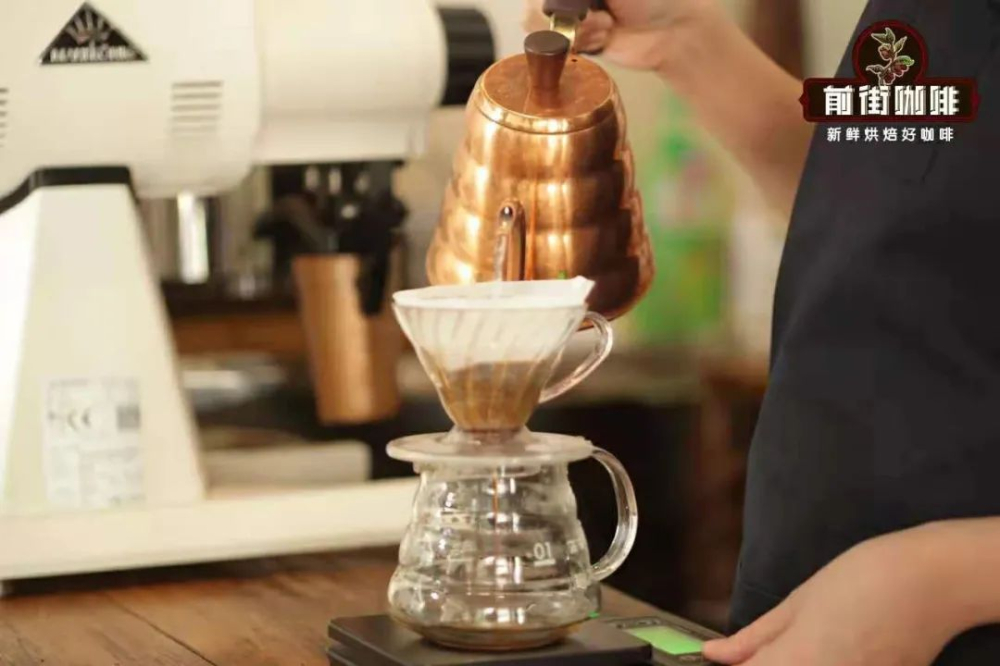
But does a shift of just two or three degrees really matter much in the finished cup? FrontStreet Coffee, for example, recommends 90-93°C for medium-light roasts. Does any temperature in that range actually suit them? No time like the present — let's run an experiment and find out.
For this demonstration, FrontStreet Coffee used Panama's "Flor de Mariposa" beans, which contain 70% Panama Gesha and therefore display the classic fruity Gesha character. The question: how big is the difference between cups brewed at different water temperatures? We took the two ends of the recommended range — 90°C and 93°C.
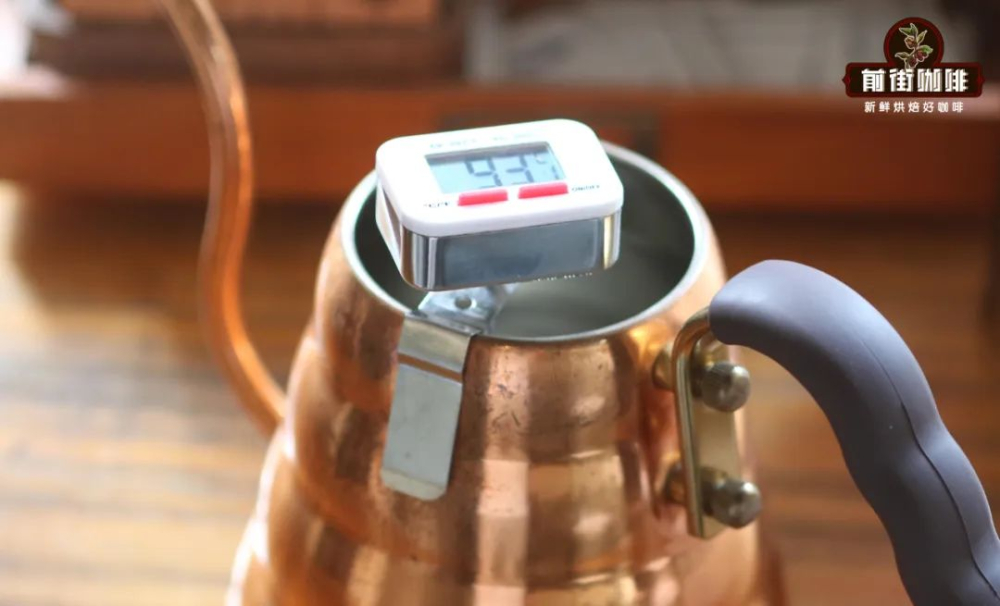
Brewing Parameters
Everything else followed FrontStreet Coffee's standard recipe:
Coffee dose: 15 grams
Ratio: 1:16
Water temperature: 90°C/93°C
Grind size: 80% passing through a #20 sieve
Dripper: V60
Technique: three-stage pouring
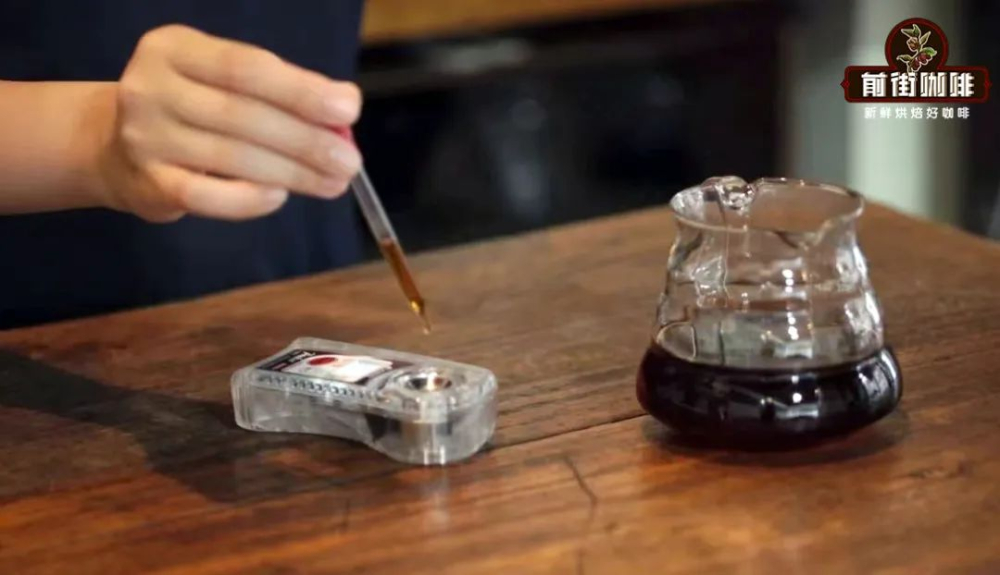
Measuring both cups, the 90°C brew came out at 1.32% concentration, the 93°C brew at 1.40%. On paper, those extra 3°C bought a 1.2% higher extraction.
Flavor Comparison
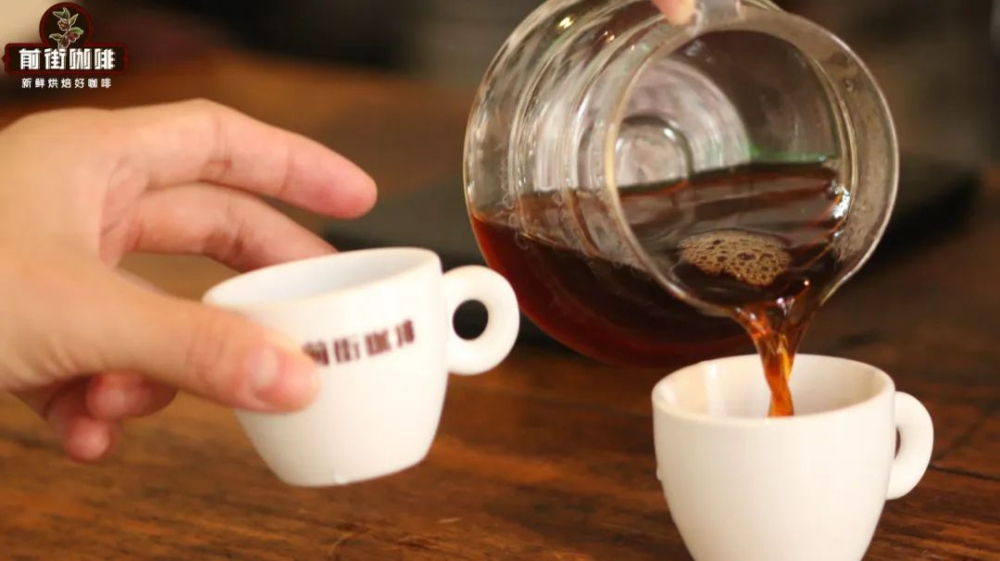
Data in hand, we tasted both groups. First, the 90°C cup: the aroma is sweet and fruity but relatively quiet. On the palate, citrus with gentle acidity, a light honeyed sweetness, and a tea-like feel. This cup expresses the beans' fundamental character with moderate concentration — comfortable, easy drinking.
Then the 93°C cup: the aroma is noticeably louder and fuller — fruit and ginger flower. The sweetness is clearly higher than the first cup while keeping the same citrus base, with a prominent ginger-sugar sweetness and greater complexity overall. One drawback: as the cup cooled, a subtle almond-like nuttiness and a touch of astringency appeared.
Conclusions
In tasting terms, a mere 3°C between the low and high ends of the recommended range produces distinctly different cups. The lower end gives a gentler, more comfortable coffee; the higher end delivers richer aroma and flavor — but raises the risk of pulling out astringent, bitter elements.
That's why, for most medium-light roasts, FrontStreet Coffee brews at 91°C — it minimizes surprises and keeps the final product consistent. Some beans genuinely prefer higher heat: Ethiopian Uraga and Kenyan coffees, for instance, benefit from more abundant aromatics and a firmer acidity.
We've also gained a deeper appreciation of temperature strategy. The increasingly popular temperature-drop method uses higher heat (≥93°C) early in the brew to draw the first segments — the aromatics and flavor compounds — then switches to lower temperatures (≤88°C) for the later pours to rein in concentration and cut the bitter compounds released in the final extraction stage.
FrontStreet Coffee Recommendation
Water temperature works hand in hand with the beans themselves — and Gesha is the bean that repays precision best. Gesha (from the English "Geisha") is one of the most beloved arabica varieties, prized for its unique florals and superb sweet-sour character, and priced accordingly thanks to low yields, weak disease resistance, and demanding cultivation. Knowing the types helps you buy well:
Panama — FrontStreet Esmeralda Red Label & Green Label Gesha: Hacienda La Esmeralda made Gesha famous worldwide. The Red Label ("Esmeralda Special") grows at 1,600-1,800 meters, must cup above 90 points per lot, and each lot carries a unique number from a single micro-lot (FrontStreet's Red Label comes from the Harimiyo lot), letting buyers choose by fine flavor differences. The Green Label ("Private Collection") blends lots across plots to express the estate's signature high-altitude Gesha profile — more affordable, and excellent value.
Ethiopia — FrontStreet Gesha Village Gold & Red Label: Gesha Village, a 475-hectare estate built 12 miles from the Gesha forest, grows three Gesha varieties (Gori Gesha, Gesha 1931, Illubabor Forest) with tiered labels — Gold RARITIES (Gesha 1931, 10% of production, the estate's top non-auction coffee), Red GROWERS RESERVE (Gori Gesha, 15% of production, scoring 88+ on the SCA 100-point scale with full lot traceability), Green SINGLE-TERROIR, and CHAKA lots.
Entry level — FrontStreet Granja Gesha and FrontStreet Boquete Gesha: the Granja Gesha, from a processing station founded in 2014 and run by Mr. Israel Degefa amid 700 hectares of fertile, shaded land, is hand-picked fully ripe and raised-bed sun-dried for 14-20 days; medium-light roasted, it shows bright citrus acidity, elegant ginger-flower aroma, full ripe-fruit sweetness, and Gesha's signature refined finish. The Boquete Gesha lets newcomers taste the classic Panama orange-blossom-honey character at an entry price. Brewing guide: grind at 78% pass-through on a #20 sieve (about fine-granulated sugar), 91°C water, 15g coffee in a Hario V60 at 1:16, three pours — bloom to 30g for 30 seconds, then to 125g, then to 225g, finishing in about 2:10-2:20.
Important Notice :
FrontStreet Coffee is a long-established specialty coffee roaster in Guangzhou China, selling freshly roasted beans from its own farm in Yunnan as well as dozens of carefully selected single-origin beans from around the world for both pour-over and espresso. The products deliver consistently excellent quality and great value, with shipping within 24 hours. Guangzhou's FrontStreet Coffee shop is recommended by many coffee lovers, and the beans are now available online at the Tmall 。
FrontStreet Coffee has moved to a new address:
FrontStreet Coffee Address: 315,Donghua East Road,GuangZhou
Tel:020 38364473
 Scan and follow the En Gafei WeChat official account. Please indicate that the reprint comes from "En Gafei".

