
Pour-Over Coffee Three-Stage Pouring Technique Algorithm: How to Determine the Right Timing for Water Flow Interruption
Some friends have asked FrontStreet Coffee: "For the three-stage pour-over, should I wait until all the water has drained before starting the third pour, or pour when it's halfway drained? Why do some people say it's better to wait for full drainage?"
This question came up because when FrontStreet Coffee teaches brewing, we don't recommend waiting for the coffee liquid to drain completely before pouring. So what actually separates the two methods? You can see our comparison of the two brews below — or better yet, brew and compare them yourself, which is far more intuitive.
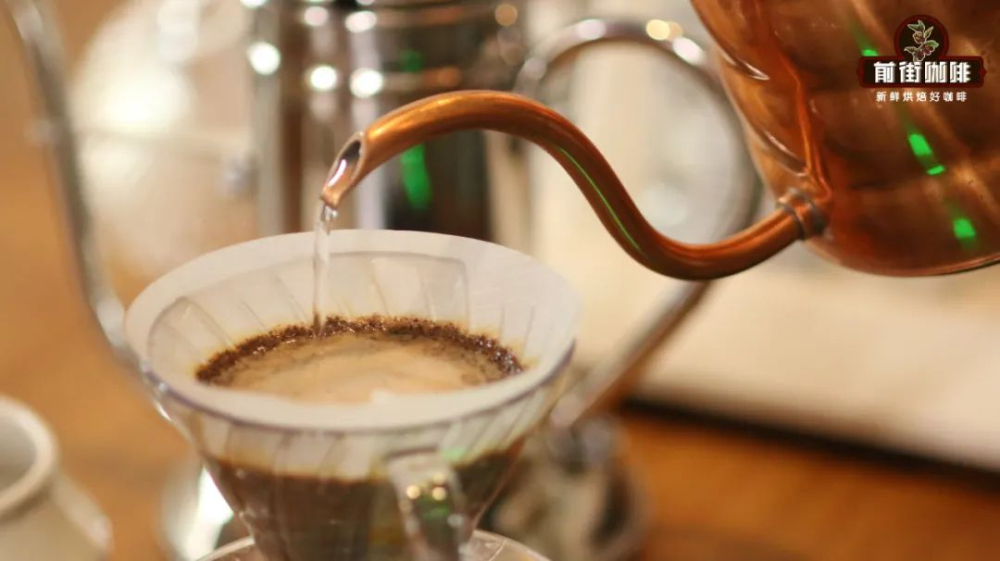
First Brewing Experiment
For the first experiment, FrontStreet Coffee brewed with Costa Rica Strawberry Candy coffee beans, using our standard parameters:
Coffee dose: 15 grams
Ratio: 1:15
Grind size: 80% pass-through through a #20 sieve
Water temperature: 90°C
Dripper: V60
Brewing method: Three-stage pour
The only difference between the two groups: the first group followed FrontStreet Coffee's regular method, starting the third pour when the water level dropped to half; the second group waited until the water level had dropped completely and drained before pouring.
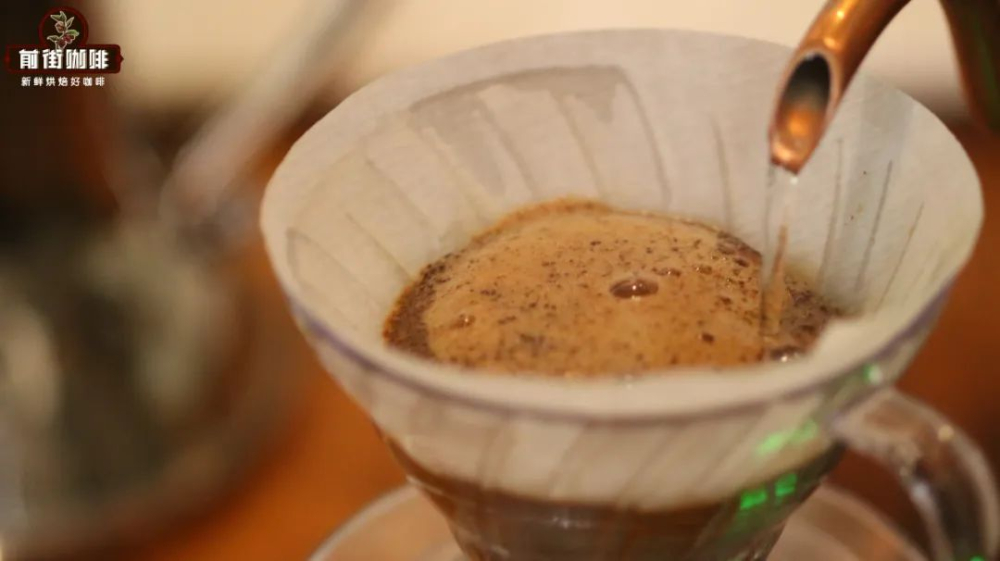
The two groups were essentially identical early on. The second pour finished at 54 seconds (150ml of total water poured at that point). The first group started its third pour when the water level fell to 1/2, beginning at 1 minute 7 seconds. After pouring up to 225ml, all the water finished draining at 1 minute 55 seconds.
The second group waited for full drainage before its third pour, starting at 1 minute 20 seconds. After the third pour brought the total to 225ml, the water finished draining at 2 minutes 10 seconds.
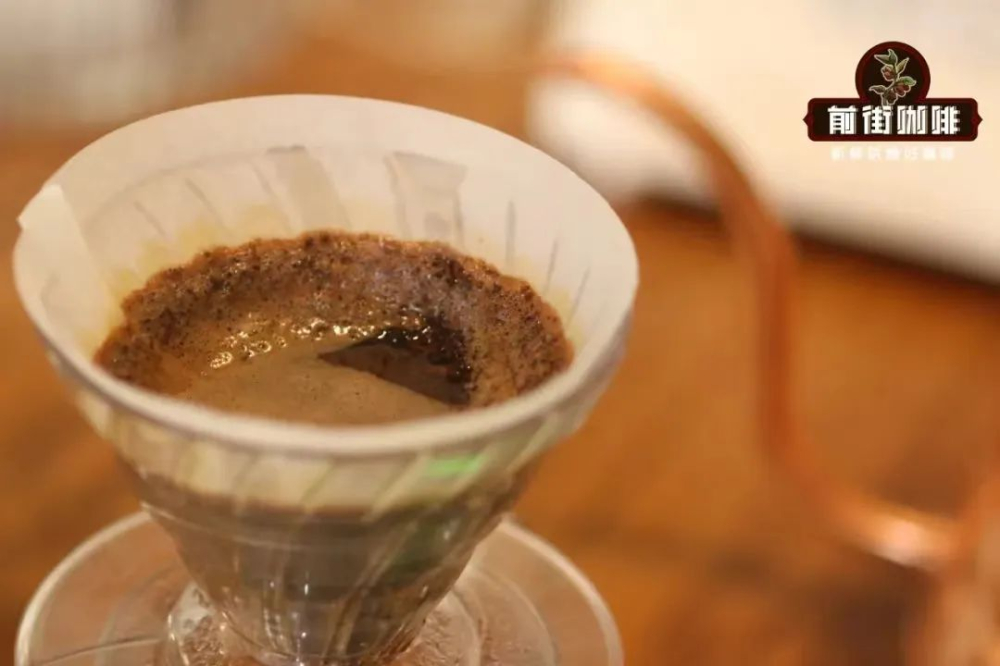
On aroma, the first group was richer. In tasting, the flavors of both groups were basically the same, with no negative flavors.
From this experiment, the two methods show no significant differences overall. But because the second group had to wait for complete drainage, the grounds in the filter experienced a "flow interruption," causing a brief sudden temperature drop in the coffee bed. The temperature only recovered once pouring resumed — and that's what caused the difference in aroma richness.
Also, since waiting for full drainage takes longer than pouring at the 1/2 mark, the final extraction time runs correspondingly longer. In this experiment, however, extraction time stayed within a reasonable range and the flavor was good.
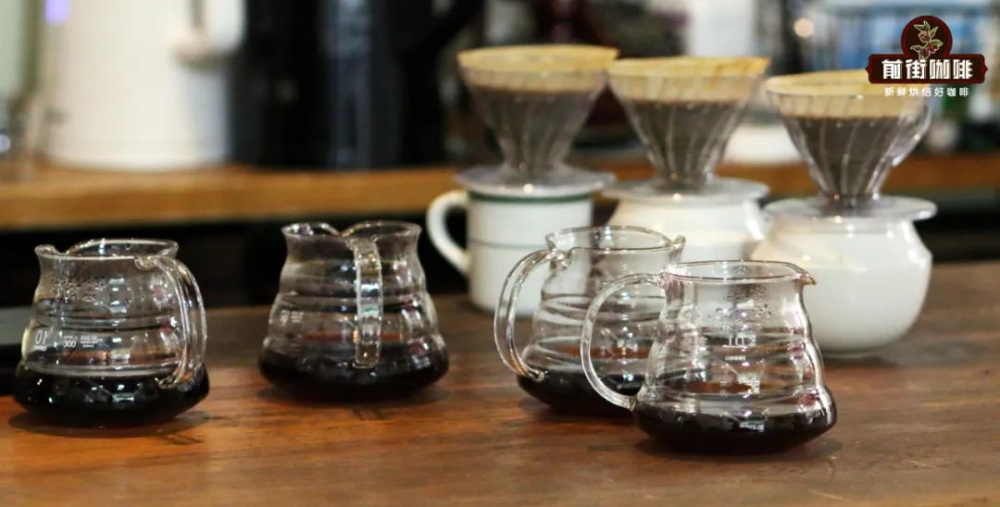
Second Brewing Experiment
Now for a second experiment, run exactly the same way but with washed Yirgacheffe as the brewing bean. Here's how it turned out.
Both groups completed the second pour at 54-55 seconds (150ml poured). The first group started its third pour when the water level dropped to 1/2, at 1 minute 10 seconds. After pouring to 225ml, extraction finished when all the liquid had drained, at 2 minutes.
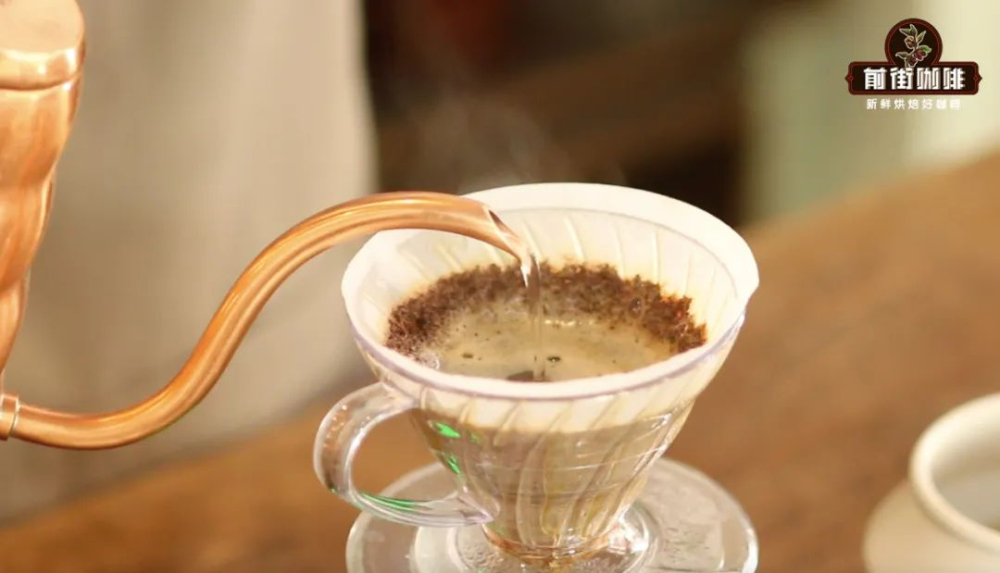
The second group waited for full drainage before its third pour, starting at 1 minute 30 seconds. After the third pour, extraction finished at 2 minutes 30 seconds.
In this comparison, the second group's coffee showed bitterness. Why did the wait-for-drainage group's timing differ so much more in this experiment than the last? The answer lies in the coffee bed.
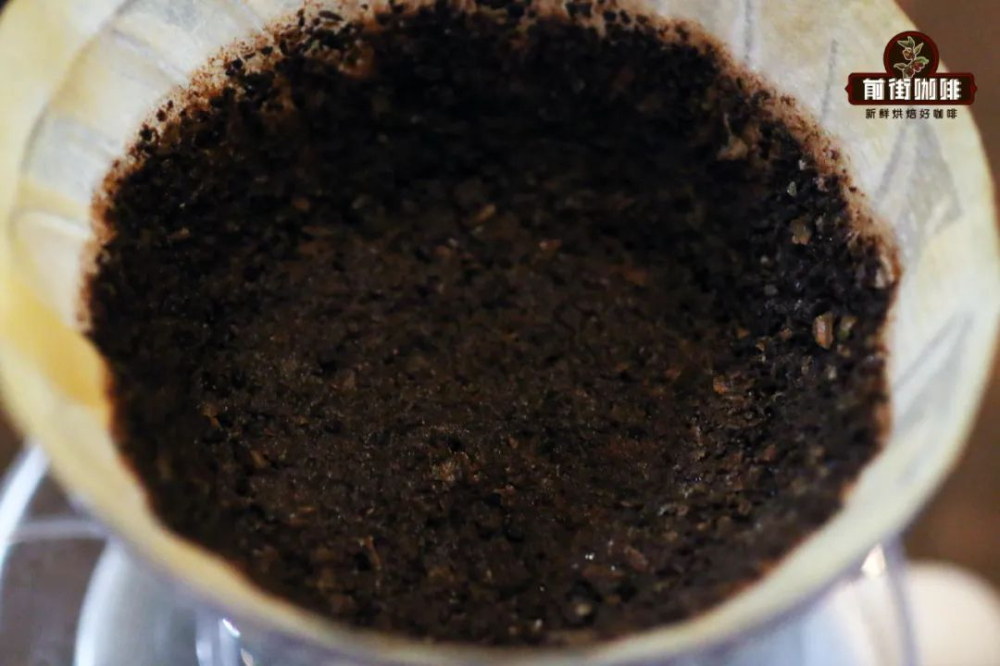
Looking at the Yirgacheffe coffee bed, there's quite a bit of mud-like consistency at the bottom. That "mud" is fine particles. As we've noted before about the V60: when the water level reaches the short ribs, all 24 flow ribs guide water into the lower vessel, ensuring good drainage speed. Once the water level drops below the short ribs, only 12 ribs remain — and if fine particles are present in the coffee layer at that point, they slow drainage further. Pouring when the water level reaches half avoids stretching the time too much.
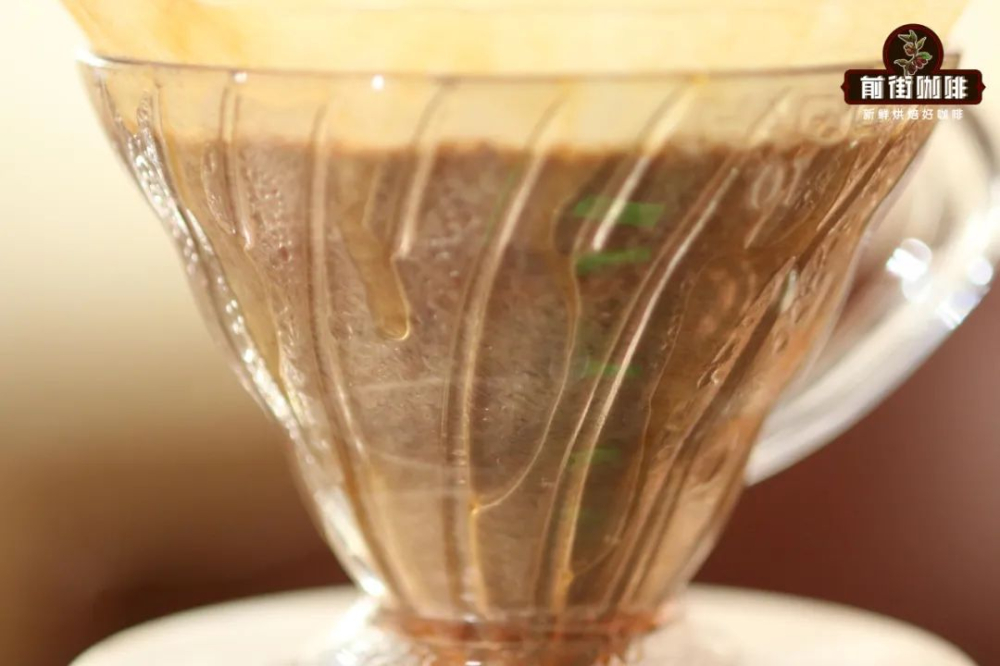
So why did this happen with Yirgacheffe but not with Strawberry Candy? It comes down to bean hardness. Yirgacheffe is roasted lighter, which means a harder bean texture. During grinding, such beans are often not cut cleanly at first but crushed by the burrs — a process that produces dust. Softer beans get crushed less often and therefore produce less dust.
For these reasons, FrontStreet Coffee doesn't recommend waiting for full drainage before continuing to pour in staged brewing. First, extraction temperature fluctuates. Second, fine particles can settle at the bottom, slowing drainage and extending extraction time. Third, the parameters transfer poorly between different coffees.
Of course, that doesn't mean "wait for full drainage" is unusable. You could redesign a method to avoid the drawbacks we've described — like the "4:6 brewing method" — by grinding coarser, sifting out fines, or adjusting water temperature.
But if you're brewing with the three-stage method, it's best not to let the coffee bed go completely dry before pouring.
FrontStreet Coffee Recommendation
Which beans reward a three-stage pour best? Fast-draining, floral-and-fruity coffees in a V60 are a perfect match. Ask any experienced pour-over lover for a practical dripper recommendation and the odds are high they'll name the V60 — designed by Hario, the renowned Japanese glassware maker founded in 1921 in Tokyo, and released in its modern 60° cone form in 2004-2005. The conical design extends water-to-coffee contact for fuller extraction, while the large single hole makes flow rate a matter of your own pour control — ideal for showing off layered aromatics and lively acidity.
For washed processing with clean acidity, the FrontStreet Washed Yirgacheffe Guodingding co-op lot delivers jasmine florals, lemony brightness, and berry notes — a classic beginner-friendly single origin. And for natural processing with tropical richness, the FrontStreet Sidama Huakui is traditionally natural dried, showing berries, florals, jackfruit, melon, and honey — exactly the kind of cup that makes three-stage pouring worthwhile.
Important Notice :
FrontStreet Coffee is a long-established specialty coffee roaster in Guangzhou China, selling freshly roasted beans from its own farm in Yunnan as well as dozens of carefully selected single-origin beans from around the world for both pour-over and espresso. The products deliver consistently excellent quality and great value, with shipping within 24 hours. Guangzhou's FrontStreet Coffee shop is recommended by many coffee lovers, and the beans are now available online at the Tmall 。
FrontStreet Coffee has moved to a new address:
FrontStreet Coffee Address: 315,Donghua East Road,GuangZhou
Tel:020 38364473
 Scan and follow the En Gafei WeChat official account. Please indicate that the reprint comes from "En Gafei".

