
Zero-Calorie, Zero-Fat Coffee: The New Consumer Trend? How Flavored Syrups Became the "King" of the Coffee Industry
How Syrups Transformed Coffee Culture
For nearly 500 years, people around the world have been adding sugar or sweeteners to their coffee. Even as third-wave specialty coffee spread and taught consumers to prefer their coffee without milk or sugar, sweetened coffee has remained a standard offering in cafés. In China today, more than 50% of coffee consumers still choose to add sugar, and they keep chasing new and exotic sweet flavors.
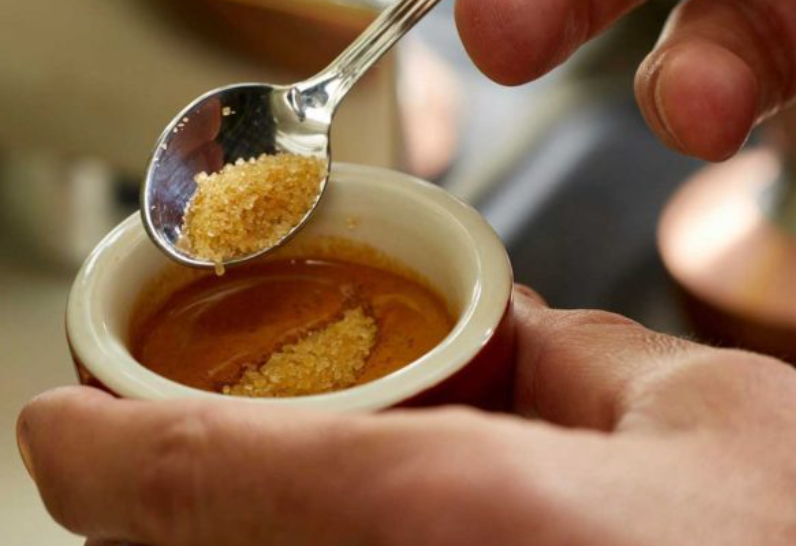
For centuries, sugar has been coffee's loyal companion. People add it not only to cut bitterness. As living standards have risen, palates have grown more sophisticated, and flavored syrups have gradually become a fixture of the coffee shop.
Since Starbucks introduced flavored lattes in 1994, flavored syrups have been embraced by consumers for more than two decades, and flavored coffee has become a headline beverage in most cafés.
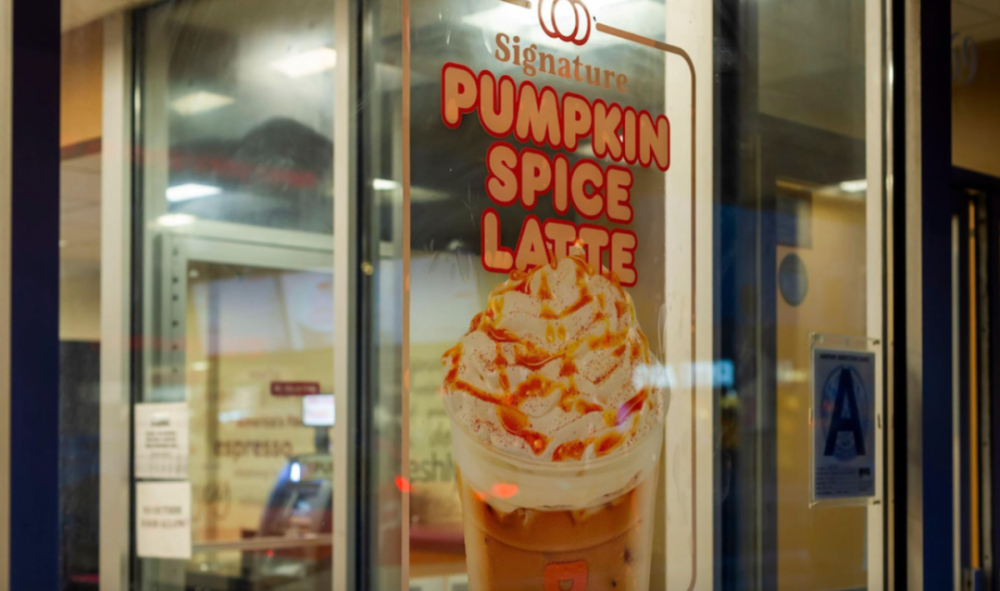
How Syrups Shape the Industry
Today, from chain outlets to independent cafés, how are syrups influencing the whole coffee industry? They help some consumers ease their way toward coffee. The head of the well-known syrup maker Monin once observed that syrups bring indulgence and personalization to beverages, turning an ordinary coffee or drink into something tailored to one's own taste.
Many people, when first exploring coffee, think about adding milk or sugar — a perfectly normal impulse, since most people dislike bitterness. But sugar alone cannot hold people's attention for long, which is why flavored syrups were gradually introduced. They make coffee flavors less monotonous and give consumers more customized choices.
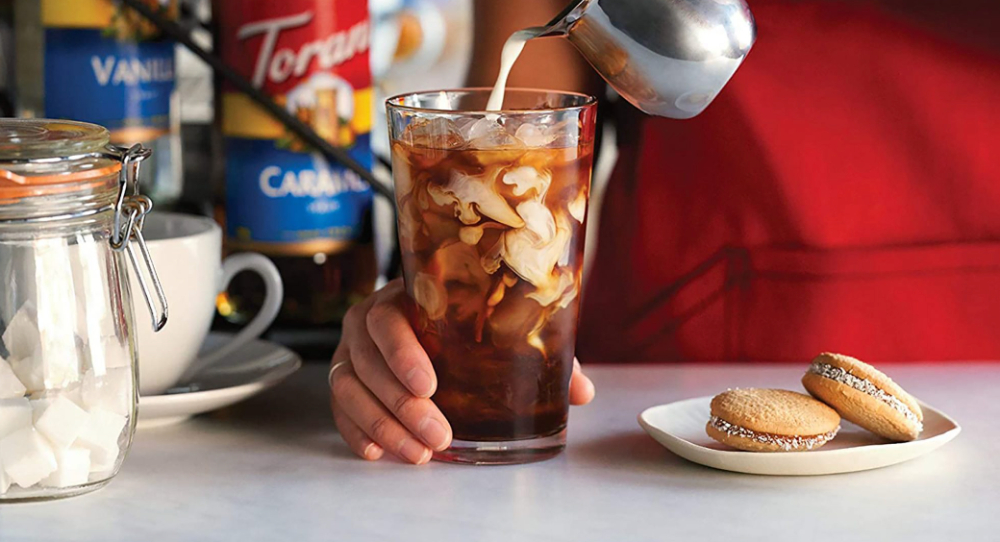
Because the flavors are more inventive and exotic, more people are drawn to share them on social media. So as long as consumers keep chasing novelty, demand for flavored syrups will keep rising.
The Limits of Flavor
Do flavored syrups really have a ceiling? Not really — if one exists, it would only come when human taste preferences reach their own ceiling. Syrup flavor innovation is tailored to what consumers in each region pursue.
European markets, for instance, tend to favor caramel and smoky notes; Latin America leans toward tropical fruit; Asia favors fresh floral and fruity flavors. None of these would once have been associated with coffee, but consumers' adventurous mindset has changed everything.
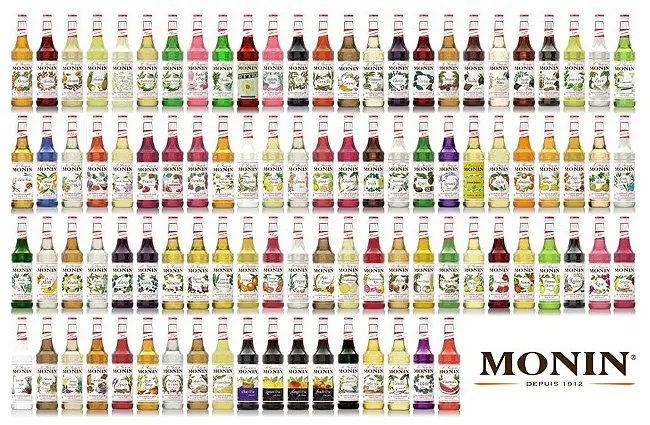
The Rise of Health-Conscious Sweetening
The flavored syrup market is clearly growing fast, thanks to innovation across the entire coffee industry. Beyond flavor, people have also begun to focus on health.
Call it the "I drink sweet coffee, but I want zero burden on my body" mindset. For a new generation of consumers worried about excess calories and drawn to health claims, the arrival of healthy sugars and zero-calorie sweeteners appeals to that guilty desire to lose weight while still enjoying sweetness.
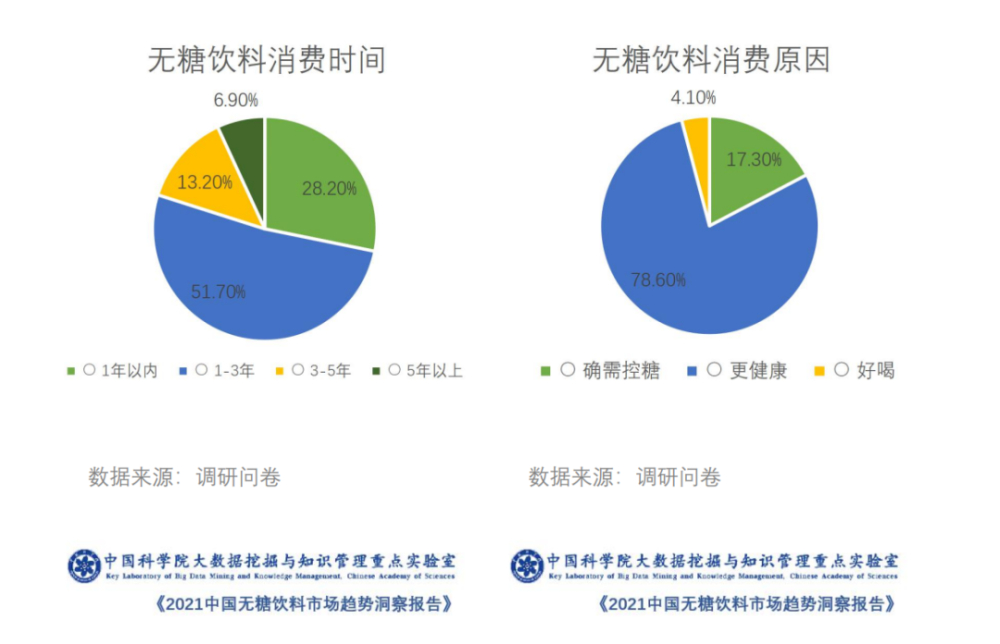
In recent years, as health awareness has grown, beverages marketed as sugar-free and high-protein have found fresh momentum. The "2021 China Sugar-Free Beverage Market Trend Insight Report," published by the Key Laboratory of Big Data Mining and Knowledge Management at the Chinese Academy of Sciences, pointed out that with rising public health awareness, the sugar-free beverage market will maintain further growth and is expected to double within the next 5 years, reaching 22.74 billion yuan by 2025.
Taste and Health in Balance
Coffee already carries healthy associations, and as awareness of benefits such as supporting fat loss, boosting metabolism, and protecting the liver grows, more consumers develop a fondness for coffee drinks and gradually become serious coffee drinkers. This trend is especially visible among the post-95s generation — who nonetheless still love sweet coffee.
To let people enjoy sweet coffee with less guilt, the sugars used in beverage R&D have shifted toward zero-calorie sweeteners. Many of Luckin Coffee's recent returning products and new launches, for example, use zero-calorie flavored syrups, removing the calorie burden entirely and letting customers drink light and pressure-free.
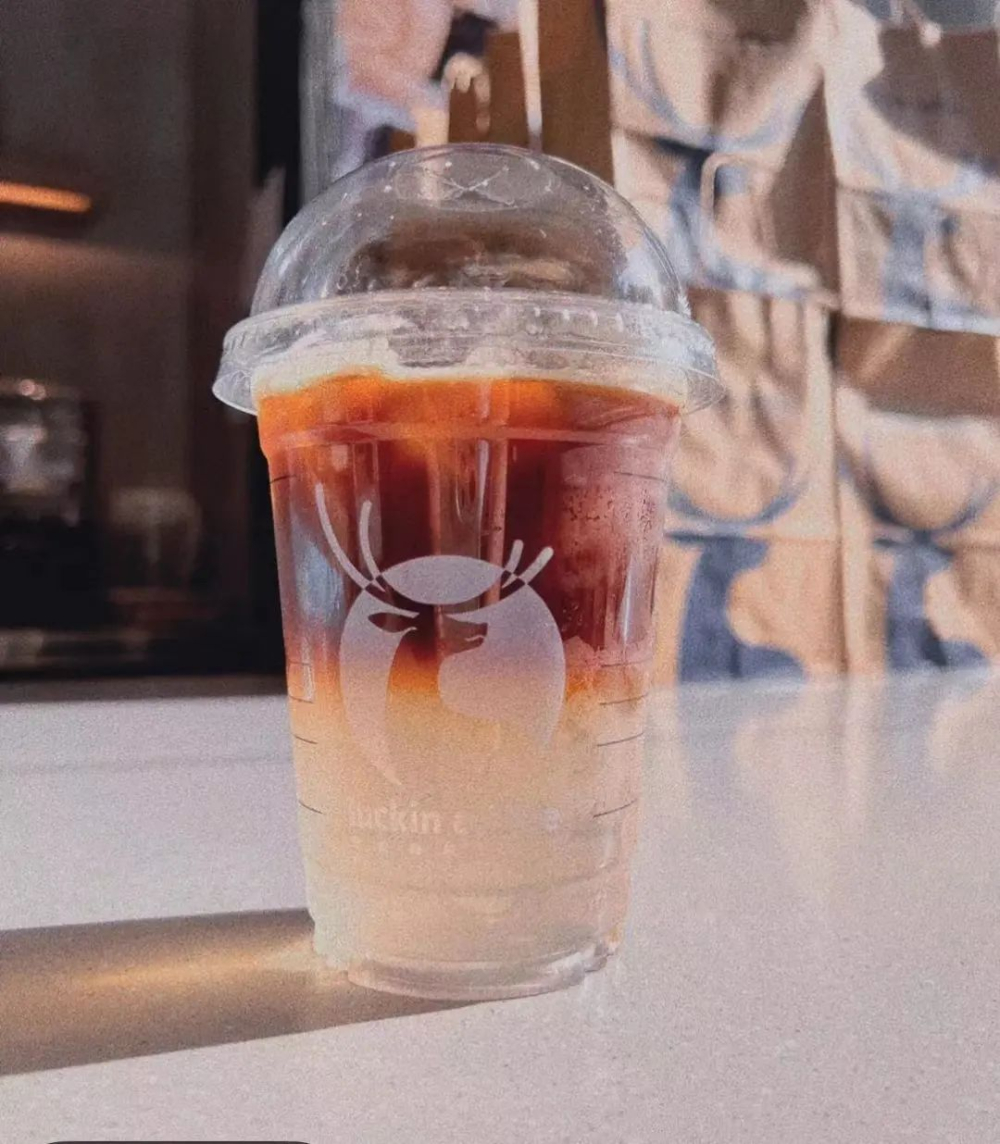
Blessed with both good taste and health appeal, many cafés and beverage shops have followed suit. On platforms like Weibo and Xiaohongshu, a workout photo paired with a zero-calorie iced coffee has become the new fitness check-in for fashionable young people.
The Hidden Catch of Zero-Calorie Sweeteners
Yet although zero-calorie sugars appear healthy, they are no license to indulge. These are artificial sweeteners, and compared with fructose, artificial sweetener intake is more likely to increase appetite. Coffee's own acidity can also make people feel hungry. If you cannot control your appetite, drinking zero-calorie coffee can become a counterproductive move.
Image source: Internet
FrontStreet Coffee Recommendation
If you would rather enjoy your coffee without leaning on syrup, the base bean matters all the more. FrontStreet Classic Blend was designed for espresso machines and moka pots and delivers outstanding crema — dense and fine even on a non-professional home machine. Since lattes, cappuccinos, and Dirty coffee all live on that crema, this traditional Mandheling-and-Brazil blend is the first pick for home or commercial use.
FrontStreet Dark Cocoa Blend is a 100% Arabica alternative with ample crema, a full body, and a wallet-friendly price. FrontStreet Specialty Blend, used in FrontStreet's own stores for nearly ten years, carries Americanos and espresso lattes with its classic Brazil Cerrado and Colombia Huila combination. And for a sweeter, fruit-forward sweetness that comes from the bean rather than the syrup, FrontStreet Strawberry Candy brings a bright strawberry-gummy character to milk coffee.
Prefer milk coffee built on a single origin? FrontStreet PWN Golden Mandheling, FrontStreet Bird of Paradise, and FrontStreet Queen Estate are medium-dark roasted and hold their flavor beautifully alongside milk.
Important Notice :
FrontStreet Coffee is a long-established specialty coffee roaster in Guangzhou China, selling freshly roasted beans from its own farm in Yunnan as well as dozens of carefully selected single-origin beans from around the world for both pour-over and espresso. The products deliver consistently excellent quality and great value, with shipping within 24 hours. Guangzhou's FrontStreet Coffee shop is recommended by many coffee lovers, and the beans are now available online at the Tmall 。
FrontStreet Coffee has moved to a new address:
FrontStreet Coffee Address: 315,Donghua East Road,GuangZhou
Tel:020 38364473
 Scan and follow the En Gafei WeChat official account. Please indicate that the reprint comes from "En Gafei".

