
What Does Coffee Bean Cleanliness Mean and What Is It Related To? The Relationship Between Pour-Over Coffee Layers and Cleanliness
When tasting coffee, you may have heard someone say, "This coffee is so clean!" But what exactly does "clean" mean in this context?
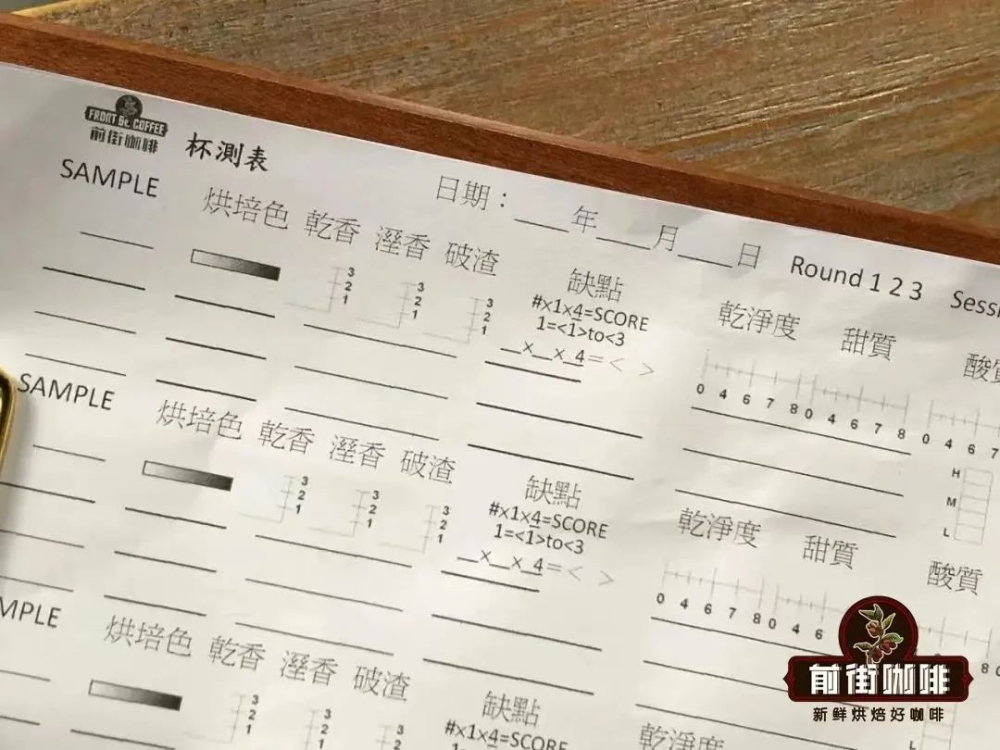
In cupping terminology, "cleanliness" (or clarity) is an official evaluation criterion, yet it often leaves newcomers scratching their heads. Let's break it down: cleanliness refers to how clearly and transparently the coffee expresses its primary flavors, free of any jarring or distracting notes. Here, off-flavors mean muddled, indistinct tastes — which is not the same as complexity — while defect flavors are outright undesirable ones such as woody, grassy, or rotten-fruit notes. As a general rule, the higher the cleanliness, the better the quality of the coffee.
Is washed coffee cleaner than natural processed coffee?
Not necessarily. Traditional natural processing simply involves drying whole coffee cherries and hulling them afterward. Over those two weeks or so of drying, plenty can go wrong: insect damage, over-fermentation and rot, or mold from insufficient sunlight. Any of these mishaps can introduce defect flavors and off-notes into the beans, which naturally drags cleanliness down.
To solve this problem, the Dutch pioneered the washed process, a relatively newer method compared to natural processing. Washing removes the pulp, mucilage, and pectin — the layers most prone to over-fermentation and insect attraction — leaving only the beans in parchment, which dry far more easily. This dramatically reduces the number of defective beans and, in turn, raises cleanliness.
That said, modern natural processing held to today's standards can also achieve very low defect rates and high quality, and in terms of cleanliness it can genuinely rival washed coffee. One common misconception worth correcting: brighter acidity does not automatically mean a "cleaner" cup.
How can brewing improve coffee cleanliness?
Cleanliness is shaped by cultivation, processing, roasting, and brewing. We can't influence what happens upstream, but as consumers we can still protect clarity by choosing quality beans and brewing them well.
The first tip is bean resting. FrontStreet Coffee recommends resting beans for about 4 days after the roasting date before brewing them. Freshly roasted coffee carries a "dry," smoky sensation left over from the high roasting temperatures, which needs time to dissipate along with the released carbon dioxide. Coffee that has rested for a few days will taste noticeably cleaner and its flavors will come through more clearly.
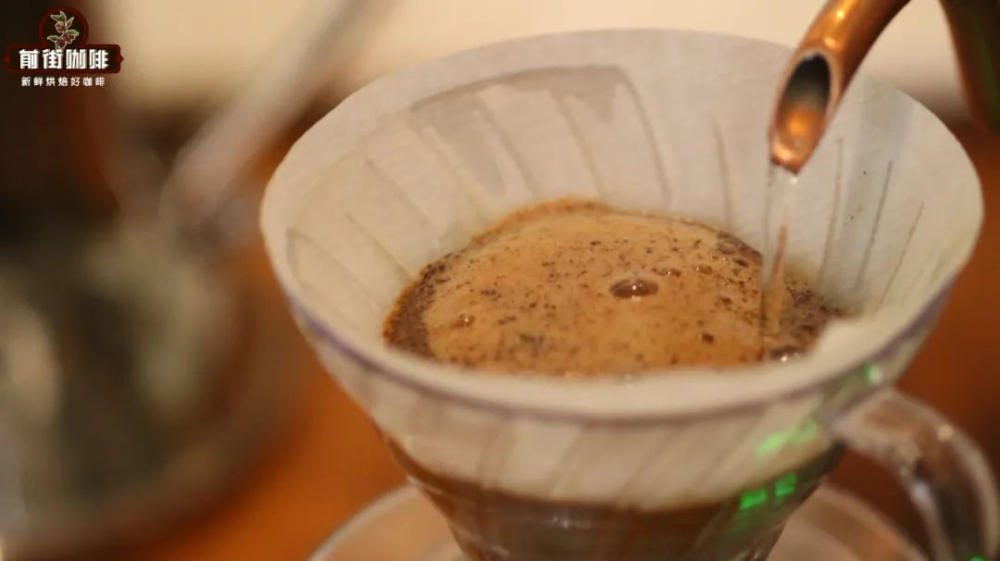
The second tip is pouring gently. FrontStreet Coffee has seen plenty of people brew bitter, astringent cups simply because they stir or pour too aggressively. As long as your parameters are sound, a slow, gentle circular pour extracts the coffee's flavor compounds just as effectively — there's no need to obsess over elaborate pouring techniques.
FrontStreet Coffee Recommendation
If clarity is what you're after, a light roast is the place to start. FrontStreet Coffee's Ethiopia Yirgacheffe Guodingding (natural process) is a classic entry point for pour-over lovers: soft, bright citrus and berry acidity layered with floral notes and a green-tea-like sweetness — a perfect match for a clean V60 brew. For something even more aromatic, the FrontStreet Ethiopia Hambella "Huakui" bursts with tropical fruit — strawberry, passion fruit, jackfruit, even lychee — with barely any bitterness, often described as "the coffee that doesn't taste like coffee." And if you love vivid, high-clarity fruit acidity, FrontStreet's Kenya Little Tomato is hard to beat: a washed coffee from the Thika region, grown at 1550-1750 meters on SL28 and SL34 varieties and finished with Kenya's signature 72-hour double-wash fermentation, delivering unmistakable cherry-tomato and dark plum notes over a juice-like body and a spotless finish.
Important Notice :
FrontStreet Coffee is a long-established specialty coffee roaster in Guangzhou China, selling freshly roasted beans from its own farm in Yunnan as well as dozens of carefully selected single-origin beans from around the world for both pour-over and espresso. The products deliver consistently excellent quality and great value, with shipping within 24 hours. Guangzhou's FrontStreet Coffee shop is recommended by many coffee lovers, and the beans are now available online at the Tmall 。
FrontStreet Coffee has moved to a new address:
FrontStreet Coffee Address: 315,Donghua East Road,GuangZhou
Tel:020 38364473
 Scan and follow the En Gafei WeChat official account. Please indicate that the reprint comes from "En Gafei".

