
How to Properly Evaluate Coffee? Standards for Assessing Coffee Cleanliness, Acidity, Sweetness, Mouthfeel, and Aftertaste
The Art of Coffee Tasting: Beyond Flavor Identification
Ask people what coffee tasting means and most will say "identifying flavors" — as if tasting skill were measured by how many notes you can name.
Not quite. Tasting means to taste and to distinguish — something different from just drinking coffee. Think about it: we savor single-origin coffee, but rarely savor instant coffee.
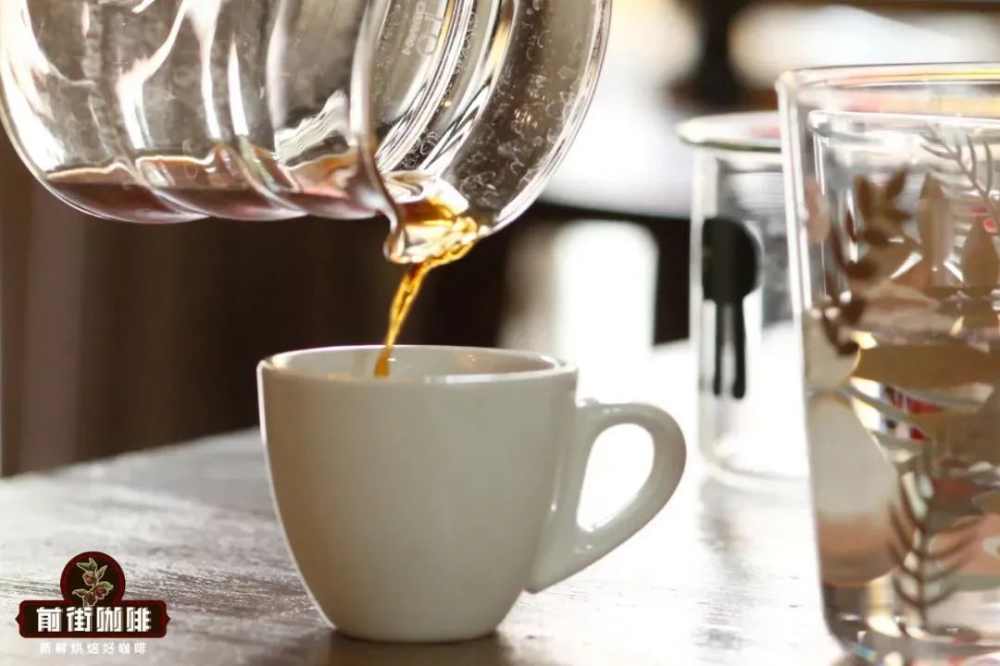
That's not only because single-origin tastes better. It's that the two serve different purposes. Instant coffee is positioned as convenient caffeine delivery, so nobody expects much flavor from it. Single-origin coffee exists precisely for its flavor, so we give it our attention.
And flavor identification is only part of tasting. FrontStreet Coffee believes the most fundamental skill is being able to tell whether a coffee tastes good — and articulate exactly where the goodness comes from. Or, when something tastes off, to understand why. Approach tasting through these lenses:
Aroma
Before you drink, smell the cup. Even if you can't name specific notes, you can detect sweet floral and fruity scents, or caramel and nutty roast aromas. Aroma is the most essential part of coffee.

Acidity
Here, acidity isn't about quantity but quality. If a coffee's acidity resembles fresh fruit, its quality is good — described as bright, mild, or well-defined.
Less desirable acidity includes spoiled or fermented-rotten notes, harsh vinegar, and sharp, aggressive sourness.
And of course, some coffees have virtually no acidity at all — like a dark roasted Mandheling.
Sweetness
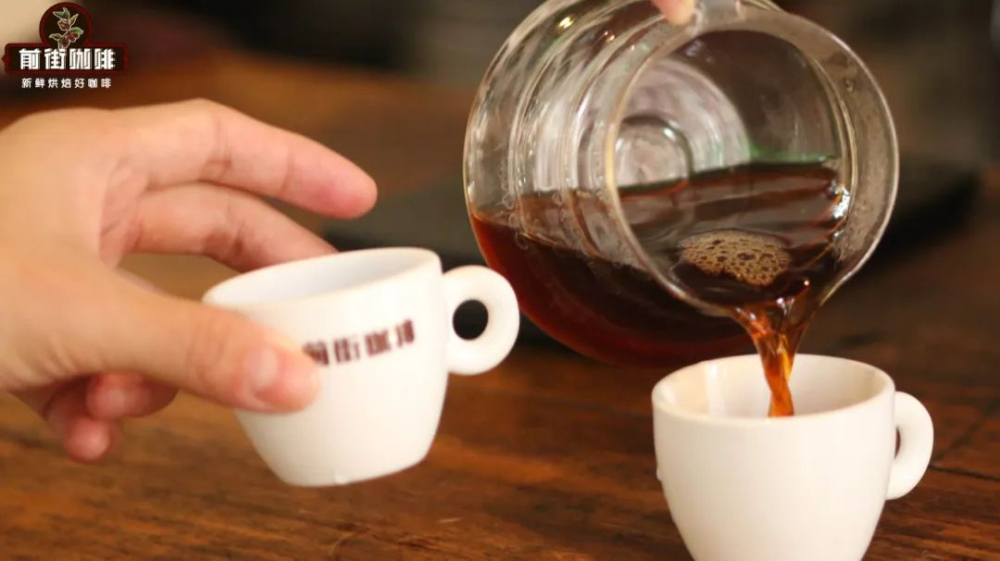
Sweetness is straightforward: how sweet the coffee is. Humans are wired for sweetness — it triggers dopamine and pleasure. The same logic applies to coffee: all else equal, the sweeter, the better. (This means the coffee's inherent sweetness, not added sugar.)
Whether a coffee leans acidic or bitter, careful tasting reveals its sweetness. And coffee's sweetness isn't detected by taste buds alone, the way sugar is — it emerges from taste and smell working together.
If you've never caught coffee's sweetness, taste more single origins from different regions and compare. With a wider repertoire, coffee sweetness will suddenly click.
Mouthfeel
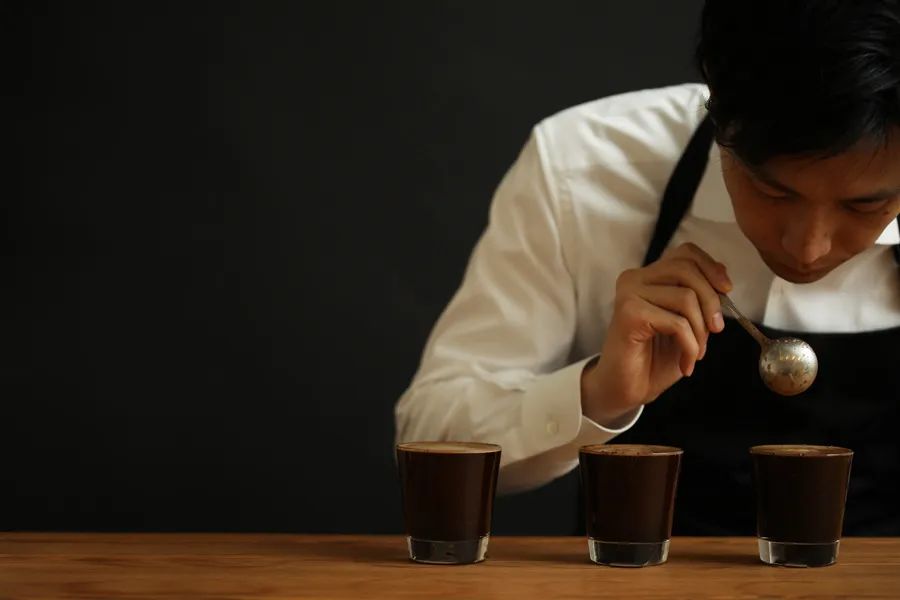
Alongside taste and smell, touch joins the party. Mouthfeel is the texture of coffee as perceived in the mouth and on the tongue.
Good coffee has perceptible "body," the way yogurt has a texture you can feel. We describe it as rich, smooth, substantial, or delicate.
Poor mouthfeel is thin as water, or carries a grainy roughness — both immediately noticeable.
Aftertaste
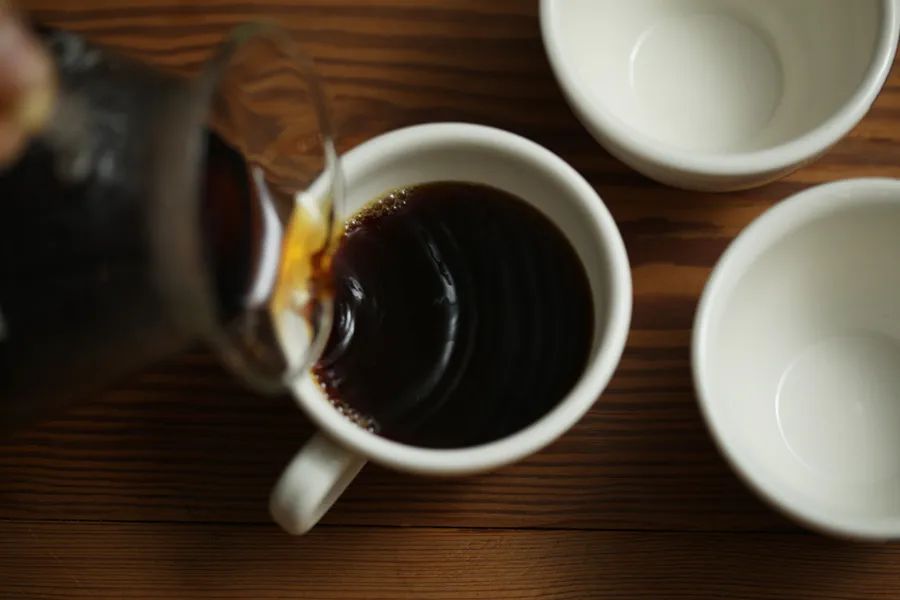
Some people chat while drinking coffee — and thereby miss the aftertaste entirely. Aftertaste is the aroma that returns to the mouth and nasal cavity after you swallow.
Try this: after swallowing, close your mouth and exhale gently through your nose. Common aftertastes include fruity tea notes, delicate florals, honey, and caramel-cocoa. Note that the "sweet return" (the sweetness that re-emerges after swallowing) isn't counted as aftertaste proper.
Off-flavors
Off-flavors are tastes that simply shouldn't be in coffee — and they're the easiest to detect. The usual suspects: earthiness, wood chips, medicinal notes, rubber, burnt bitterness, and astringency.
A cup free of off-flavors gets described as clean and well-defined.
You don't have to recite flavor names to taste coffee well. Being able to tell whether a coffee is good — and explain why — is enough.
FrontStreet Coffee Recommendation
Want to train your palate on aroma? Floral coffees are the best classroom. The washed FrontStreet Yirgacheffe Worka Cooperative is a benchmark: white-flower sweetness close to jasmine, bright citrus acidity, and a green-tea finish — served hot it shows lemon lift and honeyed sweetness, and as cold brew it drinks like a delicate fruit tea.
The natural FrontStreet Hua Kui layers creamy strawberry and orange blossom over guava and mango juiciness. For more complexity, the Strawberry Candy Gesha Blend marries Costa Rican honey processing with Panamanian Gesha — raisin, orange, ripe blueberry, a rose-like perfume, and an almond finish — while the FrontStreet Mozart, a raisin-honey processed Costa Rican, releases captivating osmanthus fragrance with dried fruit, ripe pineapple, and sweet orange. Any of them will teach your nose what "floral" really means.
Important Notice :
FrontStreet Coffee is a long-established specialty coffee roaster in Guangzhou China, selling freshly roasted beans from its own farm in Yunnan as well as dozens of carefully selected single-origin beans from around the world for both pour-over and espresso. The products deliver consistently excellent quality and great value, with shipping within 24 hours. Guangzhou's FrontStreet Coffee shop is recommended by many coffee lovers, and the beans are now available online at the Tmall 。
FrontStreet Coffee has moved to a new address:
FrontStreet Coffee Address: 315,Donghua East Road,GuangZhou
Tel:020 38364473
 Scan and follow the En Gafei WeChat official account. Please indicate that the reprint comes from "En Gafei".

