
"What Else Can I Do?" The Confusion of a Barista
The barista's trade tends to provoke mixed feelings. Many people become baristas chasing a dream; many others leave the profession because of reality.
Because the pay cannot sustain the life they want, and because the job seems to offer little chance of advancement, plenty of people treat barista work as a short-term stop with limited prospects. Is that really true? Of course not. A barista has many paths forward, but the first requirement is convincing yourself to step outside your comfort zone.
Before they take the job, many people imagine it will be as relaxed and artistic as it looks in the movies. They underestimate how much passion, time, patience, commitment, and skill a real barista pours into the work. The successful baristas we see in the coffee world today have put in enormous effort behind the scenes. It is not simply a matter of pouring latte art or brewing coffee, however much it may look that way from the outside.
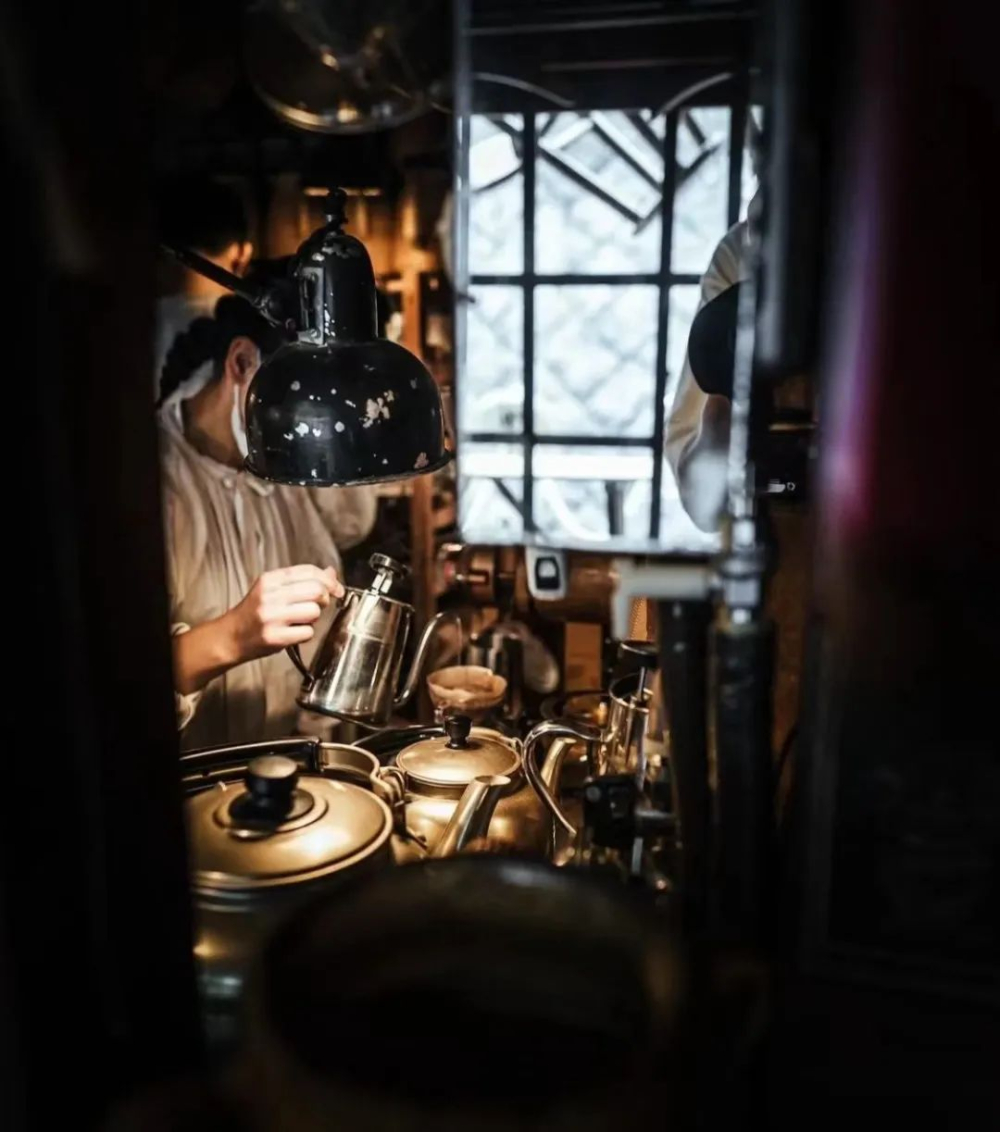
Most people choose the barista profession because brewing coffee is genuinely enchanting and soothing, and it draws them to express themselves enthusiastically behind the bar. The bar counter is like the edge of a comfort zone. Stepping past it means facing plenty of things you may not enjoy. If you truly love the coffee industry and want to advance within it toward better-paying positions, taking that step beyond the counter becomes essential.
Many baristas feel the summit of the career is winning a world-class barista competition. True, such a title can make a name prominent in the coffee world, but it is not a reasonable goal to encourage ordinary baristas to chase, because the work behind it is beyond what most people can sustain. On the surface, competitions look like technical contests between baristas; in reality they are battles of teamwork, financial resources, and personal capability.
A successful barista champion has not only sufficient effort and understanding of coffee, but also a team collaborating and supporting them from behind. Rather than calling competitions technical contests, it is more accurate to describe them as project investments. The barista on stage understands coffee knowledge and its technical application, but more importantly understands project management: team communication, task allocation, time and financial management, emotional management, adaptability, and much more.
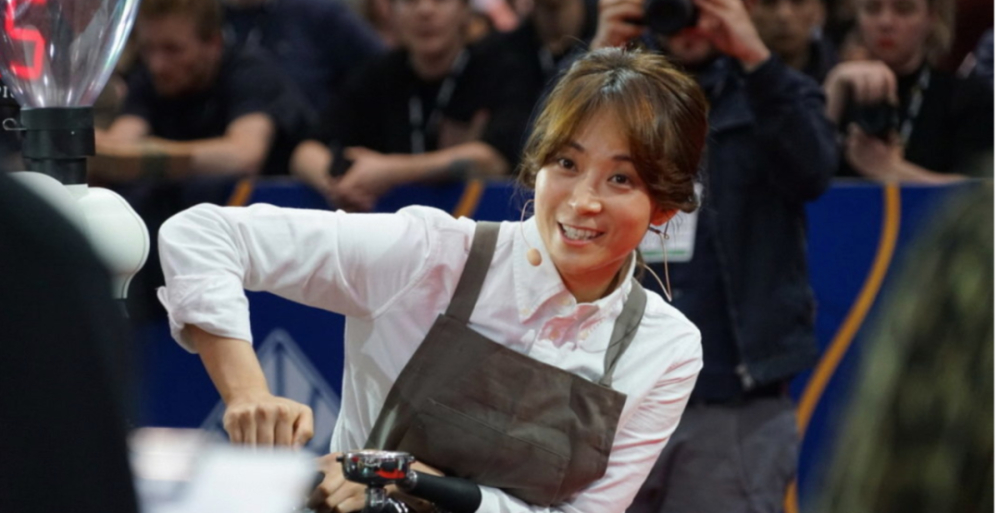
These baristas are not out to show the public how much they know about coffee or how deep their insight into brewing goes. They pursue a comprehensive study of the coffee industry through competition: measuring and analyzing the gap between actual industry conditions and expectations, checking whether predictions and judgments hold up and why, and then distilling lessons that shape future decisions, investment, and management in coffee projects, along with practical countermeasures for improving returns and operations.
This is a level that is genuinely hard for an ordinary person to reach, even with sufficient money, because personal capability matters enormously. That is not to say an ordinary barista can never get there, only that no one should set that goal immediately. When you set goals you cannot realistically reach, the whole process becomes a torment, and you gradually lose your passion for coffee and drift into confusion.
Whatever profession you enter, set goals after you start and build reasonable plans. Being a barista is not only about making coffee. It is about sharing interesting coffee culture, accurate coffee knowledge, and brewing principles with more people, and encouraging them to recognize and understand coffee.
Paths Beyond the Bar
Once you understand coffee knowledge and technique, can research it, and can lead others to learn its principles and explore its mysteries, you might consider becoming a coffee trainer. Compared with standing behind a bar making coffee, a trainer not only helps more people gain a basic or deeper understanding of coffee, but also sharpens their own communication and management abilities.
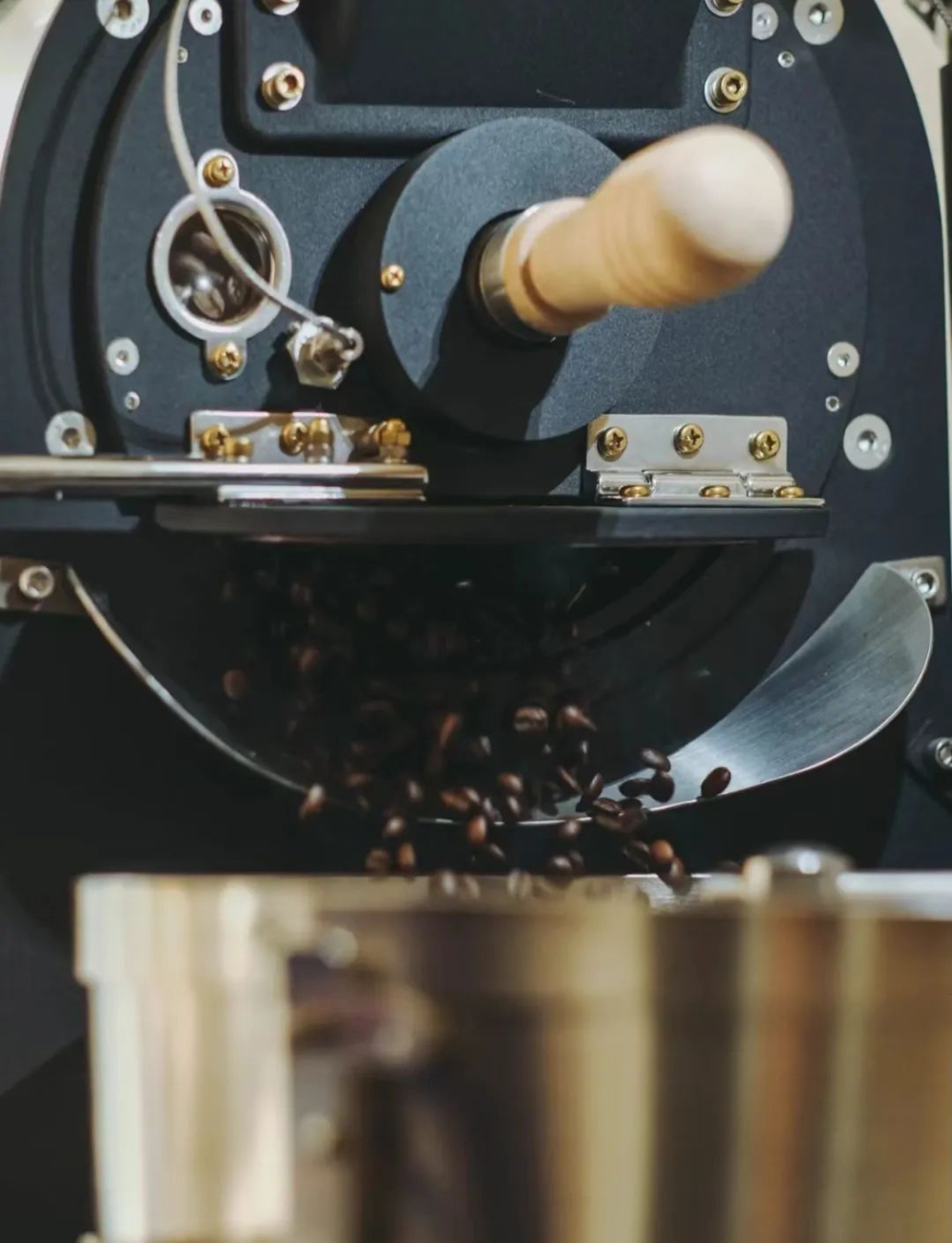
"Can I become a roaster?" Of course. As long as you have a deep understanding of the beans themselves, grasp how altitude, soil, and climate at origin shape a bean's structure and flavor, understand how every temperature point, every time segment, and every roasting machine affects how the beans perform, and are willing to listen patiently to feedback from baristas and brewers and solve problems together, you can become an excellent roaster.
Is roasting beans difficult? Not really. It is similar to cooking. Roasters are like chefs who always pass through a transition period and must start with the basics. Cooking a dish through is easy; making a dish delicious takes enough understanding of ingredients, seasonings, and technique to hit excellence at the right temperature and time.
The Path to Ownership
What about opening a shop? It looks like a natural next step in a barista's career, yet it leaves many baristas stuck in an endless dilemma. One challenge is funding. Another is that, beyond making coffee, they often do not actually know how to run a coffee shop.
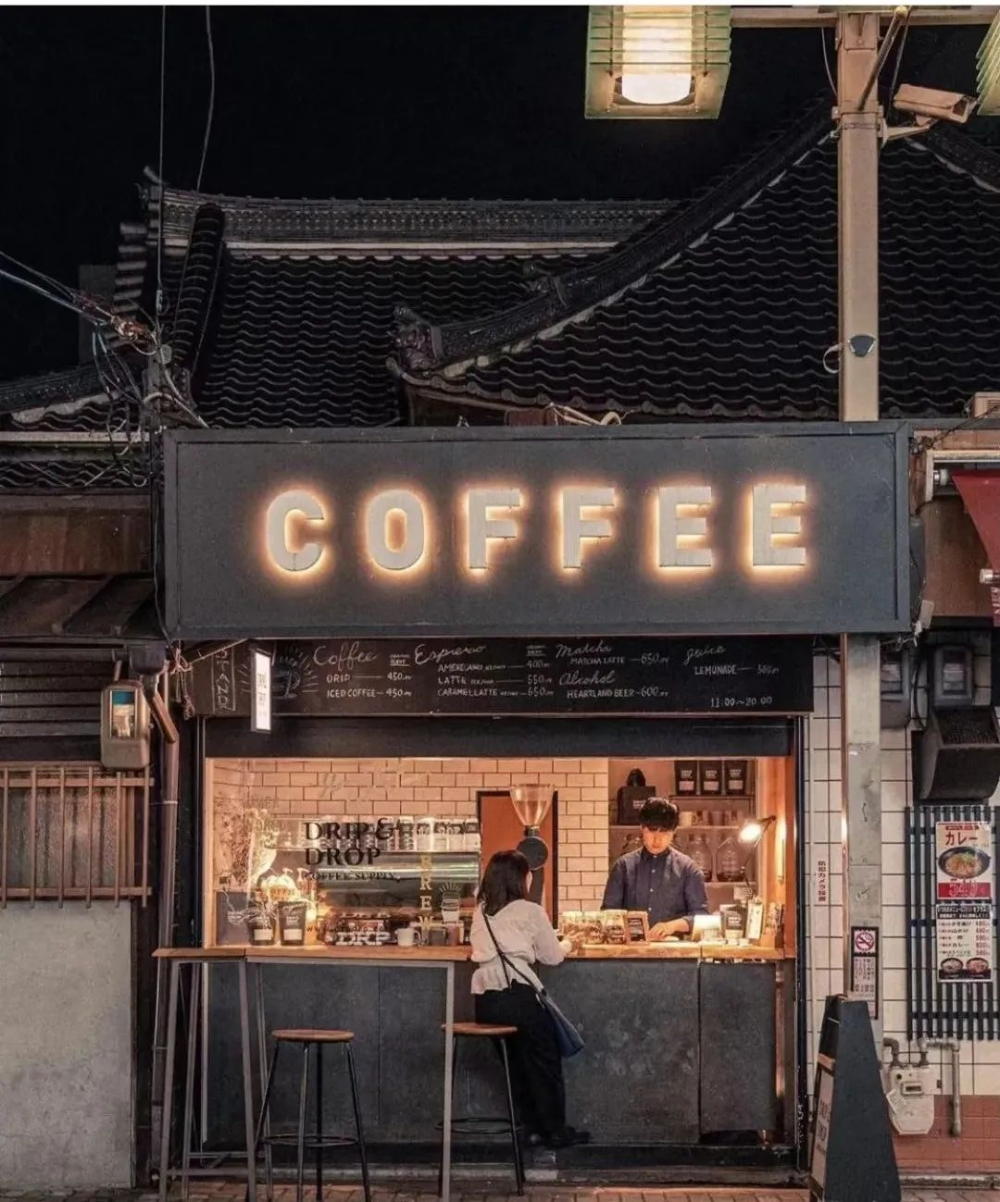
If you want to open a coffee shop, then from your first day as a barista you must keep raising your professional level: learn more service technique, study product development, learn to calculate and manage expenses and costs, and master event planning, brand promotion, and business negotiation.
Don't find that a nuisance. Believe that most people who open a coffee shop hope to make money, or at least break even. Many coffee shops fail because the owner did not plan each step carefully in the early stage and did not set clear goals, so expenses and income fell out of balance.
Whatever you do, establish your professionalism and plan your future before you begin, rather than taking things one step at a time. Being a barista is not a dead-end career, and baristas can indeed make money. If you can set aside the "beautiful" filter around the profession and look at how the industry really develops, everyone can find a place that suits them.
A barista can be a technician, an educator, or a businessperson.
Image source: Internet
FrontStreet Coffee Recommendation
For a barista practicing latte art, the beans matter as much as the technique, because a steady, generous crema is what lets the milk pattern sit cleanly on the surface. FrontStreet Classic Blend is a medium-dark espresso recipe built from three origins, inspired by the old Mamba style of Mandheling and Brazil, with a small amount of Robusta added for aroma and body. It releases clear butter, toasted bread, and caramel biscuit notes, and its rich, fine crema makes it a dependable everyday choice for beginners.
If you prefer a nuttier, deeper flavor, FrontStreet Specialty Blend pairs washed Colombian beans with semi-washed Brazilian beans for a classic medium-dark espresso that shows nuts, dark chocolate, and caramel, and pours a crema every bit as good as a cafe's. FrontStreet Commercial Blend adds a little Robusta to that base for extra deep-brown crema and a heavier body, which makes latte art easier still and suits anyone preparing to open a shop.
Important Notice :
FrontStreet Coffee is a long-established specialty coffee roaster in Guangzhou China, selling freshly roasted beans from its own farm in Yunnan as well as dozens of carefully selected single-origin beans from around the world for both pour-over and espresso. The products deliver consistently excellent quality and great value, with shipping within 24 hours. Guangzhou's FrontStreet Coffee shop is recommended by many coffee lovers, and the beans are now available online at the Tmall 。
FrontStreet Coffee has moved to a new address:
FrontStreet Coffee Address: 315,Donghua East Road,GuangZhou
Tel:020 38364473
 Scan and follow the En Gafei WeChat official account. Please indicate that the reprint comes from "En Gafei".

