Coffee Grounds Can Achieve Zero Carbon Dioxide Emissions When Roasting Coffee Beans, and Here's Why...
The Environmental Challenge of Coffee Grounds
Coffee grounds are the most common waste in coffee shops, and they are usually treated exactly as that: waste. But as coffee becomes a daily necessity for more and more people, the volume of spent grounds keeps growing, and getting rid of them has become a real challenge.
By some estimates, more than 8 million tons of coffee grounds are produced worldwide every year. Disposing of them releases polluting gases and consumes substantial energy when burned, while some untreated grounds flow straight into urban sewage systems through the drains. The sheer quantity of grounds, in other words, both wastes energy and harms the environment.
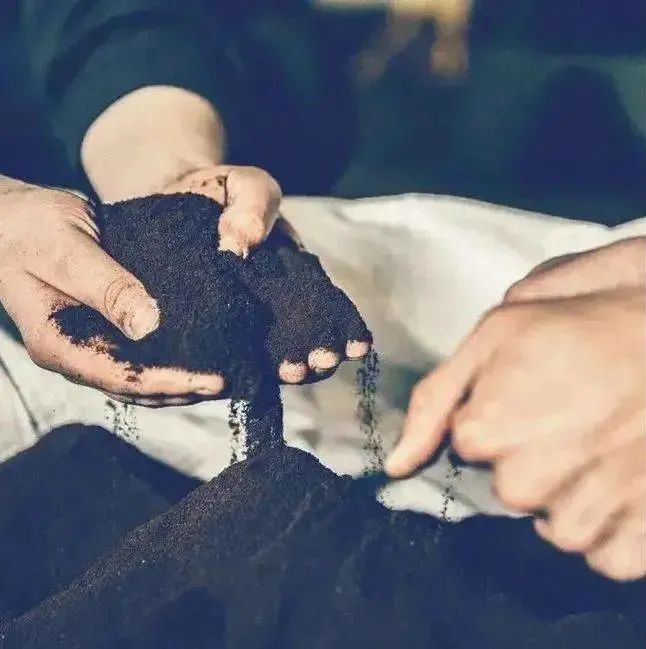
Turning Coffee Grounds into Resources
Grounds are fibrous and quite usable once dried and recycled, so rather than throwing them away, why not find ways to use them? Over the past decade, researchers have worked to transform this waste into treasure: mixed fuels, coal briquettes, eco-friendly building materials, clothing fabrics, food utensil materials, and more. Coffee grounds are no longer refuse—they have proven their worth in apparel, construction, fuels, tableware, and beyond, becoming an eco-friendly favorite across many industries.
Japanese Innovation
The Japanese, with their exacting standards for environmental protection, have gone further still. One Japanese scientist reasoned that roasting and brewing coffee already release large amounts of carbon dioxide, so disposal of the grounds should avoid combustion wherever possible.
So he used koji mold to soften the ground fibers and cocoa butter to bind them, creating coffee-ground chocolates that can be eaten directly. The approach, he argued, avoids both the wasted energy and the polluting gases of disposal, while adding dietary fiber that benefits gut health.
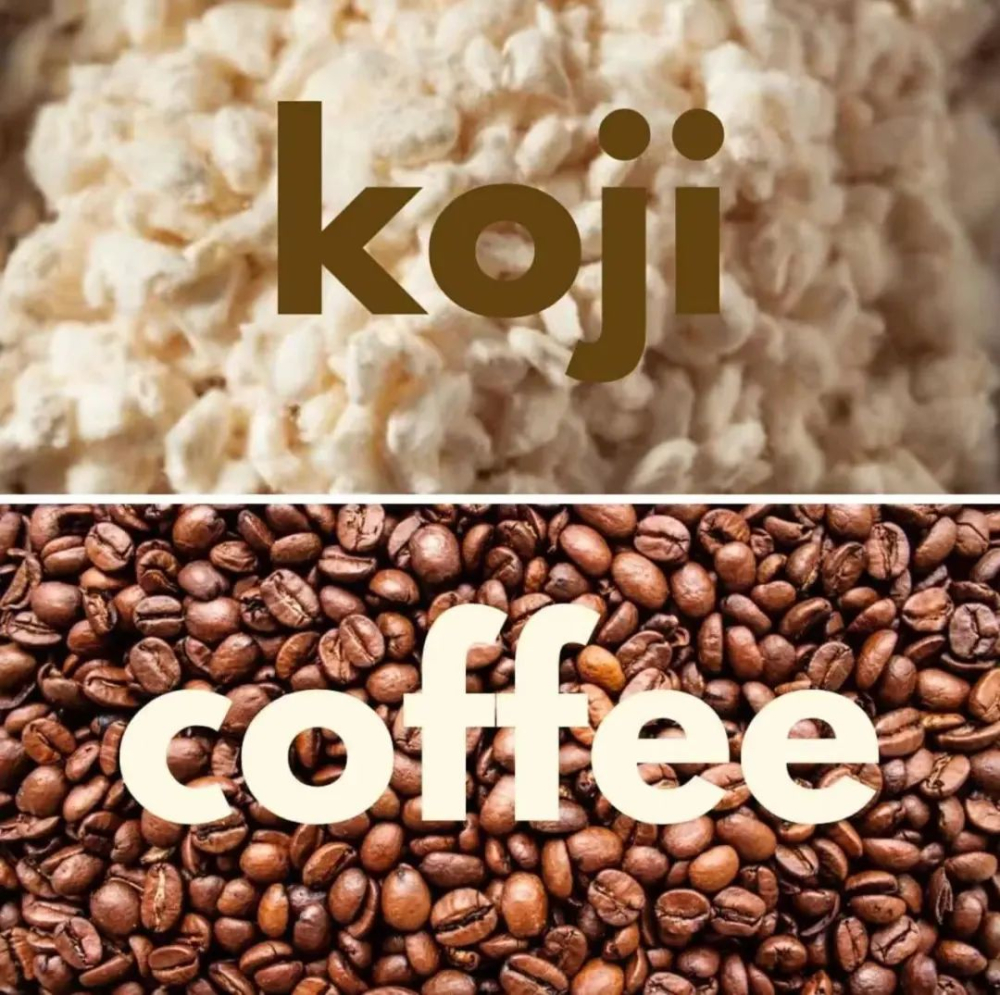
Coffee Grounds as Roasting Fuel
Recently, a Japanese coffee roasting company acknowledged that the carbon and fuel used to roast beans are not environmentally friendly—and using still more energy to process the grounds afterward is hardly better. Their idea: use the grounds themselves to roast the beans, cutting carbon use in the roaster and eliminating worries about disposing of the grounds afterward.
The company roasts all its beans over charcoal because it yields better coffee. Unlike gas, which releases a lot of moisture as it burns, charcoal produces less, so the beans dehydrate more thoroughly and quickly, giving a softer, milder flavor with a distinctive charcoal aroma. But charcoal demands plenty of wood and emits polluting gases of its own.
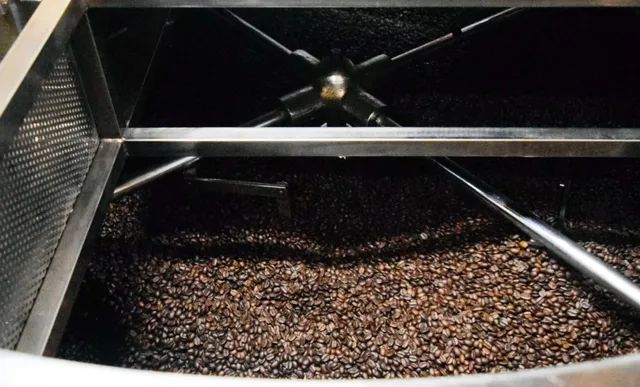
Developing Bio-Coke
As environmental awareness grew, customers began questioning the charcoal approach. The company concluded it should recycle its grounds for roasting—but without burning them directly. Raw grounds hold too much moisture; they need energy-intensive drying before combustion, which wastes power and produces exhaust. So in recent years the company has partnered with a research team at Kinki University to develop "bio-coke."
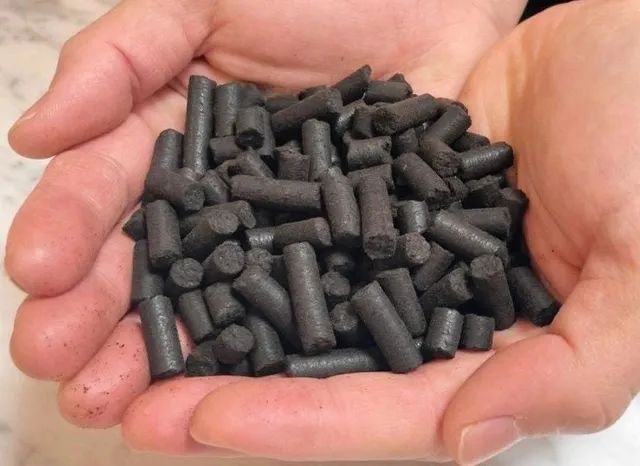
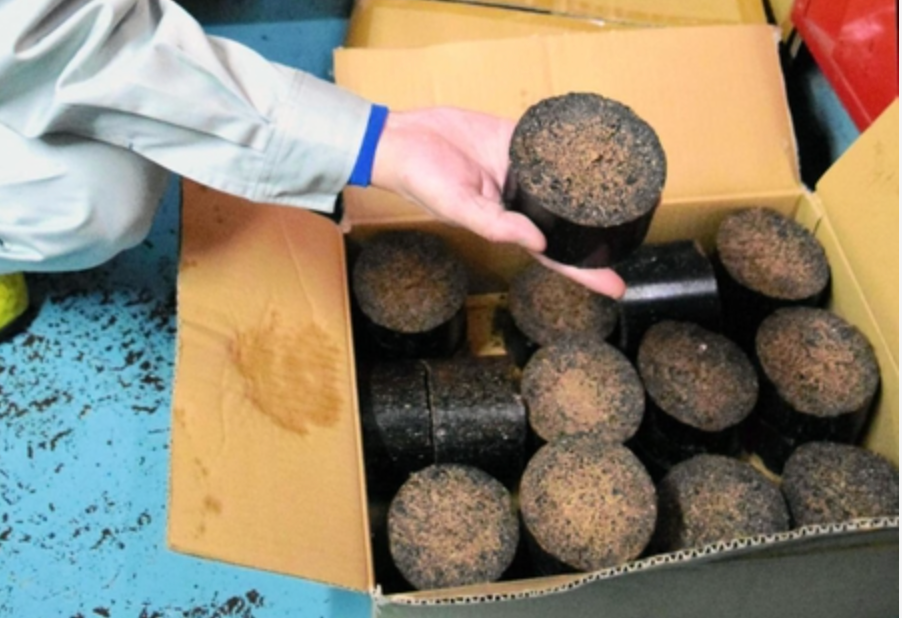
Bio-coke is an alternative to coal coke, made by heating organic waste and compressing it under high pressure. But its high density means relatively weak combustion—too little heat for roasting large batches of beans. The company's workaround: mix conventionally dried coffee grounds with dried corn stalks and rice straw, compress the blend, and add heat enhancers during roasting.
The Carbon-Neutral Argument
According to the company's head, coffee plants absorb carbon dioxide as they grow, so the CO2 released when the fuel burns is simply the CO2 the plants took in while growing—making the process carbon neutral. And since the solid fuel leaves no residue behind, both bio-coke and coffee bricks qualify as genuinely eco-friendly fuels.
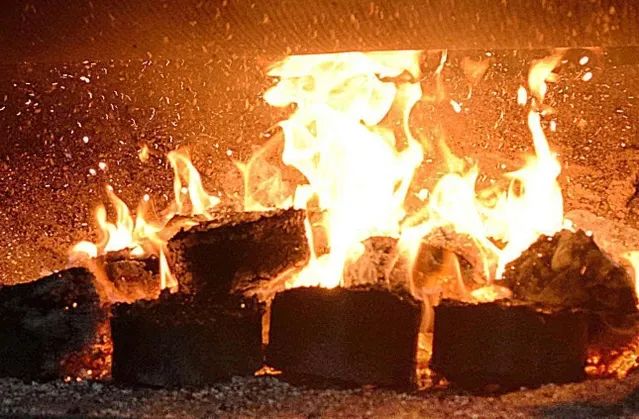
In short: the CO2 released on burning equals the CO2 absorbed during growth, which cancels out to zero net emissions. Fighting fire with fire—there is something almost funny about it!
Image source: Network
FrontStreet Coffee Recommendation
Roast level shapes everything in the cup: darker means more bitter and fuller-bodied, lighter means more acidic and lighter-bodied. If you chase balance the way these Japanese roasters chase sustainability, start with medium roast. FrontStreet Coffee's Brazil Queen Estate—a rare Yellow Bourbon—shows why: medium roasting brings out cream, peanut, chocolate, toast, and sugarcane sweetness with neither sour bite nor heavy bitterness.
For something sweeter and fruitier at the same roast level, try FrontStreet Coffee's Strawberry Candy blend, which pairs a honey-processed Costa Rican component with washed Panamanian Geisha—orange-blossom honeyed sweetness with a rounded finish, great as cold brew, pour-over, or espresso. And for an authentic taste of Chinese specialty coffee, the FrontStreet 2013 Natural Typica offers nuts, brown sugar, black tea, and dried apricot in a soft, balanced profile.
Important Notice :
FrontStreet Coffee is a long-established specialty coffee roaster in Guangzhou China, selling freshly roasted beans from its own farm in Yunnan as well as dozens of carefully selected single-origin beans from around the world for both pour-over and espresso. The products deliver consistently excellent quality and great value, with shipping within 24 hours. Guangzhou's FrontStreet Coffee shop is recommended by many coffee lovers, and the beans are now available online at the Tmall 。
FrontStreet Coffee has moved to a new address:
FrontStreet Coffee Address: 315,Donghua East Road,GuangZhou
Tel:020 38364473
 Scan and follow the En Gafei WeChat official account. Please indicate that the reprint comes from "En Gafei".