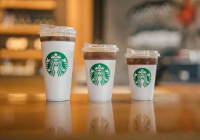
Ignoring Flavor Pairing, Creative Coffee Has Reached "Genetic Mutation" Levels...
The Evolution of Creative Coffee: From Innovation to Absurdity
What kind of creative coffee grabs consumers' attention? Taste? Complexity? Presentation? No—it's absurdity. The more outrageously over-the-top, the better.
In recent years, fueled by consumers' appetite for novelty, creative coffee has entered "genetic mutation" territory. Creators are no longer chasing flavor harmony—as long as a drink is outrageous enough, it will surely buy a moment of buzz.

People have been adding other foods to coffee for centuries to make it more palatable and tame its bitterness. After a Viennese added milk to coffee in 1683, coffee stopped meaning only black coffee. As time passed and food grew more abundant, experimenters moved beyond milk: white sugar, cocoa, and cream became classic pairings too.
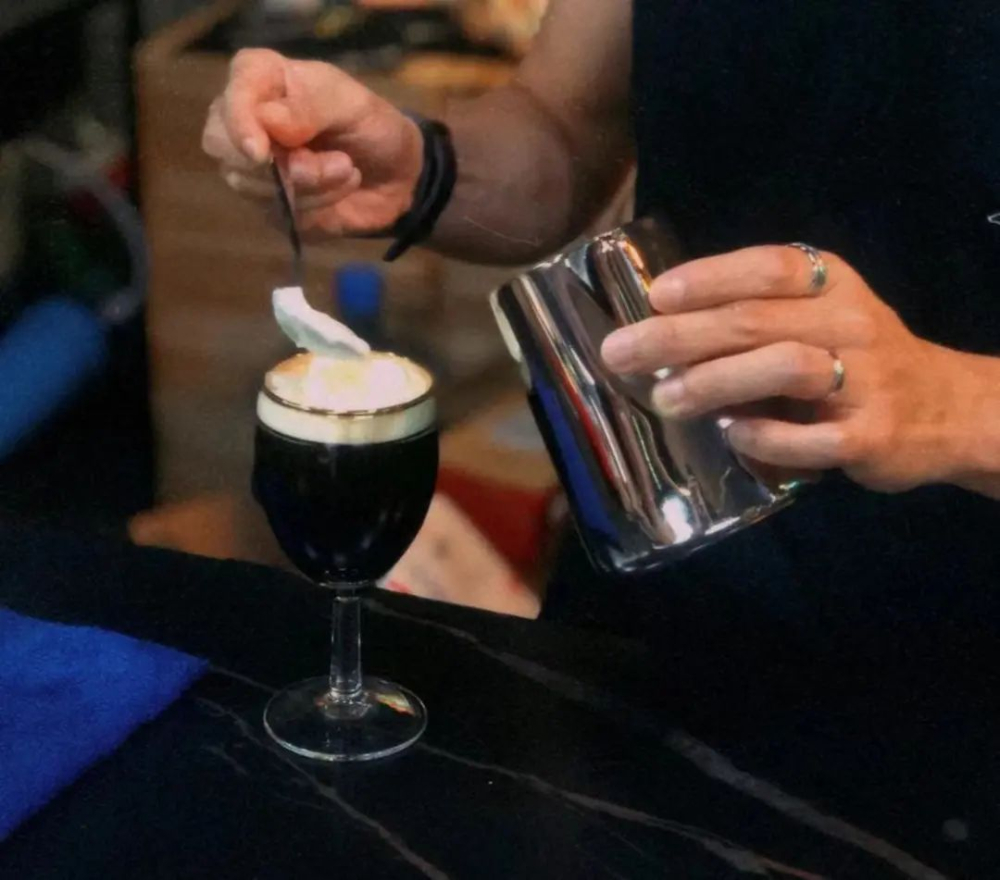
Then in 1950, an Irish bartender pioneered mixing whiskey with coffee, creating the timeless Irish Coffee. People began experimenting with other mixed beverages that could add richer layers and bigger impact while still preserving the taste of coffee. Though Irish Coffee is now a classic, it wasn't popular at launch—few could make it well—making it a serendipitous coffee cocktail rather than a widely available one.
The Rise of Milk-Based Coffee Variations
Since not everyone can build a delicious classic mixed coffee, and not everyone tolerates alcohol, countless "milk coffee" variations emerged to satisfy the craving for novelty while keeping coffee at the core. From traditional ice cream to plant-based milks to flavored syrups, mixed coffee has been inseparable from milk and sugar for decades.
Then, over the last decade, as coffee took off in China, these conventional mixes stopped satisfying the hunger for uniqueness, and Chinese-style specialty coffees appeared. The first wave was gentle: combining coffee with China's beloved tea drinks, keeping coffee's character while letting delicate tea fragrance come through.
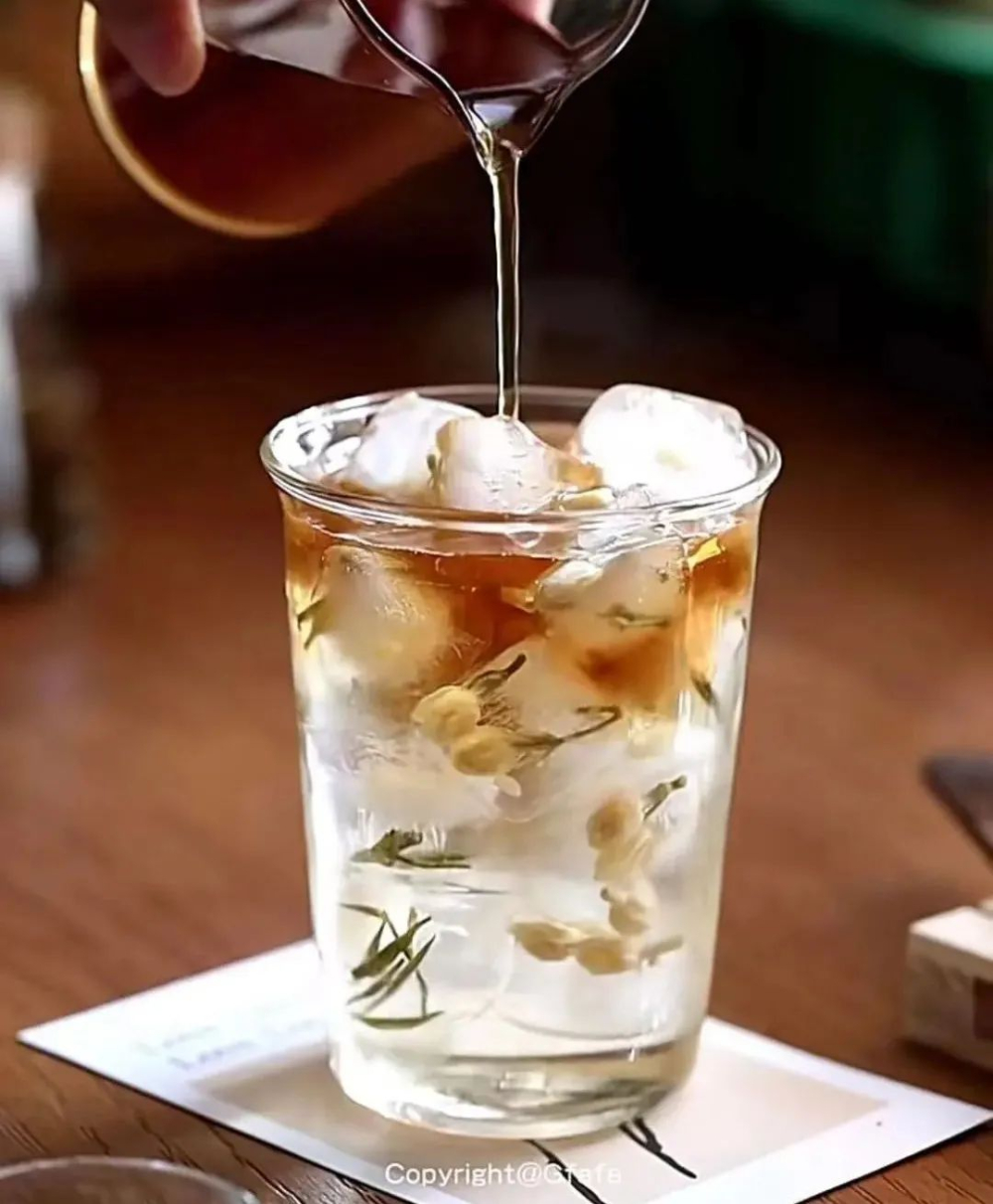
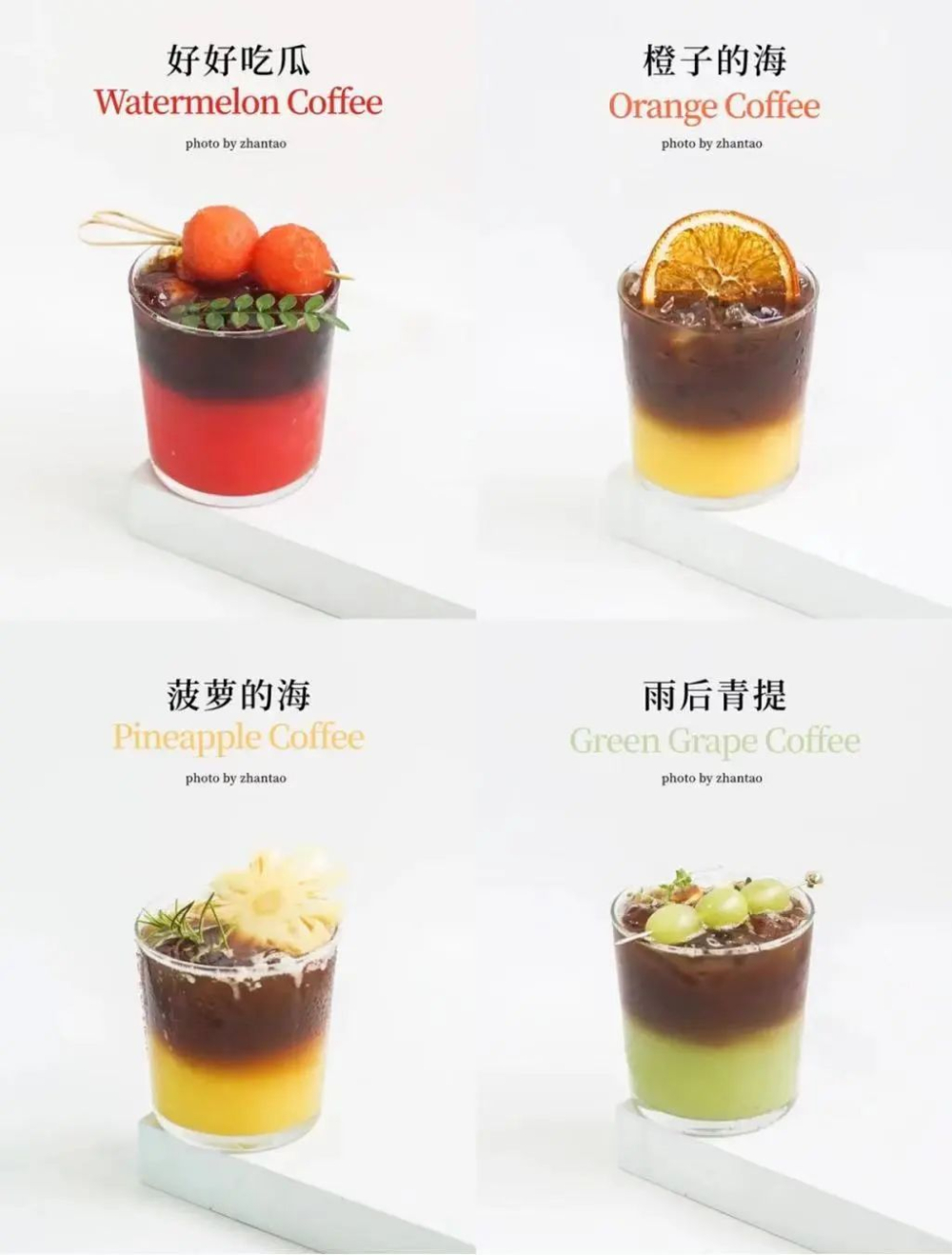
Soon that complexity no longer impressed, so fruits and juices entered the picture, giving specialty coffees distinct layers and a photogenic look. But as major chains launched juice-based creations one after another, the juice variety grew wilder—and coffee quietly became a supporting character in its own drink.
The Era of Abstract and Localized Coffee Creations
Juice wasn't enough, so abstract creations emerged: drinks named after bands or book titles, each expressing a barista's inner feelings inspired by some place, translated into fruits and spices. If you didn't get it, you didn't understand the coffee—and these abstract specials faded fast.
What followed was an era of creations everyone could immediately grasp. The fastest route to resonance? "Localization." Local flavors and ingredients collided with coffee: pickle Americano, tofu pudding latte, soy sauce latte, Sichuan peppercorn Americano... Ingredients with no obvious business being in coffee were creatively combined, opening new paths.
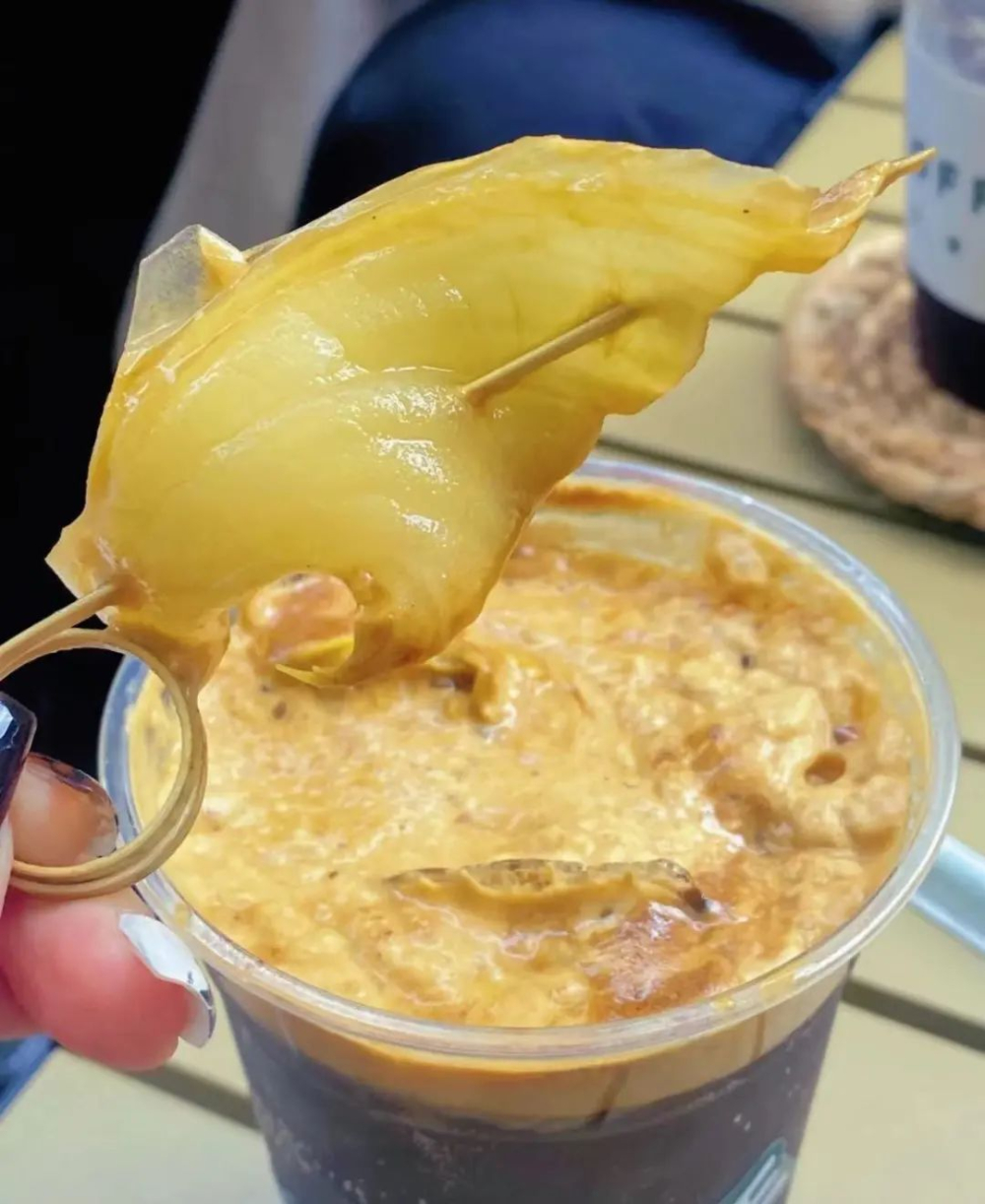
The Shift Toward Culinary Coffee Experiences
These gained attention, but still weren't photogenic enough! So for even more visual and gustatory impact, ever more bizarre combinations appeared: Chinese sausage specialty, pig's feet with ginger specialty, chilled rice dumpling specialty, sugar-coated hawthorn specialty... generally served with the matching ingredient so the coffee's overall flavor could blend with it.
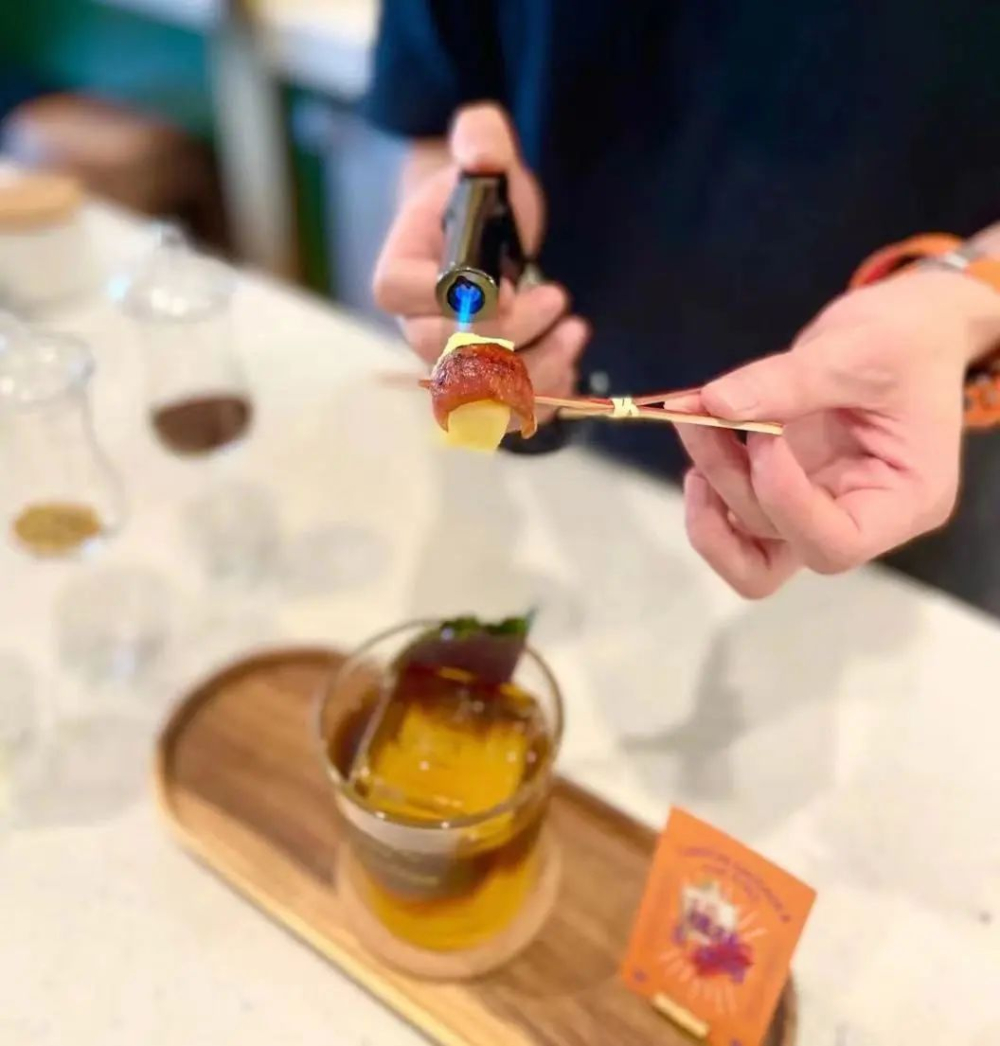
But token ingredients couldn't satisfy consumers' hunger. So came turtle jelly and goji berry latte, tofu pudding latte, pudding cup latte, fermented rice ball latte... They weren't afraid you wouldn't drink it—they were afraid you wouldn't be full! Coffee was no longer just coffee; specialty drinks had become dishes.
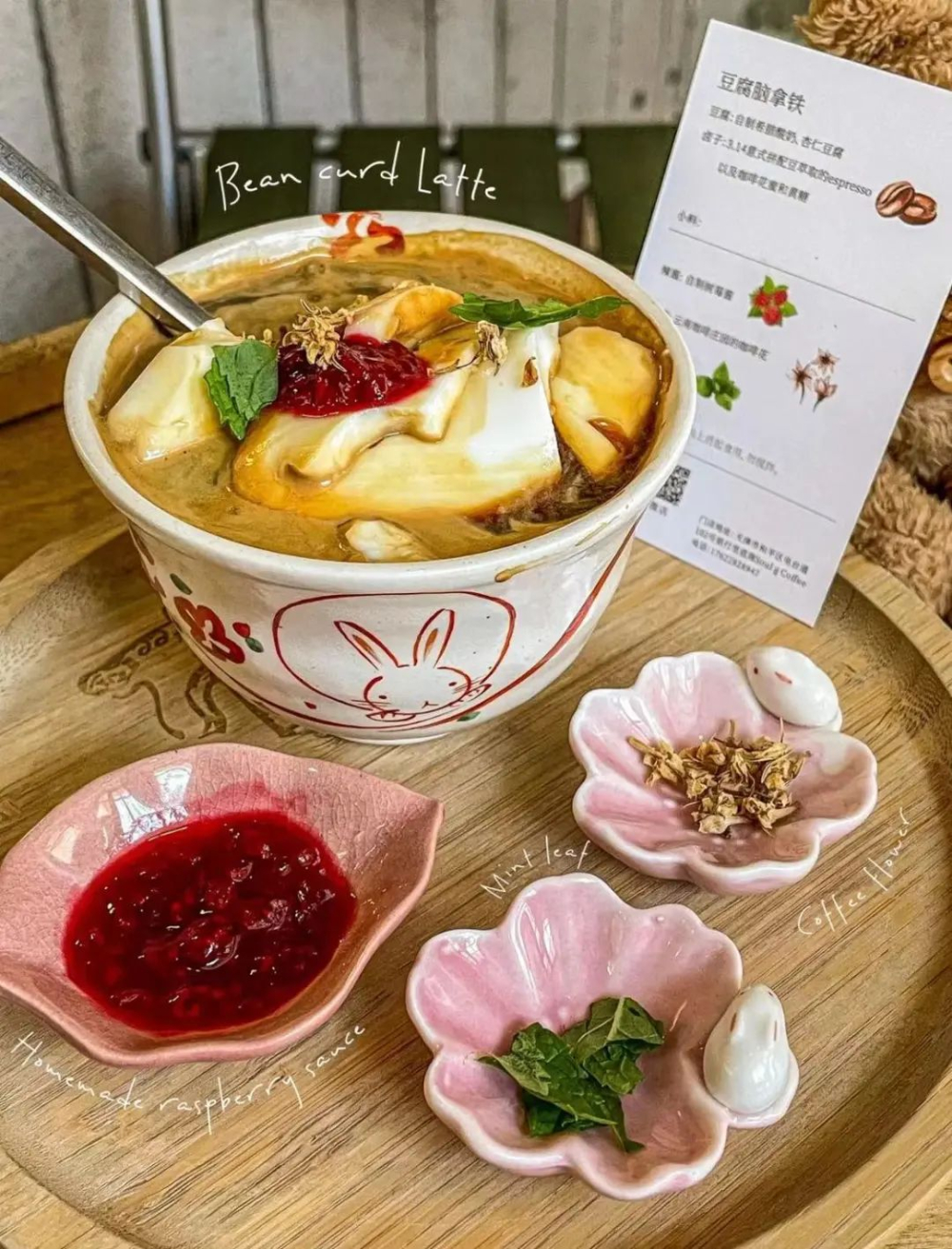
The Current State of and Reflection on Creative Coffee
Specialty coffee was originally meant to make coffee acceptable to those who didn't like it—yet today's creations contain coffee without tasting like coffee. Why? Some developers explain: public acceptance of coffee flavor is still weak. People need the caffeine and the social ritual, but don't want any bitterness and want something novel to talk about—so whether it tastes like coffee hardly matters.
Creative coffee is no longer about converting people to coffee; even the coffee-indifferent get curious about these bizarre inventions. That hasn't translated into love for the category, though—quite the opposite for some, who've grown wary... Some pairings clash violently with coffee's flavor; one sip leaves you with mixed emotions, and prices aren't cheap either, so people order specialty coffees with increasing caution.
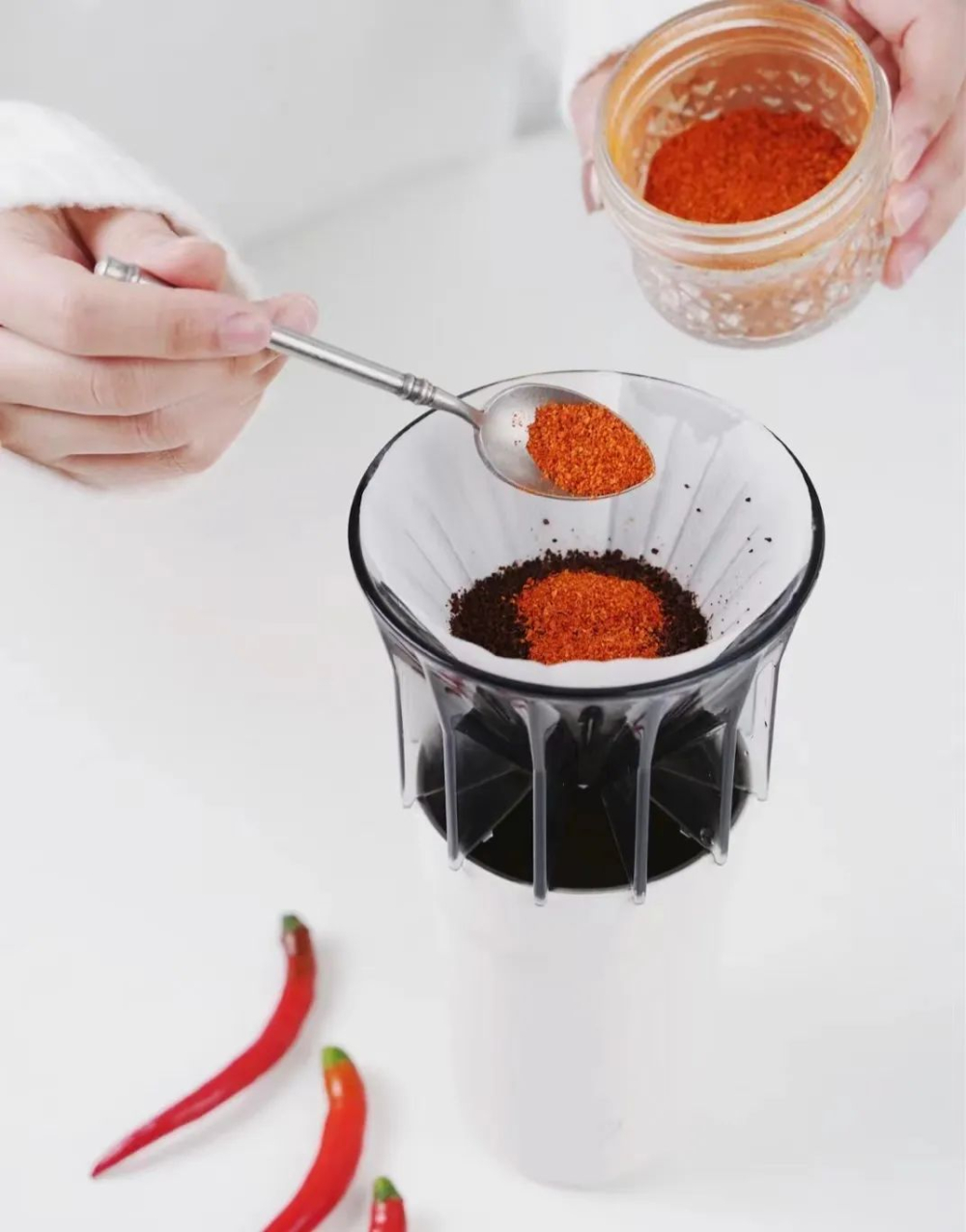
Listening to netizens discuss these drinks, it's clear the "genetic mutation" hasn't brought more people to coffee, and many question the pairings entirely. To boost appearance and novelty, flavor harmony was sacrificed—using inherently unreasonable combinations to create outrageous products that win one-time purchases from a small pool of customers.
Products without repeat purchases are destined to be replaced and forgotten. Developing a single creative coffee is expensive, and a long development cycle that never recovers its cost is simply a losing investment. Nobody remembers a coffee shop for a moment of traffic. Only by truly perfecting one product can good reputation accumulate.
Creative coffee can be a shop's signature or its stumbling block. Good reputation requires good products, and good creative coffee demands flavor harmony—built on genuine understanding of both the coffee and every ingredient involved. Never sacrifice the most important thing—taste—for appearance.
Image source: Xiaohongshu & Dianping
FrontStreet Coffee Recommendation
When creativity chases novelty at the expense of flavor, the antidote is going back to beans that simply taste good. For newcomers to specialty coffee, FrontStreet Coffee suggests starting with these entry-level favorites: Ethiopia's washed Yirgacheffe Guodingding—jasmine florals, lemon acidity, berry tones—or the natural Sidamo Huakui, brimming with berry, floral, jackfruit, melon and honey notes.
If you prefer low acidity and gentle sweetness, Brazil's Cerrado Red Bourbon delivers classic cream, peanut and cocoa flavors, and Panama's entry-level Boquete washed Gesha lets you taste authentic orange-blossom honey sweetness and layered citrus fruit without a collector's price tag.
Important Notice :
FrontStreet Coffee is a long-established specialty coffee roaster in Guangzhou China, selling freshly roasted beans from its own farm in Yunnan as well as dozens of carefully selected single-origin beans from around the world for both pour-over and espresso. The products deliver consistently excellent quality and great value, with shipping within 24 hours. Guangzhou's FrontStreet Coffee shop is recommended by many coffee lovers, and the beans are now available online at the Tmall 。
FrontStreet Coffee has moved to a new address:
FrontStreet Coffee Address: 315,Donghua East Road,GuangZhou
Tel:020 38364473
 Scan and follow the En Gafei WeChat official account. Please indicate that the reprint comes from "En Gafei".