Why Is Freeze-Dried Coffee So Popular? What's the Difference Between Instant Coffee and Freeze-Dried Coffee?
Understanding Freeze-Dried Coffee: Beyond the Instant Coffee Stigma
Freeze-dried coffee has enjoyed a real surge in popularity lately. In our café we often hear customers talking about it, and plenty of people who happily drink pour-over are also picking up trendy freeze-dried products just for variety. So what exactly is this freeze-dried coffee everyone's discussing? FrontStreet Coffee would like to share a little background.
Freeze-dried coffee is not actually a new product. Strictly speaking, it belongs to the instant coffee category. Yes - the one at the bottom of the "coffee chain of disdain," instant coffee.
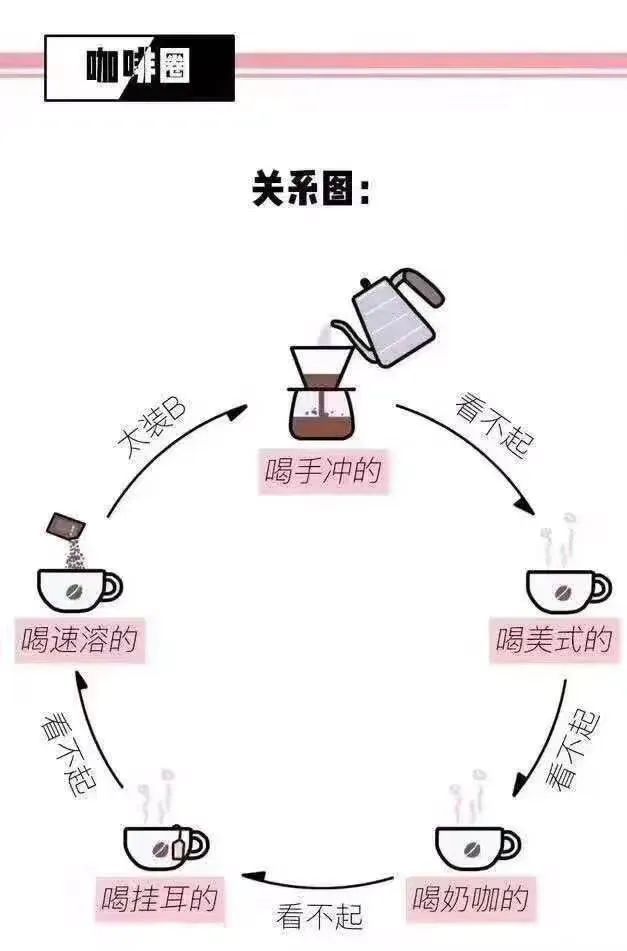
FrontStreet Coffee Note: Coffee has no inherent superiority or inferiority, and a "snobbery chain" shouldn't exist. However, it does exist in reality and must be acknowledged.
The History and Technology of Instant Coffee
Which brings us to the history and technology of instant coffee. The moment we consider instant coffee to have officially appeared was 1901, when Japanese-American chemist Satori Kato and his team in Chicago created coffee powder by vacuum-drying a coffee solution.
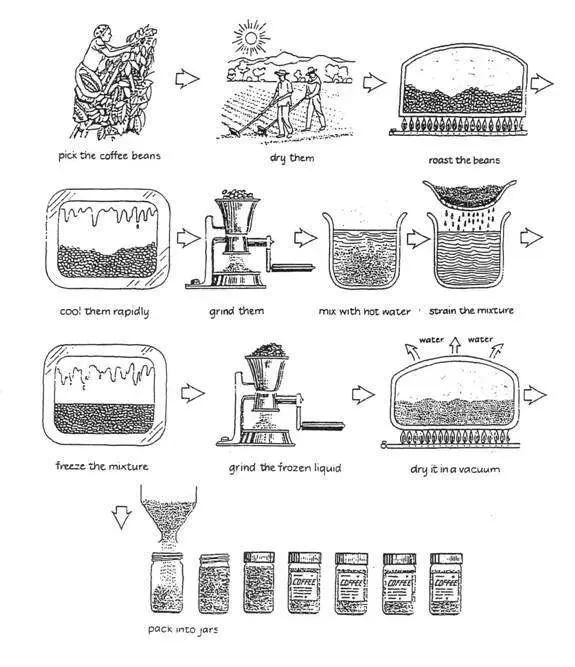
It wasn't until 1937 that Nestlé invented the "spray drying method" for producing instant coffee, laying the foundation for the processes that followed. The method rests on heat drying. First, roasted coffee beans are dissolved in water to extract coffee solids - essentially industrial-scale coffee brewing. The coffee liquid is then sprayed through nozzles into countless tiny droplets that enter a high-temperature drying chamber, letting the water evaporate easily and leaving behind powdered solid instant coffee.
This production method costs relatively little and became the mainstream instant coffee process. Because of the high-temperature treatment, many coffee flavors are lost, leaving only a very bitter coffee taste. That's why it's often used for "2-in-1" and "3-in-1" products and for price-competitive "instant black coffee." It usually appears as a powder.
The Freeze-Drying Process
There is also a more expensive production method: freeze-drying. Don't be misled by the recent popularity of freeze-dried coffee - this technology has been around for decades. The standard procedure still uses hot water to dissolve coffee solids, but at a much stronger concentration than typical brewing - around a 65% concentration extract. In fact, it doesn't look like coffee liquid at all, but rather like chocolate syrup.

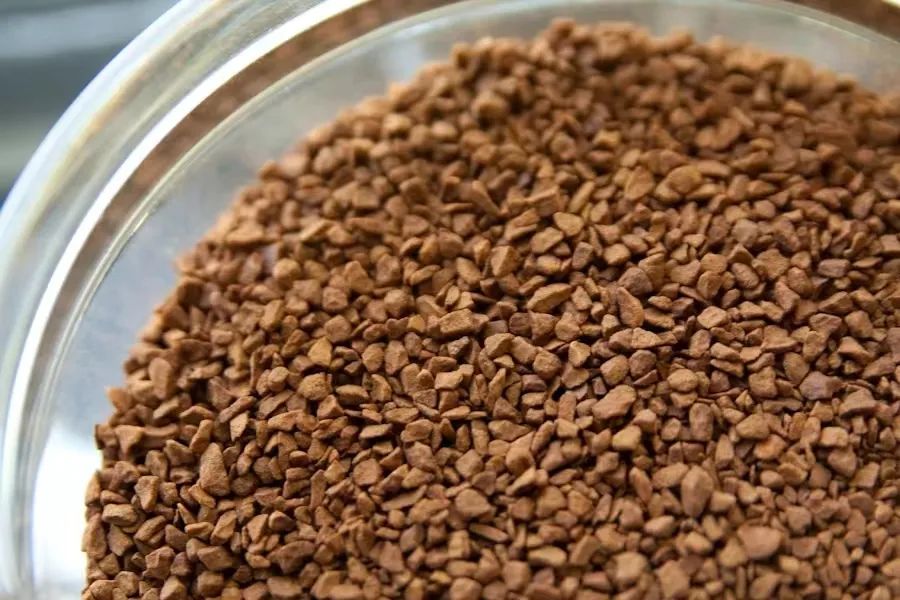
These extracts are then placed in a -5°C environment to condense until paste-like, after which they're transferred to a freezing chamber at -40 to -50°C. Once the coffee solids have hardened into blocks, they're broken into small particles of 2-3mm. This is why freeze-dried coffee typically comes as small granules rather than powder.
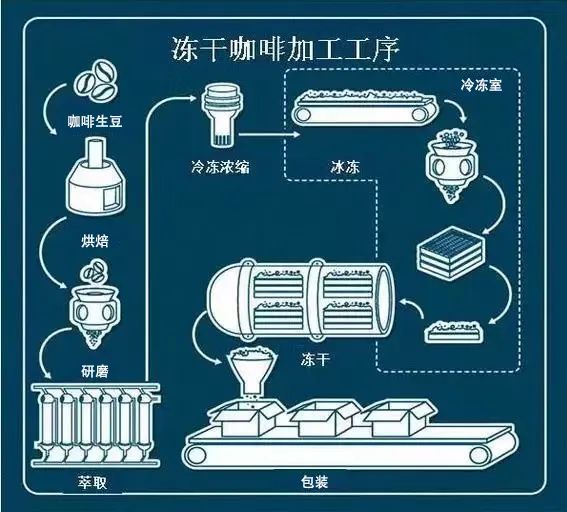
The final step sends these particles into a vacuum drying chamber for heat drying. Under vacuum, water sublimates rather than liquefies when heated. The resulting dried coffee particles become freeze-dried coffee.
Products such as Nestlé's freeze-dried instant coffee powder and UCC's 114 and 117 are made this way. Freeze-drying costs more but preserves coffee flavors better, so these products are more expensive too.
The Evolution of Instant Coffee
At this point we seem to have our answer. Instant coffee is often defined by coffee enthusiasts as sitting at the bottom of the "snobbery chain" because its raw materials and production processes yield poor flavor, and long-standing stereotypes make it hard to associate the term with good taste. Instant coffee dressed up as "freeze-dried coffee" has therefore broken out of that stigma.
Today's coffee market generally pursues flavor, and instant coffee has to evolve and upgrade as well. Where Robusta beans were once the common raw material, some manufacturers now emphasize using 100% Arabica. Freeze-drying technology has improved too: it once required coffee liquid dissolved in hot water, but cold brew freeze-drying now exists and preserves coffee flavors better.
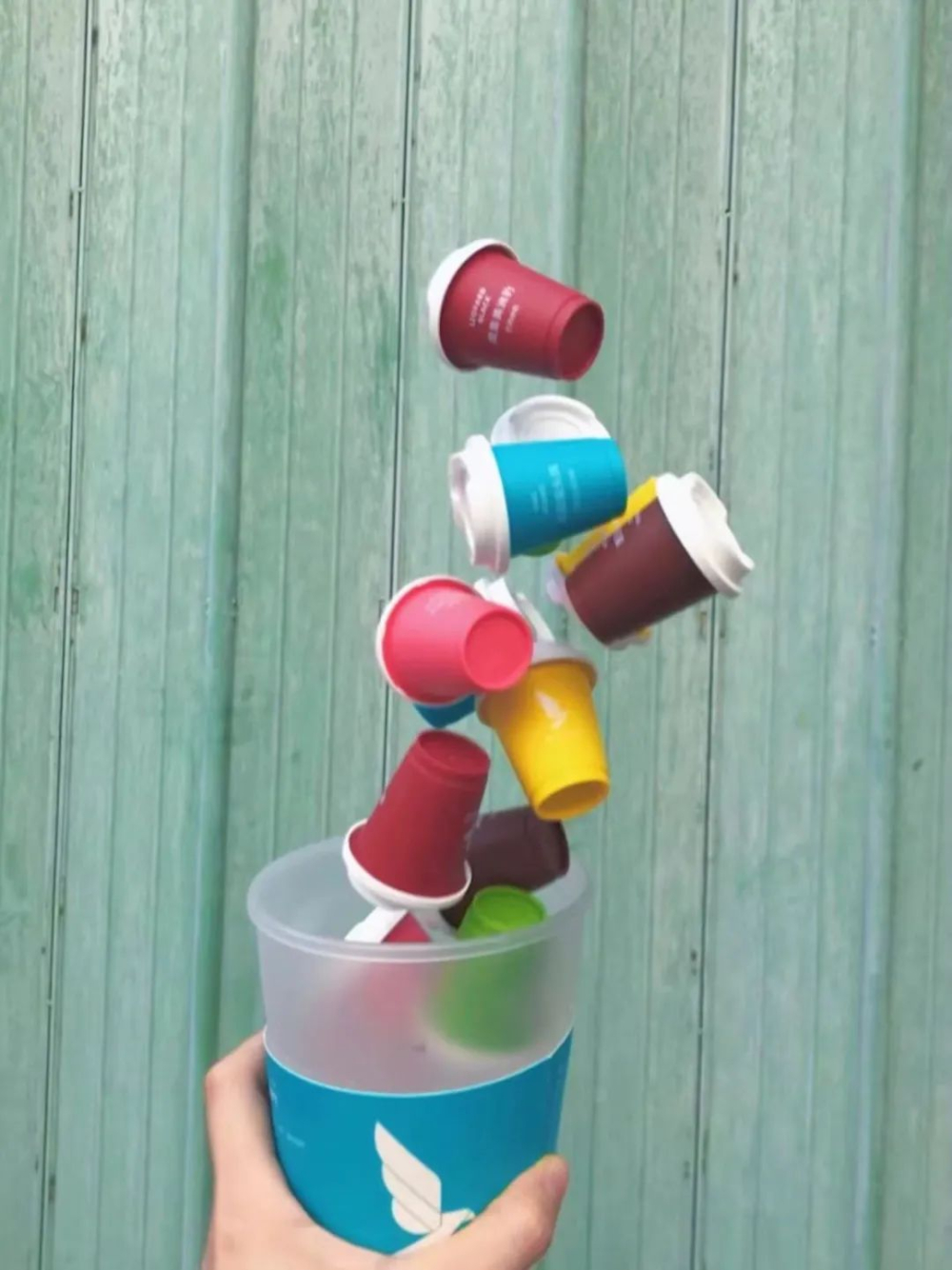
In appearance, 2-3mm granules are no longer the standard - some freeze-dried coffees are ground into shiny powder crystals. Packaging has evolved as well, with many brands introducing clever single-serving small cans. All of this helps the public disassociate the product from instant coffee and shed the stigma.
FrontStreet Coffee Recommendation
If freeze-dried coffee has made you curious about what coffee can really taste like, whole beans are the logical next step - and the difference is most obvious in pour-over. FrontStreet Ethiopia Yirgacheffe Gedingding is where many drinkers begin: bright citrus, berry, and floral aromas with a green-tea sweetness, and an acidity that is soft and bright rather than sharp. It's a very easy entry point for someone new to pour-over.
FrontStreet Ethiopia Huakui takes fruit further, with tropical aromas of strawberry, passion fruit, jackfruit, and lychee, along with obvious sweetness and very little bitterness. It's smooth, full of juice, and often described as the coffee that doesn't taste like coffee - the kind of cup that changes people's fixed idea about the drink. For the classic floral-and-citrus benchmark, FrontStreet Panama Esmeralda Red Label Geisha delivers elegant jasmine, citrus, bergamot, and black tea notes with a clean, transparent body and a long finish.
Important Notice :
FrontStreet Coffee is a long-established specialty coffee roaster in Guangzhou China, selling freshly roasted beans from its own farm in Yunnan as well as dozens of carefully selected single-origin beans from around the world for both pour-over and espresso. The products deliver consistently excellent quality and great value, with shipping within 24 hours. Guangzhou's FrontStreet Coffee shop is recommended by many coffee lovers, and the beans are now available online at the Tmall 。
FrontStreet Coffee has moved to a new address:
FrontStreet Coffee Address: 315,Donghua East Road,GuangZhou
Tel:020 38364473
 Scan and follow the En Gafei WeChat official account. Please indicate that the reprint comes from "En Gafei".