Is Salt Better Than Sugar in Coffee?! Science or Nonsense?
In the Greek film "A Touch of Spice," there's a line: salt is the soul of the earth, of life, and of food. Because life needs food—and salt makes food more delicious.
Coffee is no exception.
Salt in coffee—does it sound strange? Compared with adding milk or sugar to soften bitterness, salt does something subtler: it reduces coffee's bitterness and balances the cup, enhances its sweetness, and can even bring out its aromas.
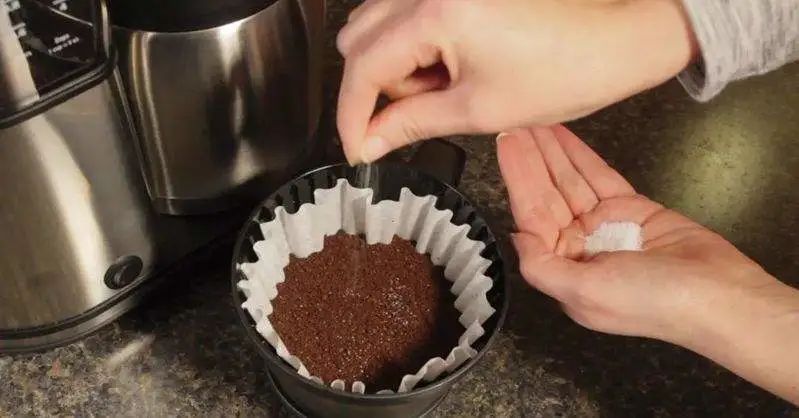
This is hardly a new fad. Salting coffee has a long history. Northern Scandinavia, Turkey, Hungary—even Siberia—all added small amounts of salt to their coffee, and the "salty coffee tradition" is believed to have originated in European coastal regions.
Cultural Traditions of Salty Coffee
In Turkey, before marriage, the prospective groom and his family visit the bride's home. By local tradition, the bride prepares coffee for them with a small pinch of salt to soften the bitterness that comes from brewing at high temperature.

If the future husband drinks it with a satisfied expression, the relationship is believed to be off to a good start. In northern Scandinavia, people have salted their brewed coffee for decades, and in European coastal regions, brackish water with high salt content was often used to make coffee.
The Historical Origins of Salty Coffee
Why did salting coffee arise at all, when sugar masks unpleasant flavors better? Because before the mid-19th century, sucrose in Europe was a luxury only the aristocracy could afford. Ordinary people wouldn't dream of seasoning food with sugar—when food tasted bad, they reached for seawater or salt.

Besides, the beans shipped to Europe in those days were poor quality, and brewing was crude: roasted until dark, ground fine, dumped straight into a pot of water, boiled, and served. Bitterness was inevitable.
But excessive bitterness is hard to swallow, so people experimented with whatever seasonings could tame it. Find something that works, tell the neighbors: "Hey! Adding this makes it taste better!" Salt became the adjustment of choice simply because it was the most available seasoning—so only salting spread widely.

Nobody back then researched why salt improved coffee—they just passed along what worked. Even today many people still salt their coffee: partly out of habit and tradition, partly because they've noticed it doesn't just cut bitterness but naturally draws out coffee's sweetness while preserving its aroma.
Scientific Validation
In 2009, food science expert Alton Brown recommended salting coffee on his cooking show "Good Eats." For every cup of water with two teaspoons of grounds, he said, add half a teaspoon of salt to neutralize the bitterness. "Salt not only eliminates bitterness, it also alleviates the 'stale' taste (off-flavors) in stored water." Later, scientific studies on salt and coffee bitterness confirmed that an appropriate amount of salt doesn't make coffee taste salty—and is more effective than sugar at neutralizing bitterness.
Sources of Coffee Bitterness
Most coffee bitterness comes from two compounds: chlorogenic acid lactones and phenylindanes. Both form during roasting as chlorogenic acids break down. Light to medium roasts taste bitter mainly because of chlorogenic acid lactones. As roasting lengthens and beans darken, phenyl compounds accumulate—and the more phenylindanes, the sharper and more persistent the bitterness.
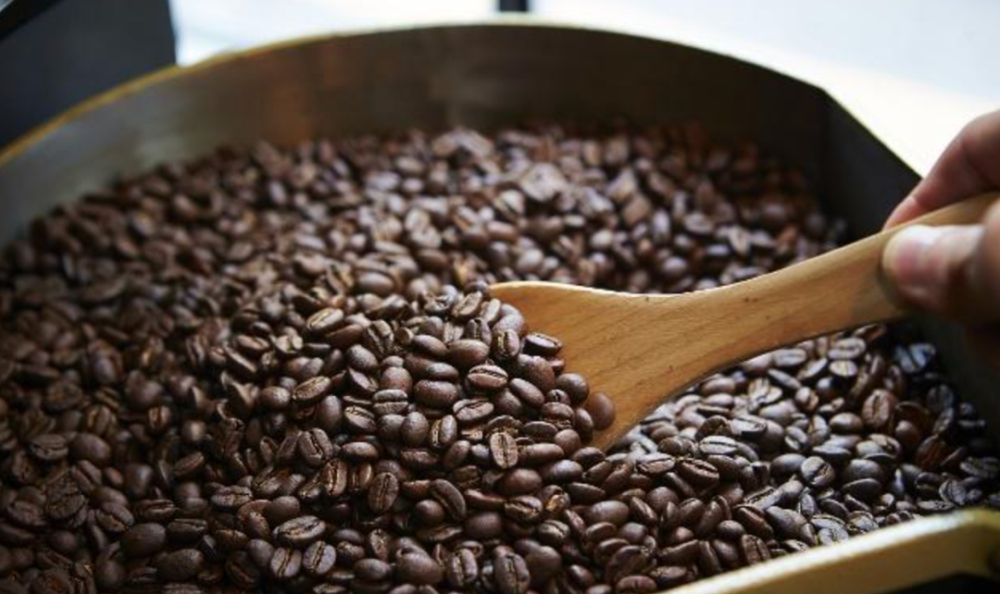
Extraction matters too: water that's too hot, too fine a grind, too low a coffee-to-water ratio, or too long an extraction all push bitterness up.
Why Salt Reduces Bitterness
Unlike sweet, sour, salty, and umami, bitterness isn't sensed by ordinary taste receptors: taste buds release calcium ions, which send "bitter" signals to the brain and activate bitterness receptors. Salt (sodium ions) activates the salt receptors instead. When sodium binds to salt receptors on the tongue, it inhibits our perception of bitterness.
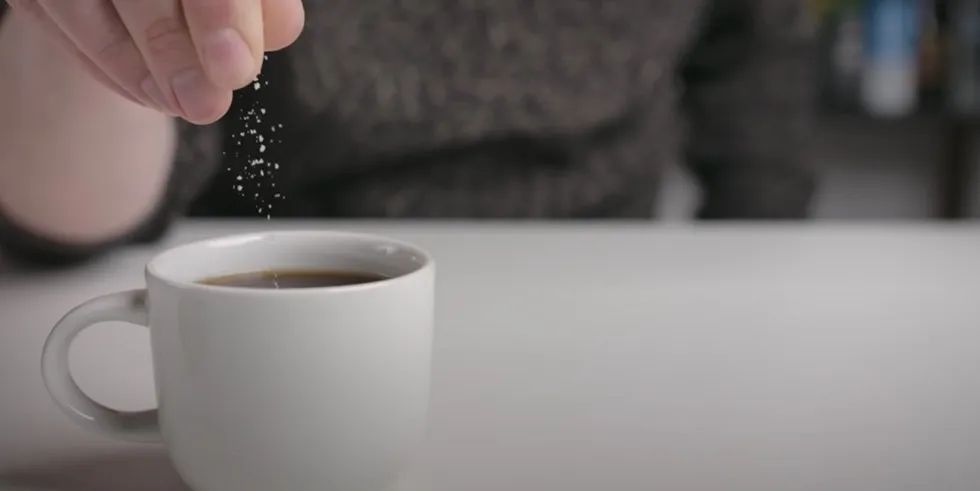
Sodium doesn't "eliminate" calcium ions—the two coexist and create a cross-sensory effect that suppresses bitterness while sharpening perception of other tastes, sweetness included. So the right pinch of salt makes coffee neither salty nor bitter—and makes its sweetness more pronounced.
How to Add Salt to Coffee
Salt the grounds before extraction, or the finished cup? There's no hard science either way—like the pioneers, it comes down to preference. Since sensitivity to bitterness varies from person to person, we recommend salting the brewed coffee: taste first, judge the bitterness, then add small amounts repeatedly until it hits your personal perfection.
If you'd rather have a number, coffee authority Scott Rao suggests 0.15g of salt per 100g of brewed coffee—for espresso and drip alike—for the best taste.

When Not to Add Salt
Not every coffee deserves salt. It can rescue a "failed" brew and mute unpleasant flavors—but if the coffee itself has no harsh bitterness and beautiful layers of flavor, salt will genuinely ruin it.
When good beans meet proper brewing, bitterness shows up in the right proportion. When sweet, sour, and bitter reach balance, bitterness becomes genuinely pleasant.
Salting coffee still sounds odd, but curiosity drives people to take "risks"... I suspect you're already heading to the kitchen for the salt shaker, ready to deliberately—or accidentally—ruin your next brew.

Image source: Internet
FrontStreet Coffee Recommendation
If your coffee needs salt to taste sweet, maybe it's time for beans with real sweetness. FrontStreet Coffee's Costa Rica Black Honey (the "Blackberry" lot) is a high-altitude single origin dried with its mucilage fully intact—the deepest fermentation and highest sugar of all honey processes—roasted medium-light for sweet florals, grape, sweet orange, and liqueur-chocolate notes.
For naturally sweet, bitterness-free cups, try the Brazil Fazenda Rainha: medium roasted Yellow Bourbon with roasted peanut, dark chocolate, and sugarcane sweetness and a lingering return of sweetness. Or the Zhongfenxian (Dividing Line) estate Sidra: grape, apricot and passion-fruit candy sweetness with a winey finish—sweet enough that you'll never reach for the salt.
Important Notice :
FrontStreet Coffee is a long-established specialty coffee roaster in Guangzhou China, selling freshly roasted beans from its own farm in Yunnan as well as dozens of carefully selected single-origin beans from around the world for both pour-over and espresso. The products deliver consistently excellent quality and great value, with shipping within 24 hours. Guangzhou's FrontStreet Coffee shop is recommended by many coffee lovers, and the beans are now available online at the Tmall 。
FrontStreet Coffee has moved to a new address:
FrontStreet Coffee Address: 315,Donghua East Road,GuangZhou
Tel:020 38364473
 Scan and follow the En Gafei WeChat official account. Please indicate that the reprint comes from "En Gafei".