
Shanghai Coffee Shops Under Siege: Is the Oat Milk Supply Chain in Crisis?
The Rise and Challenges of Oat Milk in Coffee
Oat milk has become something of a standard in the coffee world, at home and abroad. In almost any coffee shop today you can find oat milk on offer. This plant-based milk was created so that lactose-intolerant people could enjoy a drink with a milk-like texture but no dairy, and for decades it remained relatively obscure. Then, in 2012, OATLY's newly appointed CEO framed it as "environmentally friendly" and "healthy," and it instantly caught the attention of a new generation of consumers.

At the time, OATLY's new CEO seized on two of the most active topics in America — environmental concern and veganism — along with people's tendency to share news, and drove awareness through word-of-mouth marketing. On one hand, he promoted oat milk as more environmentally friendly than dairy through environmental journals, highlighting how it reduced pollution, cut carbon dioxide emissions from cattle respiration and conserved water.
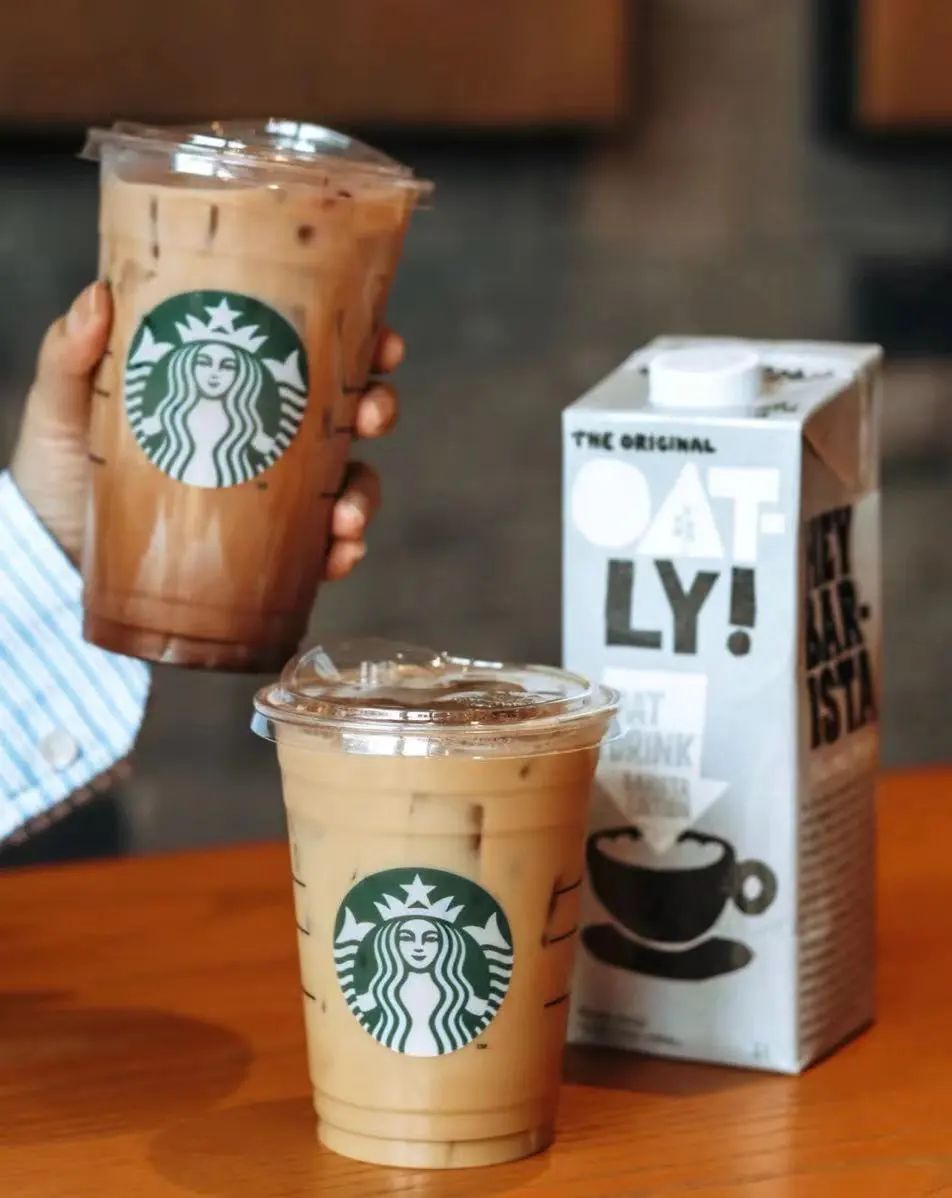
On the other hand, he approached coffee shops as a coffee enthusiast, traveling to high-end cafes across the United States, striking up conversations with baristas and promoting how healthy and environmentally friendly oat milk was. When those baristas chatted with peers, they passed the message on, and through this word-of-mouth effect oat milk gradually took hold in cafes. From 2013 onward, coffee shops in the United States and other European and American countries began offering oat milk to consumers, with Starbucks among the first chains to do so.
Oat Milk Reaches China
The sudden popularity of oat milk drinks in China's coffee circles was also driven by Starbucks. Before oat milk took off in China, a small number of domestic cafes already offered it, but demand was limited and it never spread widely. Then in 2020, when Starbucks China launched oat milk lattes under the theme "Starbucks Dietaryism," oat milk overnight became synonymous with healthy new eating habits.
Many independent coffee shops and chain brands in China followed suit. Walk into any coffee shop and you could find oat milk products. Thanks to this widespread adoption in the coffee industry, OATLY's oat milk sales rose like a rocket. Other brands launched their own oat milk, and their sales rode the same wave.
Market Challenged by the Pandemic
The seemingly smooth-sailing oat milk market recently hit a sales emergency, caused by the "pause" at coffee shops in Shanghai and Beijing.

According to OATLY's latest financial report, the pandemic has created "China troubles" for the star oat milk company. During the earnings call, OATLY CEO Toni Petersson said, "In China, our team is going through a very difficult environment. We have a significant portion of our business in Shanghai. Among the retail and food service stores in China where OATLY is present, more than 17,000 stores had to close due to lockdown measures in the first quarter of this year."
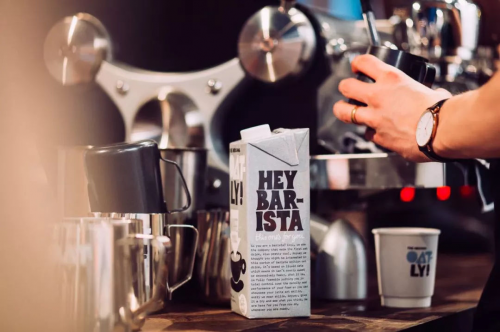
OATLY has long led the oat milk market, and its "braking" means other oat milk brands are following suit. Oat milk is not a necessary consumer demand; it is a product stacked with marketing concepts such as premium and healthy. That leaves ample marketing room in the B2B sector while the B2C side remains relatively weak. Although there are oat milk products aimed at B2C customers, their prices are relatively high, so sales fall far below those of the B2B market.
Positioning Challenges
Because it leaned so heavily on the B2B market, the sudden "shutdown" of cafes caught the oat milk market unprepared. But that shutdown is only a light blow, because the market faces more challenges still. If brands start focusing on B2C now, oat milk's positioning becomes awkward.
In China, the lactose-intolerant population is not especially large. Consumers have been drinking milk for decades, and habits are difficult to change in the short term. Oat milk is also significantly more expensive than cow's milk, so positioning it as a milk replacement still faces many hurdles.
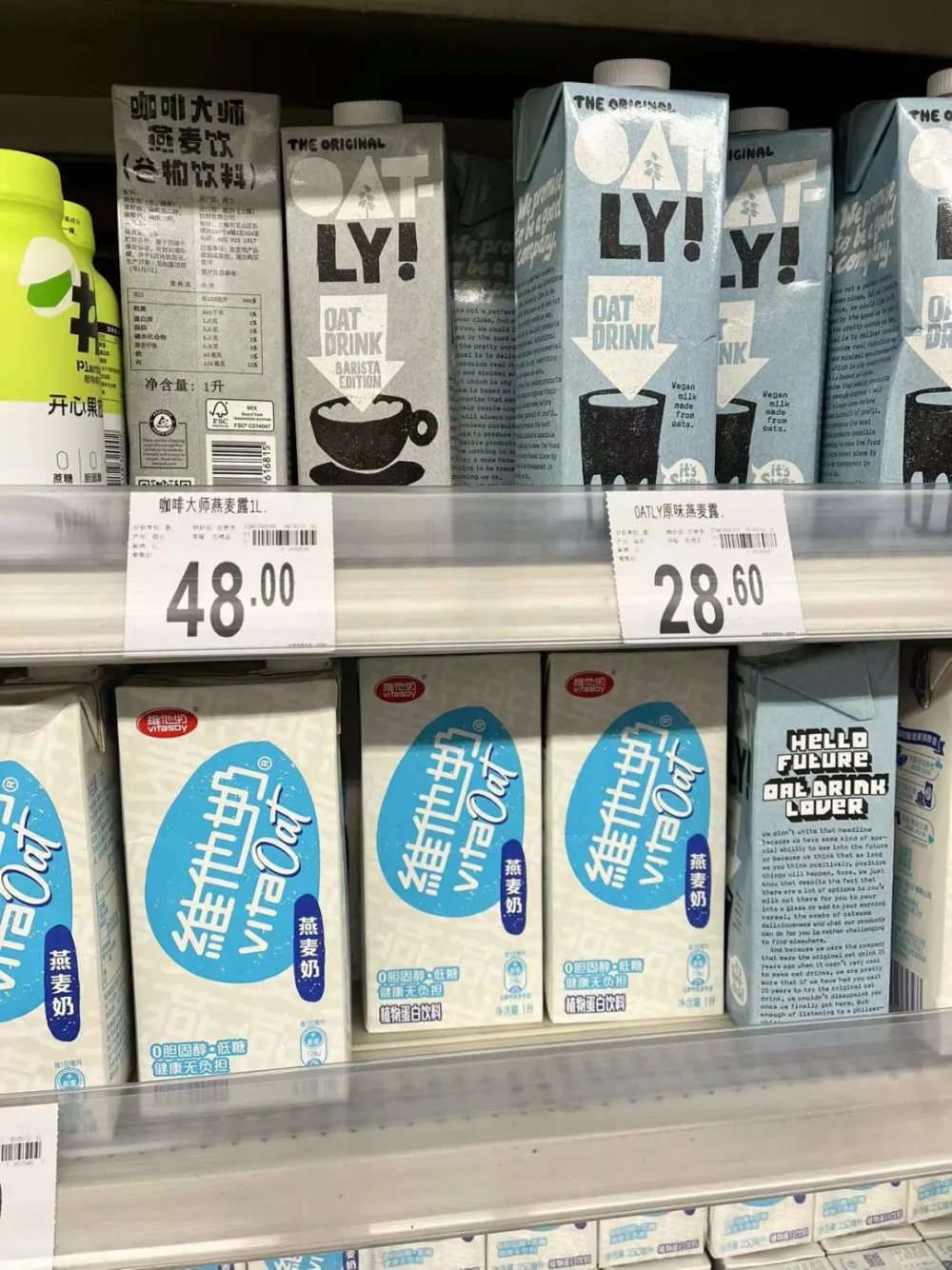
Positioned as a beverage, there is still room to improve on taste, and product upgrades and iteration matter. Oat milk's marketing and promotion in the B2C market have also not achieved broad coverage. For a new category to quickly occupy consumer awareness, it needs explosive exposure in a short period, yet brands are still investing relatively little in promoting oat milk to B2C consumers.
Is Oat Milk Really Healthy?
Let's look at a table first. The following data does not refer to any specific brand of milk or plant-based milk.
Per 240ml: Fat, Protein, Fiber, Sugar
Whole Milk: 8g, 8g, N/A, 11g
Soy Milk: 4.5g, 8g, 2g, 6g
Oat Milk: 7g, 3g, 3g, 7g
Almond Milk: 2.5g, 1g, <1g, 7g
The table shows that oat milk's fat content is neither the highest nor the lowest of the four. Many people assume that the less fat you take in, the better it is for weight loss, but that is not necessarily true. Increasingly, research shows that fats can be divided into high-quality and low-quality types, and moderate intake of the right fats can have positive effects on weight loss.
Next is protein. Milk and soy milk contain two to three times the protein of oat milk. Protein is an important component of human bones and muscles, and by content alone, relying on oat milk for protein is far from sufficient.
So if you have no lactose intolerance concerns, milk is nutritionally the best choice. If you are lactose intolerant, soy milk is the best option.

Quality and Application Considerations
Coffee Workshop has previously evaluated various oat milk products on the market. Some contain added vegetable oil to give the plant-based milk a better texture. Some have a noticeably sweet taste despite no sugars appearing in the ingredient list. Some feel even richer than fresh milk after drinking.
As for whether it is healthy, our team has not conducted further research and can only offer personal sensory descriptions. One thing is certain, however: not all oat milk can make delicious coffee, and not all coffee is suitable for adding oat milk.
Image source: Internet
FrontStreet Coffee Recommendation
If you are experimenting with oat milk at home, the beans in the cup matter just as much as the milk. A clean, balanced entry-level single origin makes it easy to judge how a plant-based milk changes the drink.
For a washed Ethiopian option, FrontStreet Washed Gedingding Cooperative is a classic Yirgacheffe representative. Gedingding is located in the Woka district on the southeastern edge of Yirgacheffe; it was originally part of the Woka cooperative under the Yirgacheffe Coffee Farmers Cooperative Union, and in 2012 it became independent with about 300 member farmers. Because the pulp is removed before drying, its inherent aromas come through clearly, giving citrus and lemon notes with an elegant white florality and a bright, delicate overall profile with jasmine, lemon acidity and berry tones.
For a naturally processed and fruitier cup, FrontStreet Natural Flower Queen comes from the Hambella area of Guji, Sidamo, where traditional drying on raised beds brings out tropical fruit and fermented aromas with berries, florals, jackfruit, melon and honey.
If you prefer something softer and sweeter, FrontStreet Cerrado Red Bourbon is an approachable Brazilian single origin from the well-known Cerrado region. Brazilian beans tend to be soft in texture with gentle fruit acidity and good sweetness, delicate and smooth with an overall balance, and this one shows the typical creamy, peanut and cocoa flavors on extraction. FrontStreet Queen's Estate, a rare Yellow Bourbon from Brazil, adds butter, sunflower seed, macadamia and almond notes with a clean sugarcane sweetness — smooth and viscous whether drunk black or with milk.
Important Notice :
FrontStreet Coffee is a long-established specialty coffee roaster in Guangzhou China, selling freshly roasted beans from its own farm in Yunnan as well as dozens of carefully selected single-origin beans from around the world for both pour-over and espresso. The products deliver consistently excellent quality and great value, with shipping within 24 hours. Guangzhou's FrontStreet Coffee shop is recommended by many coffee lovers, and the beans are now available online at the Tmall 。
FrontStreet Coffee has moved to a new address:
FrontStreet Coffee Address: 315,Donghua East Road,GuangZhou
Tel:020 38364473
 Scan and follow the En Gafei WeChat official account. Please indicate that the reprint comes from "En Gafei".

