What is the Ideal Extraction Time for an Espresso Machine? Requirements for Standard Espresso Coffee
When brewing any coffee, one parameter is unavoidable: extraction time. Compared with other methods, espresso has far stricter requirements for it.
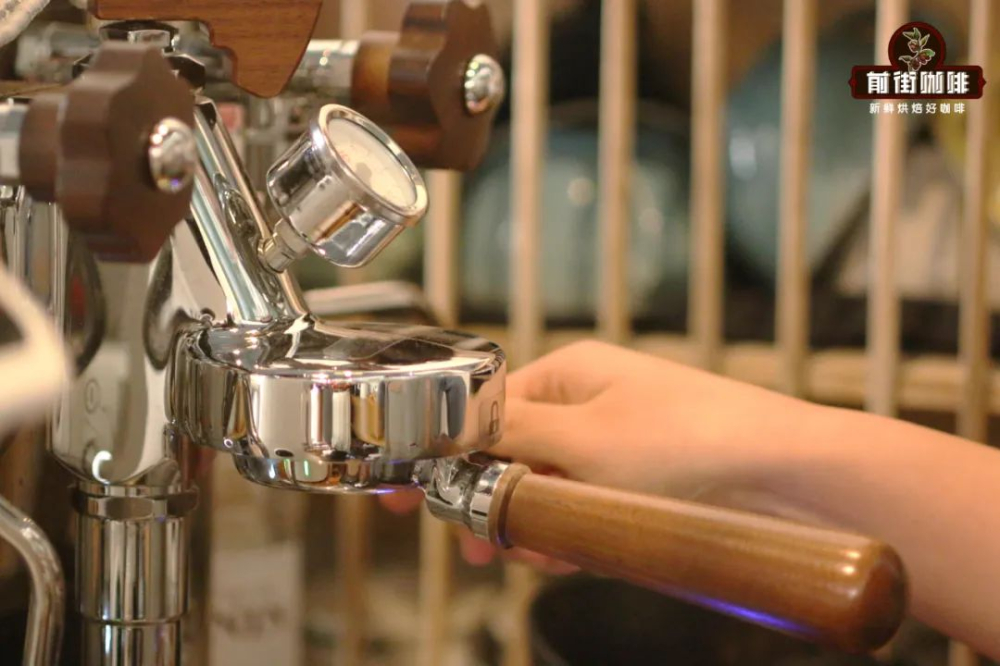
That's because espresso extraction is relatively short, and every second makes a difference. Extraction time is therefore a crucial parameter for espresso.
Generally, with other parameters unchanged, a shorter extraction time dissolves fewer coffee compounds and a longer time dissolves more. Anyone familiar with Golden Cup theory knows that more dissolved solids aren't necessarily better — there's an optimal range.
Traditional Espresso Standards
Some very old espresso textbooks put it this way: one shot of espresso is extracted from 7-9g of coffee to yield about 1 ounce of liquid; a double shot uses 16-18g with a split portafilter to extract two 1-ounce cups. Whether single or double, extraction time should fall within 20-30 seconds.
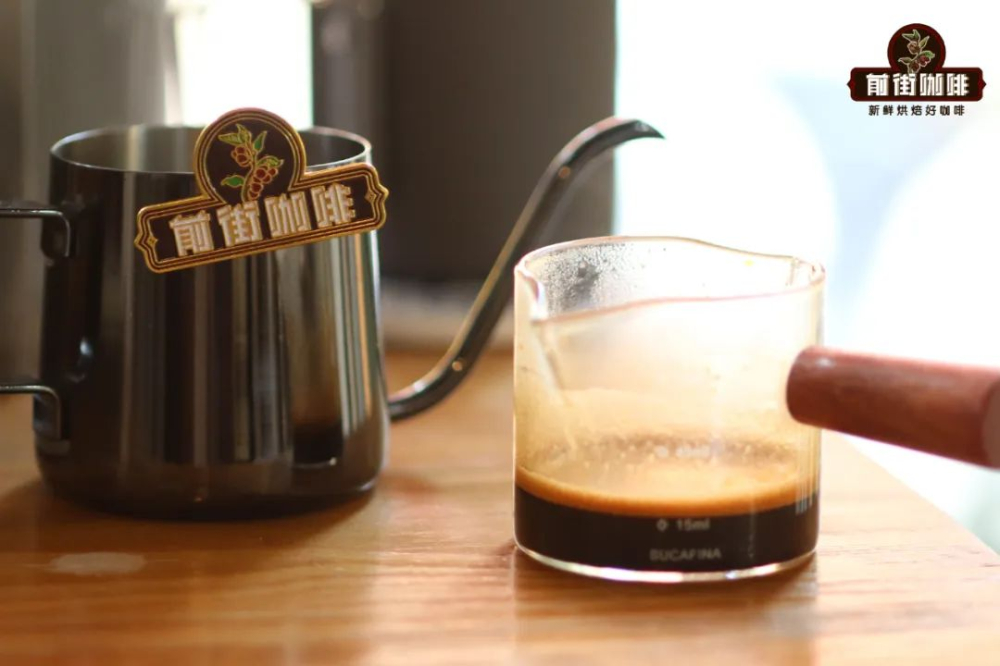
Few people follow this formula completely today, because times have changed. The most obvious change is that bean quality has improved, roasts aren't as dark as before, and coffee has become more "extraction-tolerant." Following the old formula would actually produce poor flavor.
Modern Espresso Extraction Standards
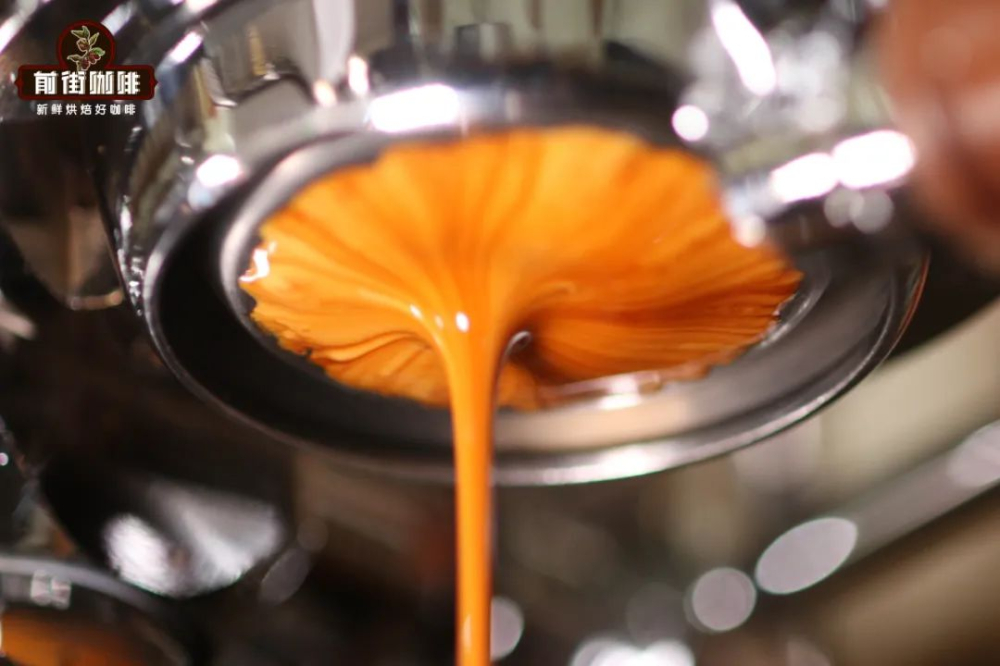
Current standards are more precise: 1) double baskets are used as the extraction unit; 2) espresso liquid is measured by weight, not volume; 3) the coffee-to-liquid ratio trends toward 1:2; 4) extraction time leans toward 25-30 seconds.
Under current parameters, fixing the ratio at 1:2 and keeping extraction time within 25-30 seconds by adjusting grind size and dose is the fastest way to dial in espresso. The time data also hints at the general flavor direction. For example, under 25 seconds might yield thin, weak espresso with prominent acidity; over 30 seconds might lean toward burnt, bitter, or harsh flavors.
Time as an Indicator of Consistency
Time is also an indicator of whether your extraction recipe is stable. Once we dial in parameters we think taste good, we extract 2-3 shots in a row with them. If the time variance is within 1 second, the parameters are considered stable; if variance exceeds 1 second, they need readjusting.
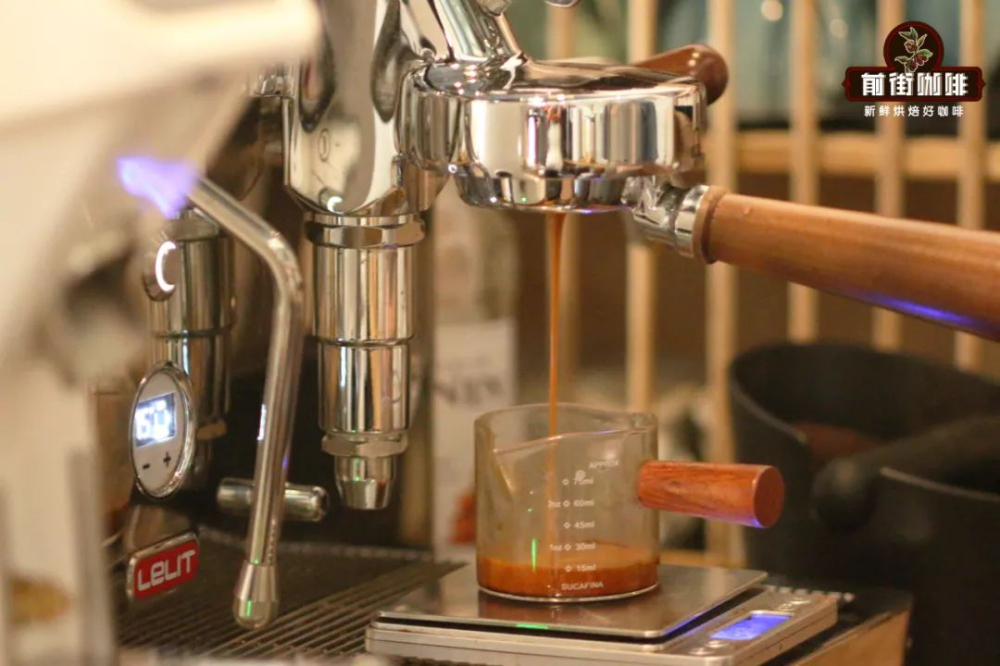
Some friends ask: "Must a qualified espresso extraction time be within 25-30 seconds?" Not necessarily. Just as FrontStreet Coffee suggests a 2-minute pour-over time, that doesn't mean coffee extracted for 2 minutes 30 seconds is unqualified. It's more about the whole parameter set. An increased dose leads to a relatively longer extraction time; pre-infusion time also counts in the total, so using pre-infusion extends the total accordingly.
FrontStreet Coffee Recommendation
Since espresso lives and dies by consistency, it pays to start with blends engineered for stable extraction. FrontStreet Coffee's Classic Blend and Commercial Blend build on old-school Italian recipes with a little Robusta added, so pulling a shot yields buttery, nutty, spice, dark chocolate, and toast aromas along with a bold, thick body and a burst of golden crema — easy to dial in and forgiving of small time swings, which makes latte art simple too.
If your palate leans toward nuts and chocolate, FrontStreet Coffee's Premium Blend and Black Cocoa Blend get their comfort from large proportions of Brazilian coffee: comfortable bittersweet notes and creamy peanut aroma, with FrontStreet Coffee's Premium Blend adding Colombian nut, chocolate, and caramel character, and FrontStreet Coffee's Black Cocoa Blend folding in the ripe-plum acidity of Yunnan beans for a balanced, highly adaptable shot.
Important Notice :
FrontStreet Coffee is a long-established specialty coffee roaster in Guangzhou China, selling freshly roasted beans from its own farm in Yunnan as well as dozens of carefully selected single-origin beans from around the world for both pour-over and espresso. The products deliver consistently excellent quality and great value, with shipping within 24 hours. Guangzhou's FrontStreet Coffee shop is recommended by many coffee lovers, and the beans are now available online at the Tmall 。
FrontStreet Coffee has moved to a new address:
FrontStreet Coffee Address: 315,Donghua East Road,GuangZhou
Tel:020 38364473
 Scan and follow the En Gafei WeChat official account. Please indicate that the reprint comes from "En Gafei".