
Do Different Pour-Over Methods Change Coffee Flavor? What Are the Factors That Affect Coffee Brewing?
I remember an order that came in one day with an unusual request attached: "I'd like a pour-over coffee, please—but brewed into two separate cups. I want to taste two different flavors from the same beans."
FrontStreet Coffee paused for a second. "This... isn't difficult at all. If you understand how brewing parameters shape flavor, you'd know that tweaking them slightly can produce two completely different cups."

Then it clicked—what this customer was really interested in was the "brewing" itself. It's the same spirit you see at pour-over competitions, where everyone competes with the same beans, and in the comments that follow: "Your brew is so sweet!" "Yours is so fragrant!" "Person A's cup is sweeter, but Person B's is brighter!"...
These flavor differences produced purely through "brewing" come down to how well the brewer understands the parameters, and how well they know the beans. During brewing, acidic compounds extract relatively quickly, sweet compounds follow, and bitter compounds extract slowest of all. By adjusting water temperature, grind size, extraction time, and pouring technique, we can indirectly steer how much of each ends up in the cup.
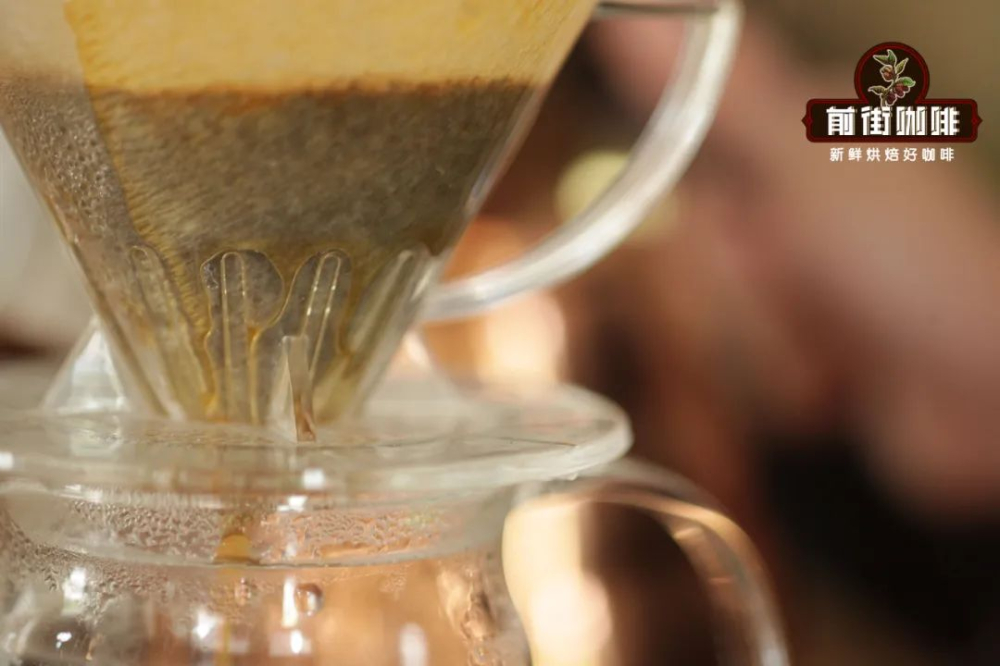
Creating Different Flavor Profiles
Follow that logic and coaxing two distinct flavor experiences out of one bag of beans isn't hard at all. A classic demonstration is brewing the same coffee with a "single-pour" versus a "three-pour" method. The single-pour typically delivers bright acidity and a clean mouthfeel, while the three-pour brings out richer layering and more complex aromatics.

The True Source of Exceptional Coffee
From the customer's side of the counter, this might look like a showcase of the barista's skill. But from the brewer's perspective, while brewing method certainly matters for how flavors are expressed, the biggest credit for an outstanding cup belongs to the beans themselves.
Brewing is the last link in the coffee chain, and the room it leaves for adjustment is actually small. At best it can lift a coffee's sweetness or body (relatively speaking). Hand a brewer poor-quality coffee and no amount of technique will make it delicious. To put it plainly: brewing cannot turn bad coffee into good coffee—it can only make the most of what's already there.
FrontStreet Coffee's Philosophy
At FrontStreet Coffee, we believe that beans from different origins, varieties, and processing methods should each display their own distinct character—that's the whole charm of single-origin coffee. Which is why we keep brewing simple and standardized: the fewest variables, the most repeatable method, to let the beans express themselves.
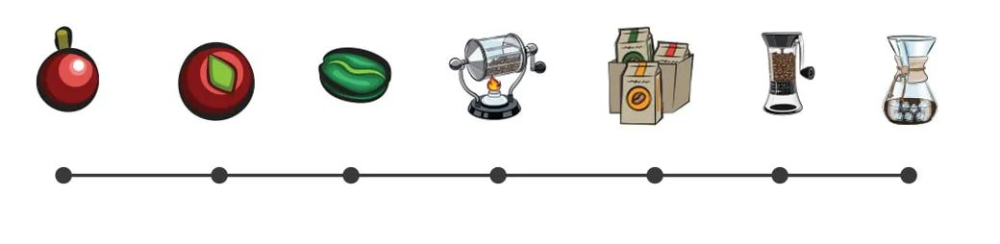
If what you're after is more sweetness, brighter acidity, or flavors you've never tasted, widen your lens and explore different beans instead—the flavor gap between beans dwarfs anything you'll get from "different brewing methods."
(Does that mean brewing methods are meaningless? Not at all. Many of today's "optimal brewing methods" weren't derived from theory alone—they came from countless experiments, trial and error, and hard-won experience, with the best results distilled into what you drink in cafés today!)
FrontStreet Coffee Recommendation
Since the biggest flavor variable is the bean itself, choose beans with character worth brewing twice. For a coffee that rewards both a single-pour and a three-pour, try the FrontStreet washed Worka Gedeb from Yirgacheffe: jasmine florals, bright citrus acidity, and berry tones with a green-tea finish—crisp and clean as a single pour, layered and aromatic as a three-pour.
If tropical fruit is more your style, the FrontStreet natural Huakui from Ethiopia delivers strawberry, passion fruit, jackfruit, and lychee with pronounced sweetness and almost no bitterness—equally striking however you pour it. On the deeper end, the FrontStreet PWN Golden Mandheling from Indonesia, wet-hulled in the Sumatran tradition, offers a thick, herbal, dark-chocolate body with a long caramel sweetness, ideal for drinkers who prefer little to no acidity.
Whichever you choose, start from a dependable baseline—90–91°C water, a 1:15 ratio, and a grind close to fine granulated sugar—then vary one thing at a time and taste the difference the bean, not just the method, makes.
Important Notice :
FrontStreet Coffee is a long-established specialty coffee roaster in Guangzhou China, selling freshly roasted beans from its own farm in Yunnan as well as dozens of carefully selected single-origin beans from around the world for both pour-over and espresso. The products deliver consistently excellent quality and great value, with shipping within 24 hours. Guangzhou's FrontStreet Coffee shop is recommended by many coffee lovers, and the beans are now available online at the Tmall 。
FrontStreet Coffee has moved to a new address:
FrontStreet Coffee Address: 315,Donghua East Road,GuangZhou
Tel:020 38364473
 Scan and follow the En Gafei WeChat official account. Please indicate that the reprint comes from "En Gafei".

