105-Year-Old Grandmother Has Been Drinking Coffee for Over 100 Years?! Netizens Respond: I Don't Believe It!
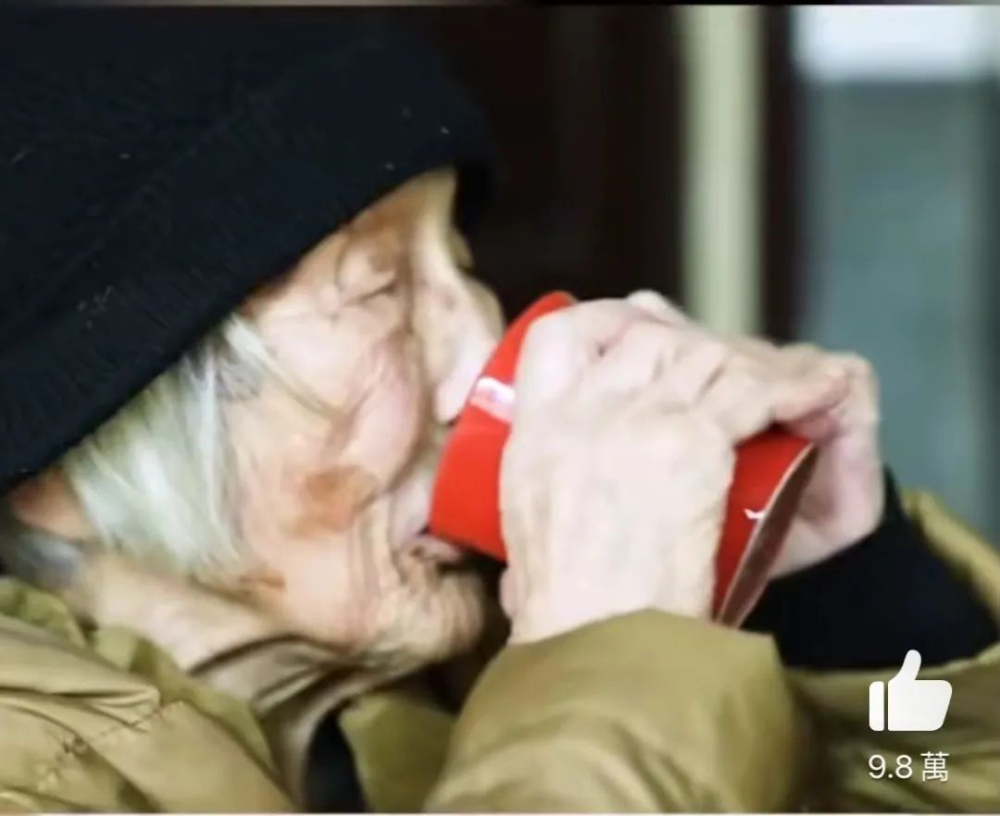
Yesterday, a story about "Zhejiang's 105-year-old grandmother who has been drinking coffee for 100 years" set off a lively debate online. In a video interview, the elderly woman's son mentioned that his mother first tried coffee with foreigners when she was only three years old. Finding her adorable at that age, they offered her a cup, and she was hooked on the spot. She claims to have been drinking coffee for a century and still insists on a cup about two hours after lunch every day. In the video, the grandmother happily professed her love for the drink.

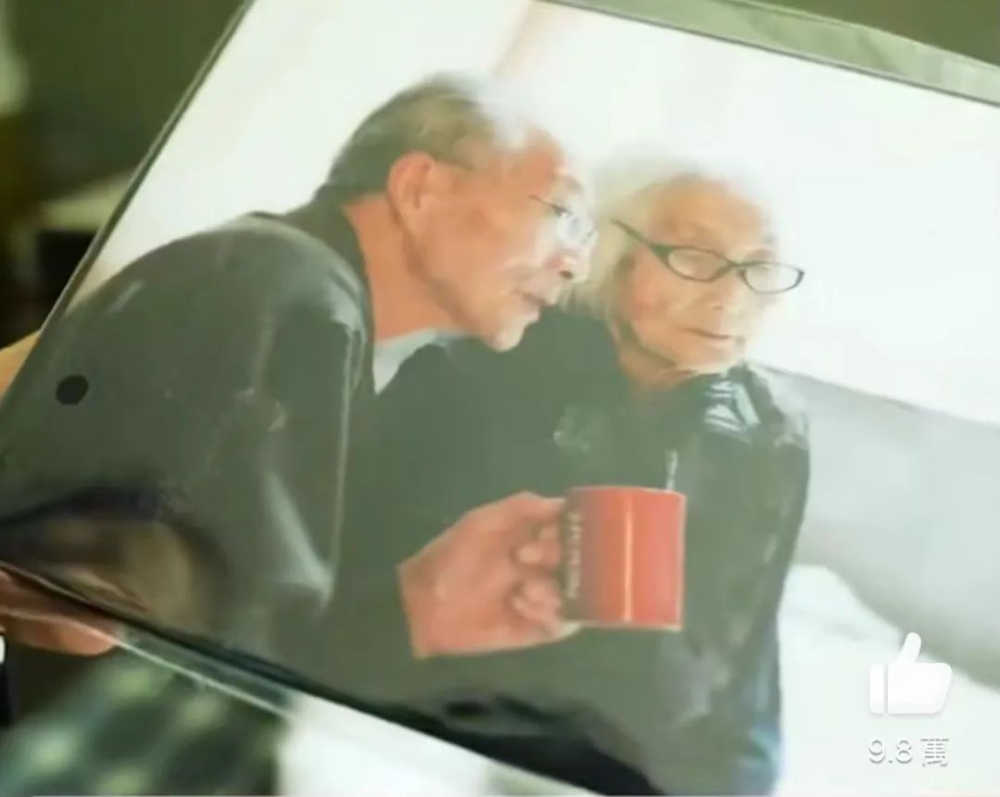
What began as a heartwarming story quickly turned into a contested topic, thanks to the video's title — "105-year-old grandmother from Lishui, Zhejiang drinks a cup of coffee every day" — and the fact that she was sipping from a mug bearing an instant coffee brand.
"Can anyone really drink coffee every day for over a hundred years?" "A three-year-old on daily coffee? No way I believe that." "A century of coffee drinking, and she's drinking instant?"...
Since neither the grandmother nor her son actually claimed in the interview that she had been drinking a cup every day for more than 100 years, we won't take up that question here. What is easy to believe is that a hundred years ago, coffee was not out of her reach. Coffee arrived in China very early on, though at first it was served only to Westerners. Even after Chinese drinkers gained access, its steep price kept it a niche indulgence for a long time.
The Chinese Translations of COFFEE
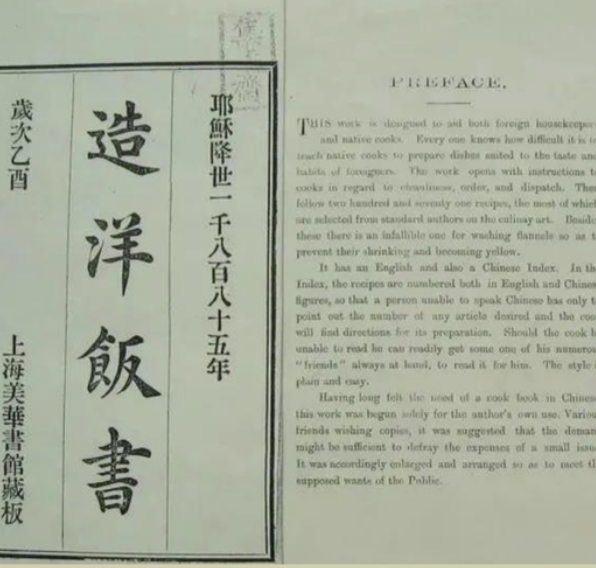
The earliest known Chinese transliteration of COFFEE appeared in 1866, in the cookbook "Cooking Foreign Food" published by the American Presbyterian Mission Press (then based in Shanghai). Written by a Westerner, the book taught Chinese cooks how to prepare meals suited to Western palates, and it rendered COFFEE as "ke fei." In newspapers and books of the late Qing Dynasty, the transliterations multiplied: besides "ke fei," you can find "jia fei," "gao fei," "kao fei," and more.
The First Coffee Shops in China
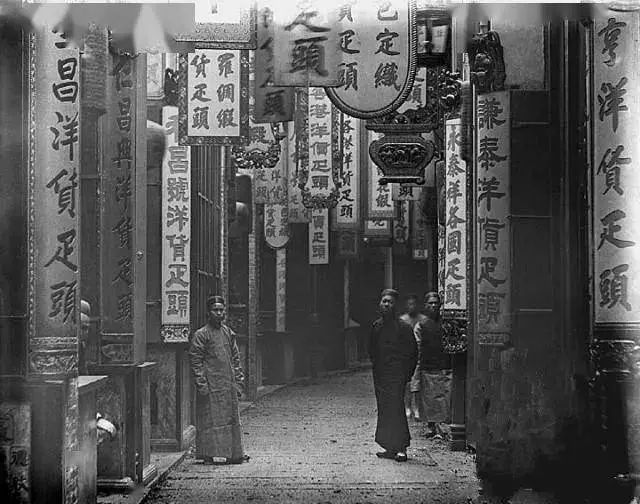
Interestingly, coffee shops in China predate the settled transliteration of the word. Before people wrote COFFEE phonetically, they recorded it as "hei jiu" — literally, "black wine." According to "Yangzhou Pleasure Boats" by the Qing Dynasty playwright Li Dou, in 1836 (the sixteenth year of the Daoguang reign) Danish merchants opened China's first coffee shop near the Thirteen Factories in Guangzhou. Locals called it a "hei guan" ("black establishment") and referred to coffee as "black wine." The "Guangdong Gazetteer" compiled during the Jiaqing period even noted: "Black wine, drunk by foreigners after meals, is said to aid digestion."
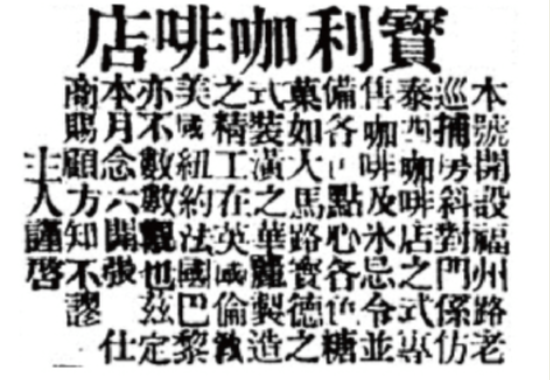
The first shop in China explicitly identified as a coffee house appeared in Hongkou District, Shanghai, then part of the international concession, though it catered mainly to sailors. The earliest coffee shop open to Chinese customers was Baoli Coffee Shop, which opened on Fuzhou Road in Shanghai in 1906. To spread the word that a coffee shop welcomed Chinese patrons, its owners deliberately placed an advertisement in the press.
The Evolution of Coffee in China
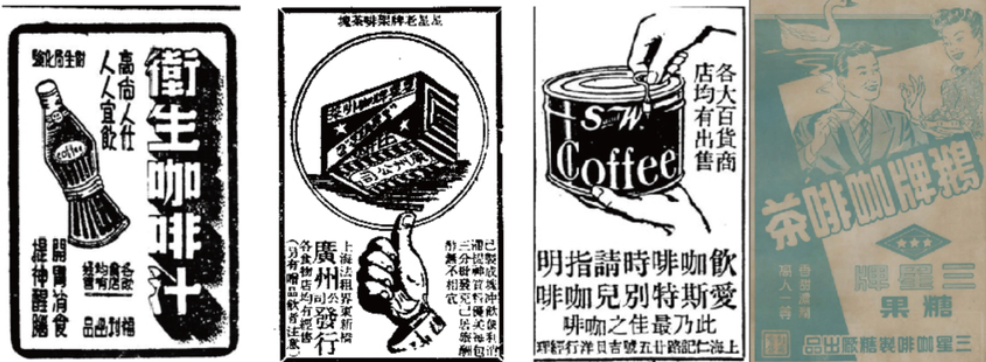
Back then, coffee came in many forms. Alongside brewed hot coffee there were pressed coffee candies, coffee juice, coffee syrup, and coffee paste, which could be mixed to personal taste when consumed.
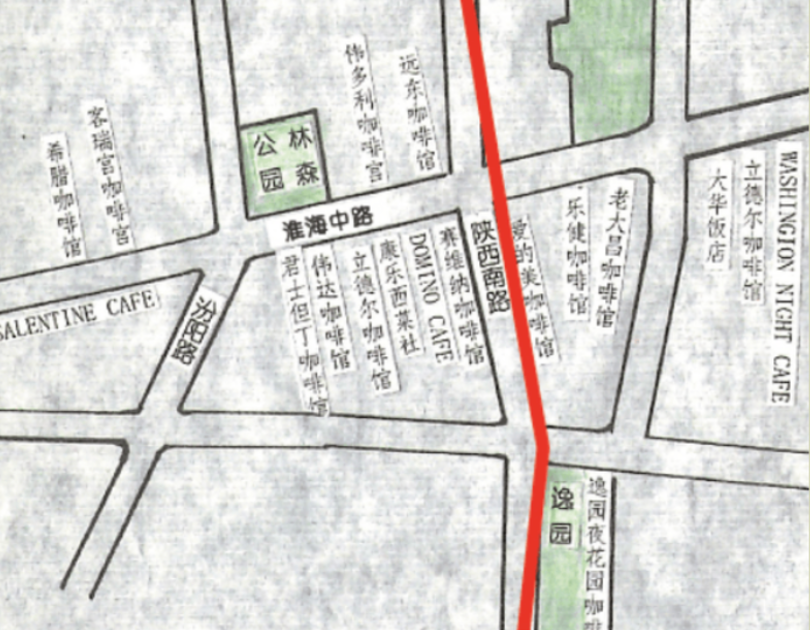
By 1917, coffee shops were cropping up all over the streets of Shanghai, and between 1917 and 1937 the city's coffee scene flourished. Because coffee remained expensive and niche, shops clustered in residential neighborhoods and busy commercial districts where expatriates and wealthy merchants lived.
The Grandmother's Coffee Story
Although the grandmother now lives in Lishui, Zhejiang, her son mentioned that it was foreigners who first gave her coffee — which suggests she may once have lived abroad or in Shanghai. Combined with her lifelong coffee habit, her affectionate nickname, and her simple declaration of "I just like drinking coffee," one can infer she grew up in relatively comfortable circumstances, with parents who doted on her.
Can Children Drink Coffee?
"Weren't children never supposed to drink coffee? She started at three?" In fact, the advice against children drinking coffee only emerged with modern medicine. In earlier eras, people held no strong notions about "unhealthy" foods or what children should avoid; everyone simply ate what was available.

So can children drink coffee? According to modern medical research, the American Academy of Pediatrics recommends that children and adolescents avoid coffee and limit their caffeine intake. (Ah — but if they never drink coffee, where does the caffeine come from?) Soda, tea, chocolate, and flavored milk all contain caffeine, so beyond coffee itself, parents should keep an eye on how much of these their children consume.
Instant Coffee vs. Specialty Coffee
"A hundred years of coffee, and she's drinking instant?" Perhaps the grandmother is simply using a mug she's owned for a decade or so, which happens to be branded by an instant coffee company. Or perhaps she drinks out of habit and has never cared whether her coffee counts as specialty.
In her day, the concept of specialty coffee beans didn't exist. Everyone drank beans blended from various varieties and roasted dark, producing a bold brew that was then softened with milk and sugar. For the grandmother, then, what matters isn't the category of coffee — as long as it tastes right, it's coffee worth drinking.
Longevity and Coffee
The grandmother's longevity is surely not the fruit of a century of coffee drinking, but rather of her constitution and optimistic outlook. Moderate coffee consumption may indeed offer some protective benefits, yet not everyone tolerates caffeine well — so drink according to your own condition.
Image source: Internet, Weibo
FrontStreet Coffee Recommendation
Inspired by a century of coffee drinking? If you're just starting your own journey, FrontStreet Coffee suggests beginning with a forgiving, easy-drinking bean. The FrontStreet Washed Guodingding Cooperative from Ethiopia's Yirgacheffe region is a classic introduction: jasmine florals, lemon acidity, and berry notes in a soft, balanced cup. Prefer something with zero bite? FrontStreet's Queen Estate from Brazil is grown at higher altitude from rare yellow bourbon, layering Brazil's signature compound nut aromas — butter, melon seeds, macadamia, almond — over a sugarcane sweetness, and its thick, silky body works beautifully with milk. And for fans of deep, full-bodied classics, the FrontStreet PWN Golden Mandheling, triple hand-selected and once machine-sorted to minimize defects, delivers an unusually clean, smooth Sumatran cup with clear woody and caramel notes — perfect for those who love richness without acidity.
Important Notice :
FrontStreet Coffee is a long-established specialty coffee roaster in Guangzhou China, selling freshly roasted beans from its own farm in Yunnan as well as dozens of carefully selected single-origin beans from around the world for both pour-over and espresso. The products deliver consistently excellent quality and great value, with shipping within 24 hours. Guangzhou's FrontStreet Coffee shop is recommended by many coffee lovers, and the beans are now available online at the Tmall 。
FrontStreet Coffee has moved to a new address:
FrontStreet Coffee Address: 315,Donghua East Road,GuangZhou
Tel:020 38364473
 Scan and follow the En Gafei WeChat official account. Please indicate that the reprint comes from "En Gafei".