
What Coffee Beans Make the Best Cold Drip Coffee? 5 Key Details for Making Cold Drip Coffee

What Coffee Beans Make the Best Cold Drip Coffee? 5 Key Details
Many people make a habit of brewing iced coffee in summer, and cold drip coffee is a favorite for many of them. Its preparation is very simple, though it does take a fair amount of time, and sometimes it is precisely that simplicity that leads people to overlook the details. Below, FrontStreet Coffee shares a few cold drip details we consider important.
1. Use coffee beans with a longer post-roast rest
In pour-over coffee we place great importance on freshness, because it affects the amount of aroma and flavor in the cup. Making cold drip coffee, however, puts more emphasis on the stability of the beans. Beans closer to the roast date hold more gas, which can expand and release during the drip process and easily cause channeling in the coffee bed.
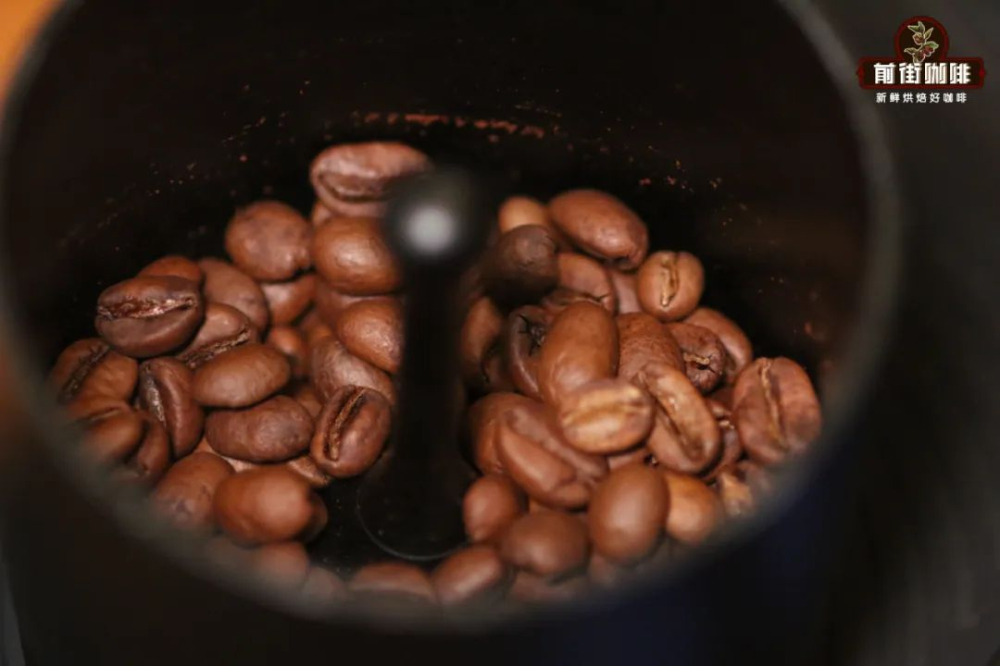
Generally, coffee beans for cold drip are best used about 20 days after roasting. Some friends may ask whether using beans this long makes the cold drip taste worse. Cold drip is different from pour-over. It uses a long extraction time, so even relatively strong volatile flavor compounds will dissipate over the lengthy process. Cold drip coffee contains more soluble substances, and these do not evaporate over time. That is why many people use older pour-over beans for cold drip as well.
FrontStreet Coffee must add, though, that if you find the beans have gone bad, showing wood chip flavors, burnt bitterness, or a stale taste, that means the coffee is no longer suitable for drinking.

2. Place a circular filter paper in the coffee bed
The purpose of this filter paper is not filtration but buffering and diffusion. You have heard of water dripping through stone: if water drops continuously on the same spot, it can easily bore a hole. The filter paper cushions the force of the water drops while also absorbing water and spreading it to the surroundings, preventing the center from flooding while the edges stay dry.
3. Pre-wet the coffee powder
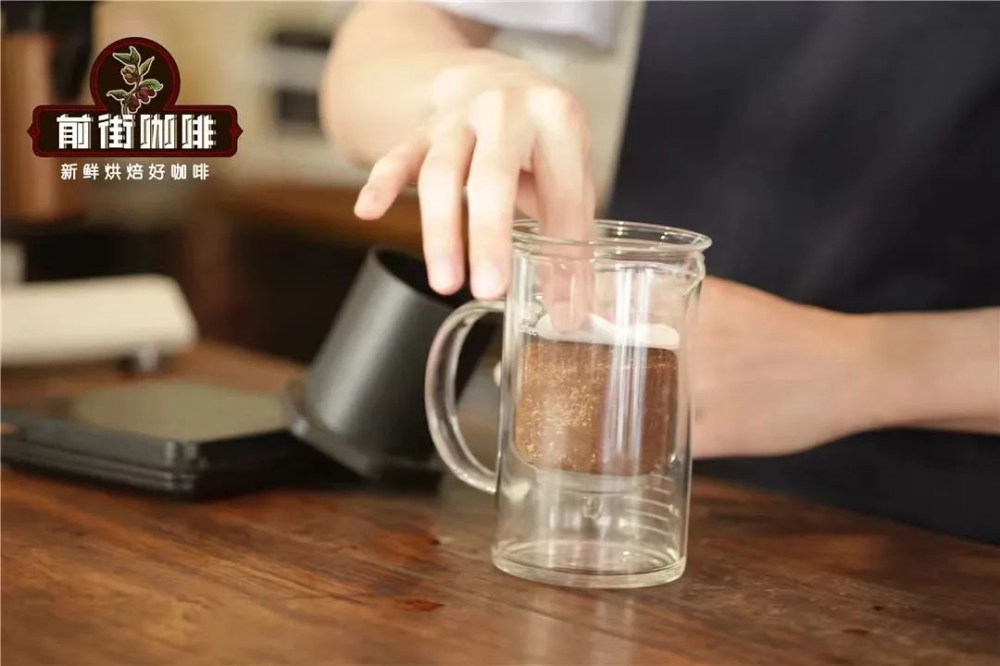
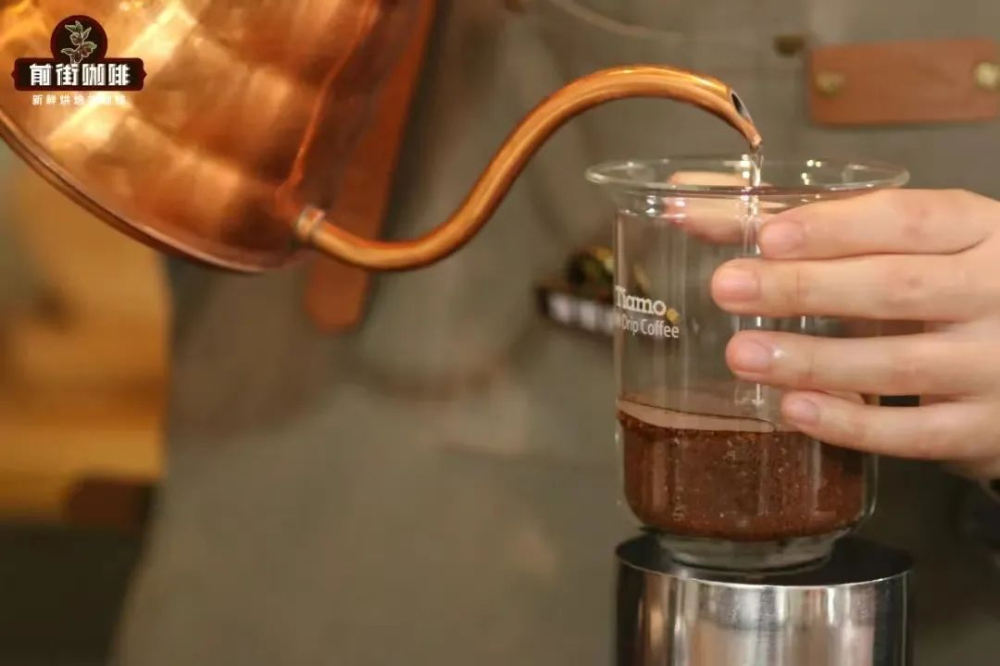
Before the actual dripping begins, you can pre-wet the entire layer of coffee powder. This has several benefits: it saves time, it reduces the risk of channeling, and it ensures even extraction. Sometimes, after brewing is finished, you find that parts of the coffee bed are still dry. Pre-wetting prevents that from happening.
4. Use clean ice cubes and water
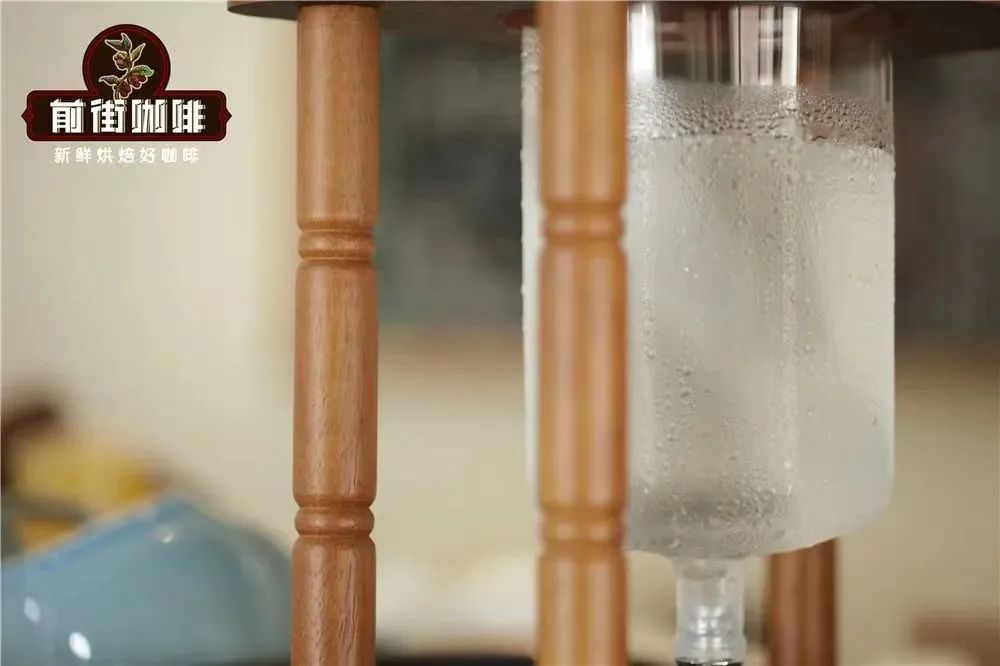
Water and ice with high calcium content easily produce white impurities, and these impurities can clog the drip valve, slowing the drip rate or even stopping it. This is why you sometimes prepare a cold drip before leaving home, only to return and find that very little coffee has actually dripped out. If you have the time, check the drip rate once an hour and adjust it promptly.
5. Store the finished coffee in the refrigerator for 12 hours
Once the dripping is complete, the cold drip coffee is best stored in the refrigerator for 12 hours before drinking. The 12-hour low-temperature rest in the fridge gives the cold drip a fragrant fermented aroma, and its original flavors become richer as well.
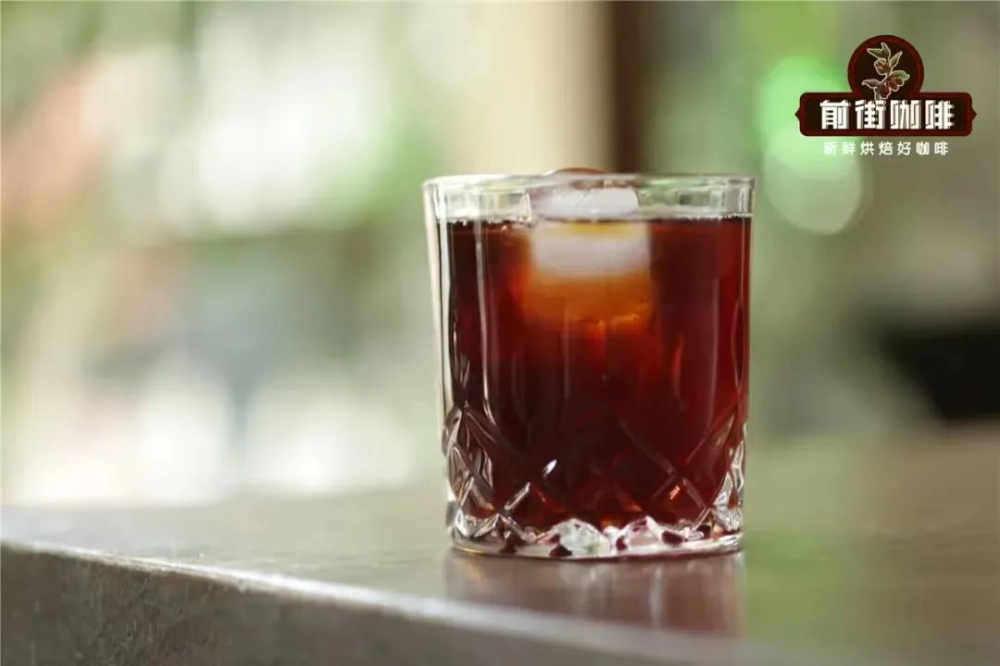
FrontStreet Coffee Recommendation
Cold drip rewards beans with a big, distinctive character. FrontStreet's Costa Rica Mozart, made with an anaerobic honey process, carries a very particular raisin aroma, and in cold drip it shows pronounced blueberry, black grape, and wine-like fermented notes with a clean, refreshing finish.
If you prefer something light and clean, FrontStreet's Kenya Small Tomato uses a 72-hour washed process that gives it lively acidity, like a glass of juice, with santa tomato and grapefruit notes that stay crisp and summery. For a sweeter, more savory cup, FrontStreet's Ethiopia Huakui, grown in Guji Hambella at altitudes above 2,200 meters and naturally processed, brings creamy strawberry, guava, dried mango, and a layered black tea finish once it is cold-brewed.
Important Notice :
FrontStreet Coffee is a long-established specialty coffee roaster in Guangzhou China, selling freshly roasted beans from its own farm in Yunnan as well as dozens of carefully selected single-origin beans from around the world for both pour-over and espresso. The products deliver consistently excellent quality and great value, with shipping within 24 hours. Guangzhou's FrontStreet Coffee shop is recommended by many coffee lovers, and the beans are now available online at the Tmall 。
FrontStreet Coffee has moved to a new address:
FrontStreet Coffee Address: 315,Donghua East Road,GuangZhou
Tel:020 38364473
 Scan and follow the En Gafei WeChat official account. Please indicate that the reprint comes from "En Gafei".

