Do Coffee Defects Affect Coffee Flavor? How to Identify Defective Coffee Beans?
Understanding Defective Coffee Beans: Should You Pick Them Out?
If you follow the specialty coffee world, you know defective beans can noticeably impact a cup's flavor. If you buy beans and brew at home, should you pick out defects before brewing?
The Grading System for Coffee Beans
After processing, coffee beans are graded, and most grading systems include defect-count indicators. Ethiopian Grade 1 beans, for example, must show fewer than 3 defects in a 350g sample; Blue Mountain's top grade, No. 1, requires a defect rate under 2%; and Golden Mandheling must stay below 3%.
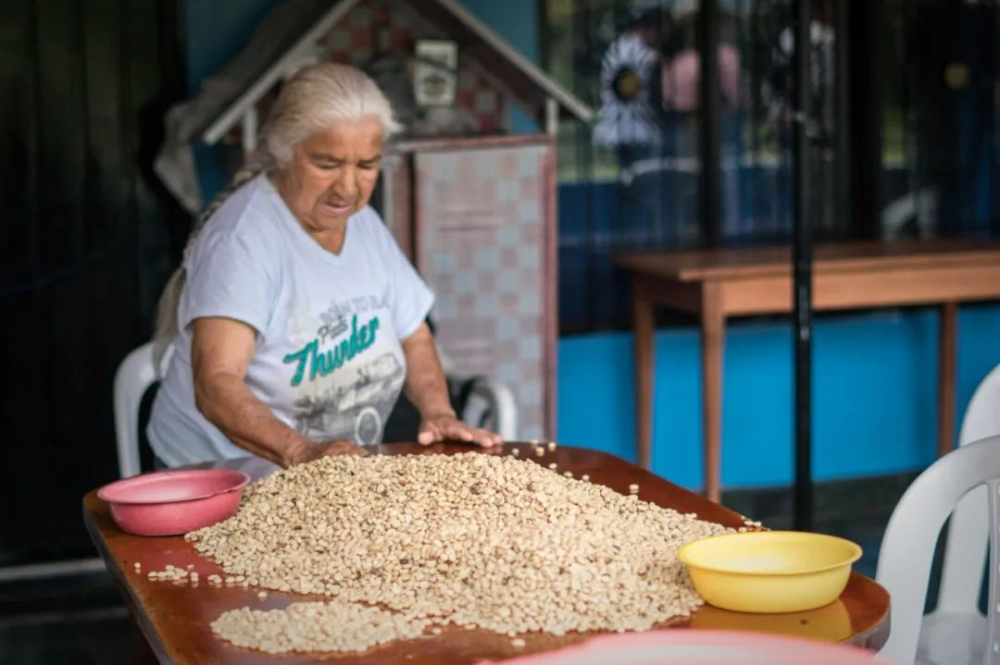
In other words, higher-grade green beans arrive with minimal defects—and "defects" here means the major kind that genuinely damage flavor: over-fermented beans, black beans, severely insect-damaged beans, moldy beans, foreign objects, and so on.
The Bean Sorting Process
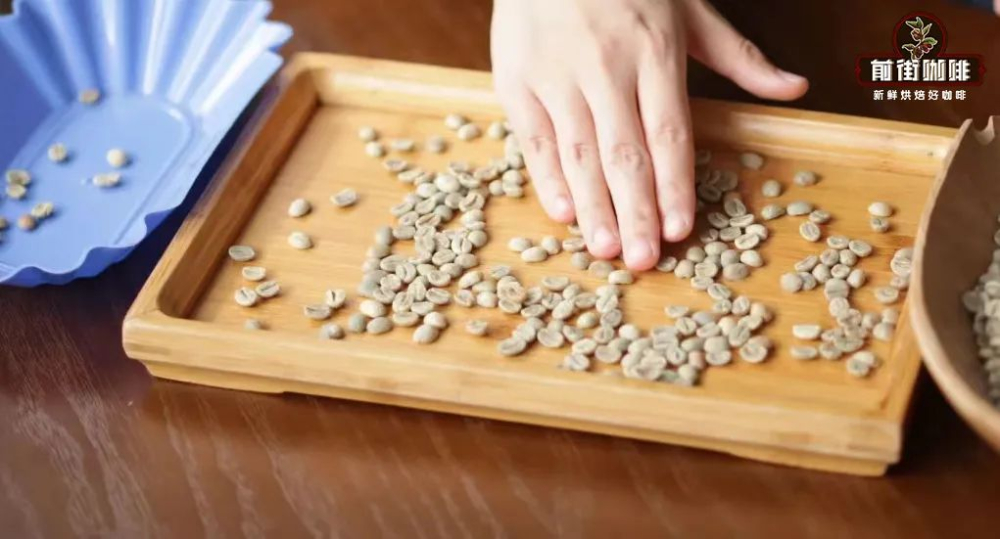
Before roasting, beans pass through a defect-removal step that catches anything that "escaped" earlier, because even the finest green coffee can't guarantee zero defects. Transport collisions also cause breakage, so a stricter sorting happens pre-roast: slightly insect-damaged beans, broken beans, shell beans, and moldy beans get picked out at this stage.
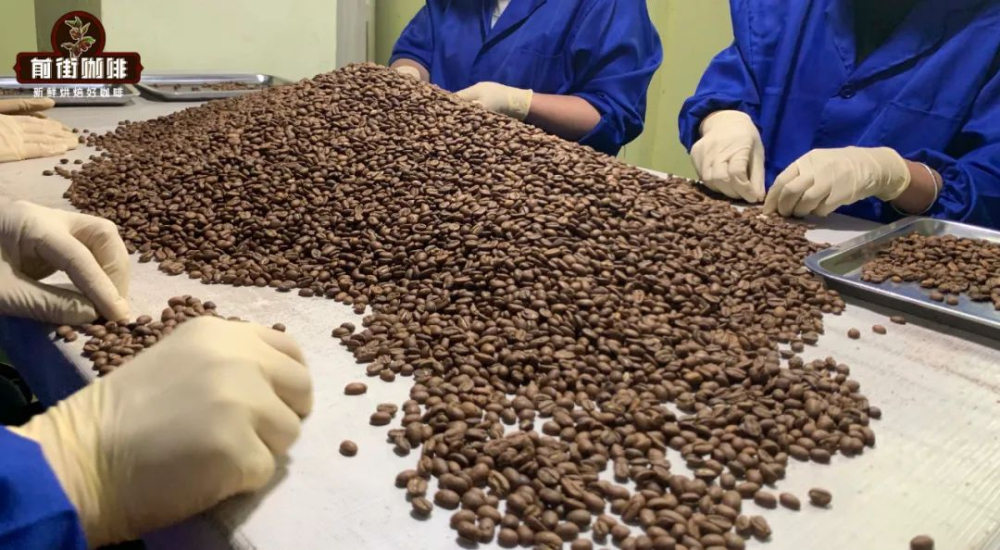
After roasting, yet another selection removes roasting defects such as quakers and scorched beans. Roasting defects generally mean scorched beans with crater-like burn marks. Quakers are beans from unripe cherries—nearly impossible to spot in green form, but conspicuously lighter than normal beans after roasting. They rarely appear in high-grade lots picked from fully red cherries and are more common in Brazilian beans (where they're removed after roasting).
FrontStreet Coffee's Perspective
Through these layered screenings at export and roasting, the vast majority of defective beans are eliminated. FrontStreet Coffee's view: if you're buying roasted single-origin beans, you don't need to worry about defects affecting the flavor.
Can such strict quality control reach literally zero defects? Not entirely—the removal is done by hand, so an inconspicuous defective bean occasionally slips through. And after roasting and packaging, beans still travel to consumers, during which some may crack from collisions. That won't noticeably affect flavor, but you can pick out obvious cracked beans while weighing your dose before brewing.
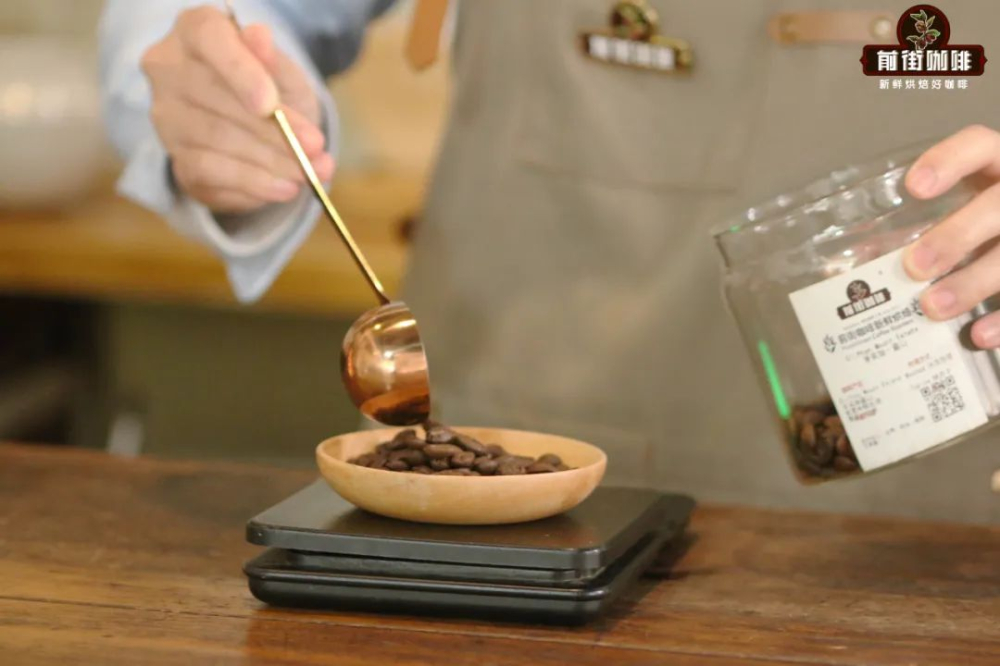
Mistaken Defects: Cases Frequently Reported to FrontStreet Coffee
That said, FrontStreet Coffee regularly receives reports of beans mistaken for defects. In our experience, they fall into three categories:
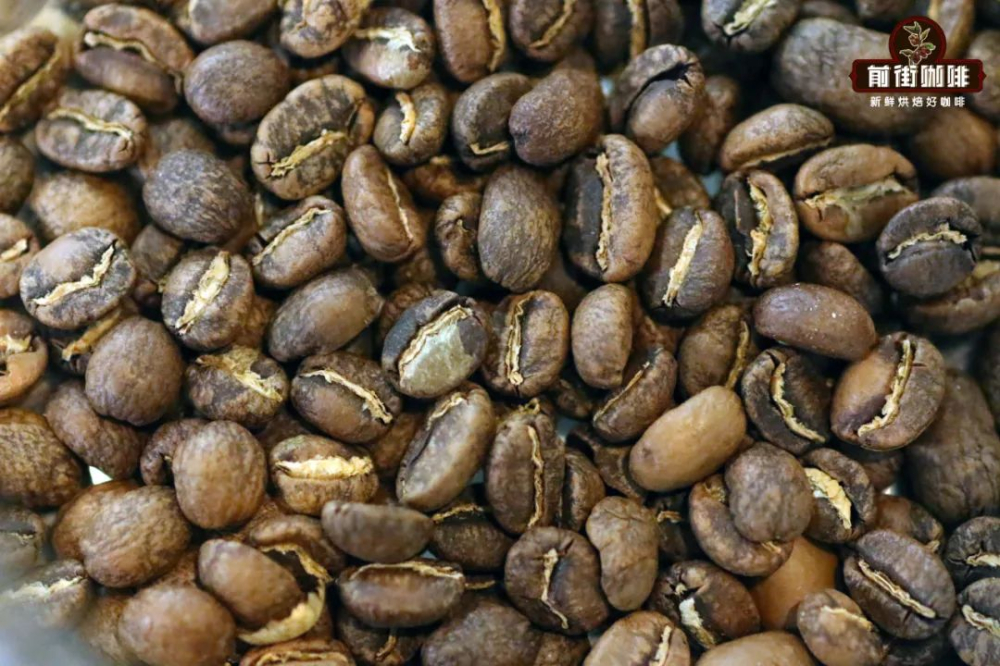
Type 1: Wrinkled Appearance with Dark Spots
This look typically shows up in washed, high-altitude, light-roasted beans. High-altitude beans are denser, so as moisture evaporates during roasting they shrink and wrinkle; and because the roast is light, they may finish before fully expanding. Wrinkled and homely, yes—but definitely not defective, and their flavor shows very pleasant acidity.
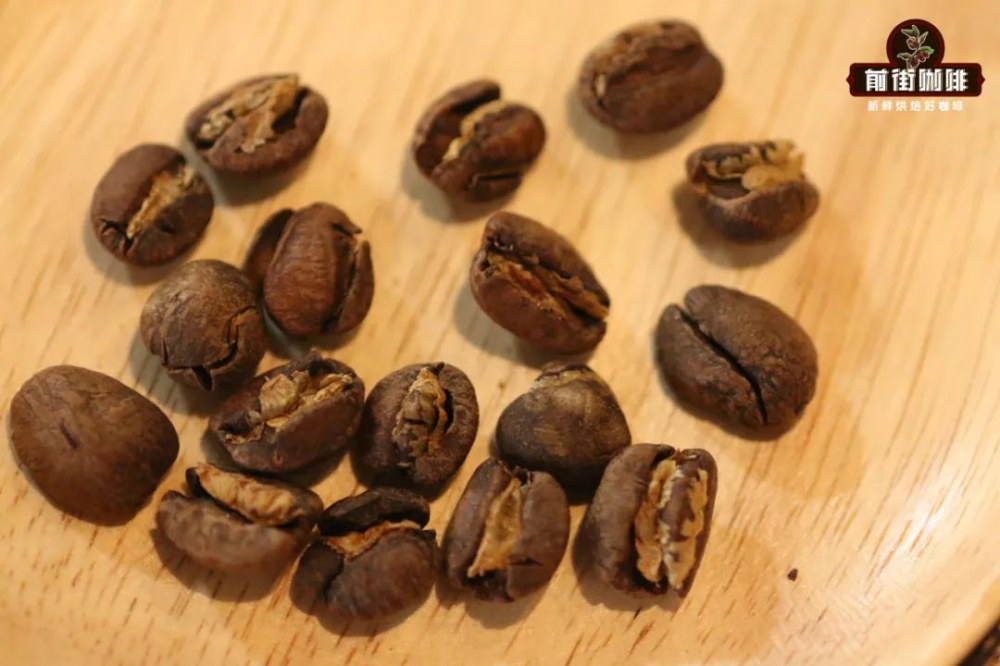
Type 2: Cracked Beans
Some beans crack open and look incomplete—easy to mistake for defects. They're perfectly normal. Dense beans absorb and store more heat during roasting, cracking violently at first crack and splitting apart. Not pretty, but harmless to flavor—and they may even help the coffee taste better.
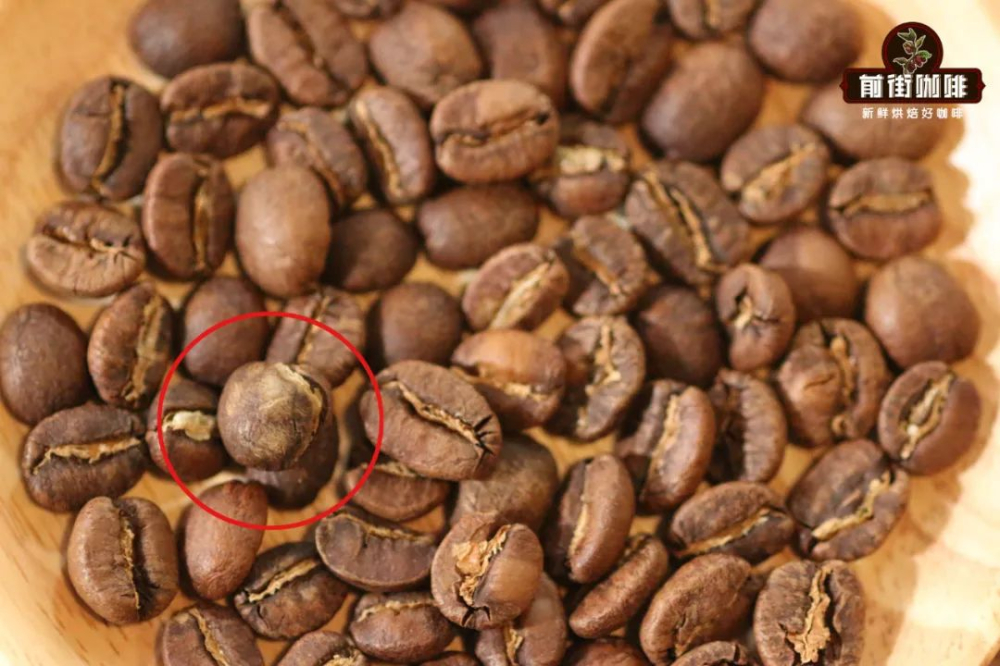
Type 3: Unique Individual Appearance
Some beans simply look different from their neighbors, and many people assume different-looking means flavor-affecting. They're not defective—just one-of-a-kind. Of course, if you don't like the look of them, you're free to treat them as defects anyway.
FrontStreet Coffee Recommendation
If ultra-low defect counts are what you're after, nothing demonstrates rigorous sorting better than FrontStreet PWN Golden Mandheling. Produced by Indonesia's PWN company, it starts from beans above screen size 18, requires fewer than 3 defects per 300g of green beans to meet the top G1 grade, then goes through three rounds of hand sorting—yielding exceptional cleanliness and sweetness, with woody fragrance and caramel clarity.
For brewing it well: use 15g of coffee at a 1:15 ratio, water at 87-88°C, a coarse-sugar grind, and a three-stage pour—the first to saturate and degas the grounds, the second to lift the bed and draw out the golden foam, and a gentle final center pour of the last 95ml to raise sweetness. The result is a thick, full body with caramel sweetness and chocolate-nut depth—perfect for anyone who dislikes sour coffee. If you'd rather use an espresso machine, the FrontStreet Classic Blend (Brazil cream-and-nut character plus medium-dark Mandheling, with a touch of Robusta for crema) delivers butter, roasted chestnut and caramel notes with ease.
Important Notice :
FrontStreet Coffee is a long-established specialty coffee roaster in Guangzhou China, selling freshly roasted beans from its own farm in Yunnan as well as dozens of carefully selected single-origin beans from around the world for both pour-over and espresso. The products deliver consistently excellent quality and great value, with shipping within 24 hours. Guangzhou's FrontStreet Coffee shop is recommended by many coffee lovers, and the beans are now available online at the Tmall 。
FrontStreet Coffee has moved to a new address:
FrontStreet Coffee Address: 315,Donghua East Road,GuangZhou
Tel:020 38364473
 Scan and follow the En Gafei WeChat official account. Please indicate that the reprint comes from "En Gafei".