
How to Brew Coffee That Tastes Good When It's Not Fresh? What Are the Uses of Expired Coffee Beans?
Understanding Coffee Bloom: When Your Coffee Stops Expanding
Brew your beans with the usual parameters, and one day you notice the bloom no longer swells. That's when you can safely conclude the beans are "no longer fresh."
"No longer fresh" doesn't mean undrinkable—it means the beans have passed their flavor peak. Under food-safety regulations, roasted coffee carries a shelf life of one year, so properly stored whole beans remain drinkable for a year from the roast date.
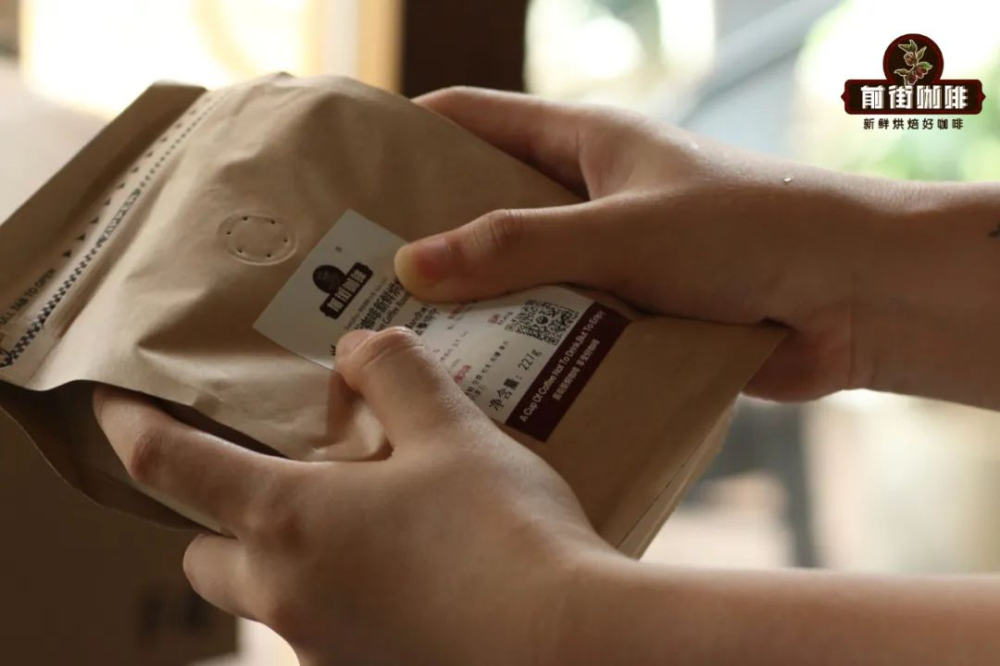
What we usually call "stale" coffee isn't expired coffee—it's coffee whose good flavors have escaped. Those flavors escape at the same rate the beans degas. Once all the gas is gone, the telltale sign is a bloom that never expands, and the coffee no longer smells as aromatic as before.
There is no precise, universal degassing window. Some beans finish releasing gas within 30 days; others still bloom after 60. FrontStreet Coffee takes the cautious view and generally recommends finishing your coffee within 30 days.
Roasted beans are technically good for a year, but FrontStreet Coffee's experience says flavors fade faster with every opened bag. Aged coffee loses its original aroma and leaves only roast flavors, stale notes, nuts, and burnt bitterness—a brew that's genuinely hard to drink. If improper storage has given the beans stale or rancid oily flavors, throw them out rather than drink them. (One extra tip: sealed jars perform worse than the original bag with its one-way degassing valve.)
Rescuing Coffee That Won't Bloom
If the beans won't bloom but are within 60 days of roasting, brewing technique can still rescue them. Non-blooming grounds typically give off "almond" and "peanut skin" aromas during the bloom, and brewed normally, the cup leans into almond bitterness and a tea-like flatness.
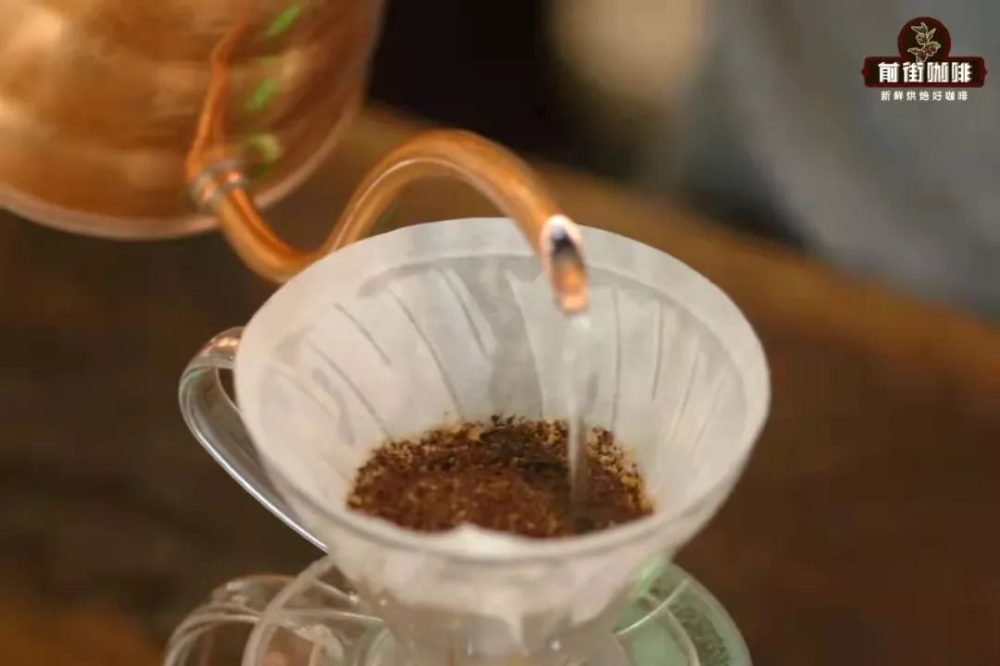
If that sounds familiar, follow FrontStreet Coffee's approach.
Once the gas is gone, the lost aromatics are gone for good. Adjusting parameters is about expressing whatever good flavor remains while dodging the bad.
A bean that no longer expands poses two problems. First, with no gas to release, the grounds absorb water too quickly. Second, during the rest of the brew the inactive grounds sit motionless at the bottom, clogging the bed and choking off the flow.
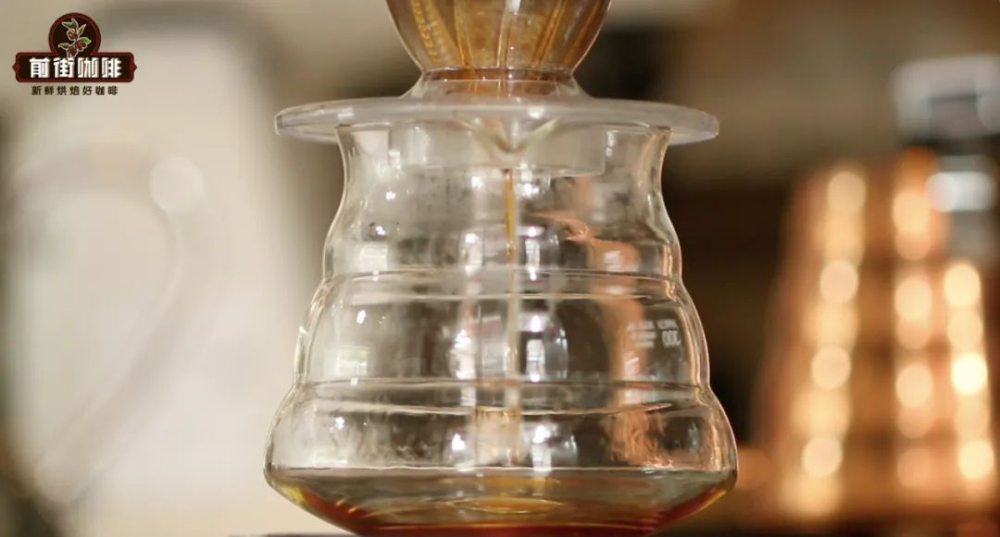
Optimized Parameters for Non-Blooming Coffee
Blooming exists to purge gas. For coffee that has already released nearly all of it, a full 30-second bloom only adds bitterness from over-steeping. But you can't skip the bloom entirely—you still need time to saturate every ground. So shorten it to 15–18 seconds.
The clogging problem is solved by grinding coarser and tweaking the pouring.
Coffee: 15g
Ratio: 1:15
Grind: 75% passing through a #20 sieve
Water temperature: 92°C
Dripper: V60 or flat-bottom
Start with the bloom pour: 25g of water, blooming 18 seconds, using the smallest, gentlest flow you can manage. With no expansion, the gaps between particles are wide and water can race straight into the server below.
For the second pour, start at the center and circle in small motions to lift the coffee bed, encouraging fines to cling to the dripper walls instead of sinking and blocking the outlet. You'll see tiny foam particles washing out. Continue to 150g.
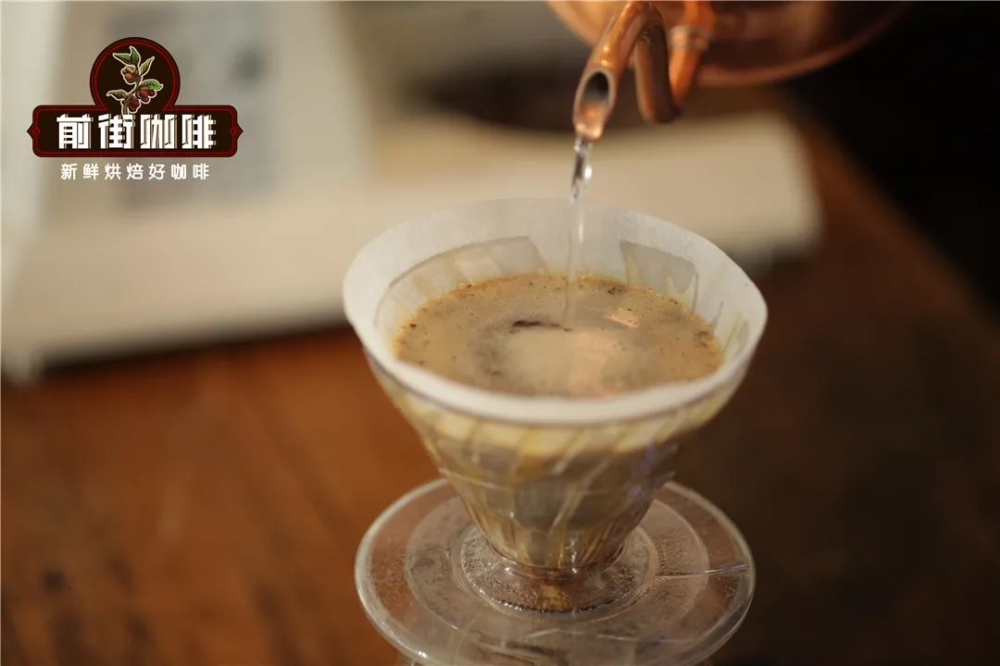
When the level drops to about half, make the final pour: a medium flow, circling quickly to spin up a vortex that "wakes" the bed and forces out the remaining flavor compounds. Pour to 225g and stop. Remove the dripper once the liquid has drained—total extraction time should land around 1 minute 35 seconds to 1 minute 50 seconds.
This method won't return the coffee to the rich fullness of its prime, but it largely keeps defect flavors out of the cup. If you've accumulated beans you haven't gotten around to drinking, give it a try.
FrontStreet Coffee Recommendation
Of course, the best rescue is not needing one—buy beans you'll actually finish in time. FrontStreet Coffee's medium-roast lineup is built for daily drinking within that 30-day window: the Brazil Queen Estate offers cream, peanut, chocolate, toast, and sugarcane sweetness with neither sourness nor heavy bitterness, and it doubles beautifully for moka pot and espresso.
If you like a bit more fruit, FrontStreet Coffee's Strawberry Candy blend—honey-processed Costa Rica joined with washed Panama Geisha—brings orange-blossom honeyed sweetness and a rounded, refreshing cup. And FrontStreet Coffee's 2013 Natural Typica shows what Yunnan can do: nuts, brown sugar, black tea, and dried apricot in a soft, balanced, high-value package that works in a pour-over, cold brew, or drip machine.
Important Notice :
FrontStreet Coffee is a long-established specialty coffee roaster in Guangzhou China, selling freshly roasted beans from its own farm in Yunnan as well as dozens of carefully selected single-origin beans from around the world for both pour-over and espresso. The products deliver consistently excellent quality and great value, with shipping within 24 hours. Guangzhou's FrontStreet Coffee shop is recommended by many coffee lovers, and the beans are now available online at the Tmall 。
FrontStreet Coffee has moved to a new address:
FrontStreet Coffee Address: 315,Donghua East Road,GuangZhou
Tel:020 38364473
 Scan and follow the En Gafei WeChat official account. Please indicate that the reprint comes from "En Gafei".

